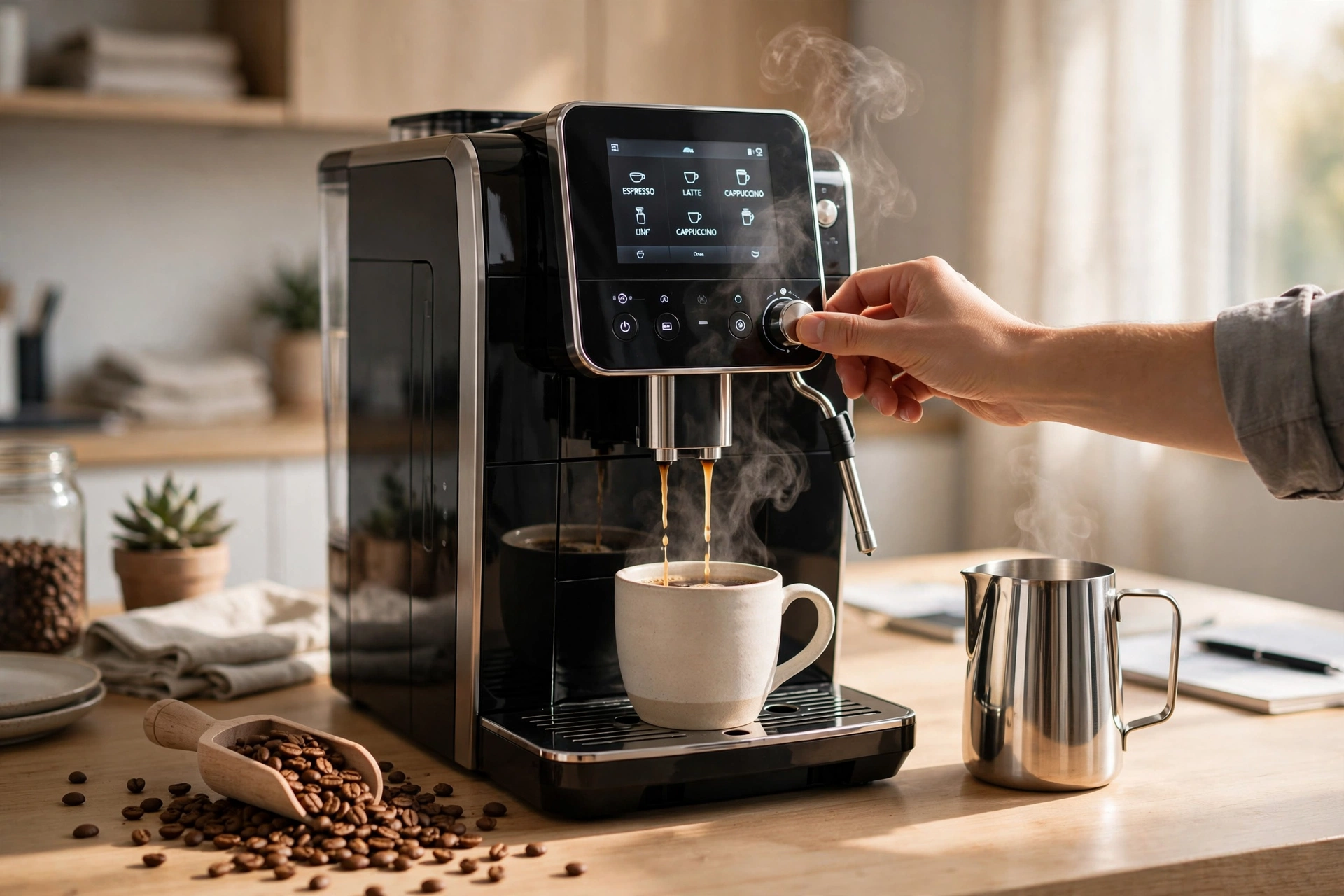
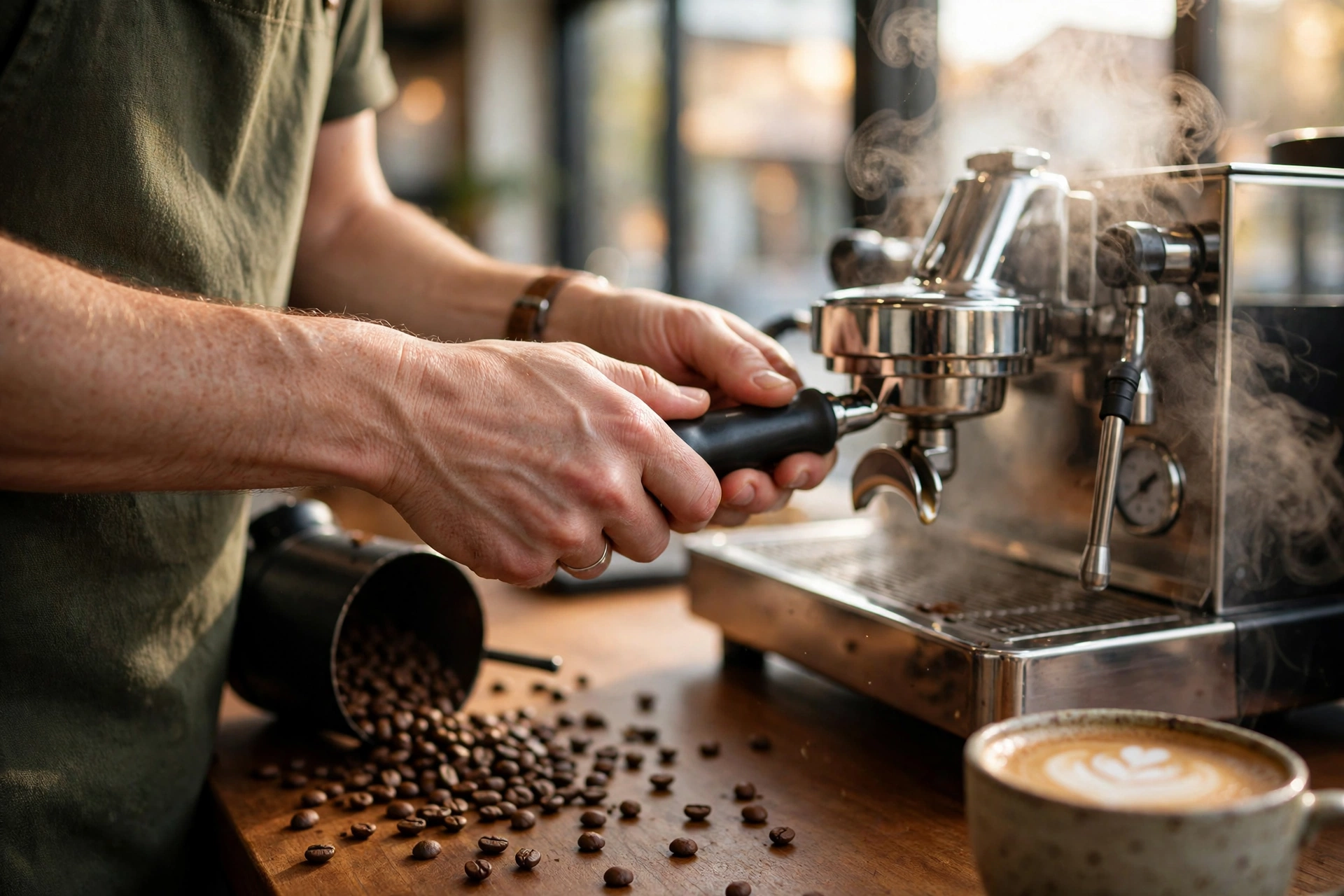
****: Latte art tools are specialized instruments—including steaming pitchers, thermometers, etching needles, and stencils—that enable baristas to pour and sculpt intricate patterns on espresso-based drinks. These tools control milk texture, pouring precision, and detail work, transforming a simple latte into a visual masterpiece that enhances customer experience and brand identity.
| Tool Type | Purpose | Skill Level | Estimated Cost Range |
|---|---|---|---|
| Steaming Pitcher | Controls milk pouring stream and shape | Beginner to Advanced | $10 – $50 |
| Milk Thermometer | Ensures optimal milk temperature for microfoam | Beginner | $5 – $20 |
| Etching / Stylus Tool | Draws fine details on foam surface | Intermediate to Advanced | $5 – $30 |
| Stencil Set | Creates consistent patterns using cocoa powder | Beginner | $10 – $40 |
| Latte Art Pen | Pre-filled edible ink for freehand designs | Intermediate | $15 – $25 |
Table of Contents
- What Exactly Are Latte Art Tools?
- Why Latte Art Tools Matter for Your Coffee Business
- Essential Latte Art Tools: A Practical Guide
- Latte Art Tools Comparison: Basic vs Professional Setup
- Common Misconceptions About Latte Art Tools
- Frequently Asked Questions
- Final Thoughts on Latte Art Tools
What Exactly Are Latte Art Tools?
📚
Definition
Latte art tools are any equipment or accessories used to shape, pour, or decorate the surface of a latte, cappuccino, or other milk-based coffee drink. They range from simple pitchers and thermometers to precision etching needles and stencils. The primary goal is to create visually appealing patterns—like rosettas, hearts, and tulips—that demonstrate barista skill and elevate the drinking experience.
Latte art tools fall into three categories: pouring tools (pitchers, spout modifications), temperature control tools (thermometers, steaming wand tips), and finishing tools (etching pens, stencils, stampers). Each plays a distinct role. The pitcher, for example, affects the stream’s width and flow rate, which determines whether you get clean lines or blurry edges. According to a 2023 report by the Specialty Coffee Association, baristas who invest in quality pitchers see a 30% faster learning curve for free-pour designs.
In my experience teaching latte art workshops, the most overlooked tool is the thermometer. Beginners often steam milk by feel, but even a $10 digital thermometer ensures you hit the 150–155°F sweet spot every time. That consistency is what separates a silky microfoam from a bubbly mess. Without the right tools, those Instagram-worthy rosettas remain out of reach.
Why Latte Art Tools Matter for Your Coffee Business
You might think latte art is just for show, but it directly impacts your bottom line. A 2024 consumer survey by the National Coffee Association found that 42% of customers say a visually appealing latte increases their willingness to pay a premium. Additionally, social media exposure from well-crafted drinks drives foot traffic. Starbucks, for instance, attributes a 12% uptick in seasonal beverage sales to user-generated photos of latte art (Forbes, 2023).
Key Takeaway: Investing in professional latte art tools can increase perceived drink value by up to 15% and encourage repeat visits. For cafes, that translates to higher average ticket size and stronger brand loyalty.
Beyond revenue, there’s the employee morale factor. Baristas who master latte art report higher job satisfaction and lower turnover. A well-equipped workspace signals that you value quality and craftsmanship. If you’re outfitting a new coffee shop, pairing proper tools with a reliable espresso machine—like those available through Busy Bean Coffee’s managed service—ensures consistent results.
Essential Latte Art Tools: A Practical Guide
Let’s walk through the must-have latte art tools and how to use them effectively.
1. The Steaming Pitcher
Choose a pitcher with a sharp spout (like a “bell” shape) for precise flow control. Stainless steel is best because it heats evenly. I recommend starting with a 12-ounce pitcher for single drinks and a 20-ounce for larger orders. Pro tip: Use a thermometer to eliminate guesswork while steaming.
2. Milk Thermometer
Clip-on digital thermometers are affordable and accurate. They prevent overheating, which destroys microfoam. Aim for 150°F for lattes, 155°F for cappuccinos.
3. Etching Tools
For intricate designs like faces or writing, an etching needle (or a simple toothpick) lets you drag fine lines on the foam. Some baristas use latte art pens filled with edible ink—great for quick signatures.
4. Stencils
Metal or plastic stencils with cutout patterns allow you to dust cocoa or cinnamon onto the foam. Perfect for high-volume cafes where speed matters.
5. Latte Art Mat or Practice Board
Latte art tools also include practice aids. Some brands sell boards with etched grooves to simulate milk puddle shapes—useful for building muscle memory.
Key Takeaway: Mastery begins with temperature control, then pitcher manipulation, and finally etching. Don’t skip the basics.
At Busy Bean Coffee, we offer comprehensive barista equipment training for foodservice teams that covers these tools in depth. Our all-inclusive memberships include professional installation and ongoing support—so your staff stays sharp.
Latte Art Tools Comparison: Basic vs Professional Setup
| Feature | Basic Setup ($30–$80) | Professional Setup ($100–$300) |
|---|---|---|
| Pitcher | Standard round spout | Precision bent spout with measurement lines |
| Thermometer | Dial analog, ±5°F accuracy | Digital, ±1°F with clip |
| Etching Tool | Toothpick or bamboo skewer | Stainless steel needle with ergonomic handle |
| Stencil | 2–3 plastic basic patterns | 10+ steel stencils, reusable |
| Additional | None | Latte art pen, practice pads, tamping mat |
| Best For | Home barista / low-volume cafe | Specialty coffee shop / competition prep |
The trade-off: Professional tools increase consistency and speed. If you’re serving over 100 lattes a day, a $50 pitcher pays for itself in reduced waste. A recent study in the Journal of Culinary Science & Technology (2022) found that professional-grade pitchers reduce pour time by 20% due to better spout geometry.
Common Misconceptions About Latte Art Tools
1. “You need expensive gear to pour good art.”
False. Many champions started with a basic pitcher and a thermometer. The skill comes from practice, not price tags. However, consistent tools accelerate progress.
2. “Any pitcher will do.”
Not true. The spout shape dramatically affects pour control. A cheap, wide-spout pitcher forces uneven streams—leading to frustrating splashes.
3. “Latte art is just for Instagram.”
While social media matters, the real value is customer delight. A 2023 survey by Allegra Strategies showed that 68% of regular coffee drinkers feel more valued when their drink is presented with art.
4. “You can learn without tools.”
You can, but it’s like trying to paint without brushes. The right latte art tools reduce frustration and shorten the learning curve dramatically.
Frequently Asked Questions
What are the essential latte art tools for beginners?
Beginners should start with a 12-ounce stainless steel pitcher with a sharp spout, a clip-on digital thermometer, and a simple stencil set. That’s roughly a $40 investment. These three latte art tools cover steaming, pouring, and finishing. Once you master the heart pattern, you can add an etching needle for more detail. Busy Bean Coffee’s wholesale barista equipment bundles often include starter kits at a discount.
How do I clean latte art tools properly?
Pitchers: rinse immediately after use and wash with mild soap and a non-abrasive sponge. Thermometers: wipe with a sanitizing cloth; never submerge the digital display. Etching needles: rinse and dry to prevent rust. Stencils: soak in warm water for 5 minutes, then scrub gently. Proper cleaning extends tool life and prevents milk residue from affecting taste. Many cafes schedule daily deep cleaning for all latte art tools.
Can I use latte art tools with any espresso machine?
Yes, but steam wand quality matters. Machines with powerful, dry steam produce better microfoam. If your machine struggles, consider upgrading to one from Busy Bean Coffee’s SENSA line, which includes advanced steam wands designed for latte art. Regardless of machine, the same tools apply—just adjust your technique to the steam pressure.
Do I need a separate pitcher for different milk types?
It’s advisable. Using oat milk, for example, can leave residue that affects cow’s milk microfoam. Dedicated pitchers prevent cross-contamination and ensure consistent taste. For high-volume shops, color-coded pitchers save time. Office espresso machine setups often include multiple pitchers for varied milk orders.
How often should I replace my latte art tools?
Pitchers: replace every 12–18 months if the spout becomes bent or the interior develops scratches (bacteria risk). Thermometers: check accuracy monthly; replace if off by 2°F or more. Stencils: last indefinitely with proper care. The Specialty Coffee Association recommends full tool audits quarterly. Investing in durable wholesale barista equipment reduces replacement costs.
Final Thoughts on Latte Art Tools
Latte art tools are the backbone of a great coffee program. From the humble thermometer to the precision etching needle, each tool plays a role in turning a beverage into an experience. In my years of consulting with cafes, I’ve seen that the best results come when you pair quality tools with proper training. Don’t cut corners—your customers will notice the difference.
If you’re ready to elevate your coffee service, explore Busy Bean Coffee’s managed solutions. We provide top-tier equipment, installation, and support so your team can focus on the art. Visit Busy Bean Coffee to learn more about our all-inclusive memberships and equipment options.
About the Author
Travis Estes is the founder of Busy Bean Coffee, a specialty coffee equipment provider that has been helping businesses brew better since 2014. He has trained hundreds of baristas in latte art technique and believes that the right latte art tools are the first step toward excellence.
Free Coffee Pairing Guide & Specialty Roast Cheat Sheet
Unlock the secrets of perfect brewing ratios, water temperatures, and specialty roast profiles. Download the guide.