Introduction
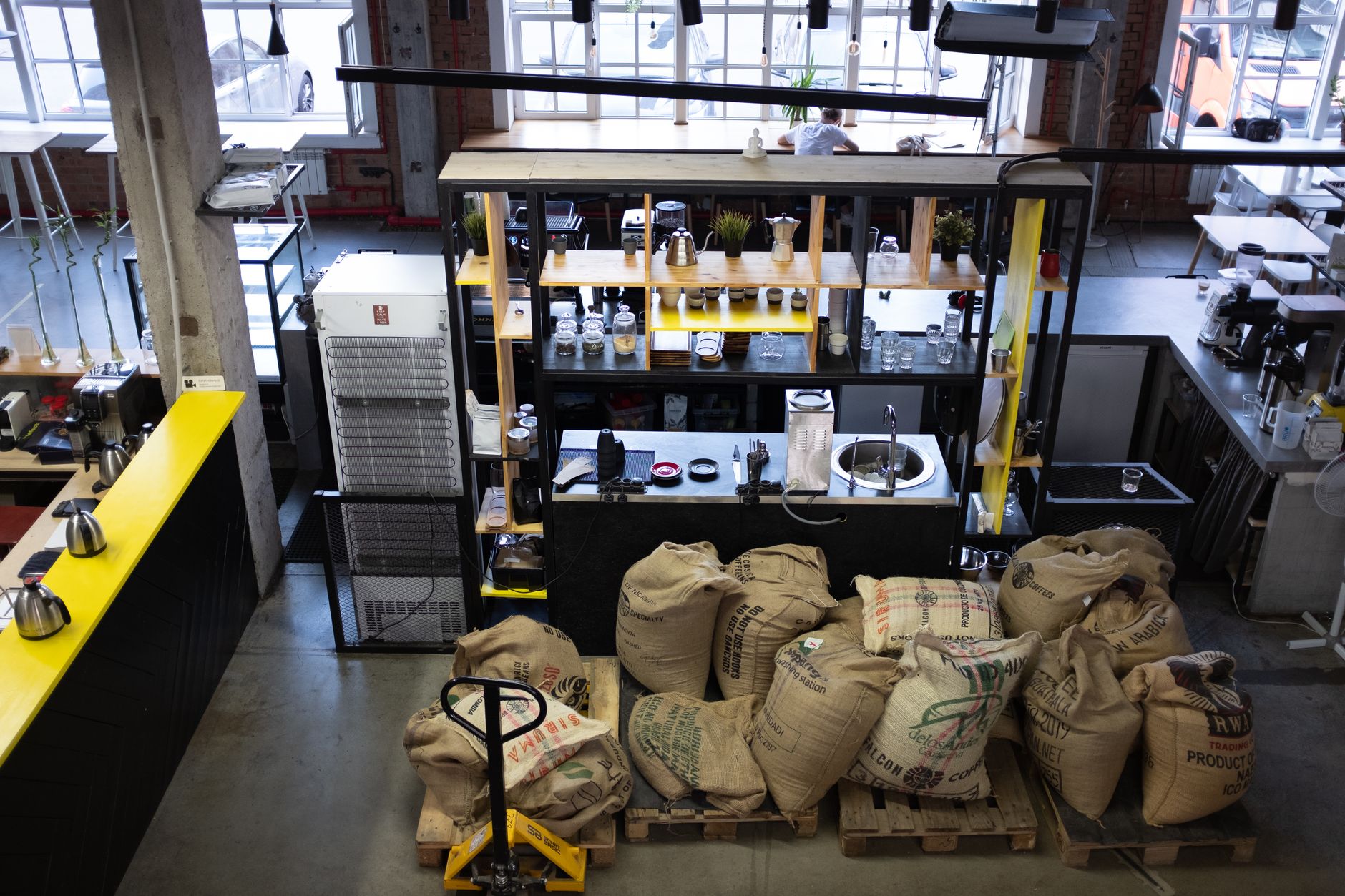
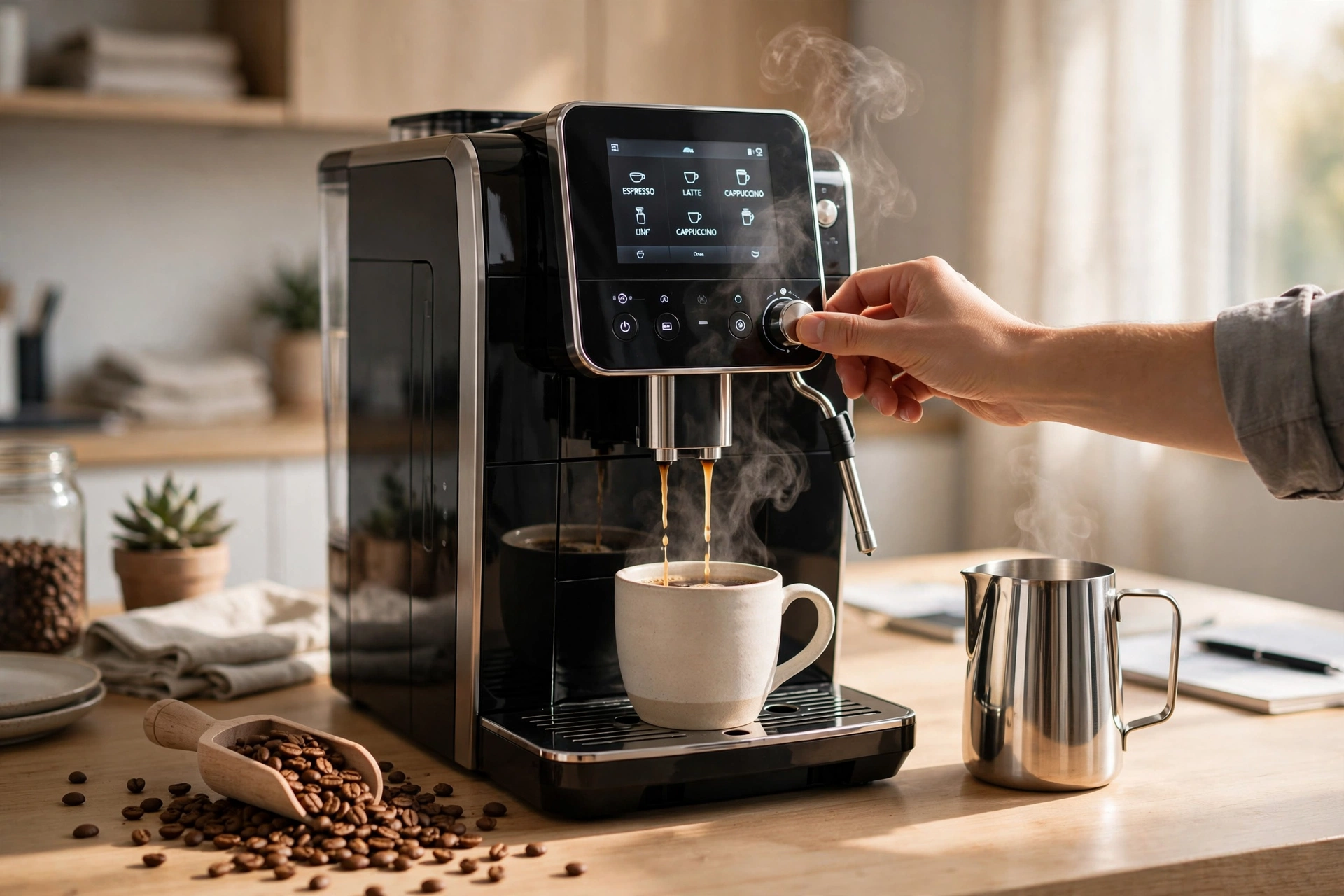
If you run a hotel, restaurant, café, or any foodservice business, you already know that coffee isn't just a beverage—it's an experience. But have you ever stopped to think about the supply chain behind those perfect cups? The specialty coffee bean supply chain is complex, and getting it wrong can cost you customers and margin. In my years working with coffee businesses, I've seen too many operators treat coffee as a commodity instead of a strategic asset. That's why I wrote this guide: to help you navigate specialty coffee bean supply like a pro.
For a complete overview of building a coffee program, check out our Ultimate Guide to Specialty Coffee Bean Supply for Businesses.
What Is a Specialty Coffee Bean Supply?
📚
Definition
Specialty coffee bean supply refers to the system of sourcing, purchasing, storing, and delivering high-grade coffee beans (scoring 80+ points on the Specialty Coffee Association scale) to businesses. It includes relationships with growers, importers, roasters, and distributors, as well as inventory management and quality control.
In essence, it's about bringing the best beans from farm to cup. Unlike commercial-grade coffee, specialty beans are grown in specific microclimates, processed with care, and often traceable to a single origin. For businesses, this means more than just better taste—it means a story to tell your customers.
The Specialty Coffee Supply Chain
Let's break it down. The supply chain typically involves:
- Producers (farmers): They grow and harvest the cherries. Many belong to cooperatives.
- Millers and exporters: They process the beans (washed, natural, honey) and prepare for shipping.
- Importers: They buy from origin and sell to roasters. Some specialize in direct trade.
- Roasters: This is where the magic happens. Roasting develops flavor. Roasters can be local or national.
- Distributors: They get finished coffee to businesses. This could be the roaster themselves or a third party.
- Your business: You prepare and serve.
Each step affects quality. For example, beans left in a hot warehouse for months lose their volatile flavor compounds. That's why managing your supply chain matters.
💡
Key Takeaway
A short, transparent supply chain—with traceability from farm to cup—gives you control over quality and allows you to market the story behind your coffee.
If you want to dive deeper into sourcing, see our guide on Sourcing Specialty Coffee Beans for Restaurants.
Why Specialty Coffee Bean Supply Matters for Your Business
You might be thinking, "I can just buy from a wholesaler and be done." But that approach misses the point. Here's why supply strategy is critical:
1. Consistency Builds Loyalty
Customers come back for a consistent experience. If your coffee tastes different every week, they'll notice. According to a study by the National Coffee Association, 62% of coffee drinkers say they'd visit a café less often if the quality was inconsistent. A reliable supply chain ensures you always have fresh, properly stored beans from a trusted roaster.
2. Cost Control
Specialty coffee is premium—you pay more per pound. But that doesn't mean you can't manage costs. By negotiating contracts, buying in bulk, and reducing waste, you can achieve a better margin. McKinsey's 2023 report on foodservice margins highlights that businesses with strategic sourcing see 8-12% lower food costs over time.
3. Differentiation and Branding
Specialty coffee tells a story. "Our beans come from a single farm in Ethiopia's Yirgacheffe region" sells better than "house blend." It signals quality and care. A well-managed supply chain allows you to offer limited-edition lots, seasonal offerings, and direct-trade creds.
4. Sustainability and Ethics
Today's consumers care about where their food comes from. A 2024 study by the Specialty Coffee Association found that 71% of coffee drinkers are willing to pay more for sustainably sourced coffee. A transparent supply chain lets you prove your ethical sourcing.
For more on ethical sourcing, read Sustainable Specialty Coffee Beans for Ethical Sourcing.
How to Build an Effective Specialty Coffee Bean Supply Strategy
Now let's get practical. Here's a step-by-step approach to managing your specialty coffee bean supply.
Step 1: Assess Your Volume and Needs
Before you call any supplier, know your numbers. How many cups do you serve per day? What's your peak season? Do you need decaf? Single-origin or blends? A café doing 200 cups/day needs a different supply plan than a hotel with breakfast buffet and room service.
Step 2: Find the Right Suppliers
Not all roasters are the same. Look for:
- Quality consistency: Ask for recent cupping scores.
- Traceability: Can they tell you the farm and harvest date?
- Logistics: Do they deliver on a schedule that works for you?
- Minimums: Some require large orders; others are flexible.
Pro tip: Build relationships with 2-3 suppliers to avoid disruption. Relying on one is risky.
Step 3: Establish Quality Standards
Set a baseline: expect fresh beans (within 2-4 weeks of roast), proper packaging with degassing valves, and storage specifications. Train your staff to check these on arrival.
Step 4: Manage Inventory
Freshness is everything. Use a first-in, first-out (FIFO) system. Don't overstock; order frequently. A good rule of thumb: keep no more than a two-week supply on hand. Store beans in a cool, dark, dry place—not in the fridge or freezer.
Step 5: Build a Partnership
The best relationships go beyond transactions. Share your feedback with the roaster. Visit the roastery if possible. Some roasters offer training for your staff, which improves the final cup.
💡
Key Takeaway
Treat your coffee supplier as a partner, not a vendor. Mutual investment leads to better quality and service.
Common Mistakes in Specialty Coffee Bean Supply
Even seasoned operators slip up. Here are the most common pitfalls:
Mistake 1: Focusing Only on Price
Specialty coffee is not a commodity. If you choose the cheapest option, you'll likely sacrifice quality. Customers will taste the difference. Instead, evaluate total value: quality, service, and consistency.
Mistake 2: Poor Storage
I've seen beans stored in hot kitchens, near spices, or in the freezer. All these degrade flavor quickly. Invest in airtight containers and a cool pantry.
Mistake 3: Ordering Too Much or Too Little
Running out of coffee is a disaster. But overstocking leads to stale beans. Calculate your average consumption and set reorder points.
Mistake 4: Not Having a Backup Plan
What if your roaster runs out, or there's a shipping delay? Always have an alternative supplier vetted and ready.
If you want to avoid these mistakes, consider a managed coffee service like Busy Bean Coffee. We handle supply chain, equipment, and maintenance for one predictable fee. Learn more about our Managed Coffee Solutions for Clinics or our Office Managed Coffee Service.
Frequently Asked Questions
What is the typical lead time for specialty coffee bean orders?
Lead time depends on the supplier. Local roasters can often deliver in 2-3 business days. National distributors may take 5-7 days. Imported greens can take weeks. Always build in a buffer of at least one week to avoid stockouts.
How do I know if my specialty coffee beans are fresh?
Check the roast date on the bag. Specialty coffee is best consumed between 3 days and 4 weeks after roasting. Beans that are oily or smell flat are likely stale. You can also ask the supplier for a guaranteed freshness window.
Should I buy whole bean or pre-ground?
Always buy whole bean if possible. Grinding just before brewing preserves flavor compounds. Pre-ground coffee loses aroma within minutes. Invest in a good grinder—your customers will notice the difference.
How much specialty coffee should I order per month?
Calculate based on your average daily cups. A general guideline: one pound of whole bean coffee yields approximately 30-35 cups (using 10g per cup). So if you serve 100 cups/day, you'll need about 90 pounds per month. Adjust for waste and seasonal demand.
What's the difference between direct trade and fair trade?
Direct trade means the roaster buys directly from the producer, often paying above fair trade prices and building a relationship. Fair trade is a certification that guarantees a minimum price and some social standards. Direct trade usually offers higher quality and more transparency, but may not be certified. Both are ethical options.
Can I negotiate prices with specialty coffee suppliers?
Yes, especially if you commit to volume or a long-term contract. Many roasters offer tiered pricing. However, don't expect huge discounts; specialty coffee margins are thin. Focus on value-added services like training, free samples, or flexible delivery.
What certifications should I look for in specialty coffee beans?
Common certifications include Organic, Fair Trade, Rainforest Alliance, and Bird Friendly. Each has different standards. For specialty coffee, the most important is traceability—certifications are secondary if you know the source and quality.
How do I switch specialty coffee suppliers without disrupting my business?
Plan the transition during a slower period. Order a trial batch from the new supplier and test it with your staff and customers. When you're satisfied, align the first delivery from the new supplier with the last order from the old one. Communicate the change to your team and educate them about the new product.
Conclusion
Specialty coffee bean supply doesn't have to be a headache. By understanding the chain, building strong relationships, and avoiding common pitfalls, you can serve exceptional coffee that keeps customers coming back. Remember, consistency and freshness are non-negotiable.
For a deeper dive, revisit our Ultimate Guide to Specialty Coffee Bean Supply for Businesses. If you're ready to simplify your entire coffee program—from sourcing to equipment to maintenance—consider Busy Bean Coffee. We take care of everything so you can focus on your business. Visit Busy Bean Coffee to learn more.
About the Author
Travis Estes is the CEO & Founder of Busy Bean Coffee. With over a decade in specialty coffee, he has helped hundreds of businesses streamline their coffee service and delight their customers.
Free Coffee Pairing Guide & Specialty Roast Cheat Sheet
Unlock the secrets of perfect brewing ratios, water temperatures, and specialty roast profiles. Download the guide.