📖This article is part of the complete guide to Ultimate Guide to Business Coffee Programs.
Average restaurant profit margins are notoriously thin, often hovering between 3% and 5%. However, the beverage category—specifically coffee—represents one of the few areas where a restaurant can achieve a 70% to 90% gross margin if executed correctly. I have seen countless restaurant owners treat coffee as a secondary afterthought, using outdated brewers and cheap beans, only to wonder why their guests leave without ordering a drink or, worse, complain about the quality. In my experience working with high-volume eateries, the difference between a cost center and a profit center is simply the transition from a manual setup to a professionally managed program.
For a comprehensive overview of how to structure these systems, explore our Ultimate Guide to Business Coffee Programs.
What Are Profitable Restaurant Coffee Programs?
📚
Definition
Profitable restaurant coffee programs are strategic beverage frameworks that integrate high-quality specialty coffee, precision equipment, and waste-management protocols to maximize the per-cup margin while maintaining high guest satisfaction scores.
Profitable restaurant coffee programs are not about selling the most expensive beans; they are about optimizing the intersection of cost, speed, and quality. A truly profitable program ensures that every gram of Coffea arabica used is accounted for and that the equipment used is calibrated to extract the maximum flavor from every roast. When a restaurant implements a managed system, they move away from the 'buy-and-hope' model—where you buy a machine and hope it doesn't break—to a predictable membership model that includes maintenance and consistent bean supply.
In 2026, the definition of profitability has expanded to include 'operational efficiency.' If a barista spends ten minutes a shift troubleshooting a leaking steam wand or recalibrating a grinder, those labor costs eat into the coffee margin. According to the Specialty Coffee Association (SCA), precision in brewing temperature and grind size is fundamental to quality consistency, which in turn drives repeat business and higher average check sizes. When coffee is consistent, guests trust the brand, and the restaurant can price the beverage as a premium product rather than a commodity.
Why Does Coffee Profitability Matter for Your Restaurant?
Coffee profitability matters because the beverage program is the most effective way to increase the Average Check Value (ACV) without significantly increasing labor costs. While a steak or a pasta dish has high food costs (COGS) and requires significant prep time, a cup of specialty coffee requires minimal labor once the system is dialed in. By shifting focus toward a high-margin coffee program, restaurants can offset the rising costs of proteins and produce.
One of the primary drivers of this profitability is the reduction of waste. In a non-managed environment, it is common for restaurants to brew large pots of coffee that sit on a hot plate for hours, leading to oxidation and bitterness. This leads to 'pour-out' waste, where 20% to 30% of brewed coffee is dumped. By utilizing a managed coffee service, restaurants can implement on-demand brewing or precision timers that ensure freshness and eliminate waste. For those operating in specific hubs, such as those utilizing Sensa Coffee Service in Charlotte, NC, the integration of professional equipment reduces these losses significantly.
Furthermore, the psychological impact on the guest is immense. A guest who enjoys a premium espresso at the end of a meal is more likely to perceive the entire dining experience as 'high-end.' This allows the restaurant to maintain premium pricing across the menu. Research from the National Coffee Association USA (NCA) indicates that a significant percentage of consumers now prioritize specialty coffee over generic options, meaning they are willing to pay a premium for a cup that tastes like it came from a third-wave cafe.
From a financial perspective, the shift from Capital Expenditure (CapEx) to Operational Expenditure (OpEx) is a game-changer. Instead of dropping $15,000 on a high-end espresso machine that depreciates the moment it hits the counter, a managed membership allows the restaurant to access top-tier equipment for a predictable monthly fee. This preserves cash flow for other critical areas of the business, such as marketing or kitchen upgrades, while still providing the tools necessary to run a profitable program.
How to Implement a Profitable Coffee Strategy Step-by-Step
Implementing a profitable program requires a shift from 'selling coffee' to 'managing a beverage system.' The first step is a comprehensive audit of your current COGS. You must know exactly how much each cup costs—including the bean, the milk, the cup, and the lid. If you cannot account for these variables, you are not running a program; you are guessing. Once the baseline is established, you can begin the optimization process.
First, upgrade your equipment to professional-grade standards. Using a domestic-grade machine in a commercial environment is a recipe for failure. You need an espresso machine and grinder capable of handling peak-hour volume without temperature fluctuations. If you are unsure where to start, our guide on how to choose commercial coffee machines provides the technical benchmarks needed to avoid costly mistakes.
Second, standardize your recipes. Profitability dies in the 'splash' of extra milk or the over-dosed espresso portafilter. I've seen restaurants lose thousands of dollars a year simply because baristas were using 22 grams of coffee per shot instead of the specified 18 grams. Training your staff on precision weighing and timing is essential. This is where the role of a professional barista or a managed service provider becomes vital, as they provide the training and calibration necessary to maintain these margins.
Third, optimize your menu pricing. Many restaurants underprice their coffee because they view it as a 'side' item. However, if you are serving specialty coffee, you should price it based on the value it provides. Create a tiered menu: a standard drip for the budget-conscious and a premium espresso-based menu for the connoisseurs. This captures a wider range of customer segments and increases the overall profit per guest. For businesses looking for scalability, looking into Sensa Coffee Service in Raleigh NC (2026 Overview) can provide a roadmap for regional expansion.
Finally, implement a rigorous maintenance schedule. A dirty machine doesn't just taste bad; it works harder, consumes more energy, and breaks down more often. Regular descaling and group-head cleaning prevent the catastrophic failures that lead to lost revenue during a busy Sunday brunch. A managed service ensures this happens automatically, removing the burden from your already stressed kitchen staff.
Comparing Coffee Program Approaches
To understand why a managed professional approach wins, we must look at the three common ways restaurants handle their coffee.
| Feature | Traditional Manual Approach | Cheap AI/Generic Approach | Busy Bean Modern Approach |
|---|---|---|---|
| Equipment | Old, depreciated machines | Budget-tier 'commercial' units | Premium SENSA Equipment |
| Consistency | Varies by staff member | Mediocre and repetitive | Q-Grader calibrated precision |
| Waste | High (batch brew waste) | Moderate (poor training) | Minimal (on-demand systems) |
| Financials | Heavy upfront CapEx | Hidden repair costs | Predictable monthly OpEx |
| Support | Call a technician and wait | Online forums/Generic help | All-inclusive managed support |
As the table shows, the traditional approach is risky and expensive, while the generic approach provides an illusion of efficiency without actual quality. The modern approach, such as the one we provide at Busy Bean Coffee, treats coffee as a managed utility—ensuring that the equipment always works and the quality always meets specialty standards.
Common Mistakes That Kill Coffee Profits
One of the most frequent mistakes I see is the 'Equipment Trap.' This happens when a restaurant owner buys the most expensive machine they can find, thinking that the hardware alone creates the profit. Hardware is just a tool; the profit is in the process. A $20,000 machine used by an untrained employee with low-quality beans will produce a mediocre cup and waste a fortune in electricity and water. The focus must be on the synergy between the bean, the machine, and the person operating it.
Another critical error is ignoring the 'Milk Leak.' In many restaurants, milk waste is actually higher than coffee waste. Baristas often steam more milk than needed for a latte, pouring the excess down the drain. Over a year, this 'small' mistake can cost a high-volume restaurant thousands of dollars. Implementing strict steaming protocols and using precise pitchers is the only way to plug this leak. This is a core component of the managed coffee service for restaurants we implement, where we train staff on exact volume measurements.
Underestimating the impact of water quality is also a common pitfall. Coffee is 98% water. If your water is too hard, it will leave mineral deposits (scale) in your machine, ruining the flavor and destroying the heating elements. If it's too soft, the coffee will taste flat. According to NSF International, adhering to strict sanitation and filtration standards for food equipment is the only way to ensure longevity and food safety. Investing in a high-quality filtration system is not an option; it is a requirement for profitability.
Lastly, many restaurants fail to track their 'Coffee-to-Guest' ratio. If you have 500 guests a day but only 50 coffee orders, your program isn't a profit center—it's an ornament. You need to train your servers to suggest coffee at the right moment. The 'Can I get you a coffee with that dessert?' prompt is a simple yet powerful way to increase the attach rate and boost your daily margins. For those expanding their reach, implementing these strategies across multiple locations, such as through Sensa Coffee Service in Savannah GA - Complete Guide, allows for centralized quality control.
Frequently Asked Questions
How can I tell if my coffee program is actually profitable?
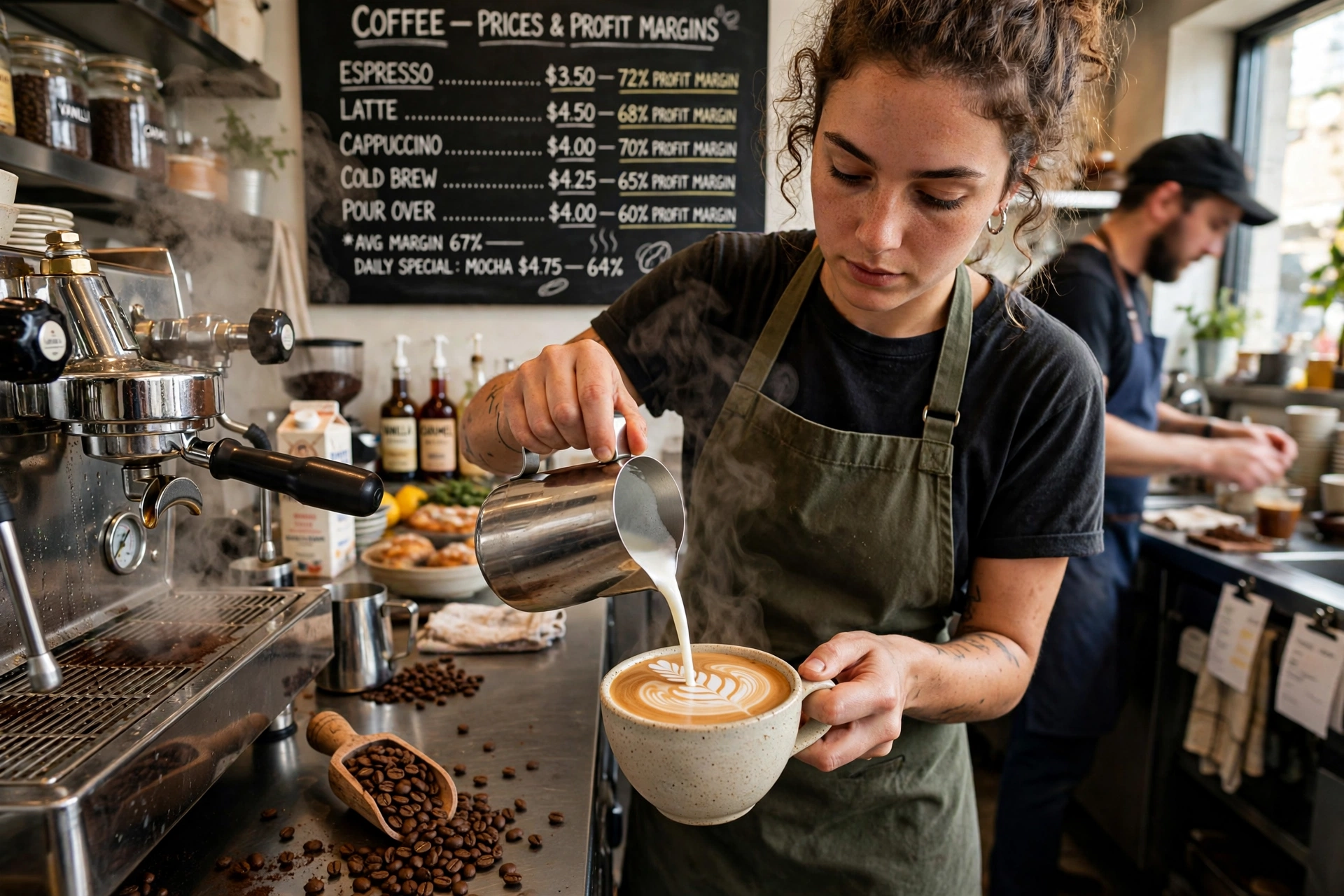
To determine profitability, you must calculate your Gross Profit Margin per cup. Subtract the cost of the coffee beans, milk, and disposable packaging from the retail price of the drink. A profitable program should maintain a margin of at least 70%. If your margin is lower, you likely have an issue with either pricing (too low) or waste (too high). Tracking your daily 'pour-out' and comparing it to your total sales will reveal where the leaks are occurring. If you see a significant gap, it is time to move from a manual system to a managed one.
Is it better to buy an espresso machine or use a membership model?
For most restaurants, the membership model is financially superior. Buying a machine requires a large upfront capital investment (CapEx) and leaves you responsible for all maintenance. When a pump fails on a Saturday night, you lose revenue for every hour the machine is down. With a managed membership, the equipment is included in a monthly fee (OpEx), and maintenance is proactive. This ensures maximum uptime and allows you to upgrade to newer technology without another massive investment, making your cash flow much more predictable.
How does specialty coffee increase my restaurant's average check?
Specialty coffee allows you to move away from 'commodity pricing.' When you serve a generic brew, guests expect it to be cheap. When you serve a certified specialty roast with a clear origin and tasting notes, you are selling an experience. This justifies a premium price point. Additionally, high-quality coffee encourages guests to stay longer and potentially order a dessert or another beverage. By positioning coffee as a destination item rather than a convenience, you naturally increase the amount each guest spends.
How much waste is considered 'normal' in a restaurant coffee program?
In a traditional batch-brew environment, waste of 15% to 25% is common, but it is not acceptable for a profitable program. A high-performance program aims for under 5% waste. This is achieved by using precision brewers that only brew what is needed or by implementing a strict rotation schedule for pots. Using a managed service helps achieve this because the equipment is calibrated for the specific volume of your business, ensuring you aren't brewing 2 gallons of coffee for a slow Tuesday afternoon.
Do I need a certified barista to make my coffee program profitable?
While you don't need a world-champion barista, you do need 'barista-level' training for your staff. Profitability depends on consistency; if one employee makes a great latte and another makes a bitter one, you will lose customers. Training your staff on grind adjustment, tamping technique, and milk aeration ensures that every cup is identical. A managed coffee service typically includes this training, removing the need for you to hire an expensive full-time specialist while still getting the professional results.
Conclusion
Turning a restaurant's coffee program into a profit center is not about a single 'magic' piece of equipment; it is about the systematic elimination of waste and the elevation of quality. By shifting from a fragmented, manual approach to a managed membership, you can stop the bleed of wasted beans and broken machines while simultaneously increasing your average check. The data is clear: when you treat coffee as a high-margin product rather than a utility, your bottom line improves.
Whether you are operating a boutique bistro or a high-volume eatery, the goal remains the same: precision, consistency, and predictability. If you are ready to stop guessing and start growing your margins, we invite you to explore our comprehensive Ultimate Guide to Business Coffee Programs to see how a managed approach fits into your broader business strategy.
To get started with a custom-tailored coffee solution that eliminates CapEx and maximizes ROI, visit us at www.busybeancoffee.com.
Free Coffee Pairing Guide & Specialty Roast Cheat Sheet
Unlock the secrets of perfect brewing ratios, water temperatures, and specialty roast profiles. Download the guide.