How Much Does Premium Coffee Service Cost?
For most foodservice operators, the actual cost of a premium coffee service isn't a single number, but a calculation of monthly operational expenses versus the capital expenditure of owning equipment. In my experience working with hundreds of hotels and cafes, the most sustainable models range from $400 to $1,200 per month for managed memberships, which typically bundle high-end espresso machines, professional installation, and a consistent supply of specialty coffee beans. By shifting from a "buy-and-maintain" model to an all-inclusive managed service, businesses eliminate the sudden $15,000 hit of a new SENSA machine and instead lock in a predictable monthly fee that covers everything from maintenance to roast quality.

What Exactly Defines a Premium Coffee Service?
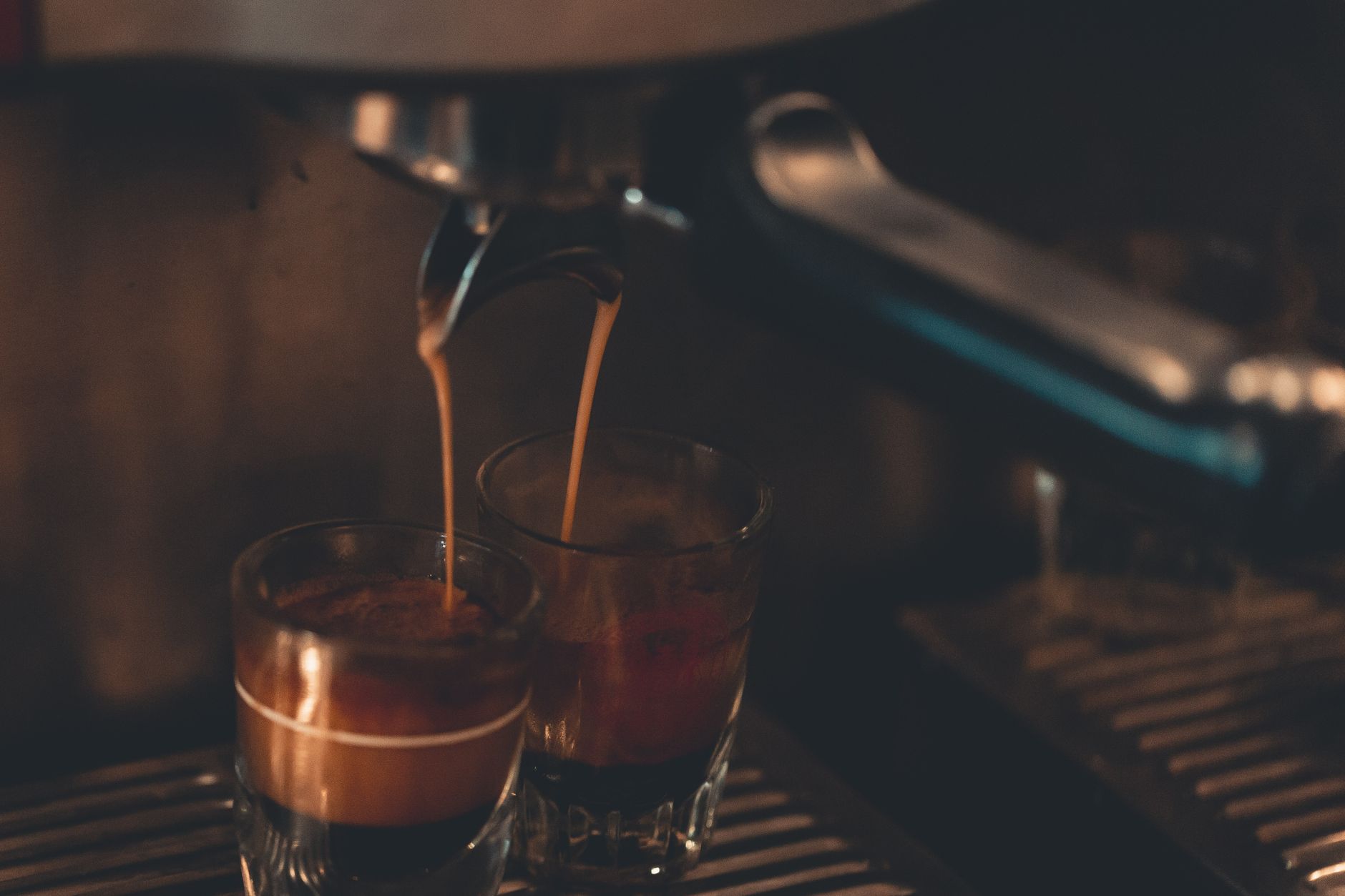
When we talk about a premium coffee service, we aren't referring to a basic drip pot or a consumer-grade pod machine. We are talking about a comprehensive ecosystem designed for high-volume, high-quality output.
📚
Definition
A premium coffee service is an end-to-end beverage solution that integrates commercial-grade hardware (espresso machines, grinders), a consistent supply of specialty-grade coffee beans, and professional technical support to ensure beverage quality remains constant.
To understand the cost, you have to understand the components. First, there is the hardware. A professional-grade espresso machine is an engineering marvel designed to maintain precise temperature and pressure. Second, there is the raw material. Unlike commodity coffee, specialty coffee is graded on a scale by certified professionals to ensure a score of 80 points or higher. Finally, there is the service layer, the calibration, the cleaning, and the emergency repairs.
The cost fluctuates based on your volume. A boutique hotel with 50 rooms has vastly different needs than a 200-seat restaurant. However, the "premium" aspect implies that the coffee is sourced from Coffea arabica and roasted specifically to highlight the origin's profile. According to the Specialty Coffee Association (SCA), the standards for specialty coffee require rigorous adherence to brewing ratios and water chemistry, which means the "cost" of the service also includes the expertise required to keep the equipment calibrated. If your machine is off by two degrees, you aren't serving a premium product; you're serving burnt beans.
Why Does the Investment in Quality Coffee Matter for Your Bottom Line?
The cost of a premium coffee service is often viewed as an expense, but the data shows it is actually a revenue driver. When a guest enters a hotel or a customer visits a cafe, the coffee is often the first sensory touchpoint. A poor experience here creates a "halo effect" of perceived low quality across your entire menu.
The financial implications are concrete. High-quality coffee allows for premium pricing. While a standard cup of coffee might sell for $2.50, a specialty latte using a premium coffee service can easily command $6.00 to $8.00. This represents a massive increase in the average transaction value. Furthermore, the operational risk of "down-time" is a hidden cost. If a self-managed machine breaks on a Saturday morning, the loss in revenue isn't just the cost of the repair; it's the total lost sales for that window of time.
Research from the National Coffee Association USA (NCA) indicates that consumer demand for "specialty" and "premium" experiences is continuing to grow, with a significant shift toward origin-transparency and roast quality. This means that failing to provide a premium experience isn't just a missed opportunity; it's a competitive disadvantage. In my experience, businesses that upgrade to a managed premium service see an average increase in beverage attachment rates (the percentage of food orders that include a drink) by 15% to 25% because the quality becomes a talking point for the staff.
How to Implement a Premium Coffee Service Without Breaking the Bank
The mistake I made early on, and that I see constantly with new business owners, is the temptation to buy a "mid-range" machine to save money. This is the most expensive mistake you can make. Mid-range machines lack the thermal stability of commercial units and the durability to handle 100+ cups a day, meaning they break down exactly when you are busiest.
The most efficient way to implement a premium coffee service is through a managed membership model, like the one we provide at Busy Bean Coffee. Instead of paying $20,000 upfront for equipment and $2,000 a year for a technician, you enter a partnership.
Here is the step-by-step implementation process:
- Volume Audit: Calculate your peak hour volume. How many drinks are being made between 7 AM and 10 AM? This determines whether you need a single-group or multi-group machine.
- Water Filtration Setup: You cannot have a premium service without premium water. Scaling is the #1 killer of espresso machines. A professional service ensures that NSF-certified filtration is installed.
- Staff Training: A $20,000 machine is useless if the barista doesn't know how to dial in the grind. Proper training reduces waste (discarded shots) by up to 30%.
- Consistent Sourcing: Establish a recurring delivery of fresh-roasted beans. Coffee begins to lose its peak flavor 2-4 weeks after roasting; a managed service ensures you are always in that window.
- Preventative Maintenance: Transition from "reactive" repairs (fixing it when it breaks) to "preventative" care (changing gaskets and seals every six months).
💡
Key Takeaway
The most cost-effective way to enter the specialty coffee market is to move the cost from a Capital Expenditure (CapEx) to an Operational Expenditure (OpEx) via a managed monthly membership.

Comparing Your Coffee Service Options
When deciding how much to spend, you generally have three paths. Most operators choose the middle path and regret it because it offers the worst of both worlds: the high cost of ownership without the quality of a professional managed service.
| Feature | Traditional "Buy it Yourself" | Generic/Budget Coffee Service | Busy Bean Managed Service |
|---|---|---|---|
| Upfront Cost | Very High ($10k - $30k) | Low to Moderate | Zero to Low |
| Maintenance | Your responsibility (Expensive) | Slow, basic support | Included / Proactive |
| Bean Quality | Variable (depends on supplier) | Commodity / Stale | SCA Specialty Grade |
| Predictability | Unpredictable (Repair spikes) | Monthly fee, low value | Fixed Monthly Membership |
| Best For | Extremely high-volume hubs | Low-traffic breakrooms | Hotels, Cafes, Restaurants |
Now, here is where it gets interesting: the "Budget" options often hide their costs in the beans. They give you a "free" machine but charge you 3x the market rate for low-quality coffee. This is a predatory model. A true premium coffee service, like those we build at Busy Bean Coffee, focuses on the value of the total beverage experience, ensuring the equipment is top-tier and the beans are genuinely specialty-grade.
Common Misconceptions About Coffee Service Costs
Most guides on coffee costs get this wrong: they focus on the price of the bean per pound. While the cost of the coffee bean is important, it is a tiny fraction of your total cost of goods sold (COGS). The real cost is in the waste and the inefficiency of the equipment.
Myth 1: "I can just buy a high-end home machine for my small cafe."
This is a recipe for disaster. Home machines are not designed for "back-to-back" shots. They lack the boiler capacity to steam milk and pull a shot simultaneously without a significant drop in temperature. According to NSF International, commercial equipment must meet specific sanitation and durability standards (NSF/ANSI 4) that home machines simply don't have. The cost of replacing a blown-out home pump every six months far exceeds the cost of a managed professional service.
Myth 2: "Premium coffee is too expensive for the average customer."
Actually, the opposite is true. Modern consumers are increasingly willing to pay a premium for quality. The "Third Wave" of coffee has educated the public on the difference between burnt commodity coffee and a nuanced specialty coffee experience. When you serve a high-quality roast, you aren't just selling caffeine; you're selling a luxury experience.
Myth 3: "Maintenance is just a yearly check-up."
In the world of high-pressure espresso, maintenance is a daily and weekly discipline. Backflushing the group heads, cleaning the steam wands, and checking the water hardness are essential tasks. A managed service removes this burden from your staff, who are often too busy to do it correctly, thereby extending the life of the equipment by years.
Frequently Asked Questions
How much should I budget monthly for a professional coffee service?
For a mid-sized foodservice operation, a realistic budget for a premium coffee service ranges between $400 and $1,200 per month. This figure typically includes the lease or membership fee for the equipment, the cost of the specialty beans, and ongoing technical support. The variance depends on your monthly volume of cups and the complexity of the equipment. If you are running a high-volume hotel lobby, you will be on the higher end of that spectrum due to the increased wear on the machines and the volume of beans required.
Is it cheaper to buy an espresso machine or use a managed service?
While buying a machine removes the monthly membership fee, it introduces massive upfront costs and unpredictable maintenance expenses. A high-end commercial machine can cost upwards of $15,000. When you factor in the cost of professional installation, water filtration systems, and the inevitable repair bills, the "cheaper" option often becomes a financial liability. A managed service converts these volatile costs into a predictable monthly line item, which is far better for cash flow and tax purposes (as it is an operational expense).
How does the quality of the coffee bean affect the overall service cost?
The quality of the bean affects your margins and your pricing power. Commodity coffee is cheap, but it requires a higher volume of sales to make a profit because you cannot charge a premium for it. Specialty coffee, which is sourced from high-altitude Coffea arabica plants and roasted with precision, allows you to increase the price per cup significantly. While the cost per pound is higher, the profit margin per cup is typically much higher because the perceived value to the customer is exponentially greater.
What happens if the equipment breaks down in a managed service?
This is where the value of a premium coffee service truly shines. In a self-managed setup, a broken machine means you are out of business until a technician arrives, which could take days. In a managed membership, such as those provided by Busy Bean Coffee, professional maintenance is built into the agreement. This typically includes rapid-response repair windows and preventative maintenance schedules that catch problems before they cause a total system failure, ensuring your revenue stream remains uninterrupted.
Do I need a trained barista to make a premium coffee service work?
While you don't need a world-champion barista, you do need staff who understand the basics of "dialing in" the coffee. A premium service is only as good as the person operating the machine. Most professional services include initial training and ongoing support to ensure your team knows how to maintain the correct grind size and milk texture. Without this, you are paying for premium equipment but delivering a mediocre product, which wastes the investment.
Final Thoughts on Premium Coffee Service
Investing in a premium coffee service is not about the luxury of a better cup of coffee; it is a strategic business decision to increase your average transaction value and eliminate operational volatility. Whether you are managing a boutique hotel in Mount Pleasant or a busy restaurant in the heart of the city, the transition from "buying a machine" to "investing in a service" is the key to scaling your beverage program.
The cost of a premium coffee service is a reflection of the quality, reliability, and expertise you are bringing into your business. When you remove the stress of maintenance and the risk of equipment failure, you can focus on what actually matters: the guest experience and your bottom line.
If you're ready to stop worrying about broken machines and start serving world-class coffee, explore the all-inclusive managed solutions at Busy Bean Coffee Blog. We provide the equipment, the beans, and the expertise so you can provide the experience.
Ready to Upgrade Your Business Coffee?
Café-quality coffee, zero maintenance headaches, and one predictable monthly price. Let's build your custom coffee program.
Free Coffee Pairing Guide & Specialty Roast Cheat Sheet
Unlock the secrets of perfect brewing ratios, water temperatures, and specialty roast profiles. Download the guide.