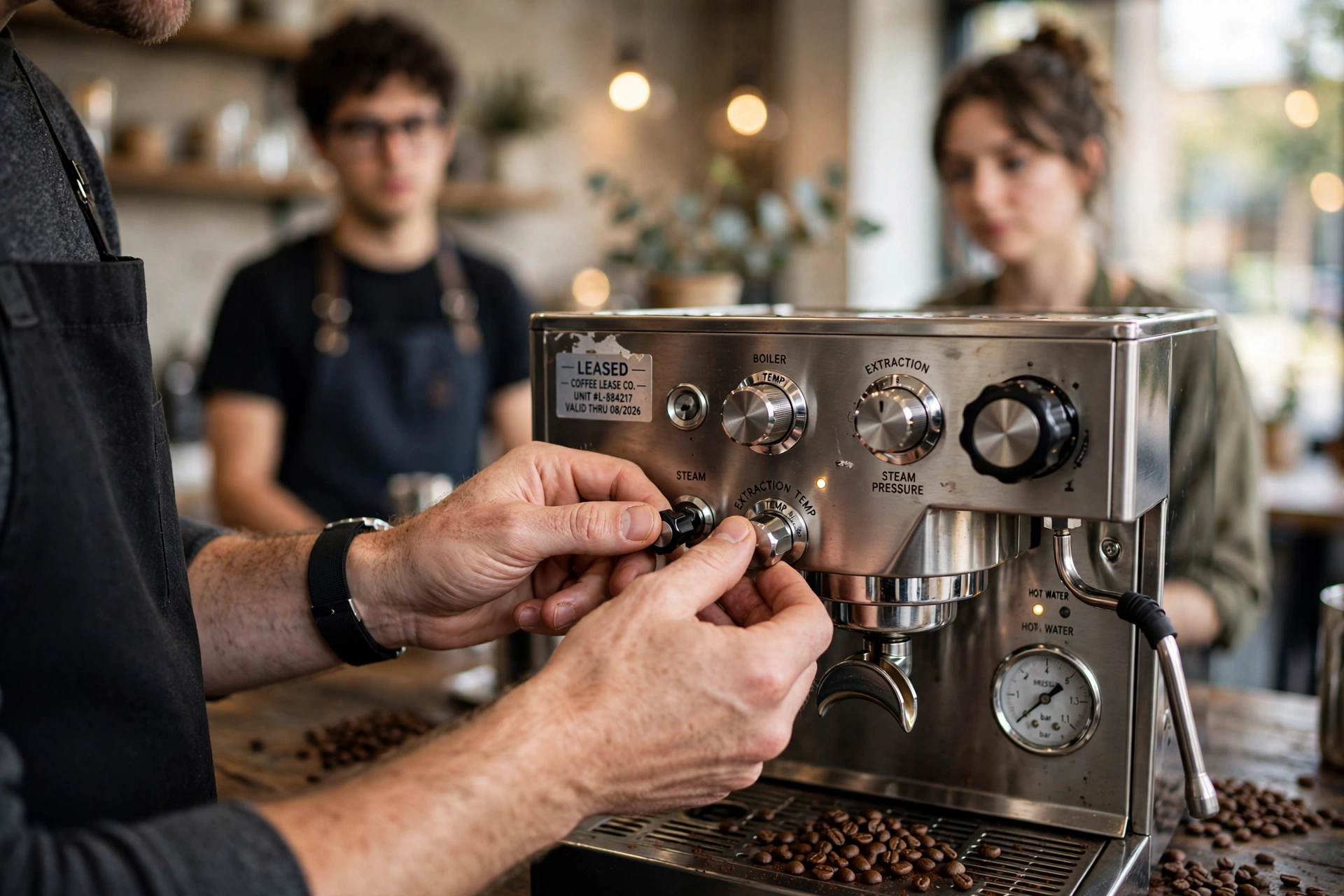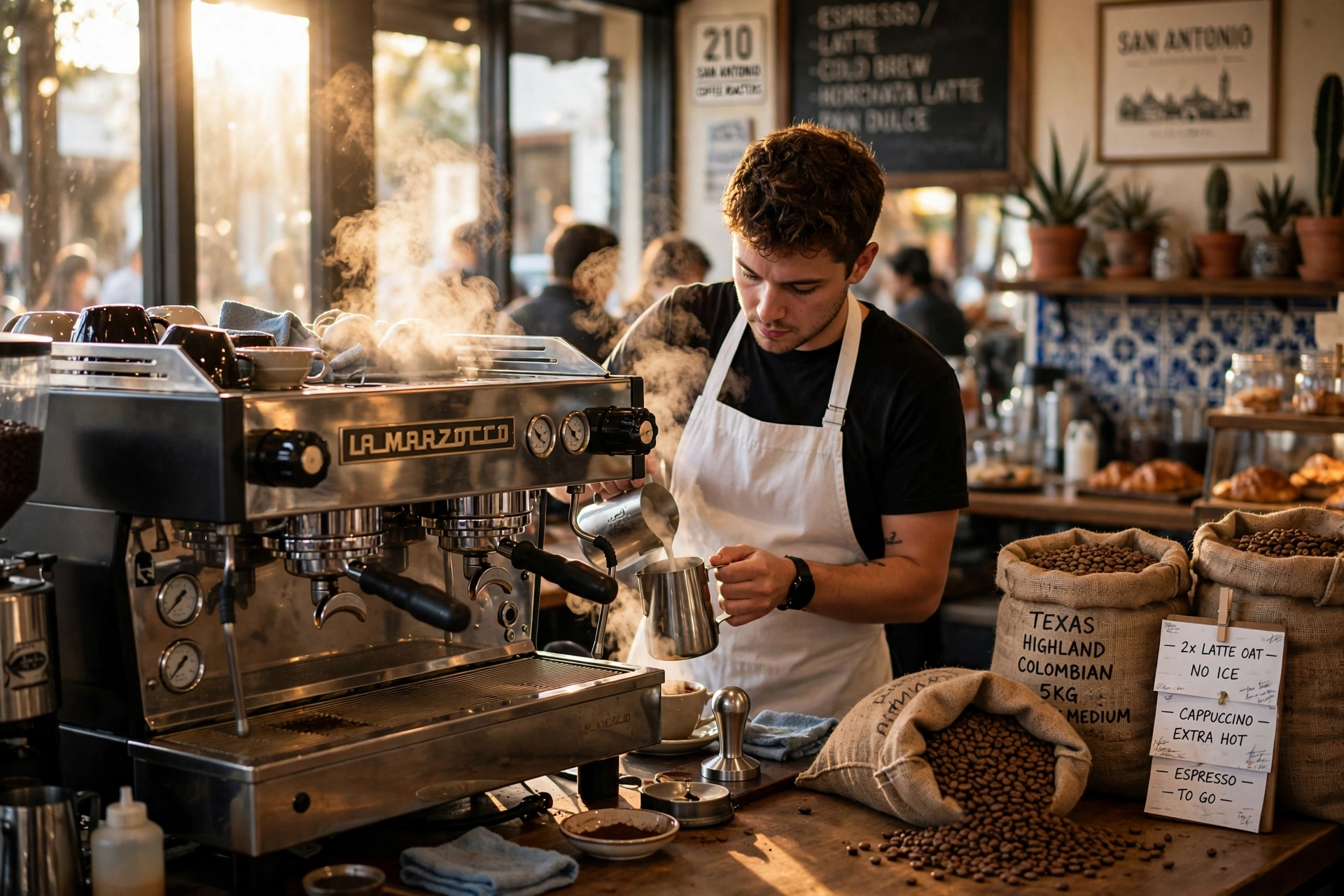
Most hospitality managers in San Antonio struggle with the gap between offering a 'coffee option' and running a profitable beverage center. A professional foodservice coffee program in San Antonio TX is a fully managed ecosystem that combines high-end equipment, specialty coffee beans, and consistent maintenance to turn a basic amenity into a high-margin revenue driver. For businesses in the Alamo City, this means moving away from erratic drip pots and moving toward managed memberships that ensure every cup meets a gold-standard profile without adding stress to the staff.
In my experience working with hospitality groups across the Southeast and major Texas hubs, the biggest mistake is treating coffee as an afterthought. I've seen hotels in the River Walk district lose thousands in potential revenue simply because their equipment was outdated or their staff wasn't trained on extraction. When we design a program at Busy Bean Coffee, we focus on the intersection of speed and quality, ensuring that a guest at a busy breakfast rush gets the same quality as a slow Tuesday afternoon latte.
For those managing smaller operational footprints or satellite offices, looking into the Best Office Espresso Machines for Small Teams in 2026 can provide a baseline for the quality levels required in a professional setting.
Why San Antonio Businesses Are Adopting Managed Foodservice Coffee
San Antonio's unique blend of tourism, military presence, and a burgeoning corporate sector has created a sophisticated consumer base. Today's guest doesn't just want caffeine; they want an experience. According to the Specialty Coffee Association (SCA), the global demand for specialty coffee is shifting toward transparency and precision in brewing. In a city where the competitive landscape of the hospitality industry is fierce, failing to provide a premium beverage experience can lead to lower guest satisfaction scores and decreased loyalty.
Regional data indicates that San Antonio's foodservice sector is seeing a massive shift toward 'all-inclusive' models. The reason is simple: labor shortages. Finding and retaining a skilled barista is difficult and expensive. By adopting a managed foodservice coffee program, businesses shift the burden of equipment maintenance and quality control to experts. This allows the existing staff to focus on hospitality rather than troubleshooting a temperamental espresso machine.
Furthermore, the National Coffee Association USA (NCA) highlights that coffee consumption patterns are evolving, with more consumers opting for specialty brews over traditional drip coffee. This trend is particularly evident in Texas, where the craft coffee movement has influenced expectations even in mid-scale hotels and corporate dining halls. If your current setup involves a standard commercial brewer and generic beans, you are essentially leaving money on the table and risking a negative perception of your brand.

Key Benefits for San Antonio Foodservice Operators
Implementing a professional coffee program is not about buying a machine; it is about optimizing a workflow. When you shift to a managed model, the benefits manifest in three primary areas: financial predictability, operational efficiency, and brand elevation.
Predictable Monthly Overhead
One of the most draining aspects of running a foodservice operation is the unexpected capital expenditure. An espresso machine breakdown during a holiday weekend can cost thousands in emergency repairs and lost sales. A managed program replaces these spikes with a predictable monthly fee. This turns a volatile variable cost into a fixed operational expense, allowing for better budgeting and cash flow management.
Enhanced Guest Experience and Loyalty
Quality coffee is a psychological trigger for guests. A high-quality espresso or a perfectly brewed cup of Arabica coffee signals to the guest that the business cares about detail. This 'halo effect' often extends to other areas of the guest's experience, such as the quality of the room or the attentiveness of the service. By utilizing specialty coffee, defined by the SCA as coffee scoring 80 points or above on a 100-point scale, businesses can differentiate themselves from the generic competition.
📚
Definition
Specialty Coffee refers to the highest grade of coffee, characterized by superior quality, traceability, and a scoring process conducted by certified professionals to ensure a lack of primary defects.
Reduced Staff Friction and Training Time
Modern equipment, like the SENSA systems we provide at Busy Bean Coffee, is designed for consistency. When the machine handles the precision of the grind and the temperature of the water, the barista's role shifts from technical troubleshooting to guest engagement. This reduces the training barrier and prevents the common problem of 'quality drift,' where coffee tastes different depending on who is behind the counter.
💡
Key Takeaway
The primary value of a managed coffee program is the elimination of 'technical debt', you no longer spend time or money fixing machines, but instead focus entirely on the guest experience and profit margins.
Comparison: Coffee Service Models
| Feature | Traditional Purchase | Generic Rental/Cheap AI | Busy Bean Managed Program |
|---|---|---|---|
| Upfront Cost | Very High (CapEx) | Low/Medium | Zero (OpEx) |
| Maintenance | Reactive (You pay for breaks) | Slow/Basic | Proactive & Included |
| Coffee Quality | Variable/Generic | Low (Commercial grade) | Premium Specialty Coffee |
| Staff Training | DIY / Occasional | Minimal | Professional & Continuous |
| Predictability | Low (Unexpected repairs) | Medium | High (Fixed Monthly Fee) |
Real-World Examples from the San Antonio Market
To understand the impact of a professional foodservice coffee program in San Antonio TX, we have to look at the actual numbers. I have worked with several operators who thought their coffee was 'good enough,' only to find that it was actually a bottleneck in their revenue stream.
Case Study 1: The Boutique Hotel Transition
A boutique hotel located near the Pearl District was using a traditional high-volume drip system. While they were serving a lot of coffee, their margins were thin because they were using low-grade beans and charging very little. They transitioned to a Busy Bean managed program featuring specialty espresso and high-end automated brewers.
The Result: By rebranding their coffee service as a 'specialty experience' and increasing the price per cup by 40%, they saw a 22% increase in overall beverage revenue within the first 90 days. More importantly, guest mentions of 'excellent coffee' in online reviews increased by 300%. They stopped worrying about machine downtime because our maintenance team handled everything proactively.
Case Study 2: The Corporate Dining Hall Scale-Up
A large corporate campus in San Antonio was struggling with an outdated office coffee service that resulted in massive waste and constant machine failures. Staff were spending hours every week cleaning old equipment and dealing with leaks. After implementing an automated coffee service, they reduced coffee waste by 15% due to precise dosing and improved brew cycles.
If you are managing a similar environment in other Texas hubs, you might consider how an Automated Coffee Service in Fort Worth TX - Complete Guide | Busy Bean Coffee could streamline your operations similarly, removing the friction of manual preparation while maintaining a high-end output.
How to Get Started with a Professional Coffee Program
Transitioning to a professional foodservice coffee program doesn't have to be an overnight overhaul that disrupts your business. The most successful implementations follow a phased approach that prioritizes the guest's touchpoints first.
Step 1: Audit Your Current Volume and Flow
Before buying equipment, analyze your peak hours. Are your guests waiting too long for a latte? Is the coffee getting cold because the brewer is too slow? Understanding your 'cups per hour' during the 7 AM to 10 AM window is essential for choosing the right equipment scale. In my experience, under-specifying equipment is the fastest way to frustrate both staff and customers.
Step 2: Define Your Quality Tier
Decide if you are providing a complimentary amenity or a revenue-generating product. If it is the latter, you must move toward specialty coffee. Using high-altitude Coffea arabica beans ensures a flavor profile that guests will actually pay for. This is where Busy Bean Coffee excels, providing the bridge between commercial efficiency and artisan quality.
Step 3: Equipment Selection and Installation
Avoid the temptation to buy 'off-the-shelf' consumer machines. Foodservice requires NSF-certified equipment that can handle hundreds of cycles a day without losing temperature stability. NSF International sets the global standard for food equipment safety; ensuring your machines meet these standards is not just about quality, but about health code compliance.
Step 4: Staff Training and Calibration
Even the best machine is useless if the operator doesn't understand the basics of milk frothing or bean dosage. A managed program includes the ongoing training of your baristas. We don't just drop off a machine; we calibrate it to the specific water hardness of San Antonio and train your team to maintain that standard.
For those looking to add a visual 'wow' factor to their beverage program, knowing Where to Buy Latte Art Tools for Foodservice Pros | Busy Bean Coffee can help your staff elevate the presentation of every drink, turning a beverage into a social media-shareable moment.

Common Objections and How to Overcome Them
Many operators hesitate to move to a managed model because they perceive the monthly fee as an unnecessary cost. Here is the reality: most people assume owning the equipment is cheaper, but the data shows otherwise.
Objection 1: 'I can just buy the machine and do it myself.'
This is the most common misconception. When you own the equipment, you own the downtime. If a boiler fails on a Saturday morning, you are paying emergency rates for a technician and losing every single coffee sale until the machine is fixed. In a managed program, the risk is shifted to us. If the machine goes down, we fix it or replace it as part of your membership. The 'ownership' model is actually a liability model.
Objection 2: 'Specialty coffee is too expensive for my margins.'
This is a pricing error, not a cost error. Low-grade coffee is a commodity; you can't charge a premium for it. Specialty coffee is a luxury product. When you move to higher quality, you can increase your price per cup. Because the volume of coffee used per cup remains the same, the increase in retail price far outweighs the increase in the cost of the bean, actually widening your profit margin.
Objection 3: 'My staff isn't trained to be baristas.'
That is exactly why you need a managed program. Modern automation handles the technical complexity. We provide equipment that delivers a perfect shot of espresso at the touch of a button, while our team handles the ongoing calibration. Your staff doesn't need to be world-class baristas; they just need to know how to interact with the guest and press a button.
If you are operating in other regions and want to see how this compares to high-touch services, our White Glove Coffee Service in Los Angeles CA - Complete Guide | Busy Bean Coffee demonstrates the peak of operational excellence in a major metro market.
Frequently Asked Questions
What exactly is included in a managed foodservice coffee program in San Antonio TX?
Our managed programs are all-inclusive. This means you receive professional-grade SENSA equipment, full professional installation, and a comprehensive maintenance package. Instead of paying for each repair or service call, you pay one predictable monthly fee. We also provide the specialty coffee beans and the ongoing training for your staff to ensure the quality remains consistent. It is essentially 'coffee-as-a-service,' removing the capital expense and operational headache of managing equipment and supply chains separately.
How does a managed program improve my bottom line?
It improves your bottom line by converting a high-risk capital expenditure (CapEx) into a stable operational expense (OpEx). By eliminating the cost of expensive equipment purchases and unpredictable repair bills, your cash flow becomes stable. Additionally, the shift to specialty coffee allows you to increase your menu pricing. When you combine lower waste (due to precision equipment) with higher retail prices and zero repair costs, your net profit per cup increases significantly compared to traditional drip methods.
Is this suitable for small cafes or only large hotels?
Our programs are scalable to any size of foodservice operation. Whether you are a small breakfast nook in a boutique hotel or a massive corporate dining facility, the principles of precision and reliability remain the same. For smaller teams, we often recommend specific configurations that prioritize versatility and a small footprint without sacrificing the output quality. We analyze your specific daily volume to ensure you aren't paying for more capacity than you need, while still ensuring you can handle peak rushes.
How do you handle equipment failure during peak hours?
Downtime is the enemy of revenue. In a managed program, we prioritize proactive maintenance to prevent failures before they happen. However, if a machine does malfunction, our service agreements include rapid-response support. Because we manage the fleet, we have a streamlined process for repairs and replacements. This is a stark contrast to the traditional model where you would have to find a technician, wait for a quote, and hope they have the parts in stock, all while your customers go elsewhere for their caffeine.
What makes the coffee 'specialty' and why does it matter for my business?
Specialty coffee refers to beans that meet strict quality standards, usually scoring 80+ on the SCA scale. This means the beans are sourced from high-altitude regions, processed carefully, and roasted to highlight their natural flavor profiles. For your business, this matters because it transforms coffee from a utility into a destination. In a city like San Antonio, guests are increasingly savvy about coffee; offering a superior product creates a competitive advantage and encourages repeat visits and higher spending.
Final Thoughts on Foodservice Coffee Program in San Antonio TX
Running a successful business in the Alamo City requires an obsession with the guest experience. Coffee is often the first thing a guest interacts with in the morning and the last thing they crave in the afternoon. If your current beverage program is a source of stress, whether due to failing equipment or mediocre taste, it is time to shift to a professional model. A managed foodservice coffee program in San Antonio TX removes the technical friction and allows you to focus on what actually matters: your guests and your growth.
Stop treating your coffee as an afterthought and start treating it as a profit center. Whether you are looking for a total overhaul or a gradual upgrade, Busy Bean Coffee provides the equipment and expertise to make it happen without the risk of huge upfront costs. For more information on how to transform your beverage service, visit www.busybeancoffee.com and let's build a program that works for your specific operational needs.
For those in other North Carolina hubs, you might also explore our Coffee delivery service in Charlotte NC - Complete Guide | Busy Bean Coffee to see how we handle regional logistics and quality control.
Free Coffee Pairing Guide & Specialty Roast Cheat Sheet
Unlock the secrets of perfect brewing ratios, water temperatures, and specialty roast profiles. Download the guide.