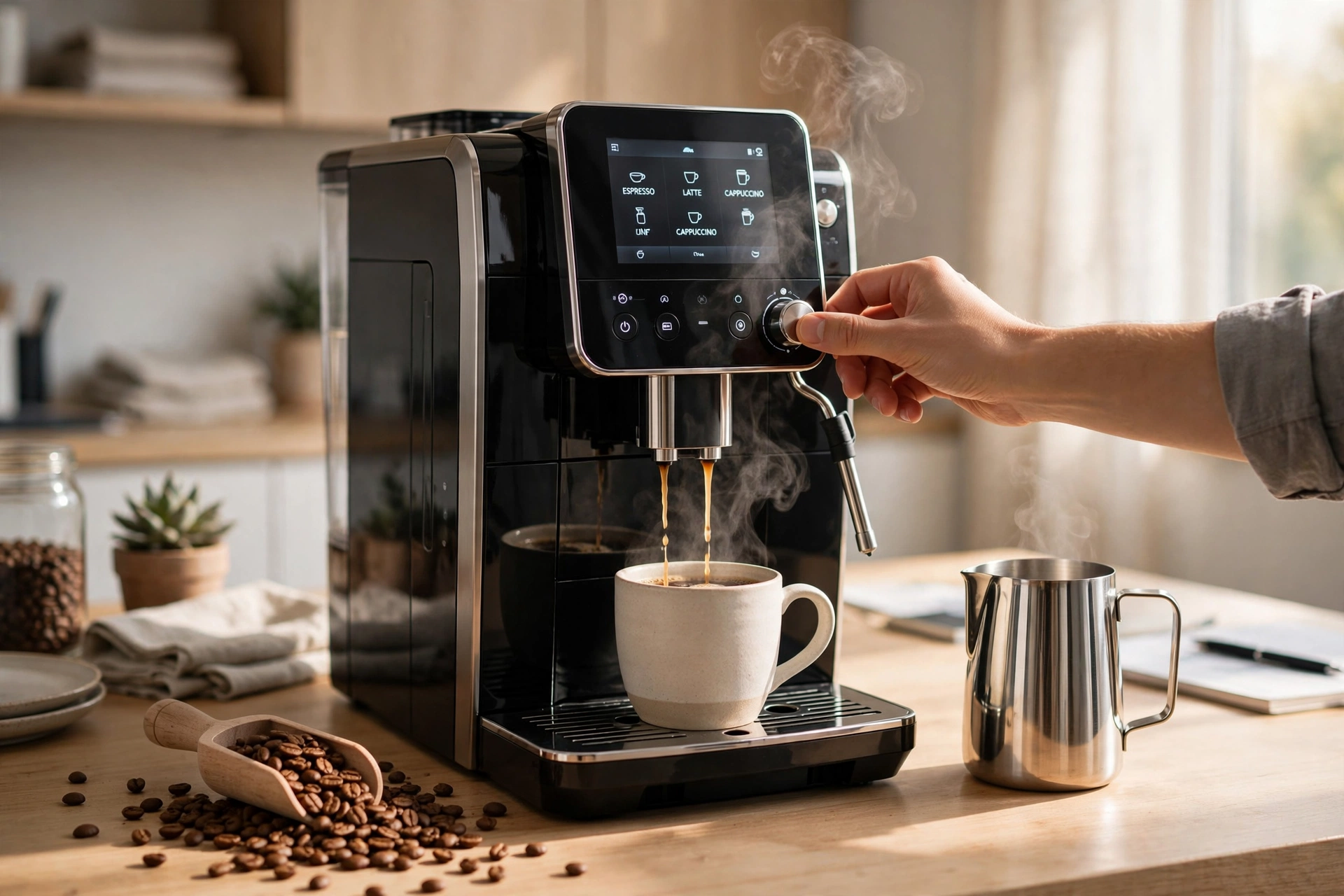
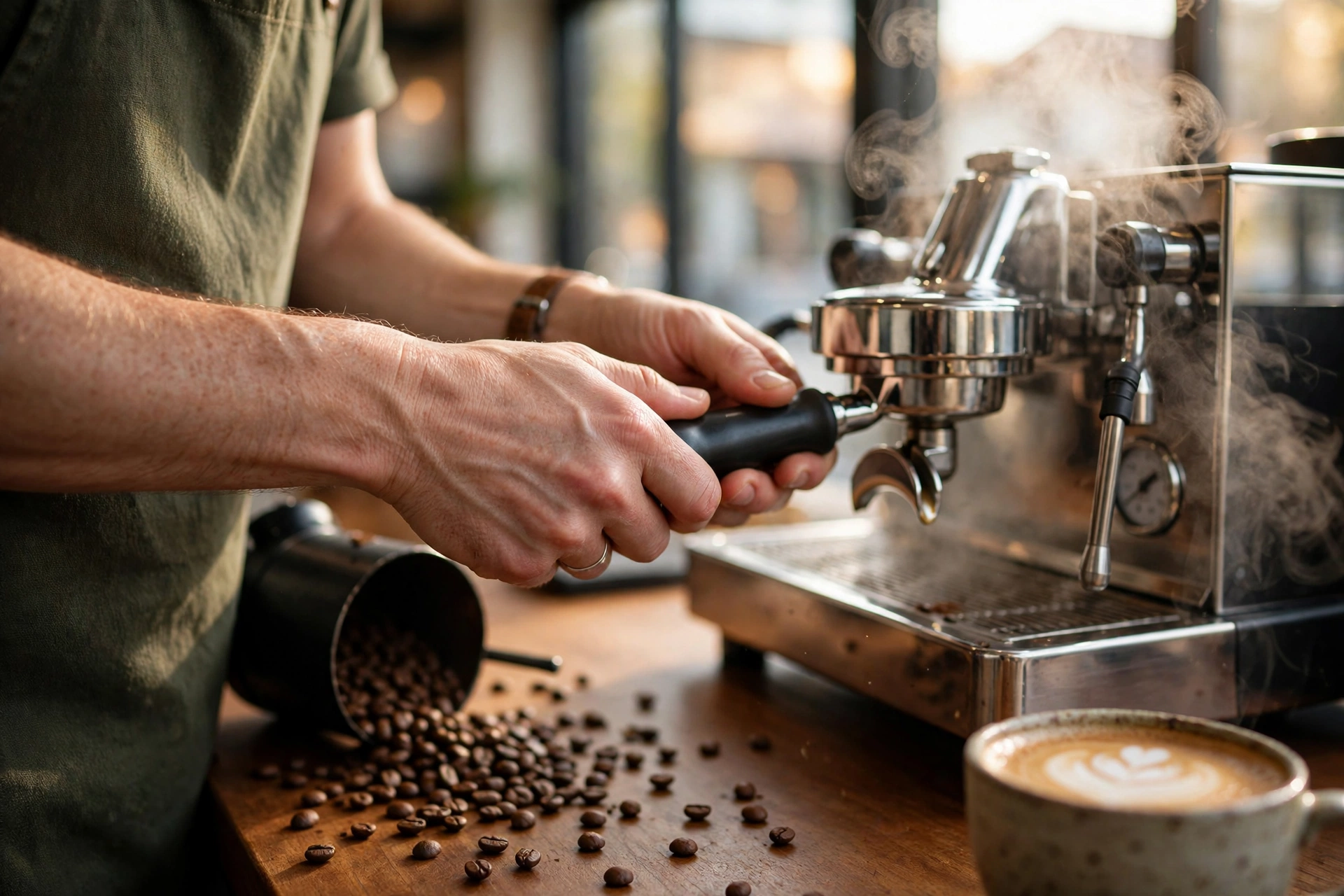
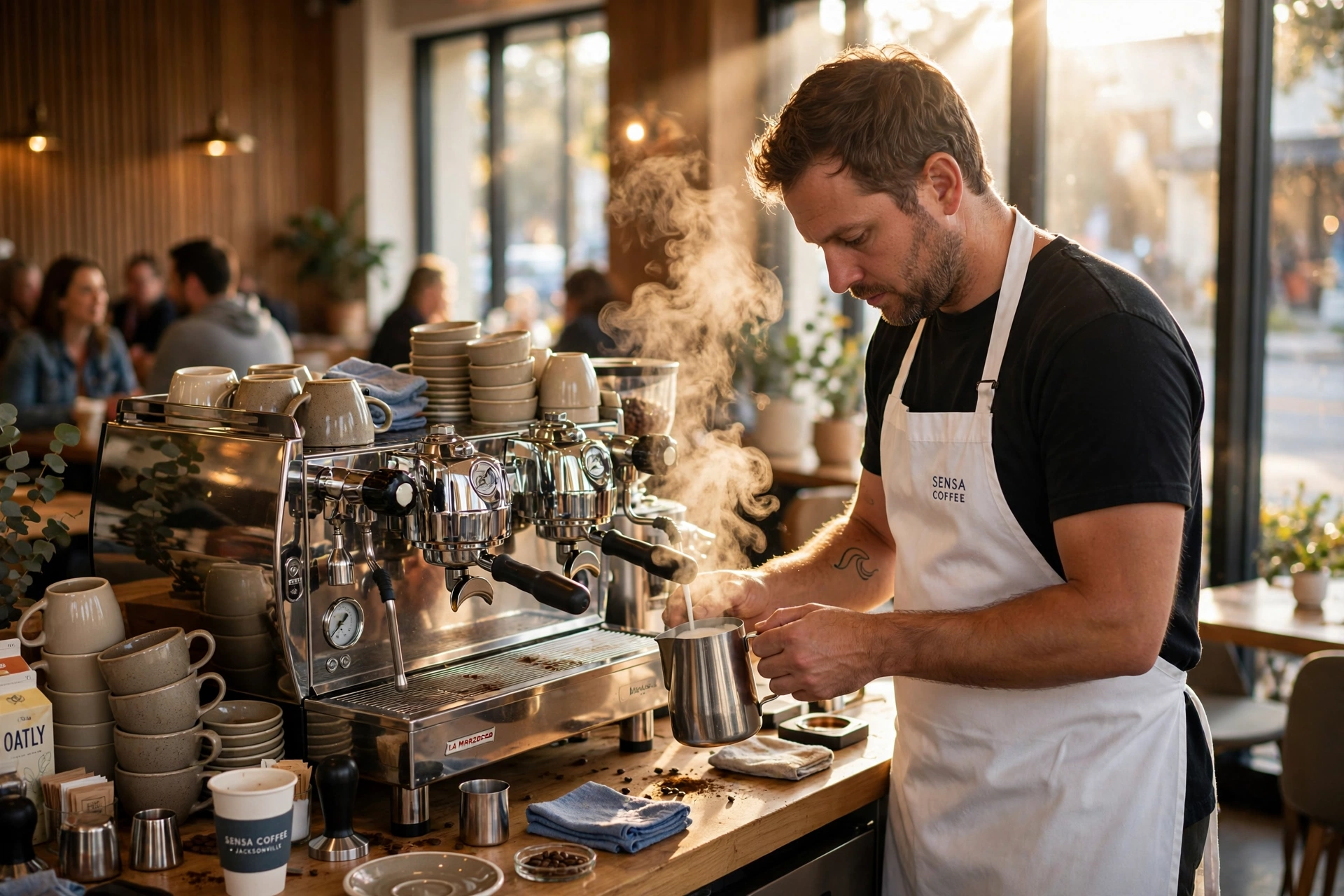
Running a restaurant or hotel in the Mile High City means competing in one of the most saturated coffee markets in the country. To truly succeed, a professional foodservice coffee program in Denver CO must combine high-volume efficiency with the uncompromising quality of specialty coffee to drive guest loyalty and maximize profit margins. For most Denver operators, this means moving away from fragmented equipment rentals and toward a managed solution that integrates premium roasting, industrial-grade hardware, and proactive maintenance.
In my experience working with hospitality groups across the Rocky Mountain region, the biggest mistake I see is treating coffee as a secondary amenity. When you treat it as a core profit center—rather than just a line item on the breakfast menu—the impact on the bottom line is immediate. To get a comprehensive look at the highest tier of service available, you can explore our White Glove Coffee Service in Denver CO - Complete Guide.
Why Denver Businesses Are Transitioning to Professional Foodservice Coffee Programs
Denver's culinary landscape has shifted. Guests are no longer satisfied with standard drip coffee; they expect a cafe-quality experience regardless of whether they are in a boutique hotel in LoDo or a high-end bistro in Cherry Creek. This shift is driven by the rise of the "prosumer" guest who understands the difference between a burnt roast and a balanced specialty coffee profile.
According to the National Coffee Association USA (NCA), the demand for specialty coffee has continued to climb, with a significant portion of US consumers now preferring premium brews over traditional options. In Denver, this trend is amplified by a culture that prizes craft and origin. If your beverage program hasn't evolved, you are effectively leaving money on the table and risking a negative impact on your online reviews.
Furthermore, the labor market in Colorado has become increasingly challenging. Finding a skilled barista who can consistently dial in an espresso machine is difficult and expensive. This is why businesses are adopting automated yet high-quality foodservice solutions. By removing the technical variability of the brew process, operators can ensure a consistent cup of coffee without needing a master barista on every single shift. This operational efficiency allows managers to focus on guest experience rather than troubleshooting a temperamental boiler or inconsistent grind size.

What Are the Key Benefits of a Managed Foodservice Coffee Program?
Implementing a managed program removes the friction between procurement, installation, and daily operations. When you partner with a specialized provider like Busy Bean Coffee, you stop being a technician and start being an operator again.
Predictable Monthly Overhead
One of the primary pain points for Denver foodservice operators is the unpredictable cost of equipment failure. A broken espresso machine during a Sunday brunch rush can cost thousands in lost revenue and damaged reputation. A managed program converts these volatile capital expenditures (CapEx) into a predictable monthly operational expense (OpEx). This financial stability allows for better cash flow management and eliminates the "sticker shock" of emergency repairs.
Consistency Across Multiple Locations
For groups operating multiple sites across the metro area, consistency is the hardest metric to maintain. The coffee at your downtown location should taste identical to the one at your suburban outpost. By utilizing standardized SENSA equipment and a unified roasting profile, you ensure that the brand experience remains cohesive.
📚
Definition
Specialty Coffee refers to coffee that scores 80 points or above on a 100-point scale by the Specialty Coffee Association (SCA), focusing on high-quality Coffea arabica beans and precision roasting.
Higher Average Transaction Value (ATV)
When you upgrade from a generic pot of coffee to a curated espresso menu, your pricing power increases. A standard cup of drip coffee has a ceiling, but a meticulously crafted latte or a signature seasonal brew allows you to charge a premium. This increases the average ticket size without requiring a significant increase in foot traffic.
Reduced Equipment Downtime
Managed services include proactive maintenance. Instead of waiting for a machine to fail, technicians perform scheduled descaling and calibration. This is essential because, as NSF International standards for food equipment emphasize, maintaining sanitation and mechanical integrity is not just about taste; it is a regulatory necessity for food safety.
💡
Key Takeaway
The shift from owning equipment to a managed membership model eliminates the risk of sudden equipment failure and aligns your coffee costs directly with your revenue growth.
| Feature | Traditional Equipment Purchase | Cheap AI/Automated Vending | Busy Bean Managed Program |
|---|---|---|---|
| Initial Cost | Very High (CapEx) | Moderate | Zero/Low (OpEx) |
| Coffee Quality | Variable (Human Error) | Low (Industrial/Burnt) | High (Specialty Grade) |
| Maintenance | Reactive (You call a tech) | Basic/Limited | Proactive (Included) |
| Labor Need | High (Needs trained barista) | Low | Low to Moderate |
| Scalability | Slow & Expensive | Fast but low quality | Fast & Professional |
Real-World Examples of Coffee Program Transformation in Denver
I've spent years analyzing how coffee impacts the hospitality P&L. The data consistently shows that the transition to a managed program leads to higher margins through waste reduction and increased sales.
Case Study 1: The Boutique Hotel Transition
A 50-room boutique hotel in Denver was using a standard commercial drip machine and a low-end pod system for guests. Their coffee was an afterthought, and guests frequently complained about the "burnt" taste. We implemented a full foodservice coffee program featuring a high-capacity espresso machine and a curated roast of Coffea arabica beans.
The Result: Within three months, their breakfast beverage revenue increased by 22%. More importantly, their guest satisfaction scores regarding breakfast improved from 3.2 to 4.8 stars. By treating coffee as an experience rather than a utility, they turned a cost center into a marketing asset.
Case Study 2: The High-Volume Brunch Bistro
A popular brunch spot in the Highlands was struggling with inconsistent espresso quality. Their baristas were great, but the equipment was aging, leading to long wait times and wasted shots. We replaced their fragmented setup with an automated, high-precision system that maintained the integrity of the specialty coffee while speeding up the workflow.
The Result: Throughput increased by 15% during peak hours, and waste (discarded shots) dropped by 30%. This reclaimed time and product directly impacted their monthly net profit, allowing them to add another server to the floor to handle the increased volume.
How to Get Started With a Foodservice Coffee Program in Denver CO
Starting a professional program shouldn't feel like a second job. The goal is to integrate a high-performance beverage system into your existing workflow without disrupting your staff. For those looking to optimize their setup, checking out the Best Office Espresso Machines for Small Teams in 2026 can provide a baseline for what's possible in smaller footprints.
Step 1: Audit Your Current Volume and Workflow
Before buying equipment, analyze your peak hours. Do you have a 30-minute window where 80% of your coffee is sold? If so, you need high-recovery boilers and rapid-cycle machines. If your volume is steady throughout the day, a different configuration may be more cost-effective. Map out the physical flow from the machine to the customer to avoid bottlenecks.
Step 2: Define Your Quality Tier
Decide if you are aiming for "Better-than-Average" or "Destination Quality." If you want guests to visit specifically for the coffee, you need a program that prioritizes the roast profile and barista tools. If coffee is a complement to a meal, focus on consistency and speed. For those focusing on the latter, we often recommend looking into Automated Coffee Service in Fort Worth TX - Complete Guide | Busy Bean Coffee as a model for high-efficiency, high-quality output.
Step 3: Select a Managed Partner
This is where Busy Bean Coffee comes in. Instead of buying a machine from one vendor and beans from another, we provide the end-to-end solution. We handle the installation, the professional training for your staff, and the ongoing maintenance. This eliminates the "finger-pointing" that happens when a machine breaks and the bean supplier blames the equipment manufacturer.
Step 4: Staff Training and Calibration
Even the best machine is useless if the operator doesn't understand the basics of extraction. We provide hands-on training to ensure your team knows how to maintain the equipment. If you're looking to elevate the visual appeal of your drinks, we suggest browsing Where to Buy Latte Art Tools for Foodservice Pros | Busy Bean Coffee to give your staff the edge in presentation.

Common Objections to Managed Coffee Programs
Many operators are hesitant to move to a membership-style model because they prefer to "own" their assets. However, in the fast-moving world of foodservice, ownership is often a liability.
Objection 1: "I'd rather buy my own equipment to save money long-term."
Most people assume ownership is cheaper, but the data shows otherwise. When you own the machine, you own the depreciation and the repair costs. A single motherboard failure or pump replacement in 2026 can cost more than a year's worth of membership fees. In practice, the "ownership saving" is wiped out the moment a critical part fails during a holiday weekend.
Objection 2: "Automated systems don't produce 'real' specialty coffee."
This is a common misconception. Modern SENSA equipment uses precision technology to mimic the exact movements of a world-class barista. By controlling temperature, pressure, and flow rate to the millisecond, these machines actually produce a more consistent cup than a human could under the pressure of a 100-person line. This allows you to serve true specialty coffee without the high overhead of a master barista.
Objection 3: "Changing my current provider is too disruptive."
Disruption is a valid concern, but the cost of inaction is higher. If your current coffee is mediocre, you are losing customers every day. A professional transition is seamless when handled by experts. We manage the swap-out of equipment and the training of staff during off-peak hours, ensuring that your guests never experience a gap in service.
Frequently Asked Questions
How does a foodservice coffee program differ from a standard office coffee service?
A standard office service is designed for convenience and low maintenance, typically utilizing pods or basic brewers. A foodservice program is designed for revenue generation and high volume. It requires industrial-grade espresso machines, precise grinding technology, and a focus on the sensory experience of the guest. While an office service focuses on "keeping employees caffeinated," a foodservice program focuses on "increasing the average check size" and enhancing the brand's culinary reputation. This requires a much higher level of equipment durability and bean quality, specifically targeting the specialty coffee segment to attract discerning customers.
What is the ideal ratio of coffee beans to waste in a high-volume Denver cafe?
In a professional setting, waste should ideally be kept under 5%. This is achieved through precise dosing and consistent barista training. When using a managed program from Busy Bean Coffee, we implement calibration protocols that minimize "dialing-in" waste. In my experience, businesses that switch to automated precision grinders see an immediate 10-15% reduction in bean waste. By tracking the grams per shot and comparing them to the total number of drinks sold, operators can pinpoint exactly where they are losing margin, whether it's through over-portioning or excessive purging of the group heads.
How often should commercial espresso machines be serviced in the Colorado climate?
Denver's altitude and water mineral content can be harsh on equipment. We recommend a full deep-clean and calibration every quarter, with daily and weekly maintenance performed by staff. Specifically, water filtration is the most critical component. Without high-grade filtration, scale buildup can ruin a boiler in months. According to the Specialty Coffee Association (SCA), water quality is the foundation of coffee extraction. If your water is too hard or too soft, no amount of expensive beans will fix the taste. A managed program includes these critical filter changes and descaling cycles as part of the monthly fee.
Can a managed coffee program help with labor shortages in Denver?
Absolutely. The current labor market in Denver makes it incredibly difficult to find and retain skilled baristas. A managed program utilizing high-end automated technology allows you to produce cafe-quality drinks using staff who may have minimal prior training. By removing the technical complexity of tamping, steaming, and timing, you empower your current team to deliver a consistent product. This not only reduces the need for expensive specialized hires but also decreases the training time for new employees, ensuring that a staff turnover doesn't lead to a dip in beverage quality.
What are the most profitable coffee drinks to add to a foodservice menu in 2026?
Currently, the highest margins are found in "signature lattes" and cold brew infusions. By adding a unique house-made syrup or a specific flavor profile to a standard latte, you can increase the price point by $1.00 to $2.00 while only adding cents to the cost of goods. I've seen Denver businesses excel by incorporating local flavors or seasonal rotations. Additionally, cold brew remains a powerhouse for profitability because it can be prepped in batches, reducing the labor cost per cup during the morning rush. Integrating these into a professional program ensures the base coffee is high-quality enough to support these premium additions.
Final Thoughts on Foodservice Coffee Program in Denver CO
Building a successful foodservice coffee program in Denver CO is no longer about just having a machine in the kitchen; it is about creating a scalable, predictable, and high-quality beverage system. Whether you are running a hotel, a restaurant, or a corporate catering operation, the transition from fragmented ownership to a managed membership model is the most effective way to protect your margins and elevate your guest experience.
Stop worrying about broken boilers and inconsistent roasts. Let the experts handle the technical side so you can focus on growing your business and serving your guests. If you're ready to stop the guesswork and start seeing a real return on your beverage investment, we are here to help. For those in other regions looking for similar excellence, check out our White Glove Coffee Service in Los Angeles CA - Complete Guide | Busy Bean Coffee to see how we scale quality across the country.
Ready to transform your coffee experience? Visit Busy Bean Coffee today and let's build a program that works for your business.
Free Coffee Pairing Guide & Specialty Roast Cheat Sheet
Unlock the secrets of perfect brewing ratios, water temperatures, and specialty roast profiles. Download the guide.