
📖This article is part of the complete guide to Ultimate Guide to Cafe Equipment Supply for Businesses.
Introduction
You’ve invested thousands in a commercial espresso machine, grinder, and brew system. The equipment is top-tier. But if your staff doesn’t know how to use it properly, that investment is wasted. The difference between a café that serves consistently excellent coffee and one that produces mediocre drinks often comes down to training — not equipment. In fact, the Specialty Coffee Association (SCA) has long emphasized that proper training is the single biggest driver of quality and efficiency in cafés. Let’s explore how to implement a robust cafe coffee equipment training program that protects your investment, delights your customers, and keeps your team confident.
For a comprehensive guide on selecting the right gear before training begins, see our Ultimate Guide to Cafe Equipment Supply for Businesses.
What Is Cafe Coffee Equipment Training?
📚
Definition
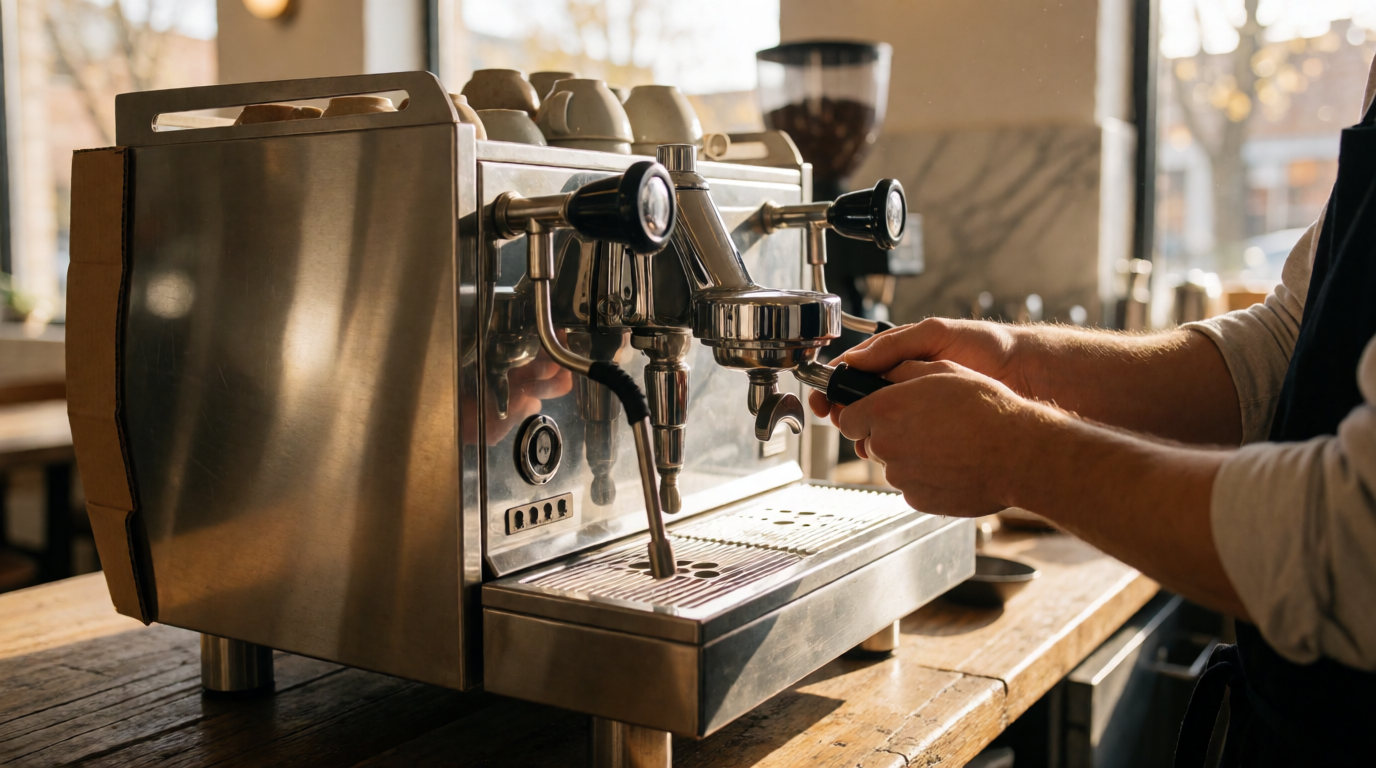
Cafe coffee equipment training is a structured program designed to teach baristas and café staff how to correctly operate, maintain, and troubleshoot commercial coffee machines, grinders, brewers, and related equipment.
It goes beyond simple machine operation — covering espresso extraction theory, milk steaming technique, cleaning protocols, preventive maintenance, and even customer service skills tied to drink quality. According to a 2023 study by the National Coffee Association (NCA), cafés with formal training programs reported 20% lower equipment repair costs and 15% faster service times. Without training, even the best equipment can produce inconsistent results, leading to customer complaints and wasted product.
💡
Key Takeaway
Training transforms equipment from a cost center into a profit driver by ensuring every cup meets your brand standard.
When selecting machines, consider models that are easy to train on — many modern commercial machines offer presets and guided workflows. For the latest options, check our guide on Best Commercial Coffee Machines for Cafe Owners.
Why Training Matters for Your Business
Consistency Builds Loyalty
Customers return for the same great taste every time. Inconsistent espresso shots or poorly steamed milk erode trust. A 2024 survey from the SCA found that 78% of customers say consistent quality is their top reason for returning to a café. Training ensures every barista follows the same recipe and technique, regardless of shift.
Equipment Longevity and Reduced Downtime
Commercial coffee machines are expensive — a single espresso machine can cost $10,000 or more. Improper use, like backflushing incorrectly or not cleaning group heads, leads to premature wear. The American Society for Testing and Materials (ASTM) estimates that routine training on proper maintenance can extend equipment life by 30%. Fewer breakdowns mean less lost revenue and fewer emergency service calls.
Cost Savings on Waste and Labor
Over-extraction, under-extraction, and drink remakes waste coffee, milk, and time. Trained staff dial in shots faster and waste less. According to a report by Restaurant Hospitality, cafés with ongoing training reduce waste by up to 25% annually. That translates to thousands of dollars saved per year.
Staff Confidence and Retention
Baristas who feel competent are happier and stay longer. Turnover in the café industry is notoriously high — but a 2023 study by the Specialty Coffee Association’s Barista Guild found that offering structured training reduced turnover by 35% among participating cafés. Invest in your people, and they invest in your business.
For a deeper dive into how managed services can support your training, read about the Benefits of Managed Coffee Service for Restaurants.
How to Implement an Effective Training Program
Step 1: Assess Your Needs
Start by evaluating your current equipment and your staff’s skill levels. Are you using a traditional semi-auto espresso machine with a manual grinder? Or a super-automatic model? The training approach differs. Create a skills matrix: note who can dial in, who can steam properly, who understands cleaning cycles. Identify gaps.
Step 2: Choose a Training Format
- On-site sessions: Best for hands-on practice. Invite your equipment supplier’s trainer or bring in a certified SCA trainer.
- Online modules: Useful for theory and ongoing refreshers. Many suppliers offer video libraries.
- Blended approach: Combine initial in-person training with monthly online check-ins.
Step 3: Design Your Curriculum
Cover these core topics:
- Machine parts and functions
- Espresso extraction: dose, tamp, time, temperature
- Milk steaming technique and latte art basics
- Cleaning and daily maintenance (backflushing, steam wand purging, grinder burr cleaning)
- Troubleshooting common issues (low pressure, bitter shots, machine not heating)
- Health and safety (burn prevention, chemical handling)
Step 4: Schedule Ongoing Training
One-time training is not enough. Plan quarterly refreshers and whenever new equipment is installed. Also, train your lead barista to become a trainer — they can handle new hire onboarding. Use checklists and certification tests to ensure mastery.
Step 5: Measure Success
Track key metrics: average shot time consistency, number of remakes per shift, equipment uptime, customer satisfaction scores. Compare before and after training. You’ll quickly see the ROI.

For professional installation and training support, consider our White Glove Installation for Cafe Coffee Equipment service.
Common Mistakes in Cafe Coffee Equipment Training
1. Skipping Training Altogether
Some owners assume experienced baristas will figure it out. That’s a recipe for inconsistency and machine damage. Always provide formal training, even for seasoned hires — every machine is different.
2. Relying Solely on Verbal Instruction
People forget most of what they hear within hours. Pair verbal guidance with written manuals, video demonstrations, and hands-on practice. Create a laminated quick-reference card for each machine.
3. Not Tailoring Training to the Machine
A La Marzocco Strada operates differently than a Nuova Simonelli Aurelia. Generic training won’t cut it. Ensure your training is specific to the makes and models in your café.
4. Overlooking Cleaning and Maintenance
Many programs focus only on drink preparation. But proper cleaning is critical for taste and longevity. Dedicate at least 30% of training time to cleaning protocols.
5. No Refreshers
Staff turnover, recipe updates, and equipment upgrades mean training must be ongoing. Schedule regular sessions and keep a log of who has completed what. Neglecting refreshers leads to skill drift.
For more on cost-effective solutions that come with built-in support, see No Capex Coffee Equipment Solutions for Foodservice.
Frequently Asked Questions
What does a typical cafe coffee equipment training program cover?
A comprehensive program covers machine operation (starting, shutting down, adjusting settings), espresso extraction theory (dose, tamp, yield, time), milk steaming (texture, temperature, latte art), daily and weekly cleaning procedures (backflushing, descaling, grinder calibration), basic troubleshooting (identifying clogs, error codes, taste issues), and safety protocols. Most programs run 4–8 hours for initial training, with follow-up sessions. The goal is to make every barista capable of producing consistent, high-quality drinks independently.
How long does it take to train a new barista on commercial equipment?
It depends on prior experience and machine complexity. For someone with no experience, expect 8–12 hours of hands-on training over 2–3 days, followed by 2–4 weeks of supervised practice. For experienced baristas, a 2–4 hour session focusing on machine specifics may be sufficient. Ongoing learning continues with weekly quality checks. Most equipment suppliers offer accelerated training programs — Busy Bean Coffee, for example, includes training as part of our installation package.
Can training be done remotely or online?
Yes, to a degree. Online modules are excellent for theory — extraction science, recipe memorization, safety rules. But for practical skills like tamping, steaming, and cleaning, in-person coaching is essential. A blended approach works best: online pre-work (videos, quizzes) followed by in-person practice with a trainer. Some suppliers also offer live video coaching sessions where a trainer observes the barista remotely. For best results, prioritize on-site hands-on training for critical skills.
Do equipment providers like Busy Bean Coffee offer training?
Absolutely. At Busy Bean Coffee, every managed coffee membership includes comprehensive training for your staff — at installation and ongoing. We provide on-site sessions for the SENSA equipment we install, covering everything from operation to preventive maintenance. Our trainers are SCA-certified and stay current with industry best practices. We also offer refresher courses when you introduce new menu items or if you have staff turnover. This is part of our commitment to making sure you get the full value from our equipment.
How much should I budget for cafe coffee equipment training?
Costs vary widely. A single on-site training session from an independent SCA trainer can run $200–$500 per day plus travel. Many equipment suppliers include basic training with purchase or lease. Online courses can be as low as $50 per month per user. At Busy Bean Coffee, training is bundled into our managed service, so there’s no separate fee. Considering the reduction in waste, repairs, and turnover, the ROI is substantial — often paying for itself within the first month.
Conclusion
Training is not an optional extra — it’s the backbone of a successful café operation. When you invest in proper cafe coffee equipment training, you reduce cost, improve consistency, boost staff morale, and protect your capital equipment. Don’t let your expensive machines underperform because of untrained hands.
Take the next step: ensure your equipment supplier offers robust training support. For a complete overview of equipment selection, installation, and ongoing service, revisit our Ultimate Guide to Cafe Equipment Supply for Businesses. And if you’re ready to simplify your coffee program with equipment that comes with expert training and support, visit Busy Bean Coffee today.
Recommended Readings
To deepen your understanding of these topics, we recommend reading the following articles:
- Maintenance-Free Coffee Solutions for Busy Venues
- Predictable Monthly Fees for Reliable Cafe Supply
- Ultimate Guide to Automated Coffee Machines for Business
- Ultimate Guide to Specialty Coffee Equipment for Business
About the Author
Travis Estes is the CEO & Founder at Busy Bean Coffee. With over a decade in the specialty coffee industry, he has helped hundreds of foodservice businesses optimize their coffee programs through equipment selection, training, and managed services.
Free Coffee Pairing Guide & Specialty Roast Cheat Sheet
Unlock the secrets of perfect brewing ratios, water temperatures, and specialty roast profiles. Download the guide.