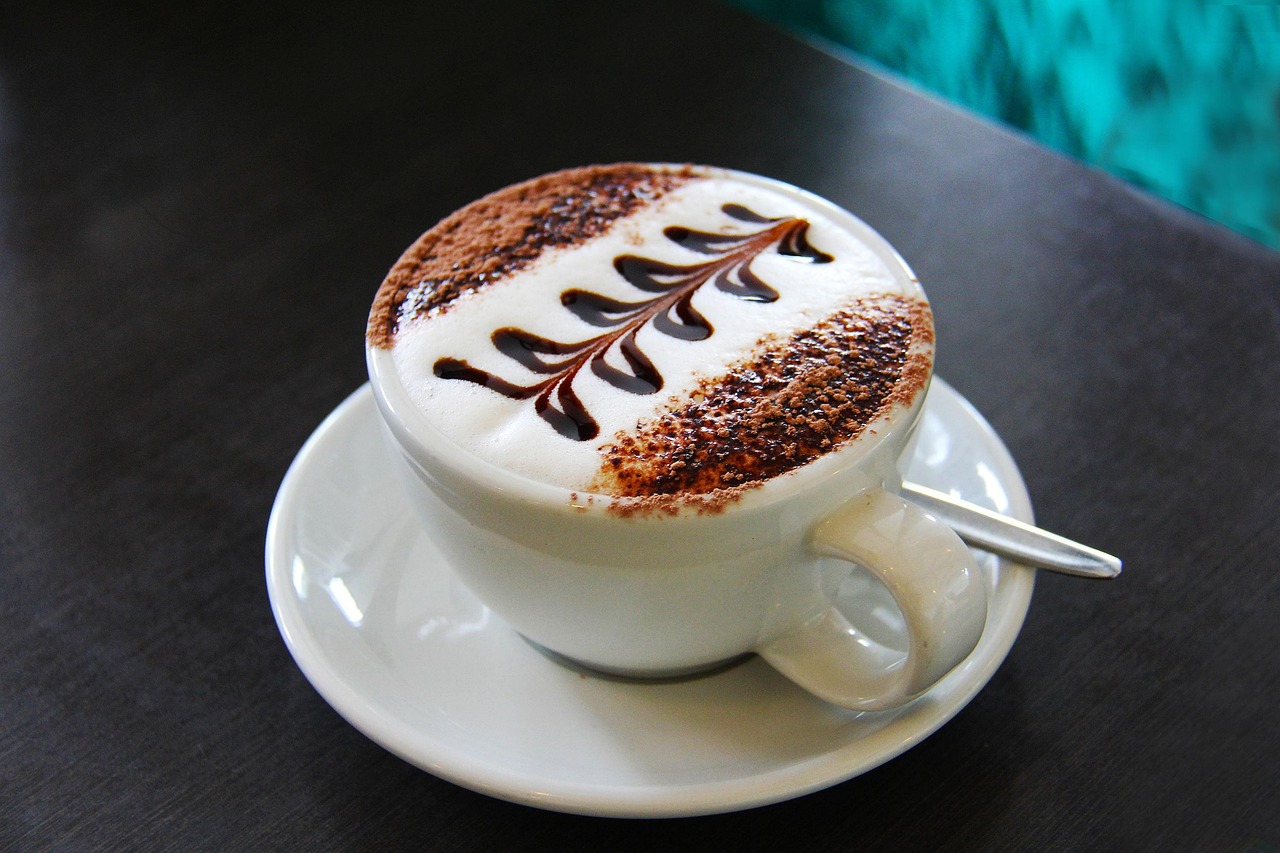
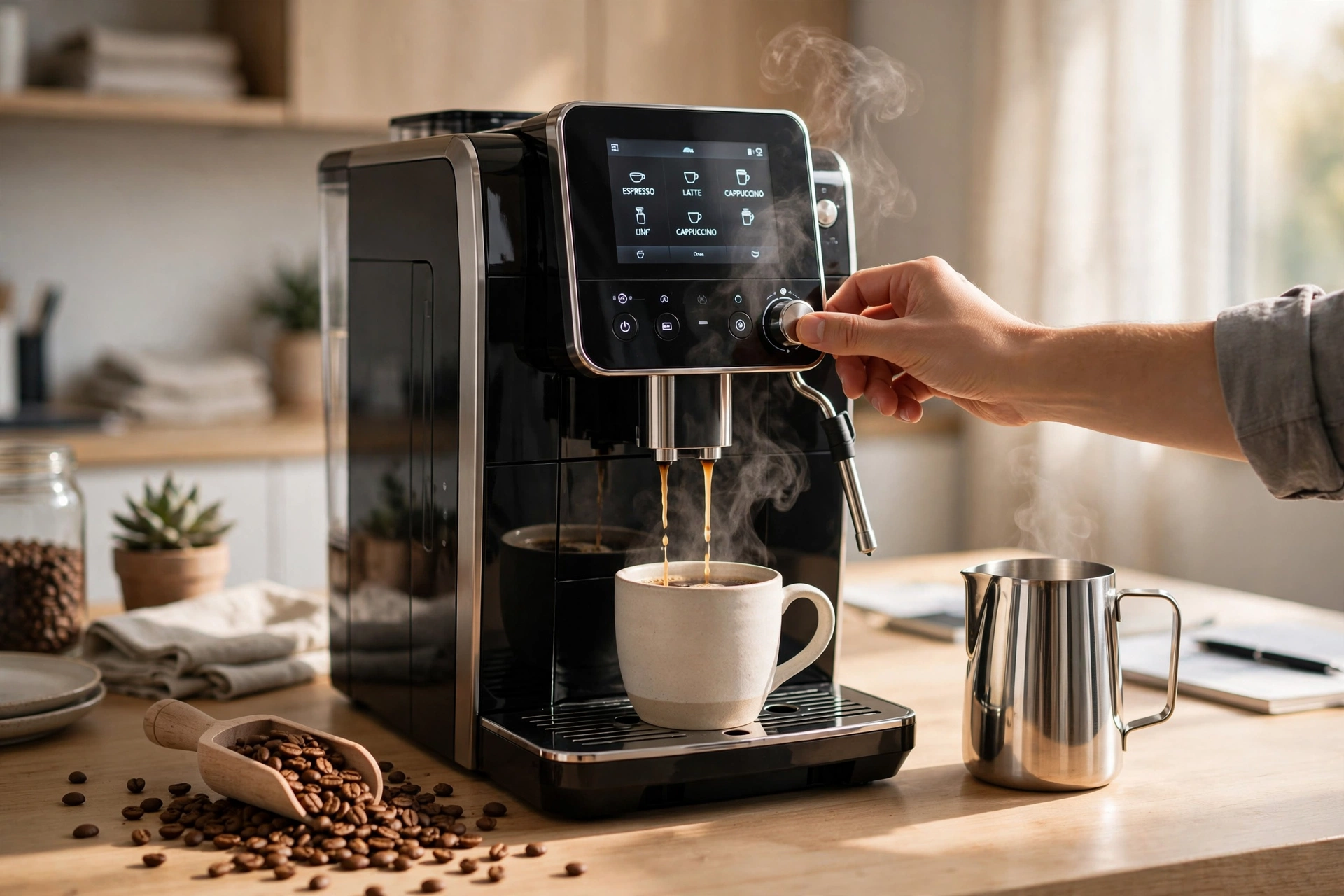
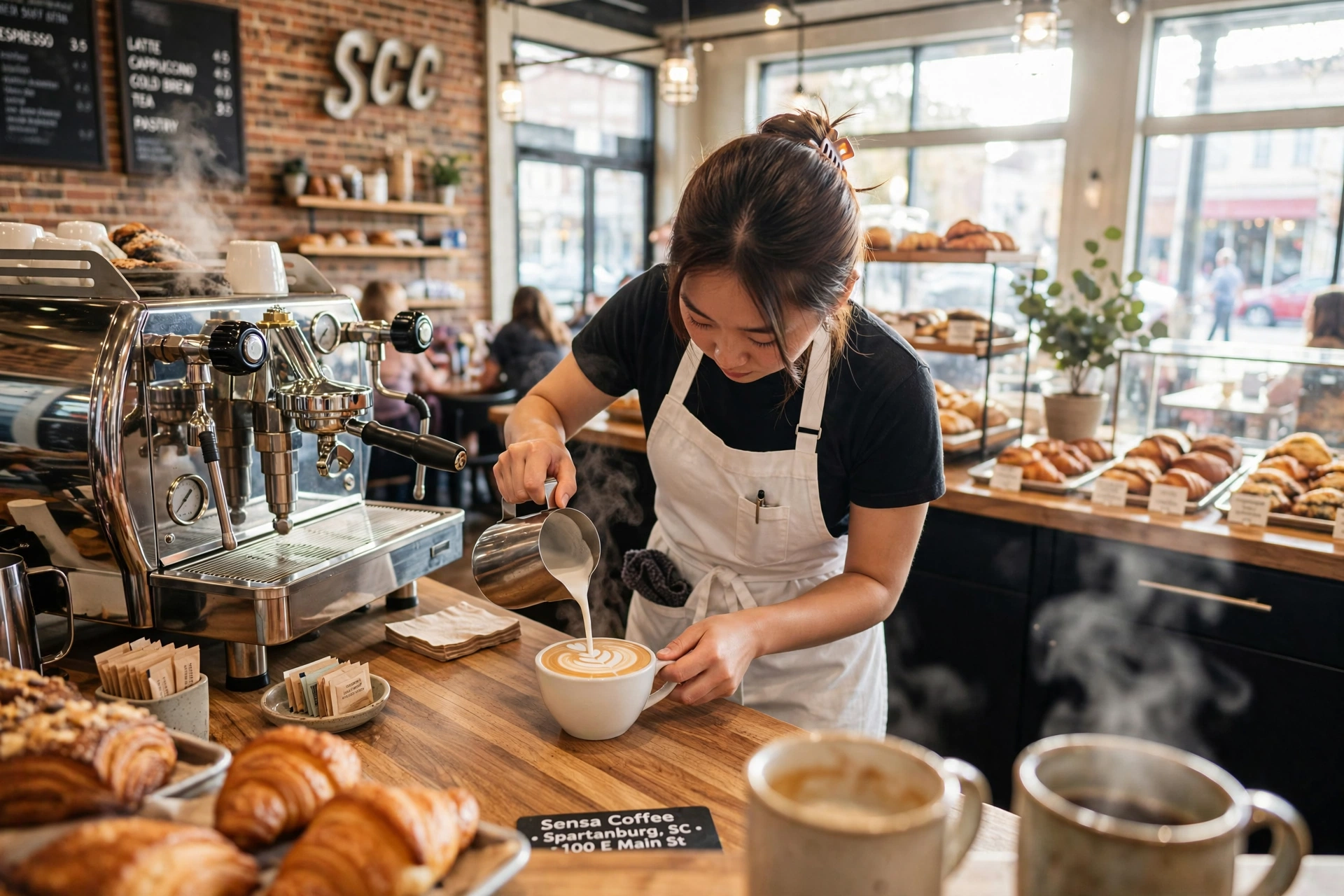
Walk into any specialty coffee shop today and you’ll see a wall of bottles: vanilla, caramel, hazelnut, lavender. Coffee syrups have become the backbone of modern beverage menus, turning a simple espresso shot into a signature drink that customers crave. In my experience working with cafes, hotels, and restaurants across the Southeast, I’ve seen how a well-managed syrup program can increase average order value by 20% or more while cutting down on ingredient waste. But not all syrups are created equal, and the way you source, store, and use them makes all the difference. For a comprehensive overview of how syrups fit into a complete coffee service, explore our main guide on coffee syrups.
What Are Coffee Syrups?
📚
Definition
Coffee syrups are concentrated sweetening and flavoring agents made from a base of sugar (or sugar substitute), water, and natural or artificial flavor compounds. They are designed to dissolve quickly in hot or cold coffee, tea, and milk-based beverages without leaving sediment.
At their core, coffee syrups are a simple solution to a complex problem: how to offer variety without investing in expensive equipment or extensive barista training. A single bottle of syrup can transform a black coffee into a vanilla latte, a caramel macchiato, or a seasonal pumpkin spice drink. According to the National Coffee Association, 68% of coffee drinkers in the United States have added a flavor to their coffee in the past week, and syrups are the most common method.
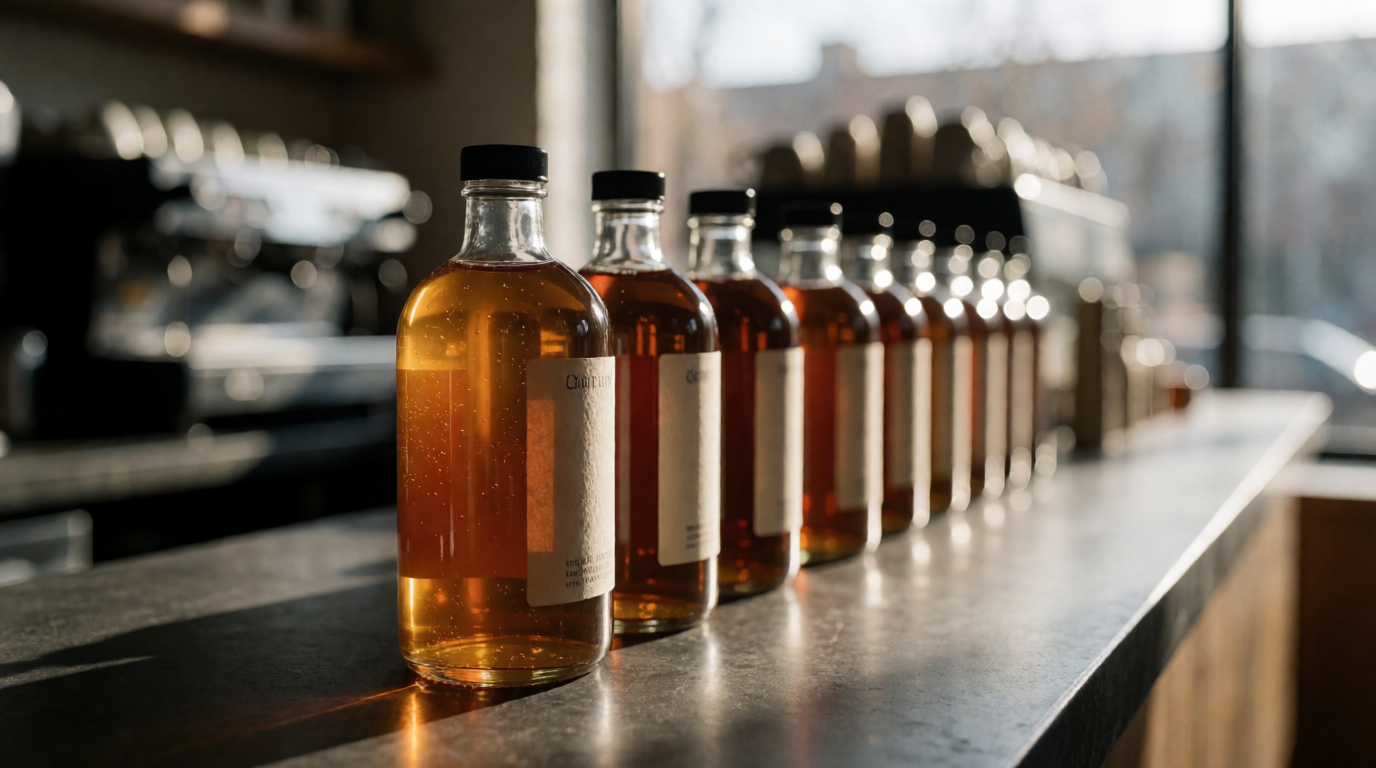
Syrups fall into three main categories: classic sweet syrups (like simple syrup and vanilla), flavored syrups (caramel, hazelnut, chocolate), and sugar-free options that use sucralose or stevia. The base ingredient matters. Premium syrups use real cane sugar and natural flavor extracts, while lower-cost alternatives rely on high-fructose corn syrup and artificial flavorings. The Specialty Coffee Association emphasizes that the quality of syrup directly impacts the flavor profile of the final beverage, especially when paired with high-quality arabica beans.
Coffee syrups are not the same as sauces (like chocolate or caramel sauce) which are thicker and often used for drizzling. Syrups are thinner and designed to mix thoroughly. This distinction is critical for baristas when building layered drinks. In our coffee service offerings, we always recommend keeping a core set of syrups — vanilla, caramel, hazelnut, and sugar-free vanilla — to cover 80% of customer requests.
Why Coffee Syrups Matter for Your Business
Coffee syrups are not just a nice-to-have; they are a revenue driver. Here’s why they matter:
- Increased Average Order Value: A flavored latte typically costs $0.50–$1.00 more than a plain latte. If you sell 50 flavored drinks per day, that’s an extra $25–$50/day — over $9,000–$18,000 per year.
- Customer Satisfaction and Retention: Offering variety keeps customers coming back. According to NCA data, 80% of coffee drinkers say they are more likely to return to a cafe that offers flavored options.
- Seasonal Menu Flexibility: Syrups allow you to create seasonal specials (pumpkin spice in fall, peppermint mocha in winter) without investing in new equipment. This is particularly valuable for hotels and restaurants with rotating menus.
- Reduced Waste: Unlike flavored beans that have a limited shelf life, syrups can be stored for months and used on demand. This reduces the risk of stale inventory.
In my experience, the biggest mistake foodservice operators make is treating syrups as an afterthought. They buy the cheapest option, store it in direct sunlight, and never train their staff on proper ratios. The result is inconsistent drinks and unhappy customers. If you’re serious about your coffee program, you need a syrup strategy.
If you’re looking to upgrade your equipment to handle syrups more efficiently, check out our guide on Best Office Espresso Machines for Small Teams in 2026. For a deeper dive into the tools that make syrup drinks look beautiful, see Where to Buy Latte Art Tools for Foodservice Pros.
How to Choose and Use Coffee Syrups
Selecting the right coffee syrups involves more than just picking flavors. Here’s a step-by-step approach:
Step 1: Determine Your Menu Needs
Start by analyzing your customer base. A hotel in Mount Pleasant, South Carolina, may see different preferences than a corporate office in Charlotte. Classic flavors (vanilla, caramel, hazelnut) are universal. Seasonal trends like lavender, brown sugar, and toasted marshmallow are growing rapidly.
Step 2: Choose Quality Over Price
Premium syrups made with real cane sugar and natural extracts cost more upfront but deliver better flavor and consistency. Cheap syrups often have a chemical aftertaste and can separate over time. The Specialty Coffee Association recommends using syrups that complement rather than mask the natural notes of the coffee bean.
Step 3: Train Your Baristas
Proper syrup usage is not just about pouring. Baristas need to know:
- Ratios: 1–2 pumps (1/4–1/2 oz) per 8 oz drink is standard. Too much syrup overpowers the coffee; too little leaves customers unsatisfied.
- Timing: Add syrup to the cup before the espresso shot to ensure even mixing.
- Temperature: Syrups mix best at room temperature. Cold syrups can clump.
Step 4: Store Correctly
Syrups should be kept in a cool, dry place away from direct sunlight. Once opened, they typically last 6–12 months. Pump bottles are convenient but must be cleaned regularly to prevent mold growth. The NSF International provides guidelines for commercial food equipment that apply to syrup dispensers.
Comparison Table: Syrup Types
| Type | Base | Flavor | Shelf Life | Best For |
|---|---|---|---|---|
| Classic Sweet Syrup | Cane sugar, water | Neutral sweet | 12 months | Sweetening without flavor |
| Flavored Syrup | Cane sugar, water, natural flavor | Specific (vanilla, etc.) | 12 months | Signature drinks |
| Sugar-Free Syrup | Sucralose/stevia, water, flavor | Sweet, less calories | 9 months | Diet-conscious customers |
| Gourmet/Artisan Syrup | Organic cane sugar, real extracts | Complex, nuanced | 6 months | Premium coffee shops |
If you’re just starting out, we recommend the classic and flavored categories. For a complete turnkey solution, our coffee delivery service in Charlotte NC includes syrup sourcing and inventory management.
Common Mistakes to Avoid
Over the years, I’ve seen the same mistakes repeated across dozens of accounts. Here are the top five and how to avoid them:
- Using Cheap Syrups: The upfront savings are quickly erased by lost sales from bad-tasting drinks. Invest in quality.
- Improper Storage: Storing syrups near heat sources or in direct sunlight causes flavor degradation. Use a dedicated cabinet.
- Inconsistent Ratios: Without standard recipes, each barista makes a different drink. Create a recipe card for every syrup drink.
- Ignoring Sugar-Free Options: Many customers are diabetic or watching sugar intake. Offering sugar-free syrups can capture a loyal segment.
- Not Rotating Seasonal Flavors: Leaving pumpkin spice syrup on the shelf year-round suggests staleness. Rotate every 3–4 months.
💡
Key Takeaway
The most successful coffee programs treat syrups as a strategic ingredient, not a commodity. Proper training, storage, and quality control are non-negotiable.
For a more automated approach, see our Automated Coffee Service in Fort Worth TX and Automated Coffee Service in Wilmington NC — both include syrup dispensing systems that reduce waste and improve consistency.
Frequently Asked Questions
What is the shelf life of coffee syrups?
Unopened coffee syrups can last 12–18 months if stored in a cool, dark place. Once opened, they typically last 6–12 months, depending on the ingredients. Syrups with natural flavors may have a shorter shelf life. Always check the manufacturer’s expiration date and look for signs of spoilage like cloudiness, mold, or off odors. Pump bottles should be cleaned monthly to prevent bacterial growth.
Are sugar-free syrups good for coffee?
Yes, sugar-free syrups can be an excellent option for customers who want to reduce calorie intake or manage blood sugar. Modern sugar-free syrups use sucralose, stevia, or erythritol, which are safe for most people. However, the sweetness profile can differ from sugar, so you may need to adjust the pump count. The FDA has approved these sweeteners for use in food and beverages. We recommend testing a few brands before committing to one.
Can I make my own coffee syrups?
Absolutely. Homemade syrups allow you to control ingredients and create unique flavors. The basic recipe is equal parts sugar and water, heated until the sugar dissolves, then infused with flavorings (vanilla beans, herbs, spices). However, homemade syrups have a shorter shelf life (about 1 month) and may not be cost-effective for high-volume operations. For commercial consistency, branded syrups are often more reliable.
How do I store coffee syrups?
Store syrups in a cool, dry place away from direct sunlight, heat sources, and temperature fluctuations. The ideal temperature range is 60–70°F (15–21°C). Do not refrigerate most syrups, as cold temperatures can cause crystallization. Use pump dispensers to control portions and keep the syrup clean. Label each bottle with the opening date. The NSF International provides standards for commercial food storage that can guide your setup.
What syrups are most popular in 2026?
Based on current trends and International Coffee Organization data, the most popular syrups in 2026 are vanilla (still #1), caramel, brown sugar cinnamon, lavender, and toasted marshmallow. Sugar-free versions of vanilla and caramel are also in high demand. Seasonal flavors like pumpkin spice and peppermint remain strong during their respective months. For a more localized perspective, our White Glove Coffee Service in Denver CO and White Glove Coffee Service in Los Angeles CA use regional flavor preferences to customize menus.
Conclusion
Coffee syrups are a simple, high-impact way to differentiate your menu, increase revenue, and satisfy customers. The key is to choose quality syrups, train your staff, and store them properly. Whether you run a small cafe, a hotel, or a corporate office, a well-thought-out syrup program can pay for itself many times over.
At Busy Bean Coffee, we’ve helped hundreds of businesses implement syrup programs that are both delicious and profitable. Our all-inclusive managed coffee membership includes not only premium SENSA espresso machines but also expert guidance on syrup selection, recipe development, and training. We handle the details so you can focus on serving great coffee.
For a complete guide on integrating syrups into your beverage program, revisit our pillar article on coffee syrups. Ready to elevate your coffee service? Visit Busy Bean Coffee to learn more.
Free Coffee Pairing Guide & Specialty Roast Cheat Sheet
Unlock the secrets of perfect brewing ratios, water temperatures, and specialty roast profiles. Download the guide.