📖This article is part of the complete guide to Ultimate Guide to Business Coffee Programs.
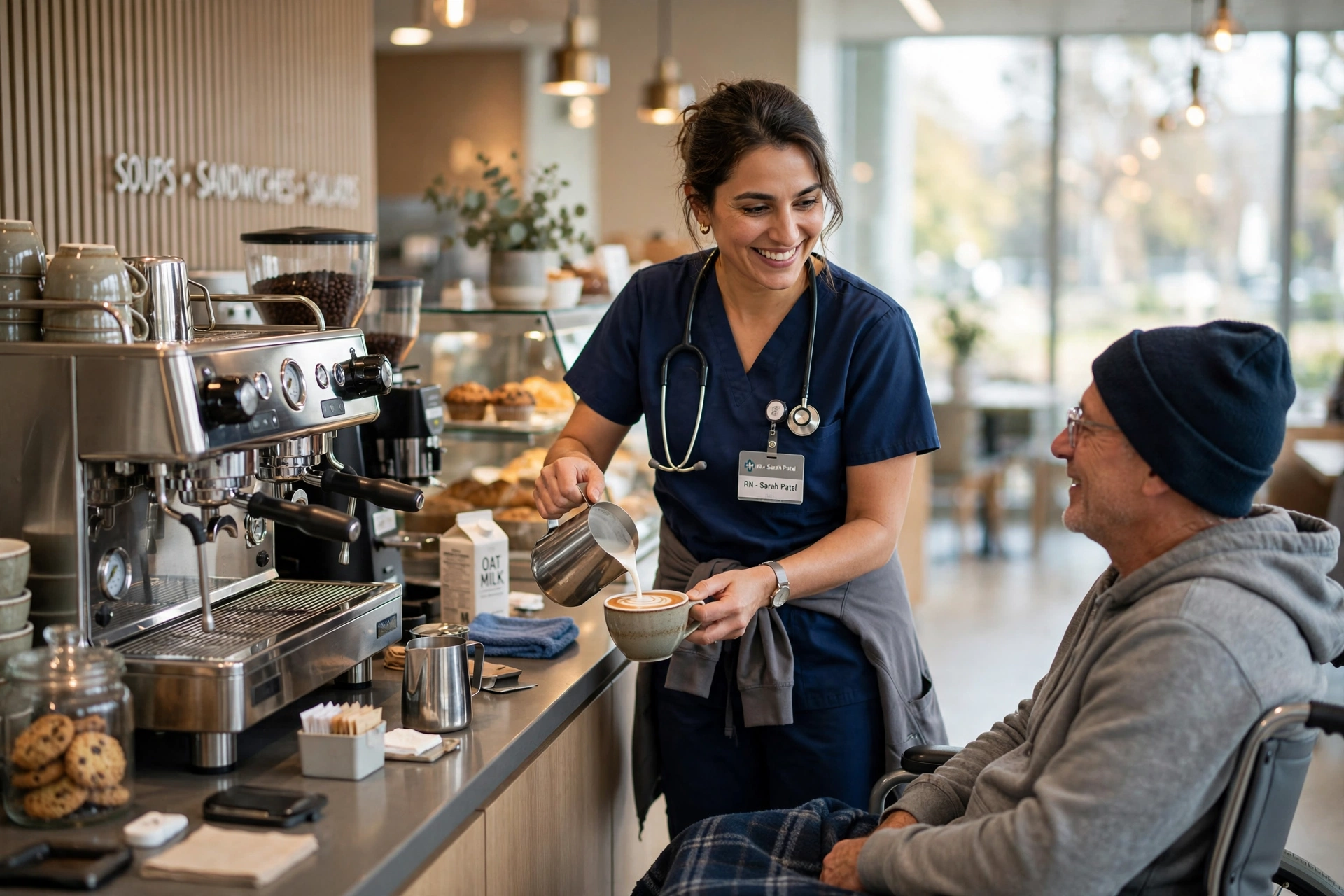
A high-stress waiting room can define a patient's entire perception of a healthcare provider before they even enter the exam room. In my experience working with medical administrators across the Southeast, the 'waiting room anxiety' is a tangible barrier to patient satisfaction. When a patient arrives at a clinic feeling nervous or unwell, the environmental cues—lighting, seating, and sensory offerings—dictate their cortisol levels. Offering a premium coffee experience isn't about providing a beverage; it is about psychological anchoring. By shifting the environment from a clinical sterile zone to a hospitality-focused space, clinics can significantly lower patient tension.
For a comprehensive overview of how to structure these services, explore our Ultimate Guide to Business Coffee Programs.
What is Coffee Patient Experience in Clinics?
📚
Definition
Coffee patient experience in clinics refers to the strategic integration of high-quality beverage services within healthcare waiting areas to reduce patient anxiety, improve perceived wait times, and enhance the overall hospitality of the medical facility.
Integrating coffee into the patient journey is a specific subset of hospitality management applied to healthcare. It involves moving beyond the basic, burnt-tasting pot of drip coffee and implementing a curated beverage program. This means prioritizing specialty coffee—beans that score 80 points or above on the SCA scale—and utilizing professional-grade equipment that ensures consistency and cleanliness.
In a clinical setting, the coffee experience serves as a non-pharmacological intervention to reduce stress. When a patient smells fresh-roasted Coffea arabica, the olfactory response triggers a sense of comfort and familiarity. This is not merely a convenience; it is a strategic touchpoint. According to the Specialty Coffee Association (SCA), the sensory quality of specialty coffee is derived from rigorous standards in sourcing and roasting, which translates to a superior taste profile that patients associate with luxury and care. When a clinic invests in this level of quality, it signals to the patient that the facility pays attention to the smallest details, which subconsciously extends to the quality of the medical care they are about to receive.
Why Does Coffee Patient Experience Matter for Healthcare Providers?
Providing a high-end coffee experience matters because it directly impacts the Patient Satisfaction Score (Press Ganey or HCAHPS) and the overall Net Promoter Score (NPS) of a medical practice. The psychological phenomenon of 'perceived wait time' is a critical metric in healthcare. When patients are engaged with a high-quality sensory experience, such as brewing a fresh cup of coffee, the actual time spent waiting feels shorter. This reduces the friction of the visit and lowers the likelihood of patients expressing frustration to staff.
From a biological perspective, the aroma of coffee has been shown to reduce stress levels. In my years as a Q-Grader, I have seen how the chemical composition of high-altitude Arabica coffee creates a more sophisticated flavor profile that avoids the bitterness associated with low-grade robusta. This sophistication is key in a clinic; a bitter, stale pot of coffee can actually increase irritability in an already stressed patient. By contrast, a smooth, specialty roast promotes a sense of calm.
Furthermore, the integration of a professional coffee service allows a clinic to compete with the 'concierge medicine' model. As healthcare becomes more consumer-centric, patients expect a level of service comparable to a high-end hotel or luxury lounge. For those in high-growth areas, such as those seeking Sensa Coffee Service in Mount Pleasant SC - Complete Guide, the competition for patient retention is fierce. A clinic that offers a curated coffee experience differentiates itself as a premium provider.
According to the National Coffee Association USA (NCA), coffee consumption patterns have shifted toward 'experience-based' drinking. This means patients are no longer looking for a caffeine hit, but for a moment of respite. When a medical facility provides this, it fosters a positive emotional connection with the brand. This connection is a powerful tool for patient retention, as patients are more likely to return to a facility where they felt pampered and respected.
How to Implement a Coffee Program for Patients Step by Step
Implementing a coffee program in a medical environment requires a different approach than in a standard office. The primary constraints are sanitation, speed of service, and maintenance. You cannot have a system that requires a full-time barista to operate, nor can you have a machine that is prone to frequent breakdowns and messy spills.
Step 1: Assess Your Patient Volume and Flow.
Analyze the peak hours of your clinic. A facility seeing 50 patients a day has different needs than a surgical center seeing 200. For high-volume clinics, you need an espresso machine or a high-capacity automated system that can produce a consistent cup in under 60 seconds without manual intervention. This prevents bottlenecks in the waiting area.
Step 2: Prioritize Health and Safety Certifications.
In a clinic, equipment must be easy to sanitize. I always recommend equipment that meets NSF International standards, specifically NSF/ANSI 4, which ensures the materials and design of the coffee machine prevent bacterial growth and are easy to wipe down. This is non-negotiable in a healthcare setting where hygiene is the top priority.
Step 3: Select a Low-Friction Beverage Menu.
Avoid overly complex menus that require patients to wait in long lines. Stick to a selection of high-quality specialty roasts, perhaps a medium-bodied blend and a single-origin option. Offer a few high-quality creamers and sweeteners. The goal is 'sophisticated simplicity.' This approach is similar to what we implement for our clients using Sensa Coffee Service in Charleston SC - Complete Guide.
Step 4: Establish a Managed Maintenance Cycle.
Medical staff should not be responsible for descaling machines or troubleshooting grinders. This is where a managed service becomes essential. A professional service ensures the equipment is calibrated daily and the coffee bean supply is always fresh. When the machine goes down in a clinic, it isn't just a nuisance; it's a failure in the patient experience strategy.
Step 5: Create a Welcoming 'Coffee Zone'.
Don't just put a machine on a random table. Create a dedicated space with a clean countertop, a small waste bin for stirrers, and perhaps a sign explaining the origin of the coffee. This transforms the beverage from a utility into an amenity.
Coffee Service Models: Comparison Table
Choosing the right model depends on your budget and the image you want to project. Many clinics make the mistake of choosing the cheapest option, which often leads to a poor patient experience and high long-term costs due to equipment failure.
| Feature | Traditional Drip Pot | Low-End Pod/Capsule | Managed Specialty Service |
|---|---|---|---|
| Taste Quality | Often burnt/bitter | Flat and artificial | Premium, complex flavors |
| Patient Perception | Basic, dated, 'institutional' | Convenient but cheap | High-end, luxury, caring |
| Staff Effort | High (cleaning/brewing) | Medium (pod disposal) | Zero (full maintenance) |
| Consistency | Poor (varies by brew time) | Moderate | High (Q-Grader calibrated) |
| Hygiene Risk | High (stagnant pots) | Low | Very Low (NSF Certified) |
As the table demonstrates, the Managed Specialty Service—like the one provided by Busy Bean Coffee—is the only option that aligns with a premium healthcare brand. While pod machines are convenient, they lack the soul and quality of freshly roasted beans, and they generate significant plastic waste, which can negatively impact the clinic's image regarding sustainability.
Common Mistakes to Avoid in Clinic Coffee Programs
One of the most frequent mistakes I see in medical facilities is the 'Set it and Forget it' mentality. A clinic installs a machine and assumes that because it's there, the patient experience is improved. However, a dirty machine or stale coffee is actually worse than no coffee at all. It signals neglect.
Mistake 1: Using Low-Grade Robusta Beans.
Many clinics buy bulk coffee from warehouse stores. These are often blends containing high percentages of Robusta, which tastes like burnt rubber and can cause jitteriness. In a clinic, you want a smooth, high-quality Coffea arabica. Using premium beans reduces the 'acidic' shock to the patient's stomach, which is especially important for those who may be fasting for medical tests.
Mistake 2: Neglecting Water Filtration.
Coffee is 98% water. If your clinic's water has a high mineral content or a chlorine taste, even the best beans will taste terrible. I've seen many clinics in regions like those utilizing Sensa Coffee Service in Savannah GA - Complete Guide struggle with hard water. A professional filtration system is essential to protect the machine and ensure the flavor profile remains pure.
Mistake 3: Poor Waste Management.
Nothing ruins a luxury waiting room faster than a sticky coffee station or an overflowing trash can of used pods. If you aren't using a managed service, you must assign a specific staff member to check the station every 60 minutes. A better solution is a managed service that handles the logistics of waste and cleanliness.
Mistake 4: Ignoring the 'Non-Coffee' Patient.
Not everyone drinks coffee. A truly inclusive patient experience includes a high-quality alternative, such as a premium herbal tea or a decaf option. If you only provide one type of caffeine-heavy roast, you alienate a significant portion of your patient base, particularly the elderly or those with hypertension.
Mistake 5: Overcomplicating the Menu.
Adding 15 different syrups and toppings creates a mess and slows down the flow. The goal in a clinic is to provide a sophisticated, calming experience, not to run a full-scale cafe. Keep it minimal and high-quality. This philosophy is a core part of our approach when we design Sensa Coffee Service in Raleigh NC (2026 Overview).
Deep Dive: The ROI of Patient Hospitality
For many medical directors, the question is: 'Does the cost of a premium coffee program actually translate to revenue?' The answer lies in the relationship between patient satisfaction and referral rates. In the modern healthcare economy, a patient's recommendation is the most valuable acquisition tool a clinic has.
When a patient feels a level of care that exceeds their expectations—starting with the coffee in the waiting room—they are more likely to perceive the clinical care as superior. This is known as the 'Halo Effect.' The excellence of one touchpoint (the coffee) colors the perception of the entire experience. For a specialty clinic, a 5% increase in patient retention can lead to a substantial increase in annual revenue.
Moreover, a high-end coffee program reduces staff burnout. Your front-desk team is the first line of defense against irritable patients. When a patient is enjoying a premium cup of coffee, they are generally more patient and kinder to the staff. This creates a more positive work environment and reduces employee turnover, which is a hidden but massive cost in healthcare administration. This efficiency is something we often highlight for clients in Sensa Coffee Service in Richmond VA - Complete Guide.
💡
Key Takeaway
The ROI of a coffee program in a clinic is measured not by the sale of the coffee, but by the increase in patient NPS, the reduction in perceived wait times, and the improvement in staff morale.
Frequently Asked Questions
How does a coffee program actually reduce patient anxiety?
Coffee engages multiple senses simultaneously. The smell of fresh roasted beans triggers the release of dopamine and creates a feeling of safety and comfort, shifting the patient's focus from their medical anxiety to a pleasant sensory experience. Furthermore, the act of holding a warm cup provides a tactile sense of comfort. When this is paired with a high-end environment, it signals to the patient that they are in a place of care and luxury, which lowers the heart rate and reduces the overall stress response associated with clinical visits.
Is it sanitary to provide self-service coffee in a medical clinic?
Yes, provided the equipment is NSF certified and a strict maintenance protocol is followed. The risk is not the coffee itself, but the equipment's design. Professional-grade machines used by Busy Bean Coffee are designed for commercial sanitation, meaning they have smooth surfaces without deep crevices where bacteria can hide. When combined with a managed service that handles daily cleaning and professional descaling, a self-service station is entirely safe and meets the highest healthcare hygiene standards.
Which is better for a clinic: a pod machine or a bean-to-cup system?
For clinics aiming for a 'premium' patient experience, a bean-to-cup system is vastly superior. Pod machines are convenient but often produce a flat, one-dimensional taste and create a significant amount of plastic waste. Bean-to-cup systems use freshly ground coffee beans, providing a rich, complex flavor profile that patients associate with high-end cafes. More importantly, the aroma of freshly ground coffee is a powerful psychological tool that pod machines simply cannot replicate, which is essential for reducing waiting room stress.
How do we handle patients who cannot have caffeine?
A comprehensive patient experience program must include a high-quality decaffeinated option and a selection of herbal teas. Decaf coffee should be sourced from the same specialty grade as the regular roast to ensure that those who cannot have caffeine don't feel they are receiving a 'lesser' experience. By offering a variety of non-caffeinated options, you ensure that the hospitality extends to all patients, regardless of their medical restrictions or preferences, which is a hallmark of a patient-centric practice.
How much time does a coffee station take to maintain for the staff?
If you use a traditional machine, it can take 30-60 minutes of staff time per day for brewing, cleaning, and restocking. However, with a managed coffee service, the staff effort is virtually zero. The service provider handles the equipment installation, the delivery of fresh beans, and the ongoing maintenance. The only task for the clinic staff is the occasional wipe-down of the counter. This allows medical professionals to focus entirely on patient care rather than managing a beverage station.
Conclusion
Enhancing the patient experience through a curated coffee program is one of the most cost-effective ways to improve the perceived quality of a medical facility. By replacing institutional-grade coffee with specialty coffee and NSF-certified equipment, clinics can lower patient anxiety, shorten perceived wait times, and build a brand image of luxury and care. When you focus on the sensory details, you move from being a mere service provider to a care provider who values the patient's entire journey.
Whether you are managing a small private practice or a large multi-specialty center, the shift toward a hospitality-first model is no longer optional—it is a competitive necessity in 2026. For those looking to implement these changes without the burden of capital expenditure or maintenance headaches, a managed membership is the most logical path forward.
To learn more about how to integrate this into your broader strategy, read our Ultimate Guide to Business Coffee Programs.
Ready to transform your waiting room into a sanctuary of comfort? Visit Busy Bean Coffee today and discover how our all-inclusive managed coffee solutions can elevate your patient experience.
Free Coffee Pairing Guide & Specialty Roast Cheat Sheet
Unlock the secrets of perfect brewing ratios, water temperatures, and specialty roast profiles. Download the guide.