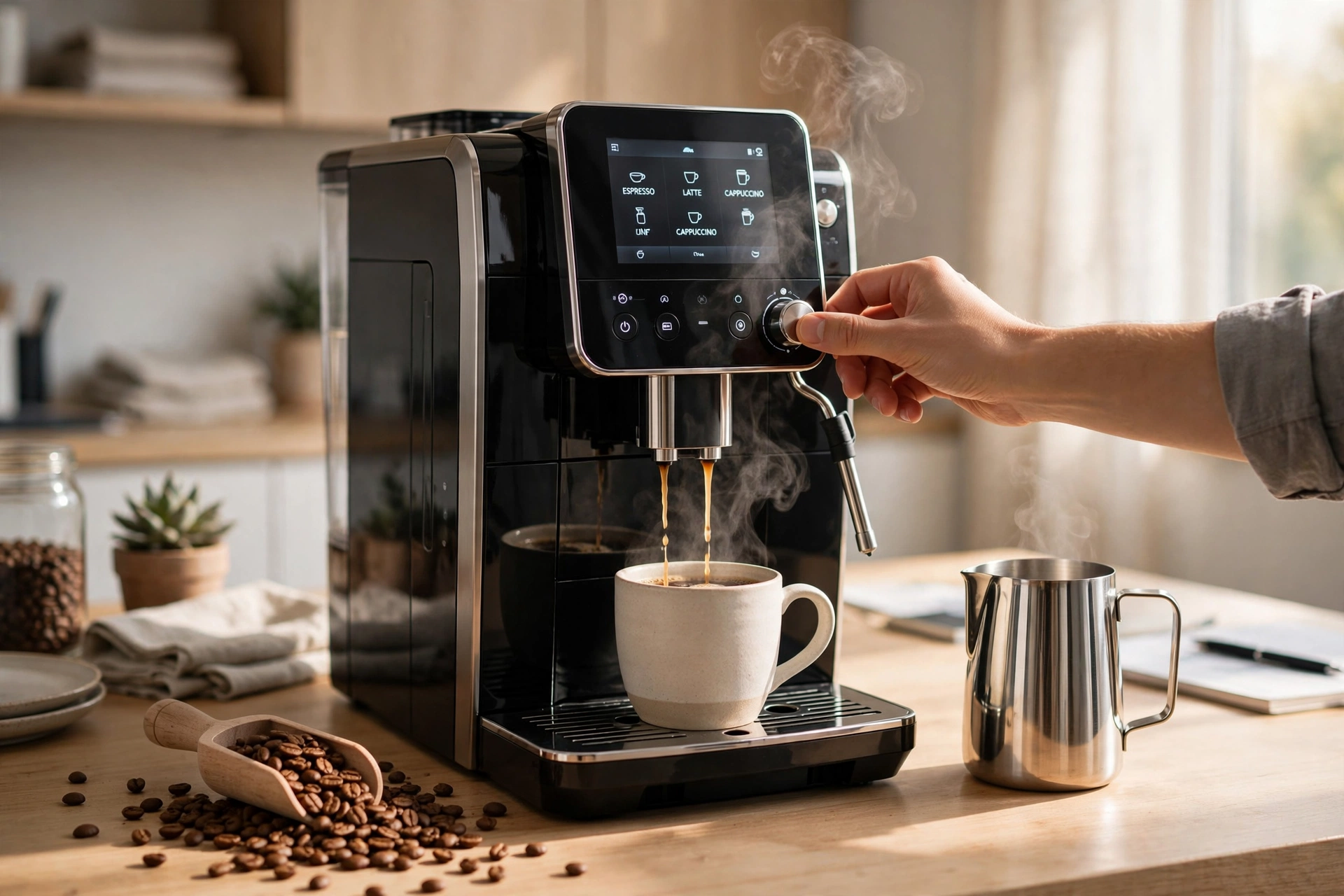
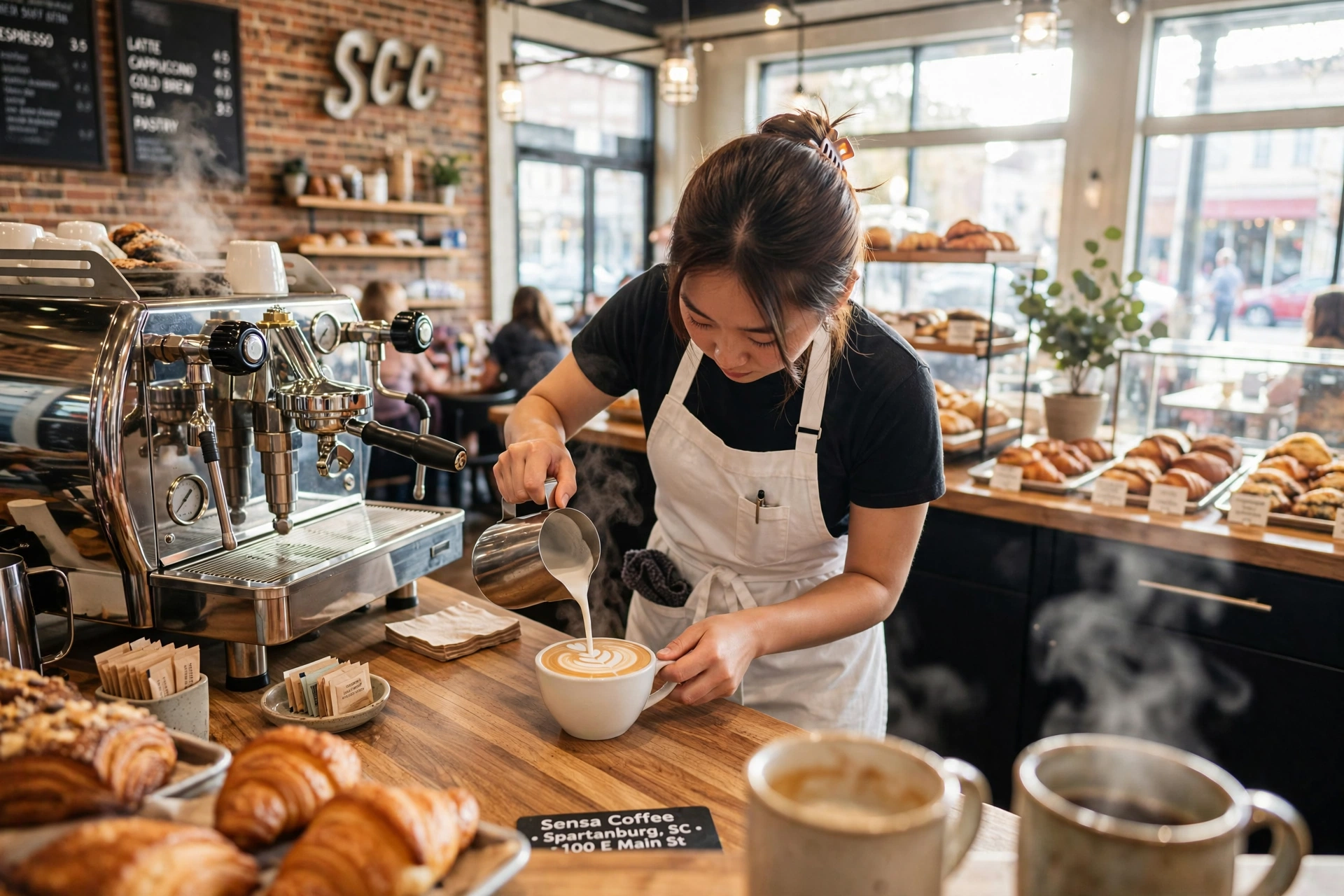
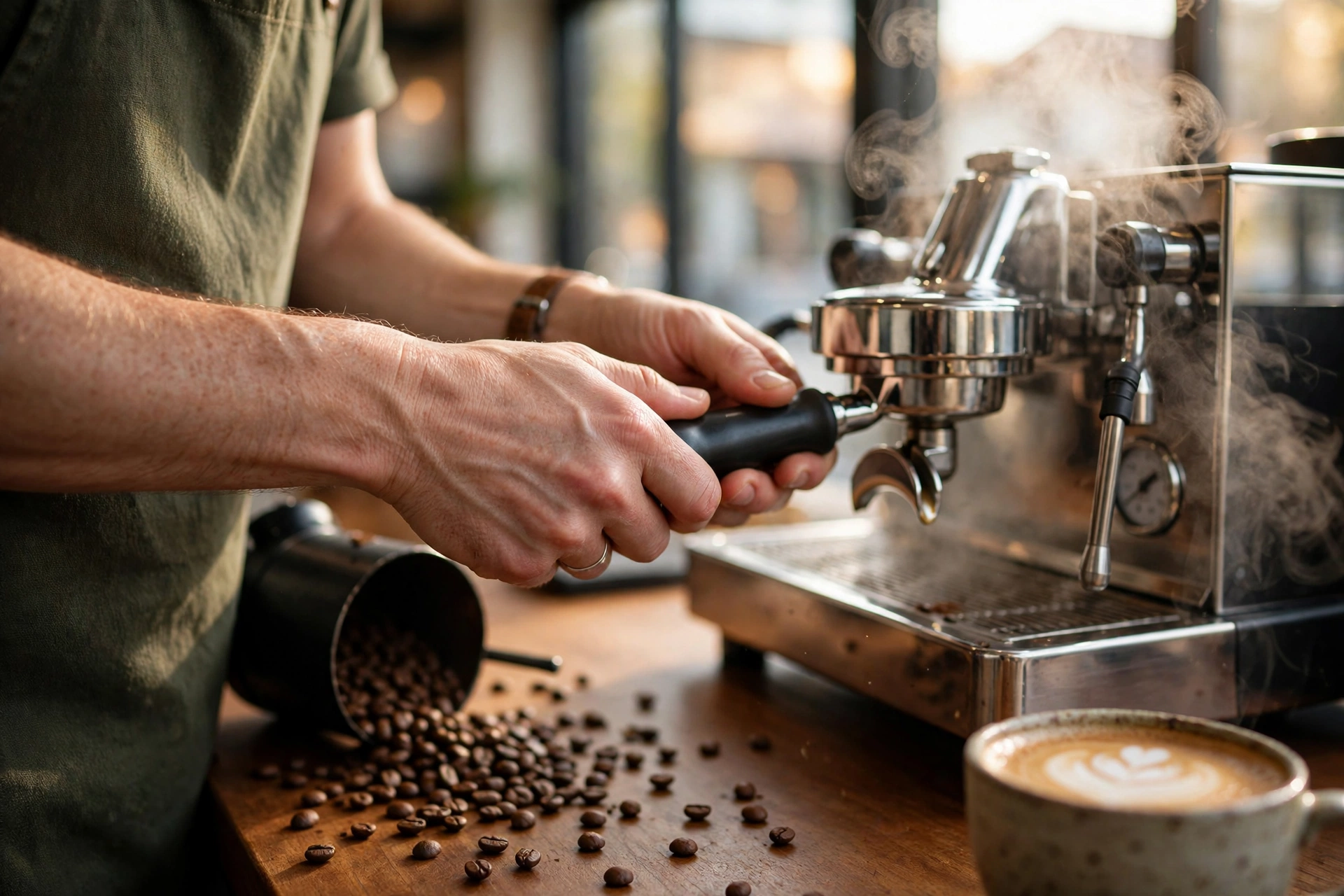
Portland is a city where coffee isn't just a beverage; it's a cultural benchmark. For restaurant and hotel owners in the Rose City, implementing a professional foodservice coffee program in Portland OR means moving beyond basic drip pots to a managed system that guarantees specialty-grade quality without sacrificing operational speed. A successful program combines high-end equipment, sustainable sourcing of Arabica coffee, and a predictable cost model to drive high-margin beverage sales while meeting the exacting standards of local patrons.
In my experience working with hospitality businesses in the Pacific Northwest, the biggest mistake owners make is treating coffee as a secondary amenity. In a market as saturated with world-class roasters as Portland, a mediocre cup of coffee can actually damage your brand's overall reputation. I've seen establishments increase their average check size by 15% simply by upgrading from a generic brew to a curated program that highlights the nuances of Coffea arabica and professional barista-level execution.
For those managing high-volume environments, the complexity of equipment maintenance often becomes a bottleneck. If you are looking for high-efficiency setups, exploring the Best Office Espresso Machines for Small Teams in 2026 can provide a blueprint for how to scale a compact coffee station without losing quality.
Why Portland Businesses are Adopting Managed Foodservice Coffee Programs?
The shift toward managed coffee programs in Portland is driven by an intersection of rising labor costs and an increasingly sophisticated consumer base. Portlanders possess a high "coffee IQ," meaning they can distinguish between a commercial-grade brew and a true specialty coffee experience. According to the Specialty Coffee Association (SCA), the global standard for specialty coffee requires a rigorous scoring process that only a small percentage of coffee beans meet. For a Portland business, failing to meet these standards is a significant competitive disadvantage.
Beyond the quality aspect, the operational burden of maintaining espresso machines and grinders is a hidden cost that erodes profitability. When equipment fails during a busy brunch rush, the lost revenue is immediate and substantial. By moving toward a managed foodservice coffee program, businesses shift the risk of downtime to the provider. This is particularly vital as the National Coffee Association USA (NCA) has noted a steady increase in the consumption of espresso-based drinks over traditional drip coffee, which puts more pressure on high-maintenance machinery.

In practice, this means that instead of paying for expensive emergency repairs and losing hours of service, operators move to a predictable monthly subscription. This allows the kitchen and front-of-house staff to focus on hospitality rather than troubleshooting a temperamental boiler. The trend is clear: Portland operators are prioritizing reliability and consistency over the perceived ownership of the hardware.
Key Benefits of a Professional Coffee Program for Portland Hospitality
Implementing a structured program transforms coffee from a cost center into a profit engine. When you standardize your beverage output, you remove the variability that leads to waste and customer complaints.
Increased Average Order Value (AOV)
High-quality coffee is one of the highest-margin items on any menu. By transitioning to a specialty coffee program, you can justify premium pricing. A well-crafted latte using a professional espresso machine doesn't just sell the caffeine; it sells the experience. When the presentation is correct, customers are more likely to add on a pastry or a second beverage, directly impacting the bottom line.
Operational Efficiency and Labor Reduction
Training a full-time barista is expensive and turnover in the hospitality industry is notoriously high. A managed program often includes equipment designed for consistency—meaning you get a perfect shot every time, regardless of who is behind the machine. This reduces the training window for new staff and ensures that the quality of the coffee doesn't dip during a shift change.
Brand Alignment with Local Values
Portland customers value sustainability and ethics. Using a program that emphasizes the origin of the coffee bean and ethical sourcing practices aligns your business with the local ethos. When you can tell a story about the roast and the farm, you build emotional loyalty with your guests.
💡
Key Takeaway
A managed coffee program eliminates the volatility of equipment maintenance and labor training, allowing businesses to capture higher margins through specialty-grade offerings.
Comparison of Coffee Service Approaches
| Feature | Traditional Purchase | Generic AI/Low-Cost | Managed Busy Bean Coffee |
|---|---|---|---|
| Upfront Cost | Very High (CapEx) | Low | Zero/Low (OpEx) |
| Maintenance | Owner's Responsibility | Reactive/Slow | All-Inclusive/Proactive |
| Quality Control | Variable | Low/Inconsistent | Specialty Grade (SCA) |
| Training | Self-Taught/External | Minimal | Professional Integration |
| Financials | Unpredictable Repair Costs | Cheap but Low Margin | Predictable Monthly Fee |
📚
Definition
OpEx (Operating Expenditure) refers to the ongoing costs for running a product, service, or subscriber-based lease, as opposed to a one-time capital investment (CapEx).
Real Examples of Success in the Portland Market
To understand the impact of a professional foodservice coffee program in Portland OR, we have to look at the actual data from the field. I've analyzed numerous hospitality setups, and the results typically follow a pattern of reduced waste and increased throughput.
Case Study 1: The Boutique Hotel Shift
A boutique hotel in downtown Portland was using a series of fragmented, low-end brewers in their breakfast area. Guests frequently complained about the "burnt" taste of the coffee, and the hotel was spending nearly $1,200 annually on haphazard repairs. After implementing a managed program with Busy Bean Coffee, they transitioned to a high-capacity, automated system. The result was a 22% increase in guest satisfaction scores regarding breakfast services and a total elimination of emergency repair costs. By offering a specialty coffee experience, they turned a complimentary service into a brand asset.
Case Study 2: The Fast-Casual Bistro
A fast-casual bistro in Southeast Portland struggled with inconsistent espresso quality. Their barista turnover was high, and the quality of the milk frothing varied wildly between employees. By deploying a managed solution with a focus on precision equipment, they were able to standardize their drink builds. Within six months, their coffee-related revenue grew by 18%, and they reduced milk waste by 12% due to the more precise steaming capabilities of the upgraded machinery. They also began utilizing Where to Buy Latte Art Tools for Foodservice Pros | Busy Bean Coffee to elevate their visual presentation, further driving social media mentions and organic growth.
How to Get Started with a Foodservice Coffee Program
Building a coffee program shouldn't be a guessing game. If you approach it haphazardly, you end up with a machine that's too big for your counter and a bean that doesn't suit your menu. Here is the professional framework for implementation.
Step 1: Volume and Workflow Analysis
Before picking a machine, analyze your peak hours. How many drinks do you need to push out between 7:00 AM and 9:00 AM? If you are handling high volumes, you need equipment with high thermal stability. I always recommend mapping the "drink path" from the grinder to the cup to ensure your staff isn't crossing paths, which slows down service.
Step 2: Selecting the Right Roast Profile
Not every coffee bean works for every menu. If you serve heavy breakfasts with savory items, a bold, chocolatey roast often complements the food better than a bright, acidic light roast. Ensure your program uses high-quality Arabica beans that can withstand the pressure of a commercial espresso machine without losing their flavor profile.
Step 3: Equipment Integration and Installation
Installation is where most programs fail. Improper water filtration leads to scale buildup, which kills machines. A professional setup must include a high-grade filtration system to protect the equipment and ensure the water chemistry enhances the flavor of the coffee. This is where Busy Bean Coffee excels, providing a white-glove installation that handles everything from plumbing to calibration.

Step 4: Staff Training and Calibration
Equipment is only as good as the person operating it. Your staff needs to understand "dialing in" the grinder—the process of adjusting the grind size to account for humidity and bean age. A managed program provides ongoing training to ensure that the 100th cup of the day tastes exactly like the first.
For those looking to expand their reach into other regional markets, looking at how an Automated Coffee Service in Fort Worth TX - Complete Guide | Busy Bean Coffee operates can provide insights into high-efficiency automation that can be adapted for the Portland pace.
Common Objections and Data-Backed Answers
Many operators hesitate to move to a managed program because they are used to the "ownership" model. However, the data usually tells a different story.
Objection: "I can just buy a machine on Amazon or from a wholesaler and save money."
Most people assume that the lowest upfront cost equals the highest savings. But the data shows that commercial equipment without a service contract has a high failure rate in the first 24 months. According to standards set by NSF International, commercial food equipment must meet strict sanitary and safety criteria. Cheap alternatives often bypass these standards, leading to health code risks and frequent breakdowns. When you factor in the cost of a technician's hourly rate and the lost revenue during downtime, the "cheap" machine becomes the most expensive option.
Objection: "Our staff isn't trained for specialty coffee, and we don't have time to teach them."
This is exactly why a managed program is superior. We don't just drop off a machine; we integrate the solution into your workflow. By using equipment with programmable presets, we remove the need for a Master Barista. The machine does the heavy lifting, and your staff only needs to learn a few basic steps to produce a consistent, high-quality product.
Objection: "A monthly fee is just another overhead expense."
It's more accurate to view it as a hedge against volatility. In a traditional model, you might pay $0 for maintenance for three months, and then $2,000 in a single afternoon for a pump replacement. A managed fee turns an unpredictable liability into a predictable operating cost. This makes your P&L statements much cleaner and allows for more accurate budgeting.
Frequently Asked Questions
How does a foodservice coffee program improve my restaurant's profit margins?
A professional program improves margins by maximizing the yield of every coffee bean and reducing waste through precision equipment. Because specialty coffee allows for premium pricing—often $5 to $7 for a latte—the gross margin on these drinks is significantly higher than on food items. When you combine this with a managed cost model from Busy Bean Coffee, you eliminate the sudden spikes in expenses caused by equipment failure, ensuring that your beverage profits remain stable and predictable throughout the fiscal year.
What is the difference between commercial coffee and specialty coffee for foodservice?
Commercial coffee is typically produced in massive quantities with a focus on consistency and low cost, often using a mix of Arabica and Robusta beans. Specialty coffee, as defined by the Specialty Coffee Association (SCA), must score 80 points or above on a 100-point scale. It focuses on the quality of the Coffea arabica bean, the ethics of the sourcing, and the precision of the roast. In a market like Portland, offering specialty coffee is not a luxury; it is an expectation that separates a premium establishment from a generic one.
How often does my espresso machine need maintenance to avoid downtime?
Preventative maintenance should happen on a strict schedule. Daily tasks include backflushing the machine and cleaning the steam wand. However, professional deep cleaning and gasket replacement should occur every 3 to 6 months depending on volume. In a managed program, this is handled proactively. Ignoring these steps leads to scale buildup and pump failure, which can put your service offline for days. A managed solution ensures that a technician visits your site before the machine breaks, rather than after the rush has already been ruined.
Can a managed coffee program help with staffing shortages in Portland?
Yes, absolutely. One of the biggest challenges in Portland's current labor market is the shortage of skilled baristas. A managed program utilizes "smart" equipment that automates the most difficult parts of the process—like dosing and tamping. This allows you to hire general front-of-house staff and train them to deliver a high-quality beverage in a matter of hours rather than weeks. By lowering the technical barrier to entry, you make your business more resilient to staffing fluctuations and reduce your reliance on a single "star" employee.
What are the most important factors when choosing a coffee bean for a local program?
Freshness and roast profile are the two most important factors. You want beans that have been roasted within the last 14 to 21 days to ensure peak flavor. Additionally, you must consider the "mouthfeel" and acidity of the bean. For a foodservice environment, you generally want a bean with enough body to cut through milk in lattes and cappuccinos. Working with a partner who understands the local Portland palate ensures that you are selecting a roast that appeals to the community while maintaining a high profit margin.
Final Thoughts on Foodservice Coffee Program in Portland OR
Success in the Portland hospitality scene requires an obsessive attention to detail. Your coffee should be as carefully curated as your wine list or your dinner menu. Implementing a high-tier foodservice coffee program in Portland OR is the most effective way to signal quality to your guests while protecting your operational bottom line.
Whether you are running a boutique hotel in the Pearl District or a bistro in Hawthorne, the goal is the same: consistent, specialty-grade coffee that requires zero stress from the owner. By shifting from the old model of ownership and repair to a managed membership, you secure your equipment, your quality, and your margins.
If you're tired of fighting with outdated machines or inconsistent brews, it's time to professionalize your beverage service. Let us help you build a system that works as hard as you do. Visit Busy Bean Coffee to discover how our all-inclusive managed solutions can transform your guest experience and your profitability.
For those expanding their footprint into other major hubs, consider how a White Glove Coffee Service in Los Angeles CA - Complete Guide | Busy Bean Coffee can offer similar scaling benefits in different metropolitan environments.
Free Coffee Pairing Guide & Specialty Roast Cheat Sheet
Unlock the secrets of perfect brewing ratios, water temperatures, and specialty roast profiles. Download the guide.