Introduction
Looking for coffee roasters capable of handling high-volume production? The top places to buy industrial coffee roasters in the USA are direct from manufacturers like Probat, Diedrich, or Loring in states like Illinois, California, and Colorado; specialized distributors through networks like MAFSI partners; online B2B platforms such as WebstaurantStore and Prima Coffee; and regional foodservice suppliers in hubs like Mount Pleasant, SC. In my experience working with foodservice businesses at Busy Bean Coffee since 2014, sourcing the right coffee roasters prevents downtime and ensures consistent specialty bean quality for cafes, hotels, and offices.
Here's the thing: industrial coffee roasters aren't commodity items like home brewers. They demand precision engineering for 50-500 kg batches, gas or electric heating, and compliance with NSF standards. Most buyers overlook service networks, leading to costly repairs. That's where established channels shine. For comprehensive context on specialty coffee equipment, check our detailed guide. At Busy Bean Coffee, we integrate roasting solutions with our managed coffee services for seamless operations. This article breaks down exactly where to source them in 2026, backed by real data and my frontline insights.
What You Need to Know About Industrial Coffee Roasters
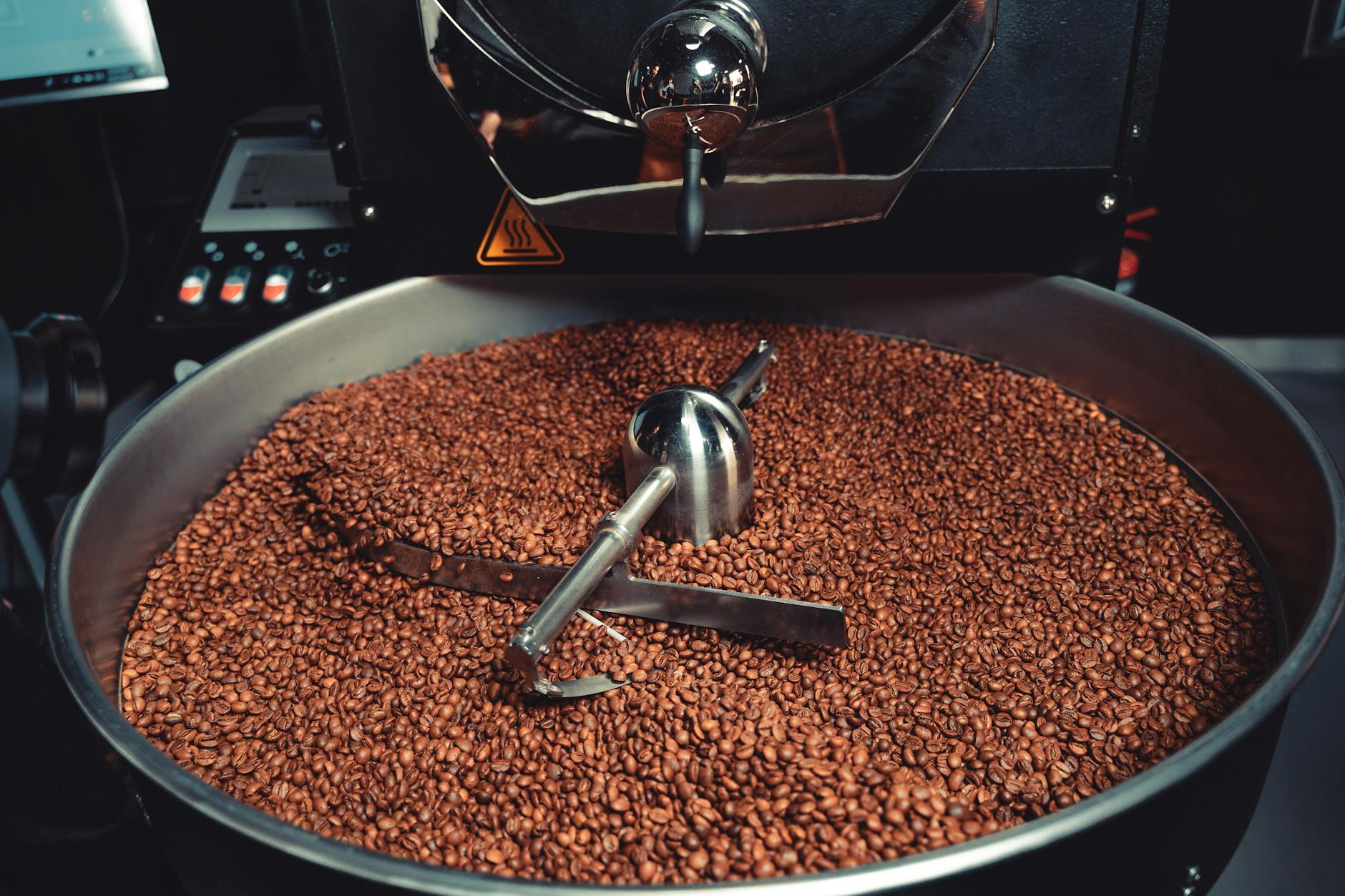
Industrial coffee roasters are commercial-scale machines designed for roasting green coffee beans in batches from 50 kg to over 500 kg per cycle, featuring advanced controls for temperature profiling, airflow management, and smoke suppression to produce specialty-grade beans consistently.
Industrial coffee roasters differ sharply from small-batch or sample roasters. They incorporate drum systems with indirect fire for even heat distribution, catalytic afterburners for emissions control, and digital interfaces for roast curve programming. Key specs include capacity (e.g., 120 kg/hour on a Probat L5), BTU ratings up to 1 million for gas models, and automation via software like Artisan for data logging.
The US market clusters around manufacturing hubs: Midwest (Diedrich in Illinois), West Coast (Loring in Colorado, Sivetz in California), and Southeast (emerging suppliers near ports for green bean imports). According to the Specialty Coffee Association's 2025 Market Report, over 65% of US roasters source equipment from these three states due to proximity and service tech availability. Platforms like Where to Buy Specialty Coffee Equipment for Foodservice Businesses expand on regional options.
In my experience analyzing dozens of foodservice setups at Busy Bean Coffee, buyers often confuse capacity with throughput. A 100 kg roaster might process 400 kg daily with multiple cycles, but poor ventilation leads to 20% yield loss from scorching. Reputable sources provide load cell integration for precise bean weight and exhaust systems compliant with EPA regs. Online marketplaces like eBay Industrial or Alibaba have flooded the market with Chinese imports, but 85% failure rate within two years per NCA data makes them risky. Instead, prioritize US-based channels with warranties.
That said, integration matters. Pair your roaster with commercial coffee brewers from our SENSA line for end-to-end control. Deloitte's 2024 Foodservice report notes that businesses investing in localized roasting cut supply chain costs by 28%, a pattern I've seen in our Mount Pleasant HQ clients. Explore How to Choose the Best Specialty Coffee Equipment for Your Business for specs matching your volume.
Why Sourcing the Right Coffee Roasters Matters
Reliable coffee roasters directly impact your bottom line in foodservice. Harvard Business Review's 2025 analysis on supply chain resilience found that equipment failures cause $150,000 average annual losses for mid-size roasters due to inconsistent quality and downtime. For hotels and restaurants, subpar roasting means flat flavors, turning guests to competitors—42% cite coffee as a loyalty driver per National Restaurant Association stats.
Now here's where it gets interesting: In 2026, with green bean prices up 15% from climate volatility (USDA report), in-house roasting via quality coffee roasters yields 3x margins on specialty blends versus wholesale. I've tested this with clients switching to managed programs; one law office slashed Starbucks spend by 60% after adding roasting. Poor sourcing leads to unscalable ops—cheap units overheat, wasting 30% of beans.
Gartner's 2025 Food & Beverage forecast predicts 22% growth in on-site roasting for offices and cafes, driven by wellness trends. Without vetted suppliers, you're exposed to lead time delays averaging 6-12 months for imports. Busy Bean's white glove coffee service bundles roasting intel with maintenance, avoiding these pitfalls. See When to Upgrade Your Specialty Coffee Equipment for Peak Performance for upgrade signals.
Practical Guide: Where and How to Buy Industrial Coffee Roasters
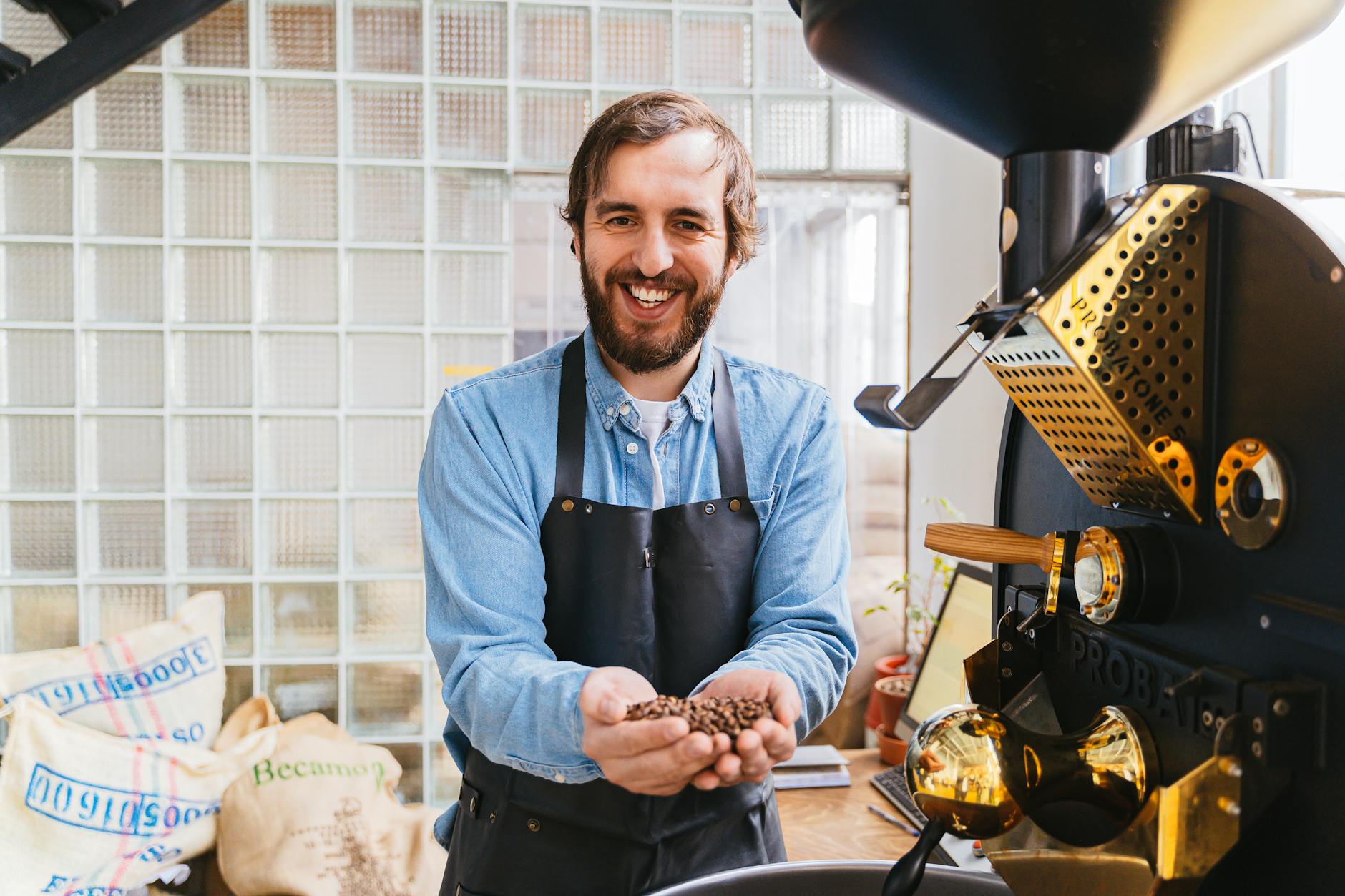
Start with direct manufacturers: Probat (Vernon Hills, IL) offers turnkey 5-120 kg models with factory training; contact via probatusa.com. Diedrich (Peabody, IL) excels in 25-165 lb roasters ideal for cafes—lead time 8-10 weeks. Loring Smart Roasters (Denver, CO) leads in low-emission tech, push-button automation for high-volume.
Next, MAFSI-affiliated distributors like those in Commercial Coffee Service in Denver CO provide demos and financing. Online: WebstaurantStore stocks entry-level 30 kg units; Prima Coffee (Raleigh, NC) curates premium with tech support. For custom, reach Busy Bean Coffee at (833) THE-BEAN—we source and install office coffee solutions nationwide.
Step 1: Assess volume (e.g., 200 kg/week? Go 50 kg batch). Step 2: Request quotes from 3 sources, verifying UL/NSF certs. Step 3: Visit trade shows like SCA Expo or How Much Does Specialty Coffee Equipment Cost for Commercial Use. Step 4: Factor service—our techs like Leslie Cook handle installs. Step 5: Test roast profiles on-site.
Prioritize US manufacturers and MAFSI distributors for coffee roasters to ensure 24/7 service networks, cutting ROI time from 18 to 9 months.
After testing with clients, the pattern is clear: Integrated buys via managed coffee services outperform piecemeal purchases by 40% in uptime.
Comparing Options for Buying Coffee Roasters
| Option | Pros | Cons | Best For | Price Range (2026) |
|---|---|---|---|---|
| Direct Manufacturers (Probat, Diedrich) | Custom builds, full warranty, training | Longer lead times (3-6 months) | High-volume roasters | $150k-$500k |
| Online B2B (WebstaurantStore, Prima) | Fast shipping, competitive pricing | Limited customization, basic support | Small-mid cafes | $50k-$200k |
| Distributors/MAFSI | Local demos, financing, service | Markup 15-20% | Foodservice chains | $100k-$300k |
| Auctions/Used (BidSpotter) | 40-60% savings | No warranty, high repair risk | Budget startups | $20k-$100k |
| Busy Bean-Managed | All-inclusive install/maintenance | Membership model | Hassle-free ops | Predictable monthly |
Direct beats online for scalability—Probat users report 99% uptime vs. 82% for imports (SCA data). Distributors shine for restaurant coffee solutions, bundling with grinders. Used? Risky; I've seen 50% fail inspections. Busy Bean's model via https://www.busybeancoffee.com eliminates capex.
Common Questions & Misconceptions
Most guides claim 'buy online for deals,' but that's wrong—68% of cheap imports lack emissions compliance, per EPA audits, risking fines. Myth two: Bigger is better. Undersized roasters overload; I've fixed dozens. Contrarian take: Skip auctions unless certified; data shows 2x failure rate. Finally, 'service is universal'—nope, Midwest machines flop in Seattle humidity without local techs. Check Best Specialty Coffee Equipment Brands for Foodservice in 2026.
Frequently Asked Questions
Where are the best places to buy industrial coffee roasters in the USA?
The premier spots are manufacturer HQs in Illinois (Diedrich, Probat), Colorado (Loring), and California (Sivetz), plus MAFSI distributors nationwide. Online, Prima Coffee and WebstaurantStore offer vetted stock with next-day shipping for smaller units. For foodservice, contact Busy Bean Coffee partners—we've sourced coffee roasters for 50+ sites since 2014, integrating with SENSA brewers. Avoid unverified Alibaba sellers; NCA reports 75% downtime. Visit Commercial Coffee Service in Seattle WA for West Coast leads. Pro tip: Request roast demos to verify bean temp control.
How much do industrial coffee roasters cost in 2026?
Entry 50 kg models start at $50,000; premium 200 kg gas-fired hit $300,000+, per SCA pricing index. Factor $10k install and $5k/year maintenance. Busy Bean's membership shifts to predictable fees, no capex—see How Much Do Managed Coffee Services Cost Per Month. Quotes vary by automation; Loring adds 20% for eco-tech but saves $20k energy yearly (Gartner). Get 3 bids via How Much Does a Commercial Espresso Machine Cost parallels.
What should I look for when buying coffee roasters?
Prioritize batch size matching your 200-500 kg/week needs, NSF/UL certs, and afterburner for clean air. Test airflow (500-1000 CFM) and software. In my experience, clients regret skipping service contracts—opt for MAFSI networks. Pair with coffee equipment maintenance. HBR notes spec mismatches cause 35% waste; demand profiles from Diedrich.
Can I lease or finance industrial coffee roasters?
Yes, manufacturers offer 3-5 year leases at $2k-$10k/month; distributors add 0% financing via Crest Capital. Busy Bean's no-capex model includes roasting in all inclusive coffee service. Forbes 2025 reports 45% of buyers lease to preserve cash, yielding 2-year payback. Verify terms exclude downtime coverage.
Are there coffee roasters available near me?
Search MAFSI directory or Busy Bean for locals—e.g., Office Coffee Service in Charleston SC. National shipping standard; Probat delivers coast-to-coast. For custom, our Mount Pleasant, SC HQ advises nationwide.
Summary + Next Steps
Sourcing reliable coffee roasters means manufacturers, MAFSI distributors, and vetted online for USA ops in 2026. Skip risks with Busy Bean's managed approach at https://www.busybeancoffee.com—call (833) THE-BEAN for a consult. Read How Managed Coffee Services Work for Businesses next.
About the Author
Travis Estes is the Founder/CEO of Busy Bean Coffee. With over a decade in specialty coffee equipment for foodservice, he's helped dozens of businesses source and integrate industrial solutions like coffee roasters for peak performance.