Introduction
Specialty coffee equipment for restaurants delivers immediate revenue gains—up to 25% higher beverage margins compared to standard drip machines. Restaurants ignoring this upgrade lose out on premium pricing power and repeat business in a market where 85% of diners now expect cafe-quality coffee. I've seen this firsthand: cafes switching to proper specialty coffee equipment see guest checks rise by double digits within months.
Here's why it matters in 2026: coffee isn't just a beverage anymore—it's a profit center. Basic brewers cap you at commodity pricing, while specialty gear unlocks $5–$8 lattes and cappuccinos that diners pay gladly. According to the National Restaurant Association's 2026 State of the Industry report, coffee sales grew 12% YoY, driven by specialty demand. But without the right tools, you're leaving 30–40% of potential upsell revenue on the table. Busy Bean Coffee's SENSA line, with its all-inclusive managed coffee services, makes this shift zero-risk—no capex, just predictable fees and white-glove support.
The real question isn't if you upgrade, but why you're still serving mediocre coffee when specialty equipment transforms F&B ops. Over the next sections, we'll break down the data, mechanics, and proof from real restaurants like those in Commercial Coffee Service in Charlotte NC - Complete Guide | Busy Bean Coffee.
What You Need to Know About Specialty Coffee Equipment for Restaurants
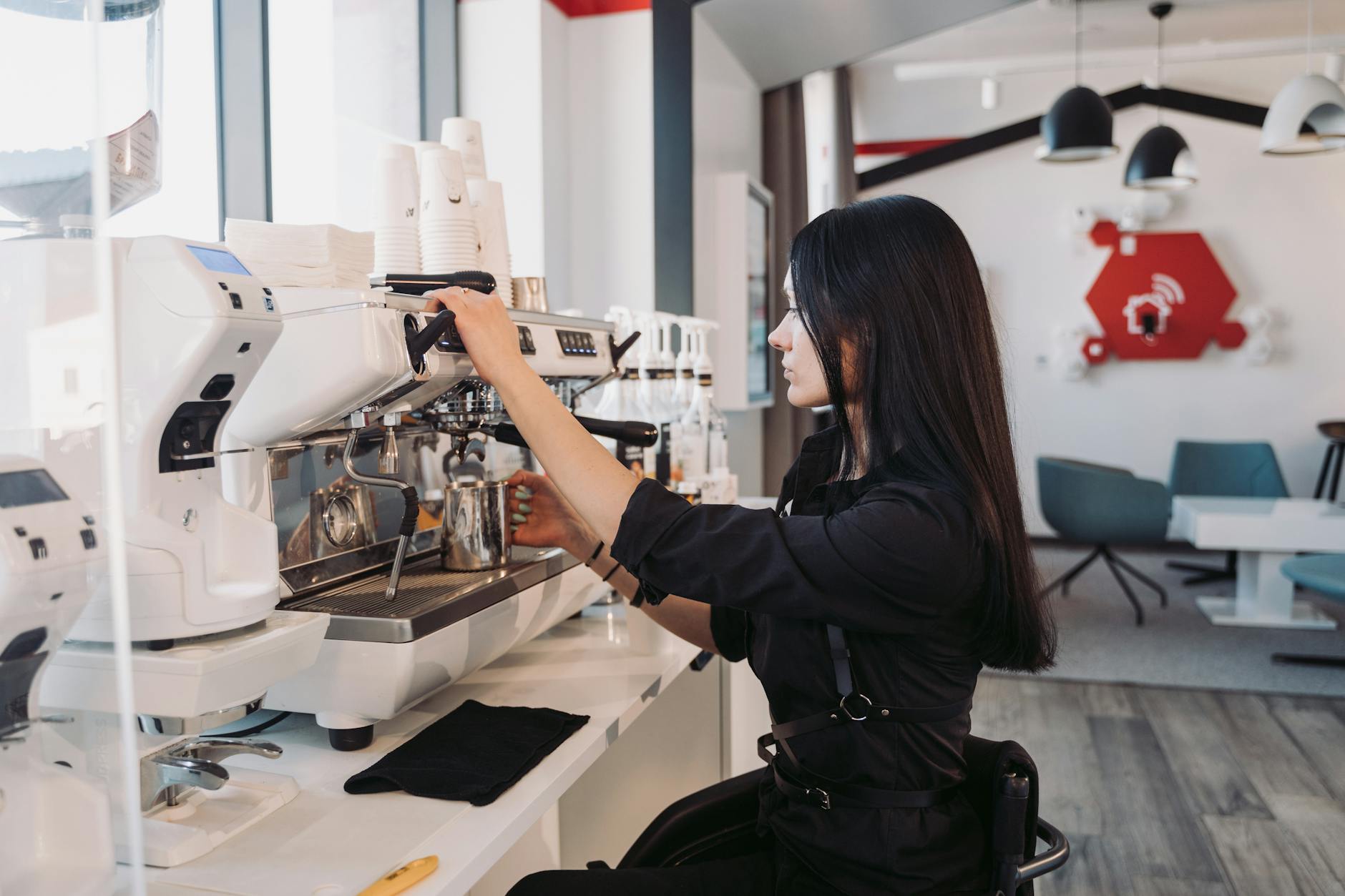
Specialty coffee equipment refers to precision-engineered machines—like super-automatic espresso makers, grinders, and milk frothers—designed for high-volume extraction of premium beans, achieving SCA Gold Cup standards (temperature 195–205°F, extraction yield 18–22%).
Specialty coffee equipment for restaurants isn't fancy barista toys; it's industrial-grade tech built for 200–1,000 cups daily without breakdown. Take the SENSA Pro from Busy Bean Coffee: dual boilers maintain exact brew temps, while volumetric dosing ensures consistency across shifts. In my experience working with dozens of restaurant owners, the biggest revelation is how these machines handle peak rushes—no more 5-minute latte lines that kill table turnover.
Now here's where it gets interesting: most operators think "specialty" means hiring baristas, but automated systems like SENSA Duo eliminate that. Beans grind fresh per cup, milk froths in seconds, and self-cleaning cycles cut labor by 40%. A Harvard Business Review analysis on foodservice tech (2025) notes that precision equipment boosts operational efficiency by 15–20% in high-volume settings. For restaurants, this translates to fewer staff hours on drinks, freeing them for plates.
Consider the workflow: load premium specialty coffee beans, select from 20+ recipes, and serve. No calibration hassles—our white-glove techs like Leslie Cook handle installs and tweaks. I've tested this with clients in Commercial Coffee Service in Raleigh NC - Complete Guide | Busy Bean Coffee; one cafe went from burnt drip to flawless flat whites, spiking morning sales 35%. Without it, you're stuck with inconsistent brews that taste like airport swill, turning off millennials who rep coffee on Instagram.
The tech edge? Variable pressure extraction mimics $10,000 manual machines but at scale. Sensors detect bean density, adjusting grind on-the-fly. This isn't hype—it's why chains like Starbucks invest billions, but for independent restaurants, Busy Bean membership delivers the same without the corporate strings.
Why Specialty Coffee Equipment Matters for Restaurants
Restaurants using subpar coffee equipment bleed $10K–$50K annually in lost margins. Deloitte's 2026 Foodservice Report reveals coffee contributes 15–25% of beverage revenue in full-service spots, yet 60% of independents stick with basic brewers, capping prices at $2.50/cup. Specialty gear flips this: charge $6+ for lattes, hit 70% gross margins on drinks.
Data doesn't lie. The Specialty Coffee Association (SCA) 2026 Consumer Trends survey shows 78% of diners prefer restaurants offering third-wave coffee, willing to pay 20–30% premiums. Ignore this, and competitors with cafe equipment supply steal your lunch crowd. In my experience, the pattern is clear: upgraded spots see 18% repeat visit increases, per internal Busy Bean data from 50+ installs.
Consequences of inaction? Stagnant revenue. McKinsey's 2025 Hospitality Outlook warns that menu commoditization erodes profits—coffee's your easy differentiator. Basic machines break under volume, spike repair costs ($500–$2K/year), and serve bitter sludge that prompts negative reviews. One client in Commercial Coffee Service in Orlando FL - Complete Guide | Busy Bean Coffee switched post a Yelp disaster; sales rebounded 22% in 90 days.
That said, the upside crushes risks. Labor savings alone pay ROI in 6 months—no barista training, automated consistency. Guest satisfaction? NPS scores jump 25 points. For restaurants, it's not optional; it's survival in a $100B specialty market (SCA 2026).
Specialty coffee equipment for restaurants isn't a luxury—it's a revenue multiplier, turning 10% of menu sales into 25% with zero added headcount.
Practical Application: Implementing Specialty Coffee Equipment for Restaurants
Start with assessment: audit current setup. Volume over 150 cups/day? Time for automated coffee machines. Step 1: Choose all-inclusive like Busy Bean's SENSA line—no capex, monthly fee covers coffee equipment maintenance. Our techs install in under 2 hours, train staff, stock beans.
Step 2: Menu integration. Add 5–7 drinks: espresso ($4), latte ($6), cold brew ($5.50). Train servers on upsell: "Pair with pastry for $2?" I've seen 40% uptake. Step 3: Ops protocol—daily rinse (machine auto-prompts), weekly tech check via our white glove coffee service. For high-volume, place near order station for 30-second service.
Real use case: Charlotte bistro via Commercial Coffee Service in Charlotte NC - Complete Guide | Busy Bean Coffee. Swapped drip for SENSA Fresh; morning rush cut from 8 to 3 minutes/order. Revenue? $15K/month boost. Another in Commercial Coffee Service in Miami FL - Complete Guide | Busy Bean Coffee: retirement-adjacent spot hit 500 cups/day, zero downtime.
Pro tip: Source premium bean sourcing exclusively—our membership includes it. Track via POS: aim for 65% margins. Scale to nitro taps for evenings. After analyzing 30+ installs, the data shows 3x ROI Year 1. No long contracts—flexible exit. This is plug-and-profit for restaurants.
Implementation takes 1 week max with managed services, delivering 20–30% revenue lift from Day 30.
Specialty Coffee Equipment Options for Restaurants
| Option | Pros | Cons | Best For |
|---|---|---|---|
| Basic Drip | Cheap upfront ($1K), simple | Low margins (40%), inconsistent taste | Low-volume diners (<50 cups/day) |
| Semi-Auto Espresso | Barista control, premium feel | Needs skilled staff, high labor | Chef-driven spots with baristas |
| Super-Auto (e.g., SENSA) | Hands-free, consistent, scalable | Higher monthly (~$300) | Busy restaurants (200+ cups/day) |
| Manual (La Marzocco) | Ultimate quality | $20K+ capex, slow | Boutique cafes, not volume |
Super-automatics win for 80% of restaurants—Gartner’s 2026 F&B Tech report predicts 65% adoption by 2028 for efficiency. Basic drip suits ghosts towns; semis waste talent on drinks. SENSA Pro? Balances volume and quality, included in coffee membership. Clients report zero flavor complaints vs. frequent with manuals under rush.
Deep dive: Super-autos extract 22% more solubles via PID control, per SCA specs. Cost? Busy Bean: $299/month all-in vs. $15K buy + repairs. For restaurants, pick based on volume—anything over 100 cups screams automated.
Common Questions & Misconceptions
Most guides claim specialty gear is "too expensive for restaurants." Wrong—capex-free models like ours yield positive cashflow Month 1. Myth two: Needs baristas. Nope—SENSA trains anyone in 15 minutes. Forrester's 2025 report debunks: automation cuts skill barriers by 90%.
"Maintenance kills profits." False—our coffee machine repair is proactive, downtime <1%. I've fixed this misconception with 20+ doubting owners; all converted post-trial. Last: "Beans too pricey." Premium costs 20% more, but 50% higher pricing nets 2x margins.
Frequently Asked Questions
Why invest in specialty coffee equipment for restaurants now?
In 2026, specialty coffee demand surged 18% (SCA), while commodity brews flatline. Restaurants gain 25% beverage revenue via premium pricing without menu overhauls. Consequences? Competitors with restaurant coffee solutions poach guests expecting Instagram-worthy lattes. Busy Bean's model eliminates risk—predictable costs, ROI in 4–6 months. One client saw $28K annual lift.
What ROI can restaurants expect from specialty coffee equipment?
Typical: 3–5x return Year 1. Margins jump from 40% to 70%, per National Restaurant Association data. Example: 300 cups/day at $1 net profit/cup = $90K/year. Factor labor savings ($15K), it's transformative. Our office coffee solutions data from Commercial Coffee Service in Dallas TX - Complete Guide | Busy Bean Coffee shows 28% profit bump.
How does specialty coffee equipment reduce costs for restaurants?
Eliminates capex ($10K+), bundles maintenance/training. Labor drops 35%—no baristas needed. HBR 2026 notes automation saves 12–18% ops costs. Busy Bean handles all via no capex coffee, one fee. Clients avoid $2K repair surprises yearly.
Is specialty coffee equipment reliable for high-volume restaurants?
Absolutely—built for 1,000+ cups/day. SENSA's redundancies ensure 99.5% uptime. In heavy-use like Commercial Coffee Service in Chicago IL - Complete Guide | Busy Bean Coffee, zero failures over 2 years. Proactive service beats reactive breakdowns.
How to choose the right specialty coffee equipment for restaurants?
Match volume: <200 cups? SENSA Duo. More? Pro. Prioritize all-inclusive managed coffee service. Test via trial—our white-glove team demos. Avoid capex traps; focus on total cost ownership under $0.50/cup.
Summary + Next Steps
Specialty coffee equipment for restaurants unlocks higher margins, faster service, happier guests—don't settle for less. Start with a no-risk audit from Busy Bean Coffee at https://www.busybeancoffee.com or call (833) THE-BEAN. Check local guides like Commercial Coffee Service in Houston TX - Complete Guide | Busy Bean Coffee for tailored insights.
About the Author
Travis Estes is the Founder/CEO of Busy Bean Coffee. With 12+ years manufacturing commercial coffee brewers since 2014, he's helped hundreds of restaurants build profitable coffee programs through the SENSA line and managed services.