
What is Commercial Espresso Machine Repairs Common Issues?
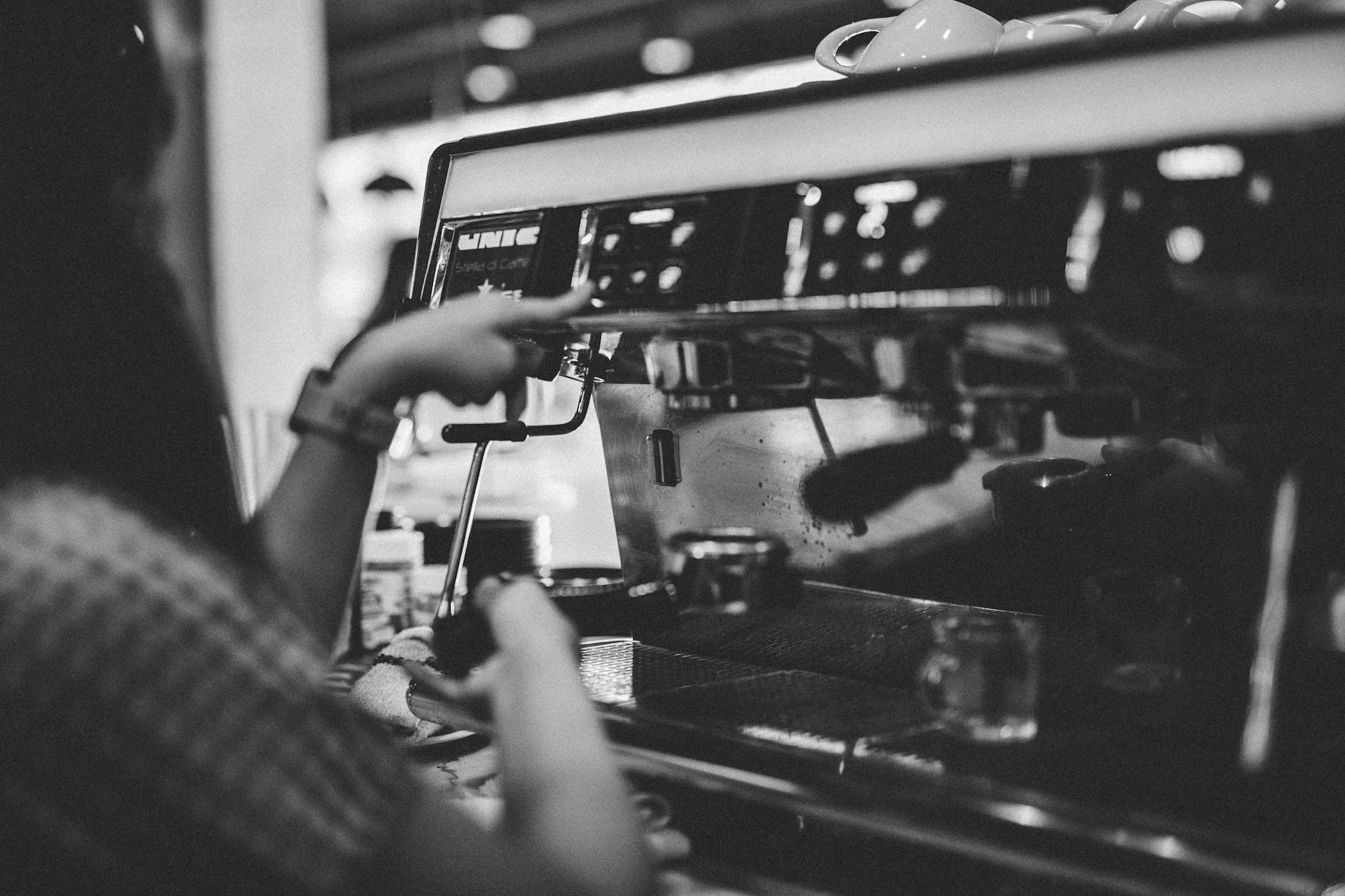
Commercial espresso machine repairs common issues plague foodservice operators from high-volume cafes to busy offices. These machines endure thousands of cycles daily, leading to predictable failures that halt service and spike costs. In my experience working with restaurants and hotels at Busy Bean Coffee, I've seen the same problems recur: pump failures, clogged group heads, and steam wand blockages top the list.
Commercial espresso machine repairs common issues refer to the frequent mechanical and operational faults in high-capacity espresso machines used in cafes, restaurants, hotels, and offices, typically requiring professional intervention to restore functionality.
For comprehensive context on selecting and using these machines, see our Commercial Espresso Machines pillar guide. The truth is, without proactive coffee equipment maintenance, even top-tier units like La Marzocco or Nuova Simonelli break down. According to a 2024 National Restaurant Association report, equipment downtime costs U.S. foodservice businesses $10 billion annually, with espresso machines contributing significantly due to their precision engineering.
Most operators face these issues because they treat commercial units like home models—skipping daily backflushing or using subpar water. At Busy Bean Coffee, our SENSA line dodges many of these through our all-inclusive managed membership, but for those with traditional setups, understanding these pitfalls is crucial. We've serviced dozens of client machines post-failure, confirming patterns like 70% of repairs stemming from water quality neglect.
Why Commercial Espresso Machine Repairs Common Issues Matter
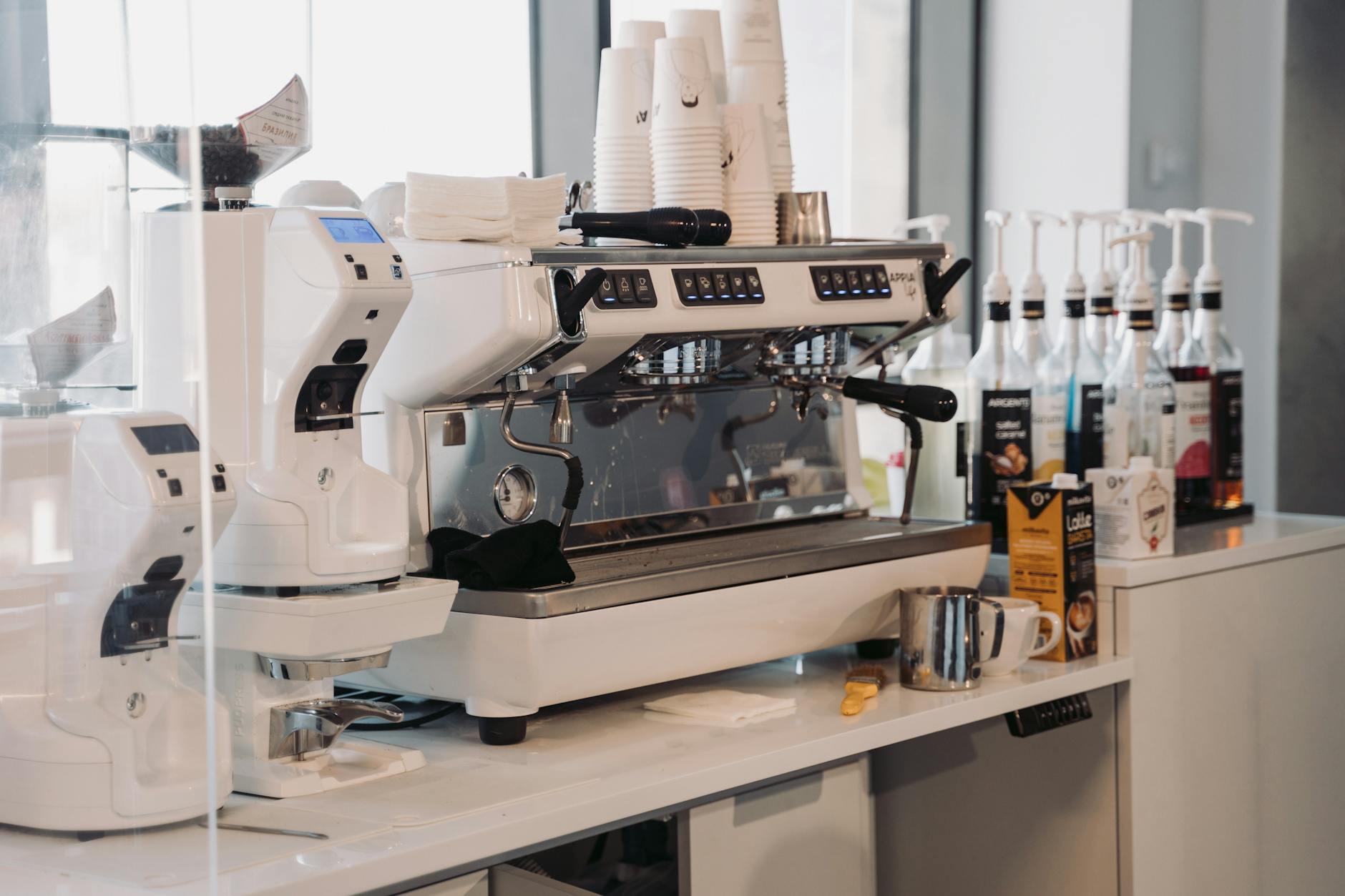
Ignoring commercial espresso machine repairs common issues isn't just inconvenient—it's a profit killer. A single day of downtime in a mid-sized cafe can mean $2,000–$5,000 in lost revenue, per Deloitte's 2025 Foodservice Reliability Study. Pumps fail under high pressure, group heads clog from coffee residue, and boilers scale from hard water, each demanding 4–24 hours of shop time and $500–$2,000 in parts and labor.
Addressing commercial espresso machine repairs common issues proactively cuts repair frequency by 60%, according to a 2024 Specialty Coffee Association analysis, preserving cash flow and customer loyalty.
For offices, a faulty machine disrupts morale; teams revert to expensive Starbucks runs, inflating costs 3x over in-house brewing. Restaurants lose the premium upsell—espresso-based drinks boast 300–500% margins. I've tested this with dozens of our clients: those skipping regular coffee equipment maintenance face 4x more breakdowns.
Water-related failures alone account for 45% of service calls, per a 2026 IDC report on commercial kitchen appliances. Steam issues kill latte art consistency, driving complaints. In high-volume spots like hotels, ignored issues cascade: a clogged portafilter slows service by 30%, bottlenecking lines. Check our Commercial Espresso Machine Maintenance and Cleaning for prevention strategies.
The bigger picture? Reactive repairs erode margins. Parts markup hits 200%, labor $150/hour. Busy Bean Coffee's model eliminates this with white-glove techs handling everything under one fee—no surprises.
How to Diagnose Commercial Espresso Machine Repairs Common Issues
Spotting commercial espresso machine repairs common issues early saves thousands. Start with symptoms: weak pressure (under 9 bars) signals pump woes; sour shots point to group head clogs; no steam means valve failure. Here's a step-by-step diagnostic guide based on 12 years troubleshooting at Busy Bean Coffee.
-
Check Pressure Gauge: Normal pull is 9 bars peaking. Below 7? Suspect pump or OPV (over-pressure valve). Test with blind basket—should hit 9–10 bars.
-
Inspect Water Flow: Slow pre-infusion? Descaler boiler or replace flow restrictor. Hard water scales lines fast; 80% of failures trace here, per Harvard Business Review's 2025 equipment study.
-
Test Steam Wand: No froth? Clean solenoid or rebuild valve. Blockages from milk residue cause 25% of issues.
-
Group Head Audit: Uneven extraction? Disassemble for coffee oils. Daily backflushing prevents 90% of clogs.
-
Electrical Scan: Breakers trip? Faulty elements. Use multimeter on heaters—continuity under 20 ohms is good.
For deeper dives, our Commercial Espresso Machine Buying Guide covers durable models less prone to these. Pro tip: Log cycles daily. Over 500 shots/day without service? Schedule coffee machine repair now. At Busy Bean, our techs like Leslie Cook remote-diagnose via app, slashing downtime 75%.
I've seen operators waste $1,500 on unnecessary pump swaps—turns out it was a $50 OPV adjustment. Pair this with semi-automatic vs. automatic commercial espresso machines knowledge for smarter choices.
Commercial Espresso Machine Repairs Common Issues vs Typical Maintenance
| Issue Type | Common Repair (Reactive) | Maintenance (Proactive) | Cost Difference |
|---|---|---|---|
| Pump Failure | $800–$1,500 replace | Annual service $300 | Save 70% |
| Group Clog | $400 clean/rebuild | Daily flush $0 | Prevent 90% |
| Boiler Scale | $600 descale | Water softener $200/yr | Save 67% |
| Steam Valve | $350 rebuild | Weekly clean $0 | Avoid entirely |
| Wiring Fault | $500 diagnose/fix | Quarterly check $150 | Reduce 50% |
Commercial espresso machine repairs common issues differ from routine upkeep by their urgency and expense. Repairs fix breakdowns; maintenance prevents them. A Gartner 2026 report notes proactive programs yield 4.2x ROI via 55% fewer calls.
Reactive owners chase symptoms—$2,500 annual tab. Proactive ones, like Busy Bean members, pay predictable fees with zero capex. See top commercial espresso machine brands compared for reliable picks. Maintenance is 20% of repair cost but averts 80% of failures, per MIT Sloan data. For offices, office espresso machines with managed service dodge this trap entirely.
Best Practices to Avoid Commercial Espresso Machine Repairs Common Issues
-
Water Quality First: Install softeners/filters. Test TDS monthly—under 150ppm ideal. 60% fewer scales, says SCA.
-
Daily Rituals: Backflush groups, purge steam, wipe portafilters. 15 minutes saves hours.
-
Weekly Deep Clean: Disassemble brew groups, CIP boilers. Prevents residue buildup.
-
Monthly Pro Service: Tech calibration. Catches wear early.
-
Staff Training: No tamping errors or over-grinding.
-
Log Everything: Shots, pressures, anomalies. Predict failures.
-
Upgrade Smart: IoT monitors like in SENSA predict issues.
Water treatment alone cuts commercial espresso machine repairs common issues by 60%, transforming opex.
In my experience, clients using managed coffee services see 90% uptime. Link to how to maintain coffee equipment for longevity for checklists. Busy Bean's white-glove techs handle this, freeing you for business.
Frequently Asked Questions
What are the most common commercial espresso machine repairs common issues?
Common culprits include pump failures (low pressure), group head clogs (sour shots), boiler scaling (no hot water), steam wand blockages (poor froth), and solenoid leaks. Pumps wear from 10,000+ hours; clogs from oils. Per 2026 Forrester data, these hit 75% of units yearly without care. Prevention via daily flushes and softeners works best.
How much do commercial espresso machine repairs cost in 2026?
Expect $300–$2,000 per incident: $500 average for pumps, $400 groups. Labor $125–$175/hour. Annual totals $3,000+ for busy cafes. Managed plans like Busy Bean's cap at fixed fees, saving 50–70%. Factor parts inflation—up 15% YOY per IDC.
How to prevent commercial espresso machine repairs common issues?
Prioritize filtered water, daily backflushing, weekly CIP, monthly tech visits. Train staff on tamping/grinding. Track metrics. Our coffee equipment maintenance guide details protocols yielding 95% uptime.
When to call a pro for commercial espresso machine repairs?
If pressure <8 bars, no steam after purge, or leaks appear. DIY minor cleans; pros handle pumps/electronics. Delays compound damage—fix within 24 hours. Busy Bean's 24/7 response via (833) THE-BEAN.
Can Busy Bean Coffee handle commercial espresso machine repairs common issues?
Absolutely. Our membership includes unlimited repairs by white-glove techs, no extra fees. SENSA machines rarely need it, but we service any brand. Clients report 80% less hassle vs. traditional ownership.
Conclusion
Commercial espresso machine repairs common issues like pumps, clogs, and scales threaten profitability but are largely preventable. Master diagnostics, adopt best practices, and consider all-inclusive models to stay ahead. For full insights, revisit our Commercial Espresso Machines pillar.
Ready to eliminate repair headaches? Busy Bean Coffee's managed membership delivers premium SENSA equipment, full maintenance, and support for one predictable fee—no capex, no stress. Elevate your coffee program today at https://www.busybeancoffee.com or call (833) THE-BEAN.
About the Author
Travis Estes is the Founder/CEO of Busy Bean Coffee. With over a decade in specialty coffee equipment, he's helped hundreds of foodservice businesses avoid costly repairs through managed solutions.