When Is the Right Time to Switch to Automated Coffee Machines?
The moment a business realizes its coffee service is no longer a perk but a bottleneck is the exact time to transition to automated coffee machines. In my experience working with high-volume foodservice operations, the "tipping point" usually occurs when the labor cost of manually preparing specialty drinks exceeds the cost of a managed lease, or when customer wait times during the morning rush lead to measurable revenue loss. If your staff is spending more than 15% of their shift managing coffee prep and cleanup rather than engaging with guests, you have already passed the optimal window for manual brewing.
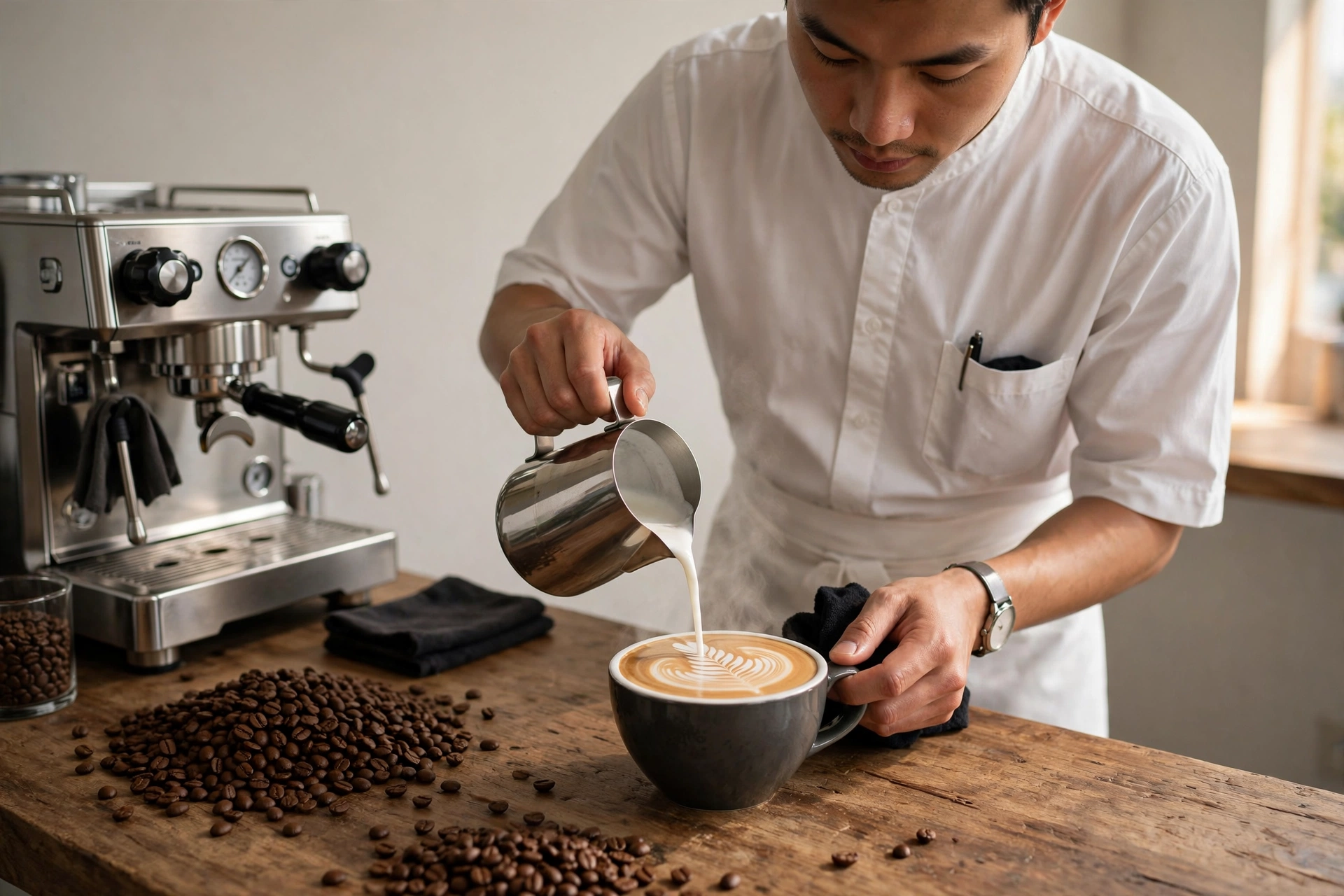
The transition to automation isn't about replacing the craft of coffee; it is about scaling quality. When your volume hits a threshold where consistency begins to dip, meaning the tenth latte of the hour tastes different from the first, automation becomes the only way to protect your brand reputation. For most hotels, restaurants, and cafes in Mount Pleasant, SC, and beyond, this transition should happen the moment growth outpaces the speed of a human barista's workflow.
Understanding the Mechanics of Modern Beverage Automation
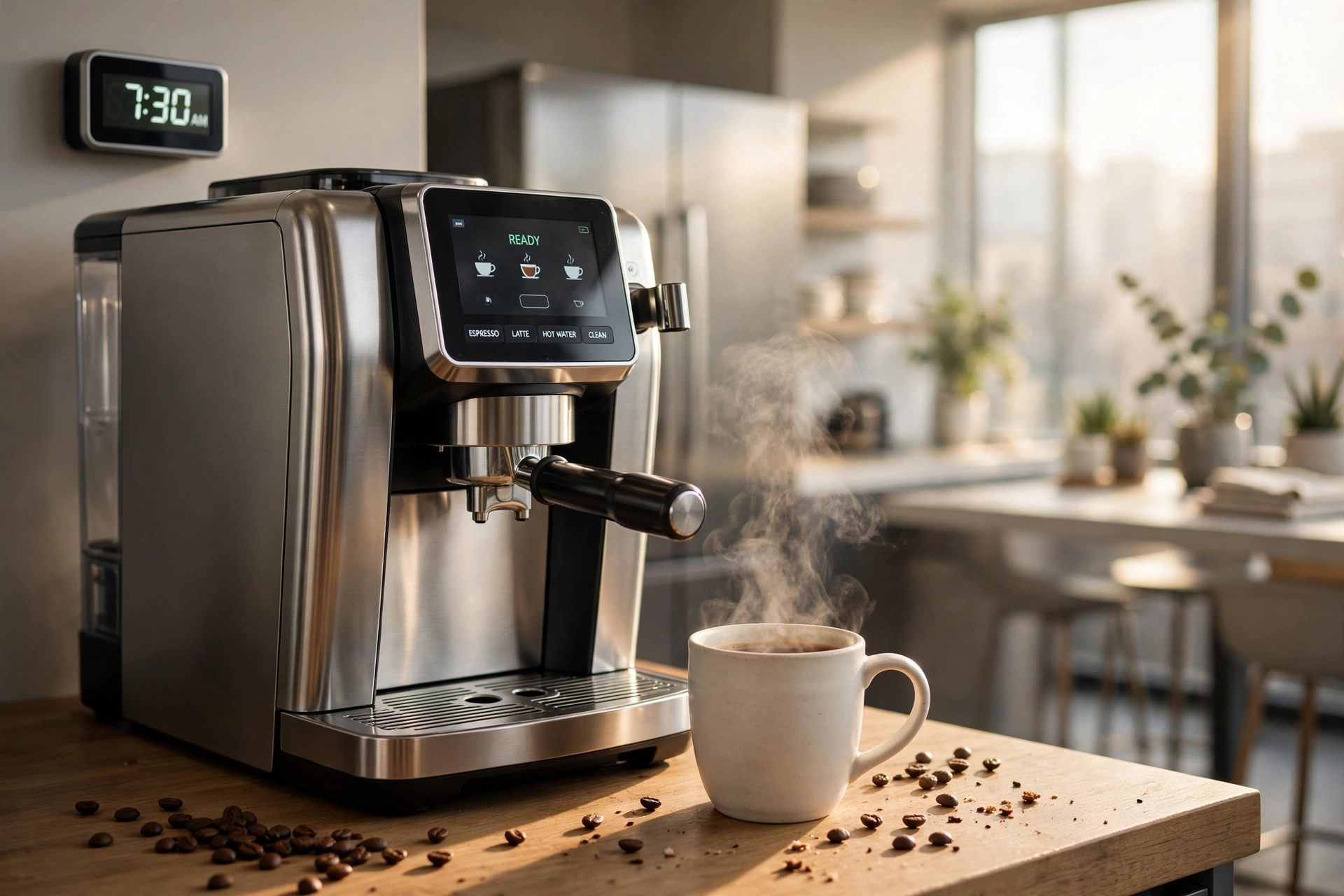
To determine the timing for an upgrade, one must first understand what these systems actually do. Unlike the rudimentary "pod" machines found in home offices, commercial-grade automation integrates precision grinding, temperature control, and milk texturing into a single synchronized workflow.
📚
Definition
Automated coffee machines are professional-grade beverage systems that utilize programmable logic controllers (PLCs) to replicate the exact movements of a barista, from the precise dose of coffee bean extraction to the aeration of milk, ensuring a standardized output regardless of the operator's skill level.
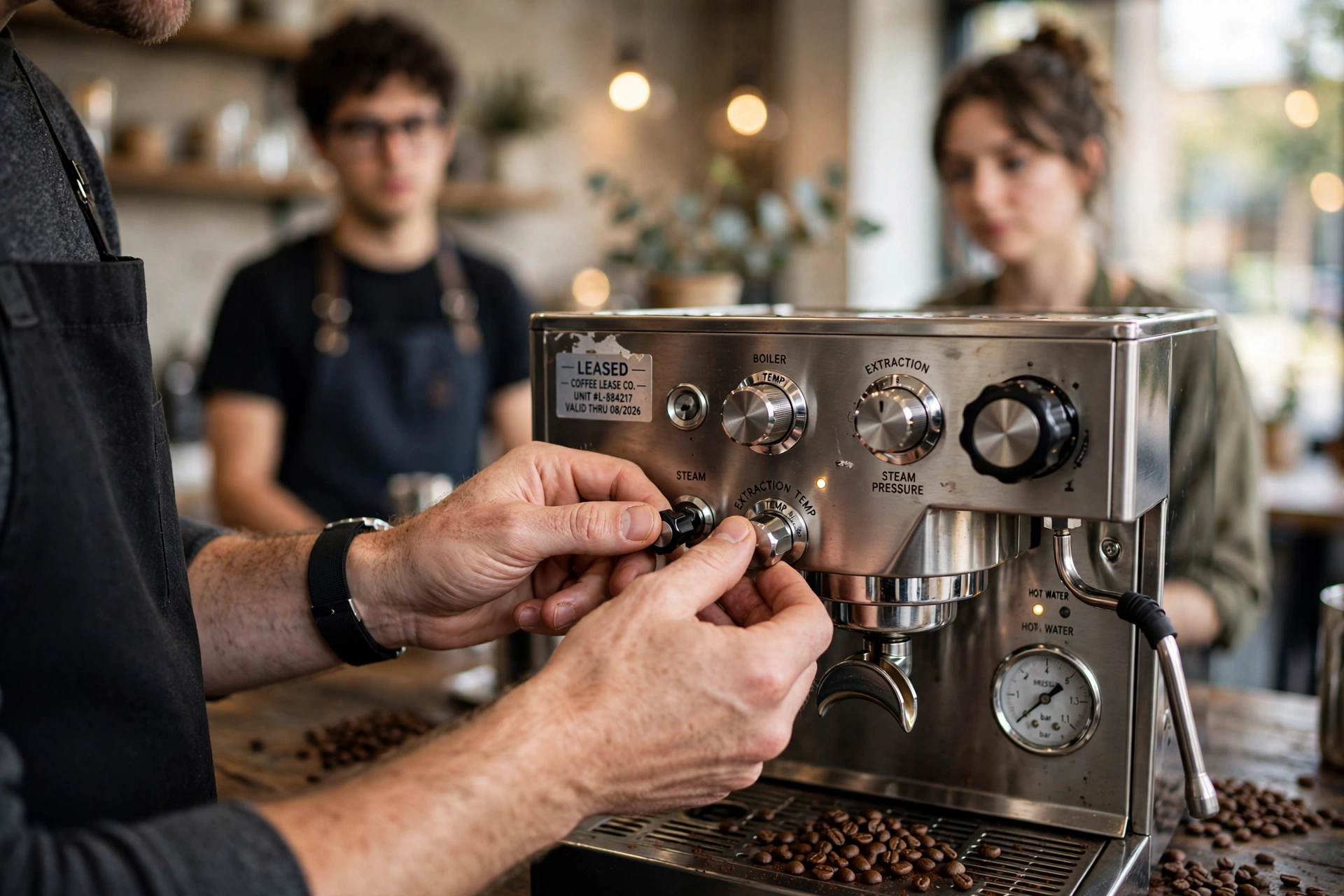
When we analyze the operational flow of a business, we look for "friction points." A friction point is any single step in the coffee-making process that slows down the delivery of the product. In a manual setup, this is often the steaming of milk or the leveling of the coffee puck. Automated systems remove these variables. According to the Specialty Coffee Association (SCA), the precision of water temperature and pressure is the primary driver of flavor consistency in specialty coffee. Automation ensures that these variables never fluctuate, regardless of how busy the morning rush becomes.
The mistake I made early on, and that I see constantly with new cafe owners, is waiting for a total system failure before upgrading. They treat the coffee machine as a tool that works until it breaks. In reality, a coffee system is a throughput engine. If your engine cannot keep up with your customer demand, you aren't just losing time; you are losing the "lifetime value" of customers who decide your line is too long and walk across the street to a competitor.

Why Timing Your Upgrade Matters for the Bottom Line
The financial implication of delaying the move to automated coffee machines is often hidden in "invisible waste." This includes wasted milk from improper steaming, discarded shots due to poor extraction, and the massive cost of employee turnover caused by the stress of an inefficient workflow.
When a business scales, the cost of labor becomes the most volatile expense. According to research from the National Coffee Association USA (NCA), consumer demand for specialty beverages continues to rise, increasing the pressure on staff to deliver complex drinks quickly. If you are relying on manual labor to meet this demand, you are essentially paying a premium for human error.
Consider the impact of a 30-second delay per drink. In a high-traffic Mount Pleasant breakfast spot serving 200 customers between 7:00 AM and 9:00 AM, a 30-second inefficiency per order results in over 1.6 hours of cumulative lost productivity. When you multiply that by the hourly wage of two baristas, the "savings" of avoiding an automated machine are erased within the first quarter of the year.
Furthermore, sanitary compliance is a timing trigger. Manual machines require intensive, time-consuming cleaning cycles that are often skipped during peak hours. The FDA maintains strict guidelines on food contact surfaces; automated systems often include integrated cleaning cycles that ensure compliance without requiring a staff member to scrub group heads for an hour every night. When the risk of a health code violation outweighs the monthly fee of a managed service, the time to switch is now.
Practical Application: Identifying Your Transition Triggers
If you are unsure if your business has reached the automation threshold, look for these three specific triggers. These are the "red flags" I use when consulting with clients to determine if they are ready for a Busy Bean Coffee managed solution.
Trigger 1: The Consistency Gap
Perform a "blind taste test" on five lattes made by different staff members throughout the day. If the flavor profile, foam density, or temperature varies significantly, your brand is suffering from a consistency gap. This happens because human beings cannot maintain the exact same pressure and temperature for eight hours straight. Automated systems eliminate this variance.
Trigger 2: The Queue Threshold
Monitor your morning rush. If your queue consistently extends beyond five patrons and the wait time exceeds four minutes, your current equipment has become a bottleneck. At this stage, adding more staff often doesn't help because the physical space behind the counter is too small for more people to work. The solution is not more labor, but higher efficiency per square foot.
Trigger 3: Training Burnout
Calculate how many hours it takes to train a new hire to produce a high-quality espresso machine beverage. If it takes weeks of one-on-one coaching to get a new employee up to speed, your business is vulnerable to labor shortages. Automated systems reduce the training period from weeks to hours, as the machine handles the technical complexity, leaving the employee to focus on hospitality.
💡
Key Takeaway
The optimal time to automate is not when you can no longer function, but when your current manual processes begin to limit your potential for growth and consistency.
At Busy Bean Coffee, we specialize in removing the capital expenditure barrier. Instead of a massive upfront cost, our managed membership provides the equipment, installation, and maintenance for one predictable fee. This allows businesses to pivot to automation the moment they hit a trigger point, without draining their cash reserves.

Comparing Coffee Service Approaches
Deciding when to move to automation requires a clear look at the alternatives. Many businesses fall into the trap of "cheap automation," which often leads to a secondary, more expensive upgrade a year later.
| Feature | Traditional Manual Setup | Generic "Pod" Automation | Professional Managed Automation |
|---|---|---|---|
| Consistency | Variable (Operator dependent) | High (but limited flavor) | Absolute (Programmable) |
| Labor Cost | High (Requires skilled labor) | Low (Simple operation) | Very Low (Fast & Easy) |
| Coffee Quality | Potential for Excellence | Mediocre/Industrial | Specialty Grade (Coffea arabica) |
| Maintenance | Manual/Reactive | Self-service/Replace | Proactive/Included |
| Best For | Micro-roasteries/Artisan shops | Small offices/Low volume | Hotels, Cafes, High-Volume Foodservice |
Now, here's where it gets interesting: the "Generic AI/Pod" approach often tricks businesses into thinking they've automated. However, these systems usually fail the taste test. A hotel guest in Mount Pleasant will notice the difference between a plastic pod and a freshly ground coffee bean extracted through a professional system. If your brand identity is built on quality, the "cheap" route is actually the most expensive mistake you can make because it erodes your brand equity.
Common Misconceptions About Automated Coffee
There is a persistent myth in the industry that automation kills the "soul" of the coffee experience. Most guides get this wrong by framing it as a battle between technology and art. In reality, automation is simply a tool that frees the human to be more human.
Myth 1: "Automated coffee doesn't taste as good."
This is a remnant of the 1990s. Modern systems use precision PID controllers to manage temperature within 0.1 degrees. When using high-quality specialty coffee and the correct grind size, an automated machine often produces a more consistent cup than a tired barista at 6:00 AM.
Myth 2: "It's too expensive for a mid-sized business."
The "expense" is usually viewed as a lump sum. However, when you factor in the cost of wasted milk, wasted beans, and labor hours spent on cleaning and training, manual systems are often more expensive. A managed service model shifts this from a Capital Expenditure (CapEx) to an Operational Expenditure (OpEx), which is significantly healthier for a business's cash flow.
Myth 3: "We don't have enough volume to justify it."
You don't need to be a stadium to justify automation. If you have a high-value client base, such as a luxury hotel or a professional medical office, the expectation of quality is high. Even low-volume settings benefit from automation if the cost of a single "bad cup" is a lost high-value client.
Frequently Asked Questions
When exactly should I stop using manual espresso machines?
You should stop using manual machines the moment your "error rate" increases during peak hours. If you notice an increase in remade drinks, customer complaints about temperature, or a visible dip in the quality of milk foam during the morning rush, your equipment is failing to meet your operational demand. In my experience, this usually happens when a business grows by 20% in customer volume without adding more counter space. At this point, adding more staff only creates congestion; the only way to increase output is to increase the speed of the machine itself.
Does automating my coffee service reduce the need for a trained barista?
It doesn't eliminate the need for a barista, but it fundamentally changes their role. Instead of spending 80% of their time focusing on the technical mechanics of the espresso machine, they can spend 80% of their time on guest engagement and quality control. Automation handles the "science" (extraction and temperature), allowing your staff to handle the "hospitality." This shift typically leads to higher customer satisfaction scores because guests feel seen and heard rather than watching a barista struggle with a portafilter for three minutes.
How does automation impact the flavor of specialty coffee?
When implemented correctly, automation protects the flavor of Coffea arabica by removing human error. The most critical factors in coffee flavor are the grind consistency and the water temperature. Manual machines can fluctuate, and humans can be inconsistent with tamping pressure. A professional automated system ensures that every single shot is pulled at the exact same pressure and temperature every time. This means the nuanced notes of a high-altitude roast are preserved across every cup served, regardless of who is operating the machine.
Is a managed coffee membership better than buying a machine outright?
For most foodservice businesses, yes. Buying a machine creates a "maintenance debt." The moment a pump fails or a gasket leaks, your production stops, and you are hunting for a technician who might not be available for days. A managed membership, like those provided by Busy Bean Coffee, treats coffee as a utility. You pay for the result, perfect coffee, not the hardware. This includes professional installation, ongoing maintenance, and the ability to upgrade as your volume grows, which removes the risk of owning obsolete equipment.
Can automated machines handle a variety of different drinks?
Absolutely. Modern professional systems are designed for versatility. You can program specific profiles for a ristretto, a long black, or a flat white with a single touch. The ability to automate milk texturing means you can switch from an oat milk latte to a traditional dairy cappuccino without the need for manual purging and cleaning between every single drink. This versatility is what allows a small cafe to offer a massive menu without increasing the complexity of the workflow or the stress on the staff.
Final Thoughts on Automated Coffee Machines
The decision of when to move toward automated coffee machines is ultimately a decision about how you value your time and your brand's consistency. Waiting for a total breakdown is a reactive strategy that costs you money in lost efficiency and customer frustration. The proactive strategy is to identify your "friction points", whether those are long queues, inconsistent taste, or training bottlenecks, and solve them before they impact your bottom line.
If you are operating in Mount Pleasant, SC, or managing a high-pressure foodservice environment, the goal should be a seamless integration of quality and speed. By shifting the technical burden to a professional automated system, you empower your staff to focus on the guest experience while ensuring that every cup of specialty coffee meets the highest global standards.
Stop letting your equipment dictate your growth. Whether you are running a boutique hotel or a bustling breakfast cafe, the right time to automate is the moment you decide that "good enough" is no longer the standard for your customers.
Ready to eliminate the bottleneck in your beverage service? Explore the all-inclusive managed solutions at Busy Bean Coffee and move from manual stress to automated precision.
Free Coffee Pairing Guide & Specialty Roast Cheat Sheet
Unlock the secrets of perfect brewing ratios, water temperatures, and specialty roast profiles. Download the guide.