📖This article is part of the complete guide to Ultimate Guide to Automatic Coffee Machines for Business.
I remember a specific Tuesday morning at a high-volume diner where the staff was struggling with a manual pour-over setup during a breakfast rush. The aroma was incredible, but the line was out the door, and the staff was sweating. That is the exact moment the friction between artisanal quality and operational efficiency becomes a liability. In the foodservice industry, the choice between an automated system and a traditional manual process isn't just about taste; it is about labor costs, consistency, and your bottom line.
For a comprehensive overview of how to scale your beverage program, explore our Ultimate Guide to Automatic Coffee Machines for Business.
What Exactly are Automatic Coffee Machines vs Traditional Brewing?
📚
Definition
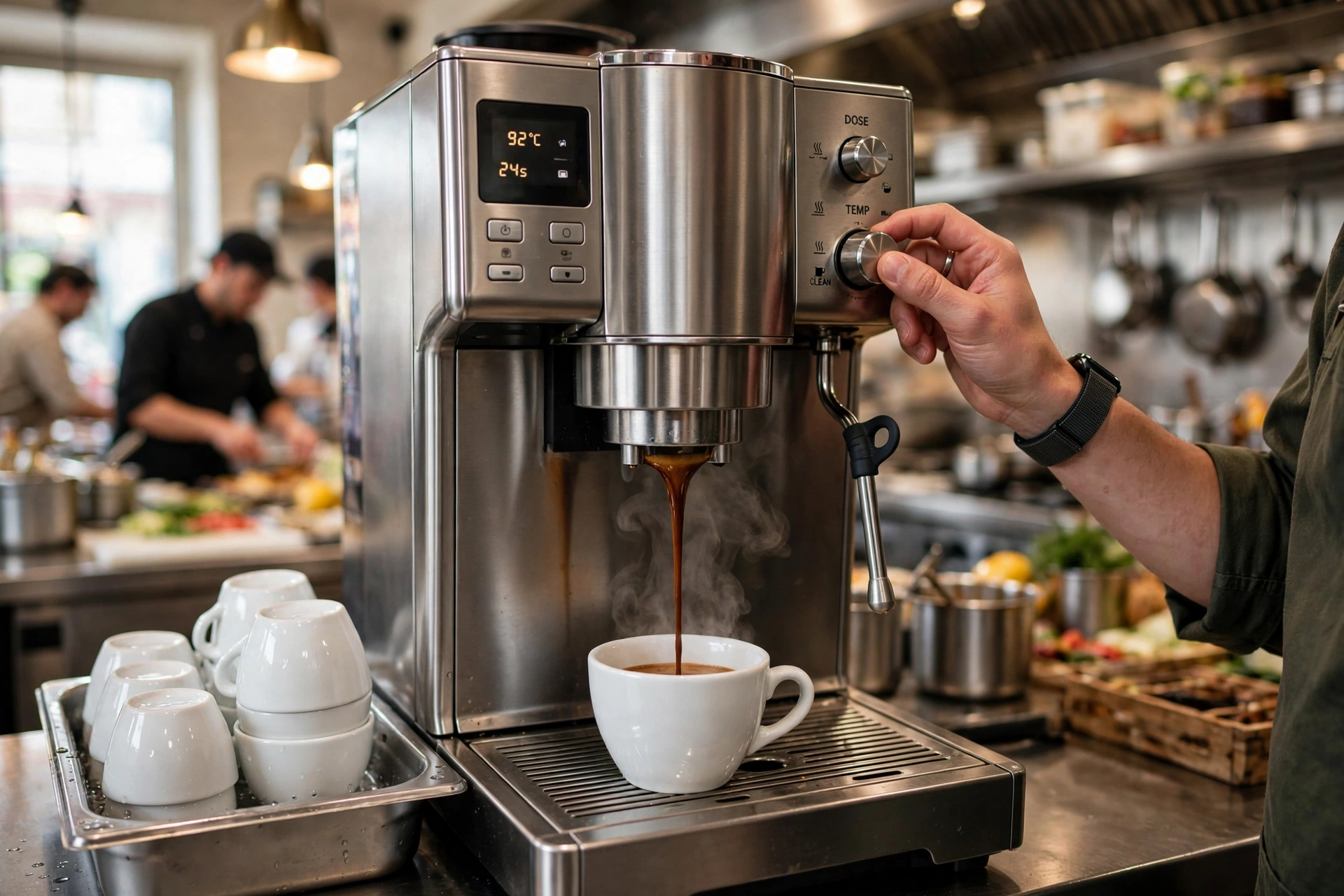
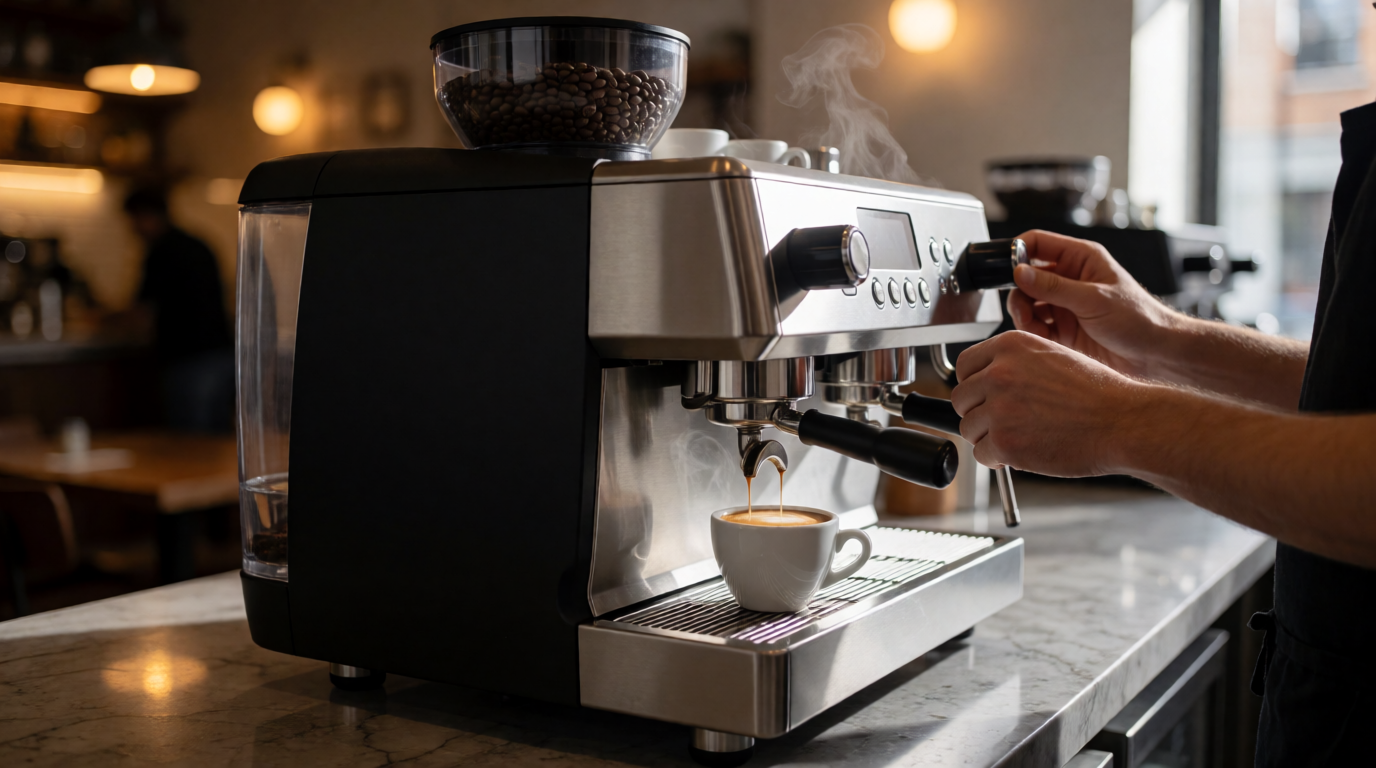
Automatic coffee machines are integrated systems that handle the grinding, dosing, tamping, and brewing process via a programmed interface, often referred to as 'bean-to-cup.' Traditional brewing refers to manual methods such as pour-overs, French press, or semi-automatic espresso machines that require a trained human operator to manage each variable.
When we talk about automatic coffee machines vs traditional brewing, we are comparing a standardized, technology-driven output against a variable, skill-driven output. An automatic machine is designed to remove the 'human element' from the technical execution of the brew. It ensures that every single cup of coffee produced in 2026 is identical to the last, regardless of who presses the button.
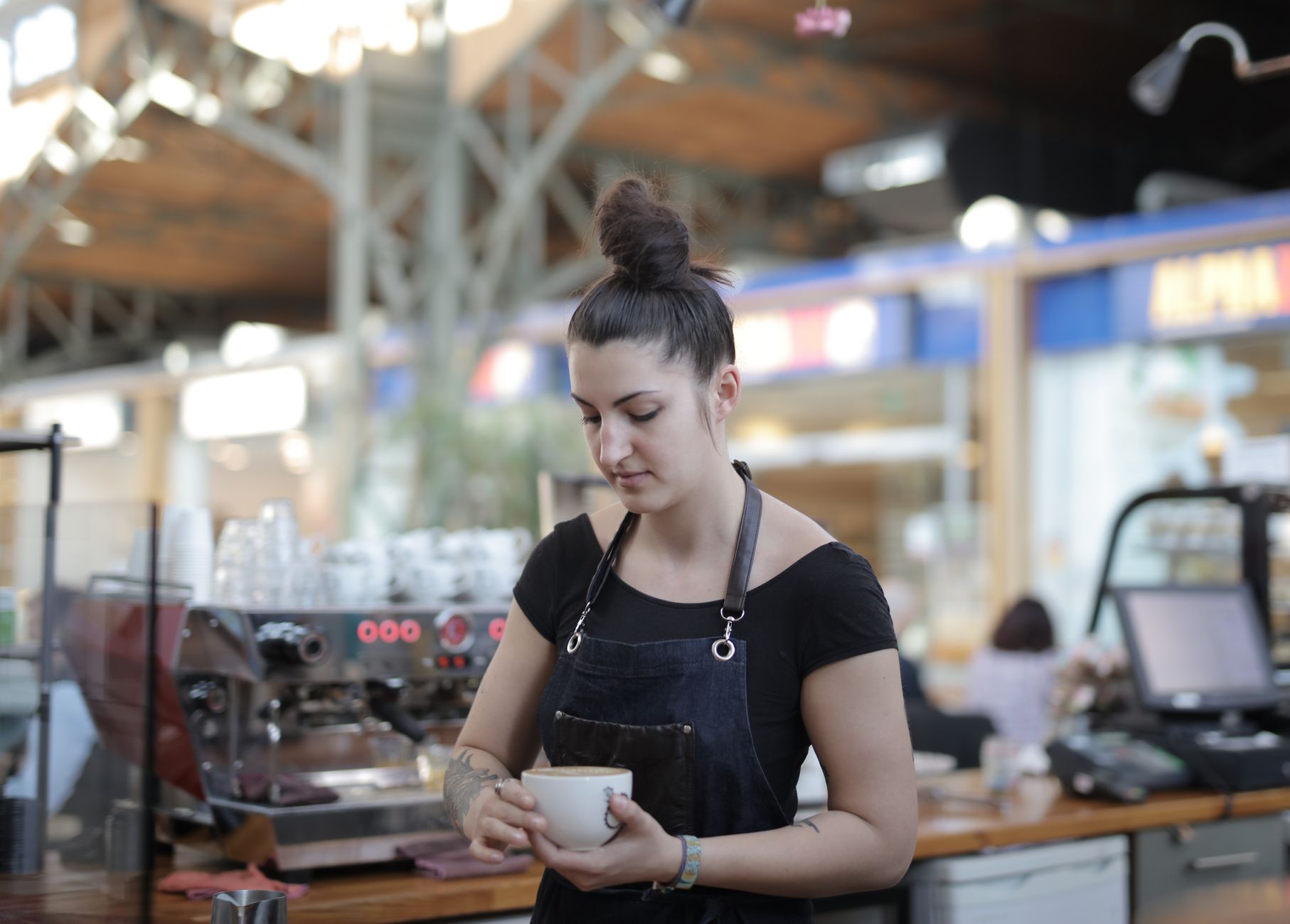
Traditional brewing, on the other hand, relies heavily on the expertise of a barista. This includes the precision of the grind, the temperature of the water, and the timing of the pour. While this allows for a higher degree of customization and the potential for a 'superior' cup of specialty coffee, it introduces significant risk. If your lead barista calls in sick, your coffee quality drops instantly.

In my experience working with dozens of hospitality clients, the divide usually comes down to the business model. A boutique roastery focusing on micro-lots of Coffea arabica will almost always lean toward traditional methods to showcase the bean's profile. However, a hotel lobby or a busy corporate office needs a solution that doesn't require a certification course to operate. This is where the efficiency of bean to cup coffee machines becomes the obvious choice for scalability.
Why Does the Choice Between Automation and Tradition Matter for Your Business?
The decision between these two paths impacts three primary areas: labor overhead, product consistency, and customer throughput. In 2026, labor costs remain one of the highest expenses for foodservice operators. Relying on traditional brewing means you must pay for skilled labor. A trained barista commands a higher wage than a general staff member who can simply operate an automated interface.
According to the Specialty Coffee Association (SCA), maintaining strict brewing standards requires constant calibration and training. When you automate this process, you essentially 'bake' the expertise into the machine. This reduces the training period for new employees from weeks to minutes. If you are running a high-traffic environment, the speed of service is paramount. A manual espresso pull might take 2-3 minutes per drink; an automatic machine can often deliver a latte in under 45 seconds.
Furthermore, the National Coffee Association USA (NCA) has noted a growing consumer demand for specialty coffee quality even in fast-paced environments. This creates a tension: customers want the taste of a specialty coffee but the speed of a vending machine. Automation bridges this gap by using high-end grinders and precise pressure profiling to mimic the work of a professional barista.
Consider the impact on waste. Traditional brewing often results in 'dialing-in' waste—where several shots of espresso are thrown away while the barista adjusts the grind. Automatic systems are far more efficient with their coffee bean usage, ensuring that almost every gram of product is converted into a saleable beverage. For those looking to maximize ROI in specific regions, integrating an automated coffee service in Fort Worth TX can drastically reduce this daily waste.
How to Choose the Right System Based on Your Use Case
Choosing the right system requires an honest audit of your daily volume and your staff's skill level. I always tell my clients: do not buy a machine that requires more skill than your least-experienced employee possesses. If you do, your coffee quality will vary wildly throughout the day.
Use Case 1: The High-Volume Hotel or Corporate Office
In these environments, the goal is convenience and reliability. Guests and employees want a high-quality espresso or cappuccino without waiting ten minutes. Here, automatic machines are the only viable option. They provide a predictable experience and require minimal oversight. If you are operating in a luxury setting, a white glove coffee service in Los Angeles CA can ensure that your automated equipment is maintained to a professional standard without your staff ever needing to touch a tool.
Use Case 2: The Specialized Cafe or Bistro
If your brand identity is built around 'craft' and 'artisan' values, you may want a hybrid approach. Use traditional brewing for your signature pour-overs and a high-end automatic machine for your high-volume milk drinks. This allows you to capture the 'coffee nerd' market while still maintaining a fast line for the morning rush. This is why many best automatic coffee machines for restaurants are designed to complement, rather than replace, a traditional brew bar.
Use Case 3: The Small Team Office
For small teams, the priority is morale and ease of use. You don't need a full-time barista, but you want coffee that tastes like it came from a cafe. Investing in the best office espresso machines for small teams ensures that employees get a premium break without the mess of manual filters and scales.

Comparing the Approaches: Traditional vs. Generic AI vs. Managed Automation
Many businesses make the mistake of thinking the only options are 'expensive manual' or 'cheap automatic.' There is a middle ground: the managed professional service.
| Feature | Traditional Manual | Generic/Cheap Automatic | Managed Automation (Busy Bean Coffee) |
|---|---|---|---|
| Consistency | Variable (depends on barista) | Low (burnt or weak coffee) | High (calibrated professional settings) |
| Labor Cost | High (requires expert training) | Low (push button) | Very Low (zero maintenance stress) |
| Setup Time | Long (complex installation) | Instant (plug and play) | Professional (white-glove installation) |
| Taste Quality | Potential for Excellence | Often mediocre/watery | Specialty Coffee grade |
| Upkeep | Constant manual cleaning | Frequent breakdowns | Full maintenance coverage included |
💡
Key Takeaway
While traditional brewing offers the highest theoretical quality, managed automation provides the best balance of specialty taste, labor efficiency, and operational uptime.
Common Mistakes When Switching to Automation
One of the most frequent mistakes I see is the 'set it and forget it' mentality. Even the most advanced automatic machines require basic hygiene. If you ignore the drip trays or the milk lines, you aren't just risking the taste; you are risking a health code violation. According to the U.S. Food and Drug Administration (FDA), proper sanitation of beverage equipment is essential to prevent bacterial growth in milk-based systems.
Another error is neglecting the bean quality. Some operators assume that because the machine is automatic, the coffee will 'just taste good.' This is a fallacy. A $20,000 machine will still produce terrible coffee if you use low-grade, over-roasted beans. To truly compete, you must pair your automation with high-quality coffee roasting and specialty coffee beans.
Lastly, avoid buying equipment that doesn't have a local support network. I've seen businesses buy a fancy machine from an overseas vendor only for it to break down in month three. Without a local technician, that machine becomes a very expensive piece of metal sculpture. This is why we emphasize a comprehensive coffee service, such as the automated coffee service in Wilmington NC, which includes immediate maintenance response.
Frequently Asked Questions
Does automatic coffee taste worse than traditional brew?
Not necessarily. In 2026, the technology in professional automatic machines has advanced to the point where they can precisely control water temperature, pressure, and grind size. When using high-quality specialty coffee and a properly calibrated machine, the average consumer cannot tell the difference between an automated latte and one made by a mid-level barista. The key is the quality of the beans and the regularity of machine maintenance.
How much labor can I actually save with automation?
Significant amounts. In a traditional setup, you may need one person dedicated entirely to the coffee station during peak hours. With a professional automatic system, any staff member can fulfill a drink order in seconds. This allows you to reallocate your staff to more critical areas, such as customer service or food preparation, effectively reducing your total labor hours per drink by 60-80%.
Are automatic machines harder to maintain?
Actually, they are often easier if they are the right grade of equipment. While traditional machines require manual back-flushing and group head scrubbing, professional automatic machines have integrated cleaning cycles. The risk comes from 'consumer-grade' machines that aren't built for commercial volume. Commercial-grade systems, especially those under a managed membership, remove the maintenance burden entirely from the business owner.
Which is better for a 'Specialty Coffee' brand identity?
If your brand is centered on the process of coffee (the theater of the pour-over), traditional is better. However, if your brand is centered on quality and accessibility, automation is superior. Most modern customers associate 'specialty' with the taste of the bean and the creaminess of the milk, not necessarily the manual effort involved in the brew.
What is the ROI on switching from manual to automatic?
The ROI is usually realized through three channels: lower labor costs, reduced product waste (no more 'dialing-in' errors), and increased throughput. Businesses that switch often see a return on their investment within the first 6 to 12 months simply by reducing the amount of wasted coffee and the hours spent training new staff on complex manual equipment.
Conclusion
The debate of automatic coffee machines vs traditional brewing isn't about which one is 'better' in a vacuum; it is about which one serves your business objectives. If you are running a high-volume foodservice operation in 2026, the friction of traditional brewing often outweighs the marginal gain in taste. Automation provides the consistency, speed, and labor savings that allow a business to actually scale without sacrificing the quality of the experience.
At Busy Bean Coffee, we specialize in removing the headache of equipment management so you can focus on your guests. Whether you are looking for a full-service membership or a specific equipment upgrade, our goal is to ensure your coffee program is an asset, not a liability. For a deeper dive into the best technology for your specific industry, check out our Ultimate Guide to Automatic Coffee Machines for Business.
Ready to upgrade your beverage game? Visit us at www.busybeancoffee.com to explore our managed solutions.
Free Coffee Pairing Guide & Specialty Roast Cheat Sheet
Unlock the secrets of perfect brewing ratios, water temperatures, and specialty roast profiles. Download the guide.