📖This article is part of the complete guide to Ultimate Guide to Automatic Coffee Machines for Business.
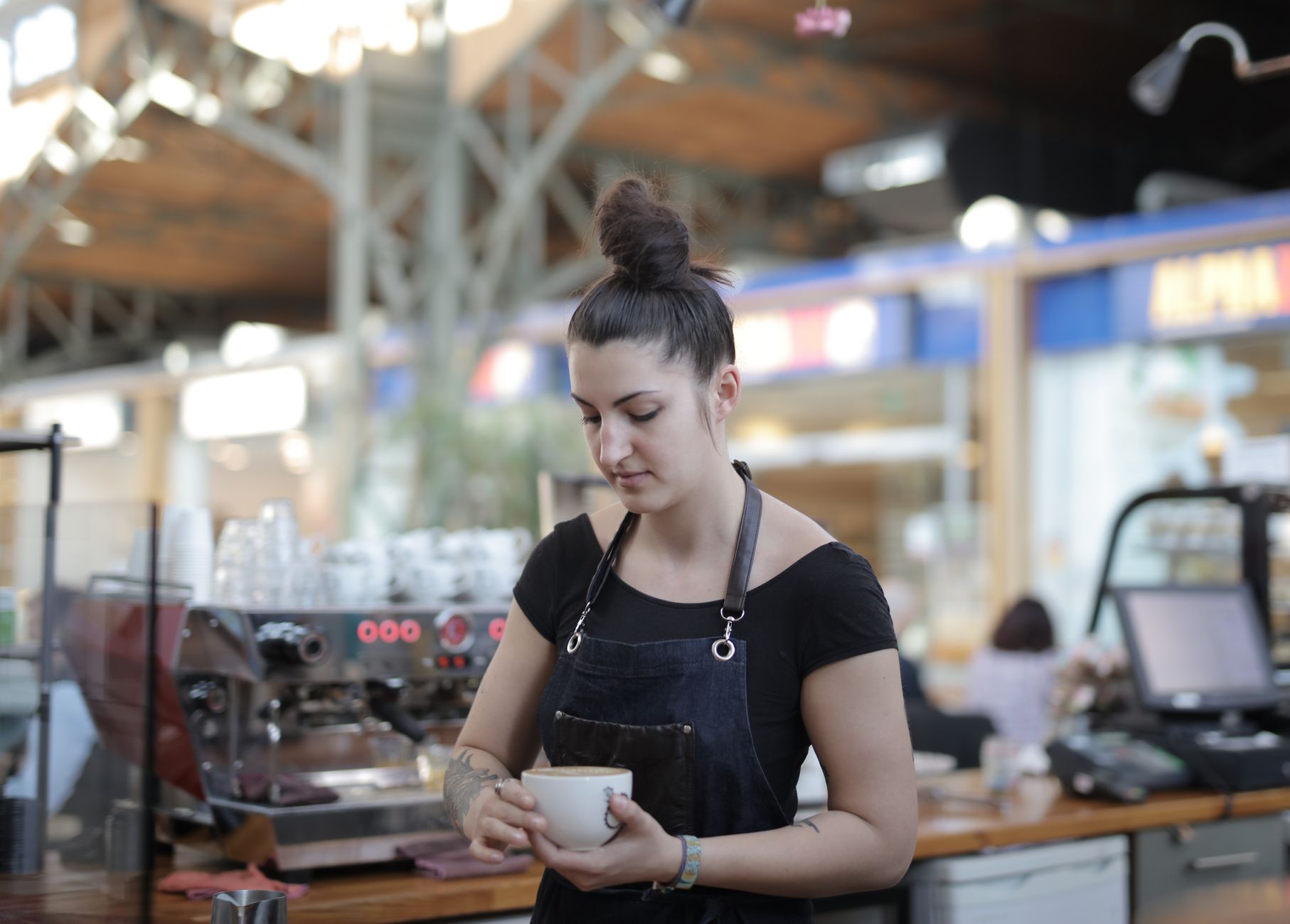
When I first started consulting for restaurant owners in Mount Pleasant, SC, I noticed a recurring pattern: the coffee station was often the most neglected part of the operation. Many owners treat coffee as a low-margin afterthought, yet it is frequently the last thing a guest tastes before they pay the bill. If that final impression is a burnt, bitter cup of coffee produced by an outdated machine, it undermines the entire dining experience. In my experience working with high-volume kitchens, the shift from manual preparation to high-end automation doesn't just save time; it stabilizes quality across every shift, regardless of who is behind the counter.
For a comprehensive overview of the technology and options available, explore our Ultimate Guide to Automatic Coffee Machines for Business.
What are Automatic Coffee Machines for Restaurants?
📚
Definition
Automatic coffee machines for restaurants are commercial-grade beverage systems designed to automate the grinding, tamping, and brewing process, allowing staff to produce specialty drinks with a single touch.
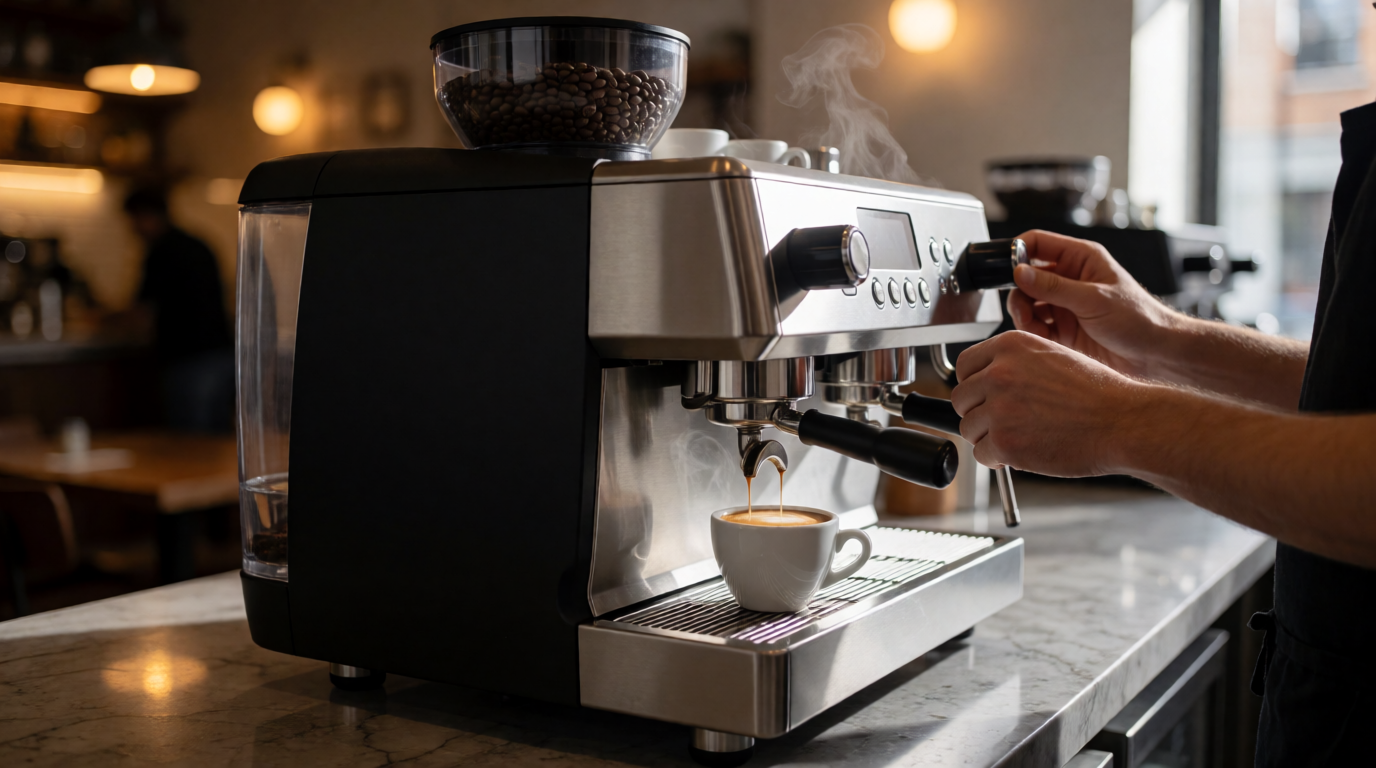
Automatic coffee machines for restaurants are engineered to handle the brutal demands of a commercial kitchen. Unlike home machines, these units are built with heavy-duty boilers, high-capacity bean hoppers, and reinforced internals that can withstand hundreds of cycles per day. The primary goal of these machines is to remove the variability that comes with human error. In a busy restaurant environment, you cannot always rely on a trained barista to be present during the lunch rush or the late-night shift. Automation ensures that the espresso extraction is consistent, the milk is frothed to the correct temperature, and the waste is minimized.
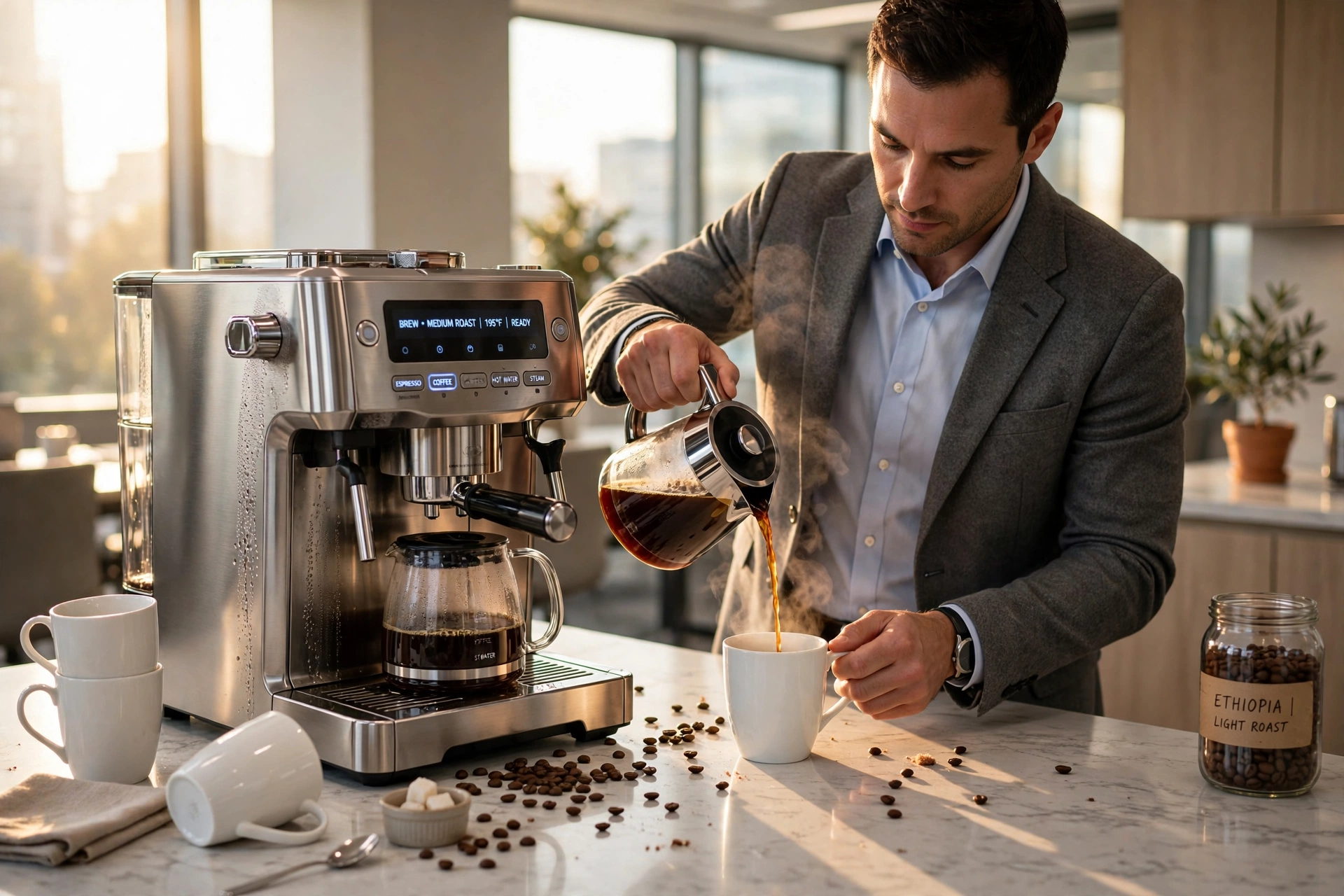
These systems typically integrate a high-precision grinder and a brewing unit into one chassis. For restaurants, this means a smaller footprint in the beverage area and a significant reduction in the training time required for front-of-house staff. When we deploy these systems at Busy Bean Coffee, we focus on the synergy between the hardware and the coffee bean. A machine is only as good as the roast it uses, and using a high-quality Arabica coffee ensures that the automation enhances the flavor rather than masking it with inconsistency.
Why Does High-Quality Coffee Automation Matter for Your Restaurant?
Integrating a professional automatic system is about more than just convenience; it is a strategic financial decision. According to the Specialty Coffee Association (SCA), the global demand for specialty coffee continues to rise as consumers increasingly seek a "cafe experience" even when dining at a full-service restaurant. If your beverage program cannot meet this expectation, you are leaving significant revenue on the table.
First, automation drastically reduces labor costs. A manual espresso machine requires a skilled operator who understands dosing, tamping, and milk texturing. In contrast, an automatic machine allows a server or a junior staff member to produce a latte that rivals a professional cafe's output. This allows your team to focus on guest hospitality rather than stressing over a temperamental machine during a rush.
Second, consistency drives repeat business. I've seen countless restaurants lose regulars because the coffee was "great on Tuesday but terrible on Friday." Automation eliminates this. By locking in the brew parameters, every cup follows the same recipe. This reliability is essential for maintaining brand standards across multiple locations or shifts.
Third, the margins on coffee are among the highest in the food and beverage industry. When you move from a basic drip pot to a sophisticated automated espresso system, you can justify a higher price point per cup. A standard cup of coffee might sell for $3, but a specialty cappuccino produced by an automatic machine can easily command $6 or more, with only a marginal increase in ingredient costs.
Furthermore, hygiene and safety are paramount in any commercial kitchen. High-end automatic machines are designed to meet strict sanitary standards. For instance, NSF International provides certifications (such as NSF/ANSI 4) that ensure equipment is constructed from non-toxic materials and is easy to clean, preventing the buildup of bacteria in milk lines—a common hazard in manual setups.
How to Choose and Implement Automatic Coffee Machines in Your Service Flow
Implementing a new coffee system requires more than just plugging in a machine; it requires an analysis of your service flow. The first step is determining your projected volume. A breakfast-heavy bistro needs a different capacity than a steakhouse that only serves coffee at the end of a meal. If you are dealing with high volumes, you should look into bean to cup coffee machines that offer larger water reservoirs and bean hoppers to reduce refill frequency.
Once you identify your volume, the next step is integrating the machine into your layout. Place the machine where it is accessible to staff but doesn't create a bottleneck. For restaurants in high-traffic areas, consider our automated coffee service in Wilmington NC models, which are designed for rapid deployment and minimal footprint.
Step-by-step implementation should follow this sequence:
- Water Filtration Setup: Never connect a commercial machine directly to a city water line without a professional filtration system. Scale buildup is the number one killer of automatic machines. Use a reverse osmosis or carbon filtration system to protect your investment.
- Staff Calibration: Even though the machines are automatic, your staff needs to know how to perform basic daily maintenance, such as emptying the dregs tray and rinsing the milk wand.
- Menu Engineering: Decide which drinks you will offer. I recommend a curated list of 4-6 high-margin drinks (Espresso, Americano, Latte, Cappuccino, Macchiato) to keep the operation lean.
- Quality Testing: Use a high-grade coffee bean to calibrate the machine. Test the temperature and strength to ensure it aligns with your brand's flavor profile.
At Busy Bean Coffee, we provide a "white glove" approach to this setup. We don't just drop off a machine; we calibrate the settings to the specific roast we provide, ensuring that the extraction is optimized for the Coffea arabica beans we source.
Comparison of Coffee Service Approaches
When choosing how to handle coffee in your restaurant, you generally have three paths. Most owners start with the traditional way, but as the business grows, the frictions of that model become obvious.
| Feature | Traditional Manual Setup | Generic/Cheap Automation | Busy Bean Managed Approach |
|---|---|---|---|
| Skill Required | High (Trained Barista) | Low (Push Button) | Low (Push Button) |
| Consistency | Variable (Human Error) | Medium (Basic Settings) | High (Expertly Calibrated) |
| Maintenance | Manual/Reactive | DIY/Frequent Breakdowns | Proactive/Included Managed Service |
| Initial Cost | High Capital Outlay | Low to Medium | Zero CapEx (Membership Model) |
| Coffee Quality | High (if skilled) | Low to Medium | Premium Specialty Grade |
As the table demonstrates, while a cheap automatic machine might seem like a quick fix, it often leads to inconsistent quality and frequent downtime. The managed approach removes the risk of equipment failure and ensures that the coffee quality remains at a specialty level throughout the year.

Common Mistakes to Avoid When Automating Restaurant Coffee
One of the most common mistakes I see is ignoring the "total cost of ownership." A restaurant owner might buy a mid-range machine thinking they've saved money, only to find that the cost of replacement parts and technician visits exceeds the price of a premium system within 18 months. Professional equipment is an investment in uptime.
Another frequent error is neglecting the milk system. Milk is the most volatile ingredient in a coffee program. Using a machine with a poor rinsing cycle leads to "milk stone" buildup, which not only tastes terrible but can lead to health code violations. Always prioritize machines with automated cleaning cycles for the steam wand.
Additionally, many restaurants fail to rotate their coffee beans. Freshness is everything in the world of specialty coffee. If you buy beans in bulk and let them sit for three months, no amount of automation can save the flavor. We always recommend a just-in-time delivery system to ensure the beans are roasted and delivered within a tight window.
Lastly, don't underestimate the importance of the cup. Serving a premium, automated espresso in a thin, flimsy paper cup or a chipped ceramic mug creates a cognitive dissonance for the guest. The vessel must match the quality of the beverage. If you're investing in high-end best office espresso machines for small teams or restaurant systems, pair them with heavy-walled glassware or high-quality porcelain.
For those managing multiple sites, I often suggest looking at our white glove coffee service in Denver CO or other regional guides to see how standardized beverage programs are scaled across different markets without losing the local feel.
Frequently Asked Questions
Do automatic coffee machines actually taste as good as manual ones?
When calibrated correctly, yes. The gap between a professional automatic machine and a manual one has vanished in 2026. Modern sensors can control water temperature and pressure to within a fraction of a degree and bar, mimicking the precision of a world-class barista. The key is using high-quality specialty coffee beans. If you use low-grade commercial beans, the machine will simply produce a consistent version of bad coffee. With premium roasts, the automation ensures every guest gets a perfect extraction every time.
How often do these machines need to be cleaned?
Daily cleaning is non-negotiable. While the machines have automated cycles, a human must still empty the grounds bin and wipe down the exterior. A deep-clean of the milk system should happen every 24 hours to prevent bacterial growth and ensure milk texture remains creamy. Weekly descaling is also essential, depending on your water hardness. This is why many restaurant owners prefer a managed service, as it removes the guesswork and ensures the equipment is maintained to factory standards.
Can automatic machines handle a high-volume lunch rush?
Absolutely. In fact, they are designed specifically for this. A manual machine requires the barista to grind, tamp, and pull shots for every single drink, which creates a bottleneck. An automatic machine can prep the next drink while the previous one is pouring. For extremely high-volume environments, we suggest combining these with commercial drip coffee makers to handle the basic black coffee needs, leaving the automatic machine for specialty espresso drinks.
What is the difference between "bean-to-cup" and "automatic" machines?
In the commercial world, these terms are often used interchangeably, but "bean-to-cup" specifically refers to the process where the machine grinds the beans and brews the coffee in one continuous cycle. Some "automatic" machines might use pre-ground coffee or pods, which I strongly advise against for restaurants. For a true restaurant-grade experience, you must use a bean-to-cup system that grinds fresh for every cup. This is the only way to preserve the volatile oils and aromas of the coffee bean.
How do I prevent the machine from breaking down during peak hours?
Preventative maintenance is the only solution. Most breakdowns are caused by scale buildup or neglected cleaning. By using a high-quality water filtration system and adhering to a strict daily cleaning schedule, you can eliminate 90% of common failures. If you are using a managed service like Busy Bean Coffee, we handle the maintenance proactively, often replacing wear-and-tear parts before they actually fail, ensuring your service is never interrupted during a Friday night rush.
Conclusion
Choosing the right automatic coffee machines for restaurants is a balance between operational efficiency and guest satisfaction. By removing the variability of manual preparation, you enable your staff to deliver a consistent, high-quality beverage program that increases your average check size and improves the overall dining experience. Whether you are running a small bistro or a large-scale eatery, the goal remains the same: professional quality with zero friction.
If you are tired of dealing with inconsistent brews and the stress of equipment maintenance, it is time to consider a managed solution. At Busy Bean Coffee, we provide the equipment, the premium beans, and the full-service maintenance for one predictable monthly fee. Stop treating coffee as an afterthought and start treating it as a revenue driver.
For a deeper dive into how these systems compare across different business models, return to our Ultimate Guide to Automatic Coffee Machines for Business.
Visit us at www.busybeancoffee.com to find the perfect solution for your restaurant.
Free Coffee Pairing Guide & Specialty Roast Cheat Sheet
Unlock the secrets of perfect brewing ratios, water temperatures, and specialty roast profiles. Download the guide.