How Much Do Automated Coffee Machines Actually Cost for Businesses?
Investing in high-end beverage technology usually starts with a sticker shock. For a commercial-grade setup, you can expect entry-level automated systems to start around $2,500, while high-volume, bean-to-cup super-automatics for hotels or busy cafes often range from $8,000 to $25,000. However, the true cost isn't just the hardware; it's the total cost of ownership (TCO), which includes specialized beans, electricity, and the rigorous maintenance required to keep the internal grinders and brewers from failing. When you factor in the cost of a skilled barista, which can exceed $35,000 per year: the capital expenditure for automated coffee machines often pays for itself within the first 12 to 18 months through labor savings.

What Determines the Pricing of Automated Coffee Systems?
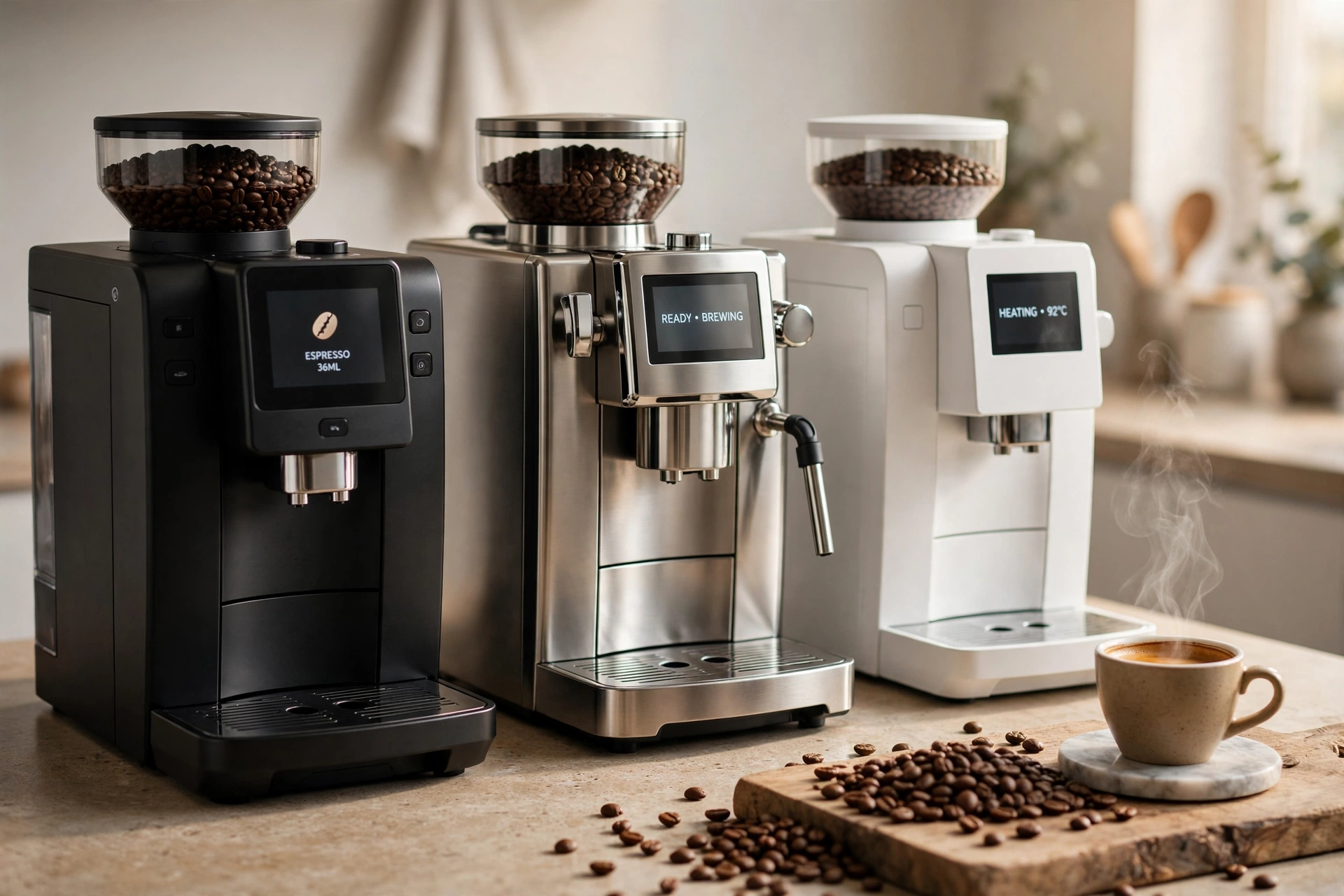
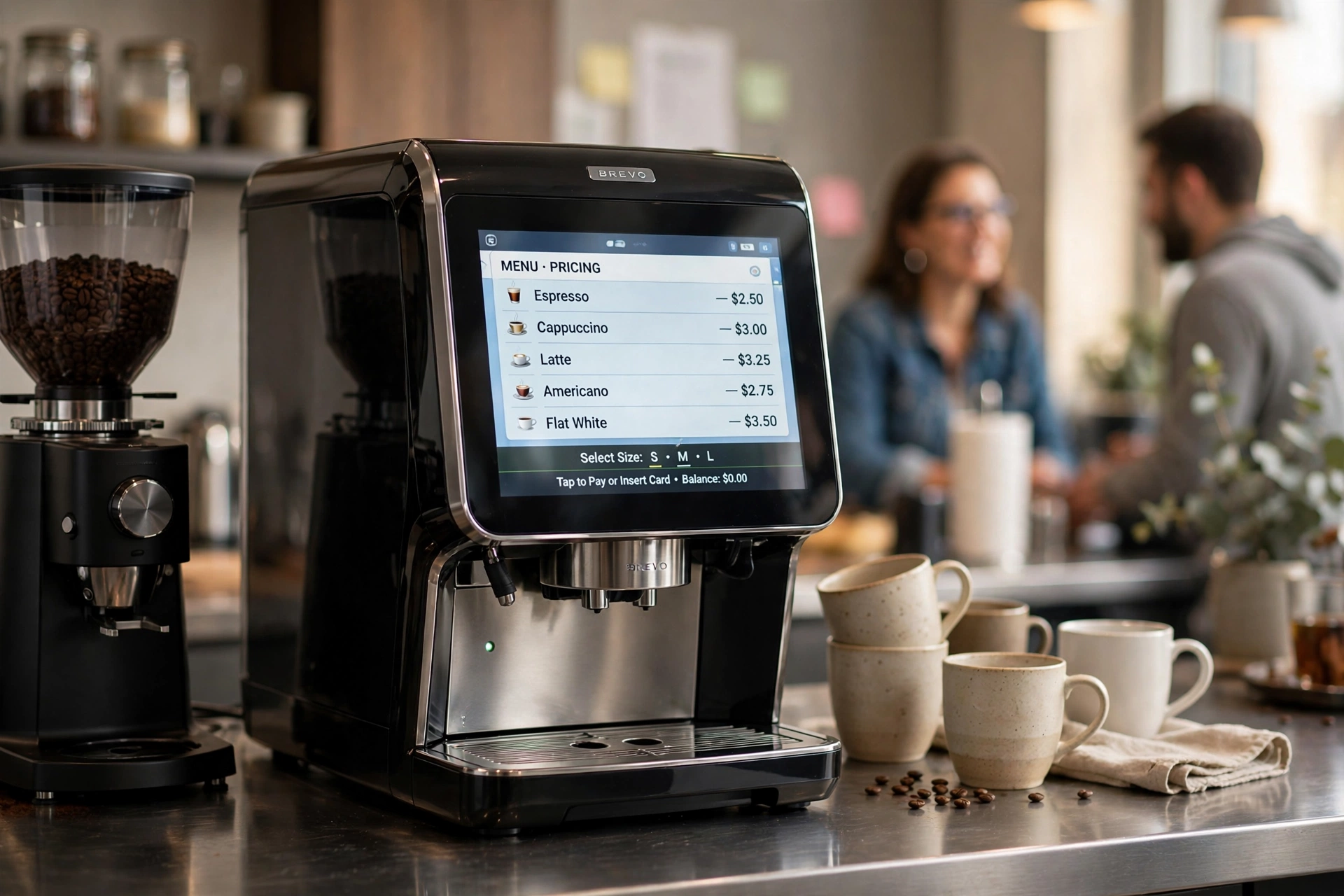
The variance in pricing for automated systems is driven primarily by the level of "automation" provided. There is a massive technical gap between a machine that simply pumps hot water through a pod and a professional super-automatic that grinds, tamps, and froths milk autonomously. In my experience working with hospitality clients in Mount Pleasant, SC, the most common mistake I see is business owners choosing the cheapest machine available, only to find that the lack of a precision grinder leads to inconsistent taste, which directly impacts customer retention.
📚
Definition
Super-Automatic Coffee Machines are "bean-to-cup" systems that handle every step of the espresso process, grinding the coffee bean, tamping the puck, extracting the shot, and steaming the milk, via a single button press or touch screen.
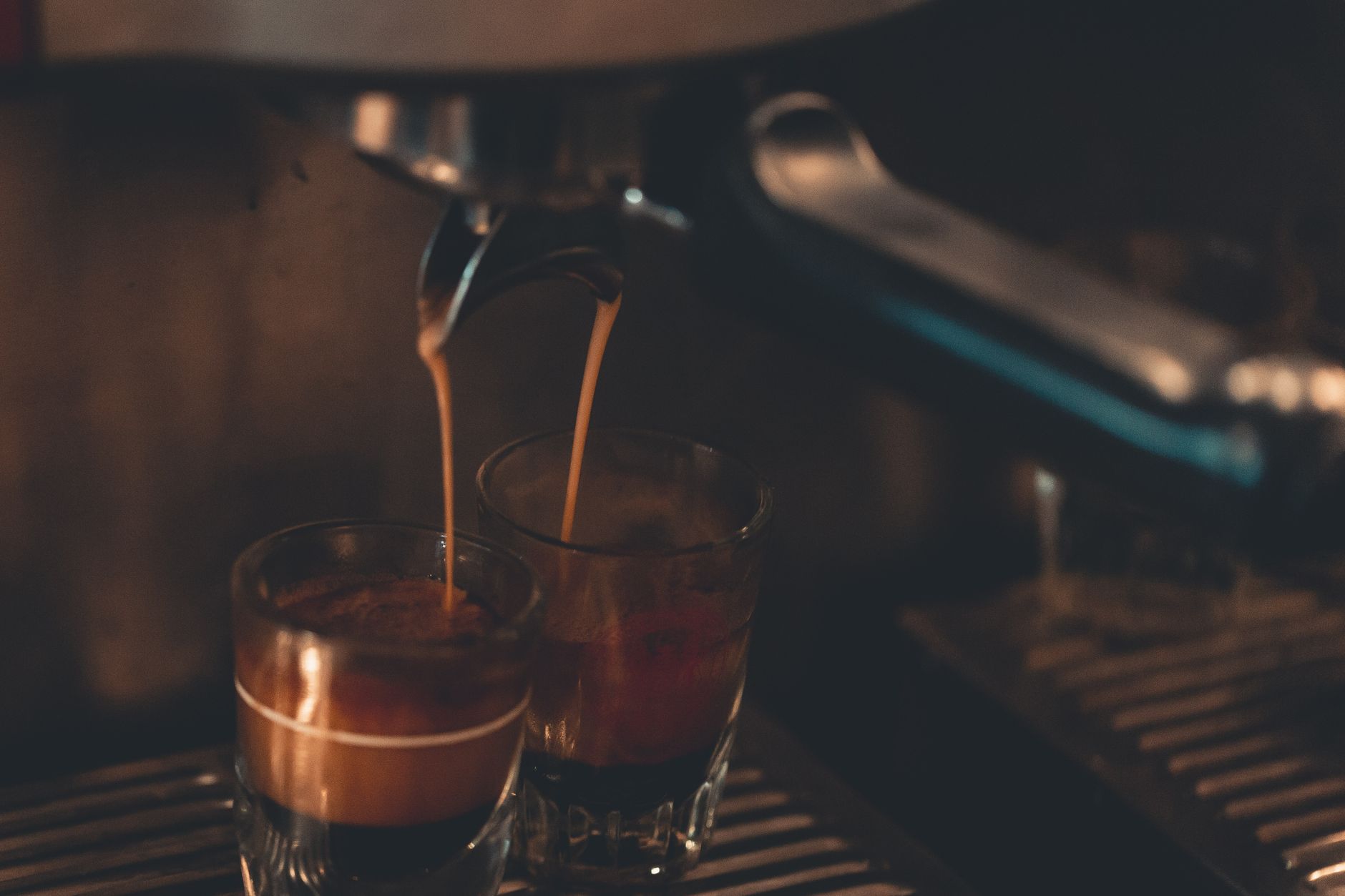
To understand the pricing, you must look at the internal components. A machine costing $15,000 typically features dual boilers (allowing simultaneous brewing and steaming) and ceramic grinders, which prevent the beans from overheating during the grinding process. According to the Specialty Coffee Association (SCA), the precision of the grind and the stability of the water temperature are the two most critical factors in achieving "specialty" grade quality. When a machine can maintain a temperature within 0.5 degrees Celsius throughout a 100-cup rush, the price tag increases because the engineering required for that stability is significant.
Furthermore, the software integration plays a role. Modern machines now feature telemetry, allowing managers to track exactly how many cups are served and when the machine needs descaling. This "smart" capability adds a premium to the cost but reduces the risk of catastrophic failure due to neglect. If you are sourcing Coffea arabica beans of a high grade, you need a machine that can handle the specific density of those beans without clogging, which again, pushes the price toward the professional tier.
Why Does the Cost of Automation Impact Your Bottom Line?
The financial implications of choosing automated coffee machines extend far beyond the initial purchase. The primary driver is the reduction of "waste-to-revenue" ratios. In a manual environment, a trainee barista may waste 10% to 15% of your coffee beans through dialing-in errors or improper tamping. An automated system eliminates this human variance, ensuring that every gram of coffee bean is utilized efficiently.
From a labor perspective, the impact is staggering. According to data from the National Coffee Association USA (NCA), the demand for specialty coffee continues to grow, yet the labor market for skilled baristas remains tight. By automating the technical execution of the drink, a business can shift a staff member from a "production" role to a "hospitality" role. Instead of staring at a portafilter for 30 seconds, your employee is engaging with the customer. This shift typically increases the average transaction value because staff have more time to upsell pastries or higher-tier beverage options.
There is also the matter of sanitary compliance. Using equipment that meets NSF International standards for food equipment ensures that your business avoids the heavy fines associated with health code violations. Cheap, non-certified machines often have "dead zones" in the internal piping where mold can grow, leading to expensive deep-cleans or, worse, customer illness. The investment in a certified automated system is essentially an insurance policy against operational downtime and regulatory penalties.
💡
Key Takeaway
The ROI of automated coffee machines is measured not by the cost of the machine, but by the reduction in labor costs and the elimination of ingredient waste.
How to Implement an Automated Coffee Strategy Without Breaking the Bank
Implementing a high-end coffee program doesn't necessarily require a massive upfront capital outlay. The mistake I made early on, and that I see constantly with new cafe owners, is buying the equipment outright and depleting the working capital needed for marketing and staffing. Now, I always recommend a managed service approach.
At Busy Bean Coffee, we've shifted the paradigm by offering all-inclusive managed coffee memberships. Instead of paying $15,000 for a machine, businesses pay a predictable monthly fee that covers the premium SENSA equipment, professional installation, and full maintenance. This converts a Capital Expenditure (CapEx) into an Operational Expenditure (OpEx), which is significantly more attractive for tax purposes and cash flow management.
If you are managing the implementation yourself, follow these steps to ensure the pricing aligns with your volume:
- Calculate Your Peak Hourly Volume: Determine the maximum number of cups you expect to serve during your busiest hour. A machine rated for 50 cups per day will fail if you're pushing 50 cups per hour.
- Analyze Your Menu Complexity: If you only serve black coffee and lattes, a mid-range machine is fine. If you offer a wide array of specialty lattes and macchiatos, you need a machine with multiple milk-frothing profiles.
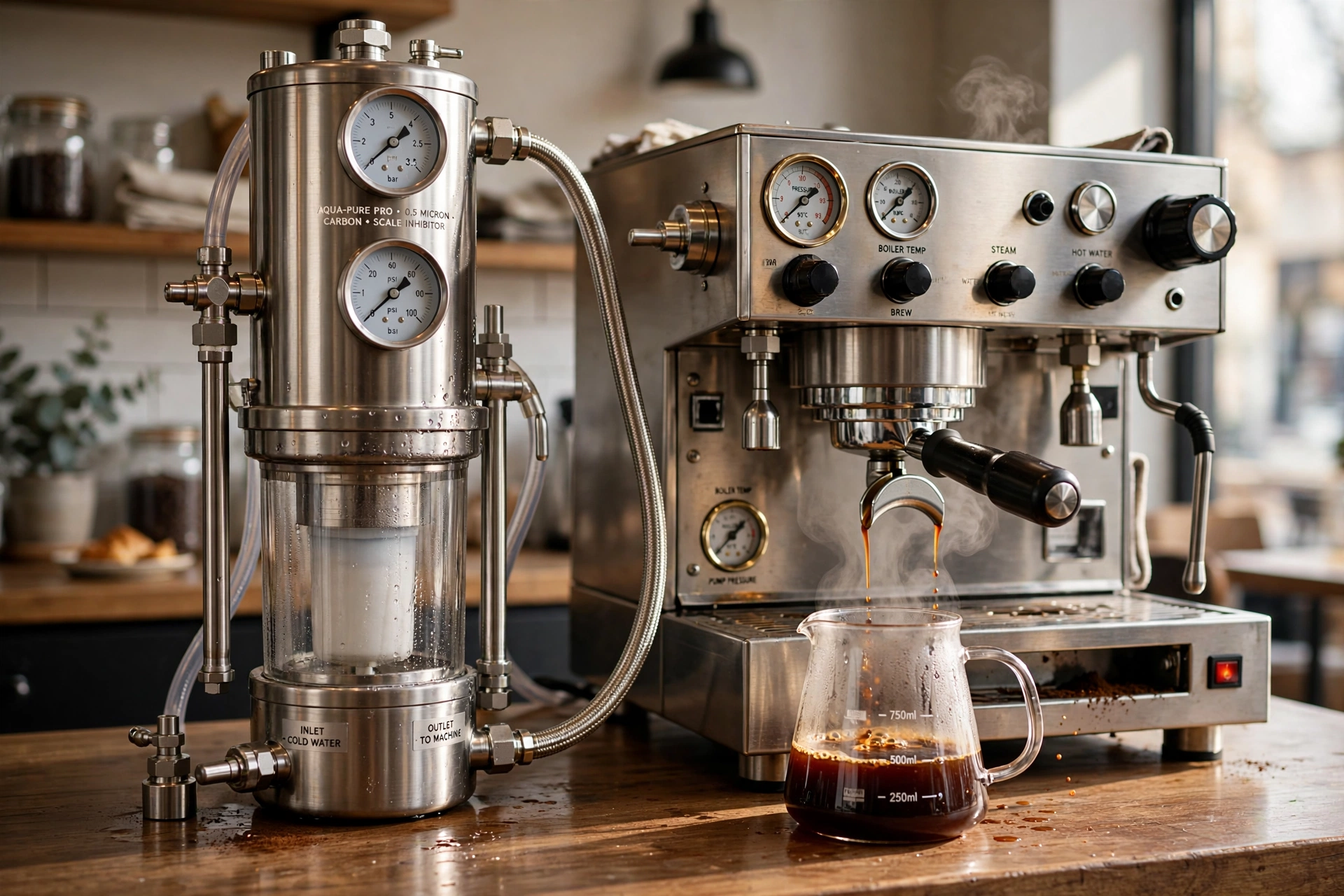
- Factor in Water Quality: This is where most budgets fail. You cannot put tap water into a $10,000 machine. You must invest in a high-grade filtration system to prevent limescale buildup.
- Plan for Preventive Maintenance: Schedule quarterly technician visits. Replacing a $50 gasket every three months is far cheaper than replacing a $2,000 boiler every two years.
By leveraging a partnership with Busy Bean Coffee, you remove the guesswork from this process. We handle the technical specifications, ensuring the equipment matches your volume, and provide the exclusive product pricing that ensures your cost-per-cup remains low while your quality remains high.
Comparing Your Coffee Equipment Options
Choosing between different tiers of automation requires looking at the data of performance versus cost. Most business owners fall into the trap of thinking "more expensive equals better," but the "best" machine is the one that matches your specific throughput.
| Option | Initial Cost | Labor Requirement | Quality Consistency | Best For |
|---|---|---|---|---|
| Manual/Semi-Auto | Low to High | Very High (Trained Barista) | Variable (Human Dependent) | Specialty Cafes / Enthusiasts |
| Budget Automated | Low ($500 - $2k) | Low | Moderate (Often Bitter/Thin) | Small Offices / Low-Volume Hotels |
| Pro Super-Auto | High ($8k - $25k) | Minimal | Very High (Programmed) | High-Volume Foodservice / Luxury Hotels |
| Managed Membership | Monthly Fee | Minimal | Exceptional (Managed) | Growth-Focused Businesses |
Here's the thing though: the "Budget Automated" option is often a false economy. These machines use low-grade grinders that crush the coffee bean inconsistently, leading to "channeling" where water bypasses the coffee. This results in a drink that tastes both sour and bitter simultaneously. When you move to a Professional Super-Automatic or a Managed Service, you are paying for the precision of the burrs and the stability of the thermal blocks.
Common Misconceptions About Automated Pricing
Most guides get this wrong by focusing only on the purchase price. They ignore the "hidden" costs that can make a "cheap" machine the most expensive mistake a business owner makes.
Myth 1: "Automated coffee tastes worse than manual coffee."
This was true ten years ago. Today, the engineering in high-end automated coffee machines allows for precise control over pre-infusion and pressure profiling. When using high-quality specialty coffee, the difference is virtually imperceptible to 95% of consumers. The key is the quality of the bean; a machine cannot fix bad coffee, but a great machine can perfectly execute a great bean.
Myth 2: "The most expensive machine is always the most durable."
Not necessarily. Some ultra-premium machines are so complex that they become "fragile." A machine with twenty different electronic sensors has twenty different points of failure. The most durable systems are those with high-quality mechanical components and a robust support network for parts. This is why the service contract is more important than the brand name.
Myth 3: "I can save money by doing the maintenance myself."
This is a dangerous gamble. Commercial machines operate under intense pressure and heat. A mistake in descaling or a failure to replace a seal can lead to a boiler explosion or a flooded kitchen. Professional maintenance ensures the machine is calibrated to the specific roast profile of your beans, which is something a DIY approach cannot achieve.
Frequently Asked Questions
How much does a commercial automated coffee machine actually cost per month?
Depending on the model and the financing, a high-end system usually ranges from $150 to $500 per month when financed or managed. This typically covers the hardware lease and basic maintenance. However, you must also budget for the consumables. For a medium-volume business, the cost of specialty coffee beans and milk can add another $300 to $1,000 per month. The goal is to ensure that your retail price per cup covers these overheads while maintaining a profit margin of at least 70% to 80%.
Is it cheaper to buy a machine or use a managed coffee service?
In the short term, buying a cheap machine is cheaper. In the long term, a managed service like Busy Bean Coffee is significantly more cost-effective. When you buy a machine, you assume 100% of the risk. If the boiler fails in month 13, you pay for the part and the labor. In a managed service, those costs are absorbed into your monthly fee. This eliminates "spike" expenses and allows for better financial forecasting, as your coffee costs become a fixed operational expense.
How does the cost of "specialty coffee" impact the pricing of automated machines?
Specialty coffee requires more precise grinding and temperature control than commodity coffee. If you use cheap, oily beans, they can clog the internal mechanisms of automated machines, leading to more frequent cleaning and higher maintenance costs. Conversely, high-grade Arabica coffee is denser and requires a more powerful grinder. If you invest in a low-cost machine but use high-end beans, you are wasting the potential of the bean; if you use a high-end machine with cheap beans, you are wasting the potential of the hardware.
What are the hidden costs of owning automated coffee machines?
The most overlooked cost is water filtration and electricity. A professional super-automatic can consume significant power to keep the boilers at temperature. More importantly, "hard water" contains minerals that crystallize inside the machine. Without a professional-grade filtration system, you will face "scaling," which reduces efficiency and eventually kills the machine. You should budget roughly $200 to $500 annually just for filter replacements and chemical descaling agents.
Can I integrate an automated machine into a small budget?
Yes, but you should prioritize "reliability" over "features." Instead of buying a machine with a fancy touch screen and twenty drink options, buy a machine that does three things (espresso, americano, latte) perfectly. Start with a smaller volume machine and scale up as your revenue grows. Alternatively, a managed service allows you to access top-tier equipment without the initial $10,000+ hit to your bank account, making it the most viable path for budget-conscious startups.
Conclusion
Determining how much to spend on automated coffee machines requires a balance between your current volume and your long-term quality goals. Whether you are spending $3,000 or $20,000, the priority must always be the total cost of ownership and the consistency of the output. Low-cost alternatives often lead to higher long-term expenses through labor inefficiency and equipment failure.
If you want to provide a world-class coffee experience without the stress of capital risk and maintenance headaches, the smart move is to move away from ownership and toward a partnership. At Busy Bean Coffee, we provide the equipment, the expertise, and the beans for one predictable fee.
Stop guessing your coffee overhead and start scaling your beverage program. Visit www.busybeancoffee.com to explore our managed coffee solutions and find the perfect fit for your business.
Ready to Upgrade Your Business Coffee?
Café-quality coffee, zero maintenance headaches, and one predictable monthly price. Let's build your custom coffee program.
Free Coffee Pairing Guide & Specialty Roast Cheat Sheet
Unlock the secrets of perfect brewing ratios, water temperatures, and specialty roast profiles. Download the guide.