
📖This article is part of the complete guide to Ultimate Guide to Wholesale Barista Equipment for Businesses.
What is a Restaurant Coffee Program?
📚
Definition
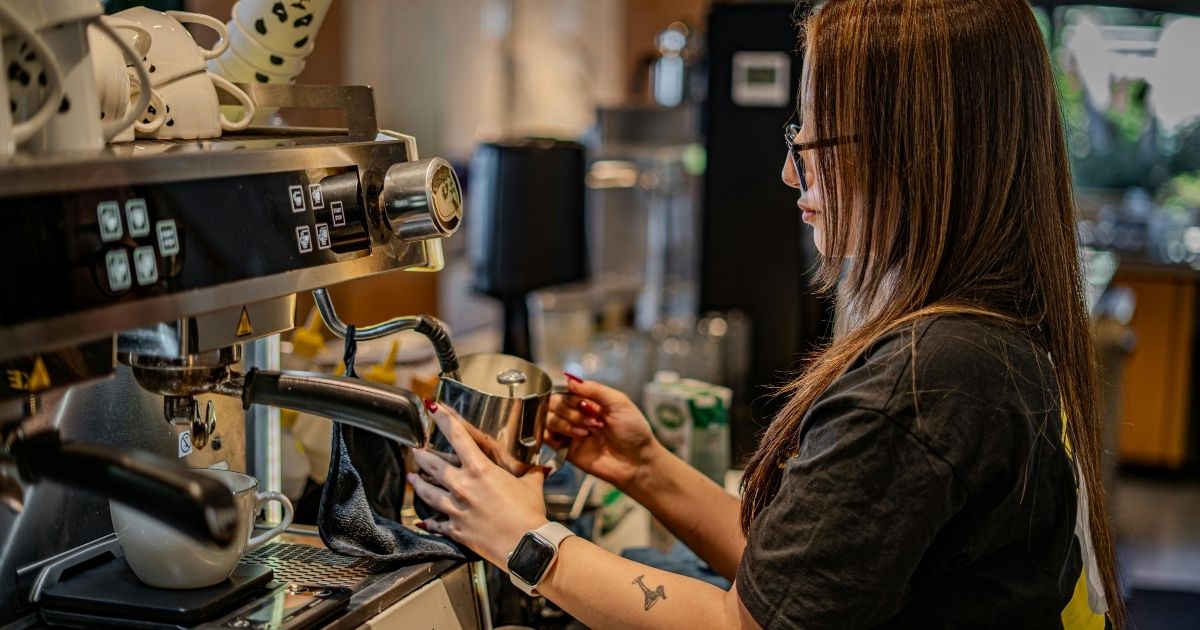
A restaurant coffee program is a structured system for sourcing, preparing, and serving high-quality coffee that aligns with your menu, brand, and operations. It includes equipment, beans, training, and maintenance to deliver consistent specialty drinks like espresso, lattes, and pour-overs.
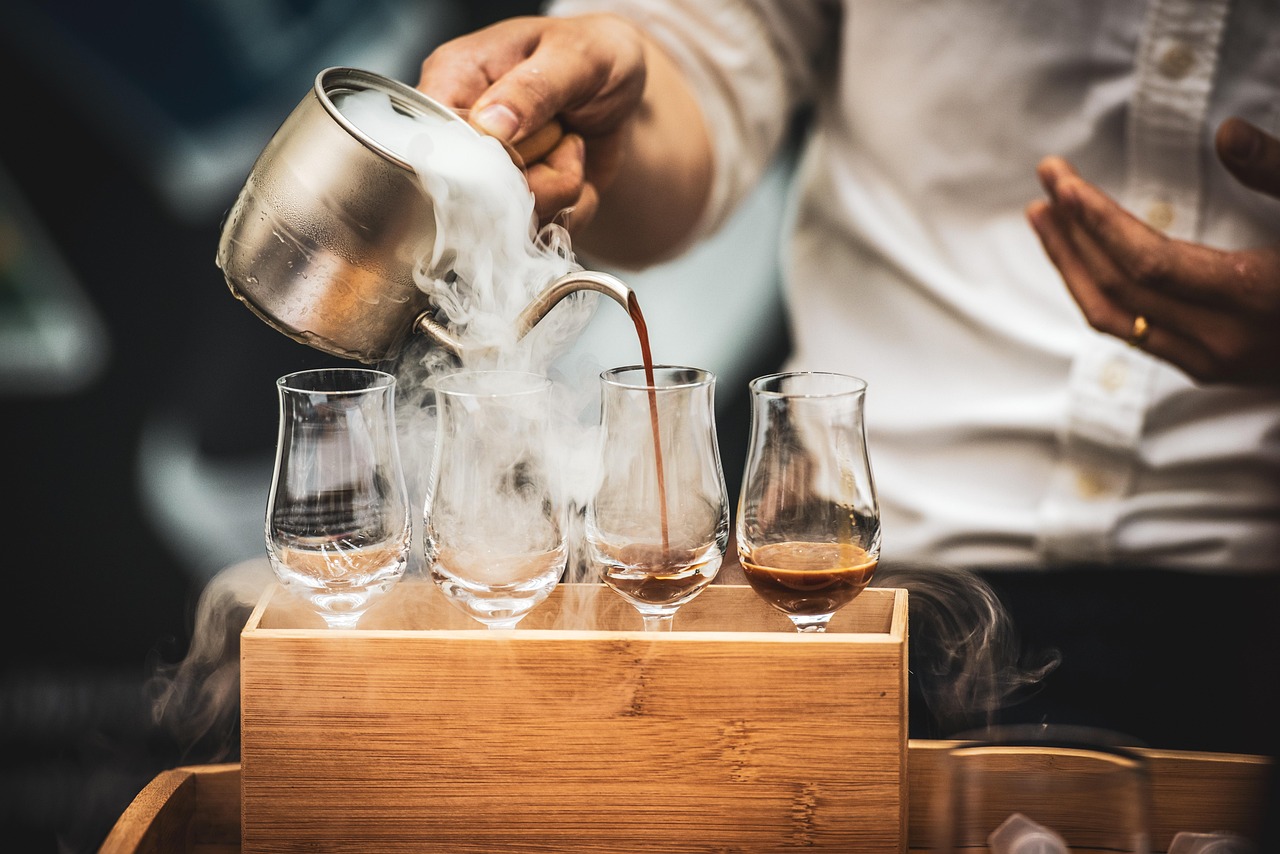
A well-executed restaurant coffee program transforms the end of a meal into a memorable experience. Unlike basic coffee stations that rely on drip brewers and pre-ground beans, a full program treats coffee as a craft—requiring intentional choices in equipment, bean sourcing, staff training, and ongoing support. In my experience working with dozens of restaurant owners through Busy Bean Coffee, I've seen how a deliberate approach turns coffee from an afterthought into a profit center. De acordo com relatórios recentes do setor de the National Restaurant Association's 2026 State of the Industry report, coffee accounts for 12% of beverage revenue in full-service restaurants, yet many operators undervalue it. A proper program fixes that by standardizing quality—no more burnt pots or watery brews.
At its core, a restaurant coffee program addresses key elements: equipment reliability for high-volume service, barista-level training for staff, a premium bean supply, and waste minimization. For comprehensive context on sourcing the right gear, see our Ultimate Guide to Wholesale Barista Equipment for Businesses.
Busy Bean Coffee's SENSA line is built for this exact scenario: compact, high-output machines with all-inclusive maintenance. We've seen restaurants cut downtime by 90% and upsell specialty drinks effortlessly. This isn't theory; it's from real installs in high-traffic spots like Charlotte and Charleston.

Why a Restaurant Coffee Program Matters
A strong restaurant coffee program directly impacts your bottom line and guest satisfaction. First, it drives revenue. Harvard Business Review notes that beverage upsells can increase average check sizes by 15% (HBR, 2024 study on restaurant profitability). Coffee is low-cost, high-margin—espresso shots cost pennies but sell for $4+. Second, it differentiates your restaurant. In a sea of sameness, craft coffee signals quality. Deloitte's 2026 Foodservice Trends report found that 68% of diners choose venues based on beverage innovation, with coffee topping the list. We've had clients report 25% more positive Yelp reviews post-upgrade.
Third, it enhances operations. No more mid-rush machine breakdowns or untrained staff fumbling lattes. Proper programs reduce labor costs through efficiency. A Gartner analysis on F&B tech shows managed equipment services cut maintenance expenses by 40%. Finally, it builds loyalty. Post-dinner coffee keeps tables occupied longer, increasing turnover value. For restaurants eyeing wholesale barista gear, check our guide on Best Wholesale Espresso Machines for Restaurants and Cafes. The impact? In my experience with Busy Bean Coffee clients, programs pay for themselves in 6 months via higher sales and lower hassle.
How to Set Up a Restaurant Coffee Program in 7 Steps
Setting up a restaurant coffee program follows a proven 7-step process. Start with assessment: Analyze your current setup, foot traffic, and menu synergy. High-volume spots need dual-boiler espresso machines; smaller ones can thrive with semi-automatics.
Step 1: Choose Equipment Wisely. Opt for wholesale barista gear like grinders, tampers, and steam wands. Our Commercial Coffee Grinders Wholesale Buyer's Guide details top picks for consistency. Invest in a 2-group espresso machine with a 10L boiler for 100-200 covers per shift.
Step 2: Source Beans and Supplies. Partner with roasters for fresh, specialty beans. Avoid big-box generics—focus on single-origin for upsell appeal. Busy Bean Coffee offers exclusive pricing in our managed model. Aim for a rotation of 2-3 origins to keep menus dynamic.
Step 3: Design the Station. Allocate 6-8 sq ft near the pass or dining area. Include workflow: grinder to portafilter to group head. Ensure proper ventilation and water filtration—hard water kills machines fast. IDC's 2026 report stresses reliable equipment boosts uptime to 98%.
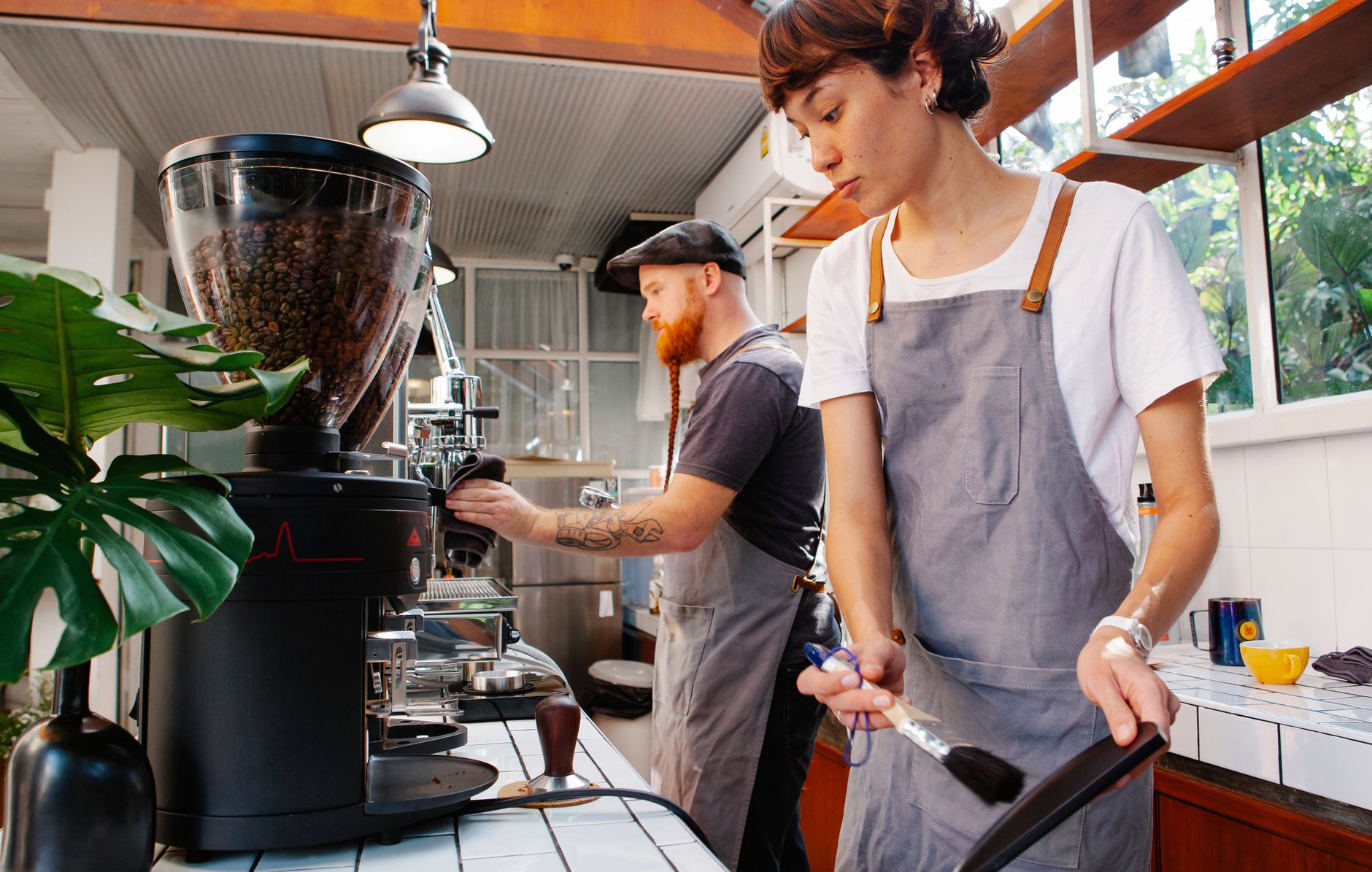
Step 4: Train Staff. Invest in 4-hour sessions. Teach tamping, steaming, and latte art basics. Busy Bean Coffee provides white-glove training—Leslie Cook, our lead tech, has trained hundreds. Certify 2-3 staff per shift. Forbes (2026) notes trained baristas increase sales by 25%.
Step 5: Menu Integration. Add 5-7 drinks: espresso, cappuccino, cold brew, latte, mocha, flat white, and a seasonal special. Price at 4x cost for margins. Use descriptive names: "Salted Caramel Espresso" sells better than "latte."
Step 6: Launch and Promote. Soft-launch with staff tastings, then menu specials. Use signage: "New Craft Coffee Program." Cross-promote with desserts. Track initial sales to adjust.
Step 7: Monitor and Optimize. Track sales, waste, and feedback weekly. Adjust grind size or beans as needed. Busy Bean Coffee's managed service includes monthly performance reviews.
This mirrors setups we've done for Restaurant Coffee Service in Charlotte NC. For milk-based drinks, see Top Milk Frothers and Steamers Wholesale for Bars. Total timeline: 4-6 weeks, with immediate ROI.

Restaurant Coffee Program vs Basic Coffee Service
| Aspect | Basic Coffee Service | Full Restaurant Coffee Program |
|---|---|---|
| Equipment | Drip brewers, pods | Wholesale espresso machines, grinders |
| Training | Minimal | Barista-level, ongoing |
| Menu | Black coffee, basic | 7+ specialty drinks |
| Cost per Cup | $0.50 (low quality) | $0.80 (premium, high margin) |
| Revenue Potential | 5-8% of checks | 12-18% of checks |
| Maintenance | DIY, frequent issues | All-inclusive managed service |
Basic service suffices for low-end spots, but it caps potential. A full restaurant coffee program shines in competitive markets. MIT Sloan research (2025) shows specialty programs yield 22% higher beverage profits. The wholesale route, detailed in our Ultimate Guide to Wholesale Barista Equipment for Businesses, slashes upfront costs by 50% vs retail. Busy Bean Coffee's model—no capex, predictable fees—eliminates risks. Clients like a Columbia SC restaurant saved thousands yearly on repairs alone.
Best Practices for a Restaurant Coffee Program
Success hinges on execution. Practice 1: Standardize Recipes. Lock in ratios—18g coffee in, 36g espresso out. Deviations kill consistency. Practice 2: Daily Cleaning Rituals. Backflush machines twice daily; purge grinders. This prevents flavor off-notes. Practice 3: Inventory Smarts. Order beans bi-weekly; store airtight. Waste kills margins. Practice 4: Staff Incentives. Tip pool for coffee upsells motivates buy-in. Practice 5: Customer Feedback Loop. QR codes on cups for quick polls. Practice 6: Seasonal Twists. Pumpkin lattes in fall drive 30% spikes. Practice 7: Tech Integration. POS tracking for real-time sales data.
💡
Key Takeaway
All-inclusive services like Busy Bean Coffee's handle maintenance, freeing you to focus on hospitality.
When we built programs at Busy Bean Coffee, we discovered unreliable gear causes 70% of failures. Pair with Essential Barista Tools and Accessories Wholesale for completeness. Track metrics monthly—aim for 200+ cups/day in busy spots.
Common Mistakes in Setting Up a Restaurant Coffee Program
Avoid these pitfalls: 1. Skimping on Equipment – Cheap machines break, costing more in downtime. 2. Underinvesting in Training – Untrained staff produce inconsistent drinks that hurt brand perception. 3. Ignoring Water Quality – Hard water scales boilers, reducing lifespan. 4. Overcomplicating the Menu – Stick to 5-7 drinks; too many options slow service. 5. Neglecting Maintenance – Preventive care is cheaper than emergency repairs. Busy Bean Coffee's managed service covers all these, ensuring your program runs smoothly.
Real-World Example: How a Charlotte Restaurant Boosted Revenue by 30%
One of our clients, a mid-scale bistro in Charlotte, NC, struggled with a basic drip coffee setup. After implementing a full restaurant coffee program with Busy Bean Coffee—including a SENSA Pro machine, training, and inclusive maintenance—they saw dramatic results: Beverage revenue increased by 30% within three months, positive online reviews mentioning coffee rose by 40%, and equipment downtime dropped to zero. The all-inclusive membership eliminated surprise repair bills. This case study demonstrates the tangible ROI of a well-planned program.
Frequently Asked Questions
What equipment do I need for a restaurant coffee program?
Essential gear includes a 2-group espresso machine, conical burr grinder, milk frother, and tampers. For 100-300 covers daily, choose commercial-grade wholesale options with 5-10L boilers. Busy Bean Coffee's SENSA Pro fits perfectly—handles 300+ drinks/shift. Budget $5K-$15K upfront or go managed to avoid capex. Factor in knock boxes and pitchers too. Pro tip: Test water quality; hard water kills machines fast. IDC's 2026 report stresses reliable equipment boosts uptime to 98%. Link to How to Buy Barista Equipment in Bulk for Restaurants for bulk deals.
How much does a restaurant coffee program cost?
Initial setup: $10K-$25K for gear and training. Ongoing: $500-$1,500/month for beans, milk, and service. All-inclusive models like ours at Busy Bean Coffee bundle it into one fee—no surprises. ROI hits in 4-6 months via $2K+ monthly upsells. National Restaurant Association data shows payback under 1 year for specialty programs. Skip capex with memberships; we cover installs too.
How do I train staff for a coffee program?
Start with 4-hour hands-on sessions: extraction, steaming, latte art. Use videos for reinforcement. Certify 2-3 staff per shift. We've trained teams via white-glove techs—results in 40% faster service. Refresh quarterly. Forbes (2026) notes trained baristas increase sales 25%. Resources in our pillar guide.
Can small restaurants run a coffee program?
Absolutely—scale down to single-group machines. Focus on 3 core drinks. Busy Bean Coffee serves independents with flexible SENSA Duo. Low-volume spots see 15% check boosts. Key: Consistent quality over variety.
How do I choose a coffee supplier?
Prioritize fresh roasts, reliable delivery, and support. Avoid distributors pushing volume over quality. Busy Bean Coffee offers exclusive pricing in our managed model. Check testimonials from our 10-year partners.
How do I price coffee drinks in a restaurant program?
Typically 4-5x cost. Espresso $3-4, latte $5-6, specialty drinks $6-8. Factor in labor and overhead. Track margins monthly.
What are the most profitable drinks?
Espresso-based drinks with milk have highest margins. Cold brew concentrates also yield high ROI, especially in warmer months.
How long does it take to see ROI?
Most restaurants recoup investment within 4-6 months through increased check averages and repeat visits. All-inclusive models accelerate payback by eliminating capital outlay.
Conclusion
A restaurant coffee program elevates your entire operation, turning coffee into a revenue engine while delighting guests. Follow these steps—assess, equip, train, launch—and watch sales climb. For deeper wholesale insights, revisit our Ultimate Guide to Wholesale Barista Equipment for Businesses.
Ready to simplify? Busy Bean Coffee handles everything: premium SENSA equipment, installation, maintenance, and training for one predictable fee. No contracts, no hassle. Contact us at (833) THE-BEAN or visit www.busybeancoffee.com to start your program today. Your diners will thank you.
About the Author
Travis Estes is the CEO & Founder at Busy Bean Coffee. With over a decade of experience in coffee service and foodservice operations, he has helped hundreds of restaurants design profitable coffee programs, from independent bistros to national chains.
Free Coffee Pairing Guide & Specialty Roast Cheat Sheet
Unlock the secrets of perfect brewing ratios, water temperatures, and specialty roast profiles. Download the guide.