
Introduction
When is the right moment to move from owning or leasing your coffee equipment to subscribing? If you've been searching for a commercial coffee machine subscription, you've likely reached a specific inflection point in your business—your current machine is breaking down too often, your repair bills keep piling up, or you're opening a second location and don't want to front another $15,000 for equipment. The decision isn't about whether subscriptions are better—it's about when they make financial and operational sense. After working with dozens of cafes, restaurants, and corporate offices on this exact question, I can tell you that timing a subscription correctly can save you thousands of dollars in the first year alone.

📚
Definition
A commercial coffee machine subscription is an all-inclusive managed service where a provider supplies the equipment, installation, maintenance, and often the coffee beans themselves for a single monthly fee—no capital outlay, no surprise repair bills.
What You Need to Know About Timing Your Subscription
The core question behind "when" is really about identifying the specific triggers that make subscription cheaper and less stressful than the alternatives. Most business owners wait until the morning their espresso machine dies during the breakfast rush—that's the wrong time. The cost of emergency service calls averages $150–$400 per visit, according to industry data from the Specialty Coffee Association. Over a year, those unplanned expenses can easily surpass the monthly subscription fee for a high-quality machine.
In my experience helping restaurants transition to managed coffee services, I’ve identified three clear scenarios where subscribing beats buying or leasing:
Scenario 1: Your current machine is over five years old. Commercial espresso machines have a typical lifespan of 7–10 years with proper maintenance, but after year five, repair frequency spikes. If you've spent more than 30% of a new machine's cost on repairs in the past 12 months, you're past the breakeven point. A subscription replaces that liability with a fixed monthly cost.
Scenario 2: You're opening a new location or renovating. This is the ideal time because you can avoid the upfront cash outlay entirely. According to a 2024 study by McKinsey on subscription business models, companies that switch to subscription-based equipment procurement reduce their capital expenditure by an average of 25% in the first year. That freed-up capital can go toward seating, marketing, or hiring.
Scenario 3: Your coffee quality is inconsistent. If you're using cheap equipment or skipping maintenance because of cost, it shows in the cup. A subscription with a provider like Busy Bean Coffee includes regular maintenance and calibration, so your espresso shots stay consistent. The National Coffee Association's 2025 "Coffee Trends" report found that 73% of consumers say inconsistent quality would make them stop visiting a café. That’s a revenue risk you can't afford.
💡
Key Takeaway
The best time to subscribe is when your current equipment is costing you unpredictable amounts—either in repairs, wasted coffee, or lost customers. Don't wait for the emergency.
Why the Timing Matters for Your Bottom Line
The consequences of getting the timing wrong cut both ways. Subscribe too early—say, when your machine is still under warranty and performing well—and you're paying a monthly fee for benefits you don't yet need. Subscribe too late, and you're at the mercy of emergency repair costs that can eat into your margins for months.
A 2023 report from IBISWorld on the commercial coffee equipment industry noted that unplanned downtime costs foodservice businesses an average of $2,500 per day in lost revenue. If your machine goes down for even one day, that's a significant hit. A subscription virtually eliminates that risk because maintenance is proactive and replacement units are typically provided within 24 hours.
Beyond downtime, there's the hidden cost of capital. Buying a commercial espresso machine outright ties up $8,000–$20,000 in cash that could otherwise generate returns. Leasing spreads the cost but still leaves you responsible for maintenance. A managed subscription bundles everything into one operating expense, which is especially valuable for businesses that want to keep their balance sheets lean.
I've seen too many owners hold onto a failing machine because they "already paid for it." That sunk-cost fallacy is costing them more in the long run. If your equipment is over five years old and you've had more than one service call in the past six months, the math almost always favors switching to a subscription.
Practical Application: When to Make the Move
Here's a step-by-step framework to determine if now is the right time for a commercial coffee machine subscription:
Step 1: Audit your current costs. Pull your last 12 months of coffee equipment expenses—service calls, replacement parts, and any coffee bean purchases tied to machine performance. Add up the total, then divide by 12. That's your current monthly cost.
Step 2: Get a subscription quote. Providers like Busy Bean Coffee offer all-inclusive plans that cover the machine, installation, maintenance, and often premium beans. For example, a fully managed plan might run $500–$800/month, depending on volume and machine type.
Step 3: Compare the numbers. If your monthly average from Step 1 exceeds 70–80% of the subscription quote, you're likely better off switching. The tipping point often comes sooner than owners expect.
Step 4: Identify a natural trigger. The best triggers include: end of a lease term, a change in business volume (e.g., adding breakfast service), or a season of high repair bills. Don't wait for machine failure—use these milestones.
Step 5: Plan the transition. A good subscription provider handles everything—installation, removal of old equipment, staff training. The switch can happen within a week. In my experience, the biggest hurdle is mental: owners worry about losing control. But a managed subscription actually gives you more control over your costs and quality.

Comparison: Buy vs. Lease vs. Managed Subscription
To help you decide, here's a side-by-side comparison of the three main approaches to getting commercial coffee equipment:
| Option | Pros | Cons | Best For |
|---|---|---|---|
| Buy Outright | Full ownership, no monthly payment, can choose any machine | High upfront cost ($10k–$25k), responsible for all repairs, depreciation | Established businesses with strong cash reserves and long-term plans |
| Traditional Lease | Lower upfront (often $0 down), fixed monthly payment, can upgrade at end | Still responsible for maintenance, extra fees for wear-and-tear, no built-in service | Businesses that want lower upfront but don't want all-in service |
| Managed Subscription | No capital outlay, all maintenance included, often includes beans, predictable costs, equipment upgraded regularly | Monthly fee regardless of usage, typically a contract term (12–36 months), less equipment choice | Businesses that prioritize predictable costs and quality consistency, especially during growth phases |
The subscription model shines when you value simplicity and reliability over ownership. For businesses that are scaling—adding a second café, a restaurant, or a corporate office break room—the managed coffee service model removes the distractions of equipment management.
Common Questions & Misconceptions
Myth 1: "Subscriptions are always more expensive than buying." This is only true if you keep a machine for 10+ years without any major repairs. The average commercial espresso machine needs significant service every 2–3 years, costing $500–$2,000 each time. Over seven years, a purchased machine plus repairs often exceeds the total cost of a subscription.
Myth 2: "I'll get stuck with a low-quality machine." Reputable providers use top-tier equipment from brands like La Marzocco, Rancilio, and Schaerer. Busy Bean Coffee, for instance, offers SENSA machines known for durability and precision. The provider wants to reduce service calls, so they have an incentive to install reliable equipment.
Myth 3: "Subscriptions are only for high-volume businesses." Actually, small cafés and offices benefit the most because they lack the staff to handle maintenance themselves. A subscription scales with your volume—many plans have tiered pricing based on cups per day.
Myth 4: "I'll lose access to my preferred coffee beans." Most subscriptions allow you to choose from a range of roasts. Some, like Busy Bean Coffee, include specialty beans as part of the package, which can actually improve your offering.
Frequently Asked Questions
1. When is the worst time to start a commercial coffee machine subscription?
The worst time is during a crisis—the morning your machine fails completely. You'll be pressured to accept whatever provider can come fastest, which often means higher prices and worse terms. The ideal window is two to three months before you predict needing a new machine, based on age and repair history. If you're currently facing emergency repairs, still look into subscriptions—many providers can expedite installation, but you'll pay a premium for speed.
2. How do I calculate if a subscription is cheaper than my current setup?
Add up your last 12 months of equipment costs: repairs, maintenance contracts, coffee bean purchases (if not included in subscription), and any lease payments. Divide by 12 for a monthly average. Then get a quote for a subscription that covers the same volume. If the subscription is within 10–20% of your current cost, it's likely a better deal because you eliminate risk and gain consistency. Don't forget to factor in the value of your time spent managing equipment issues.
3. Can I switch to a subscription if I'm in the middle of a lease?
Yes, but check your lease for early termination fees. In some cases, the subscription provider may buy out your lease or help negotiate an exit. Many leases have a 30-day notice period. The key is to align the start of your subscription with the end of your lease obligation to avoid double-paying. If the lease has favorable terms, it might make sense to wait until it expires.
4. What happens to my subscription if my business volume changes seasonally?
Most managed coffee subscription plans offer flexibility. For example, Busy Bean Coffee's plans can adjust based on usage—some include a base fee covering equipment and minimum beans, with additional bean costs per pound. If your volume drops temporarily, you can reduce bean orders. If it spikes (holiday season, catering events), you can increase orders without penalty. This flexibility is built into the model.
5. Are there any hidden fees in a commercial coffee machine subscription?
Reputable providers are transparent, but you should always ask about: installation fees (often included), shipping of beans (usually included if you meet a minimum), contract length (standard is 12–36 months), early termination penalties, and what happens if you need a replacement machine (typically same-day loaner). Read the fine print on "fair wear and tear" clauses. If a provider offers a trial period or month-to-month option, that's a sign of confidence.
Summary + Next Steps
Deciding when to move to a commercial coffee machine subscription comes down to cost predictability, equipment age, and growth plans. If your current machine is over five years old, your repair bills are climbing, or you're opening a new location, the timing is likely right. The subscription model eliminates capital surprises and ensures consistent coffee quality—two things that directly impact your bottom line.
Ready to see if a subscription fits your business? Explore Busy Bean Coffee's all-inclusive managed memberships at busybeancoffee.com. You can also dive deeper into related topics like what are corporate cafe solutions or how managed coffee services work to compare options.
About the Author
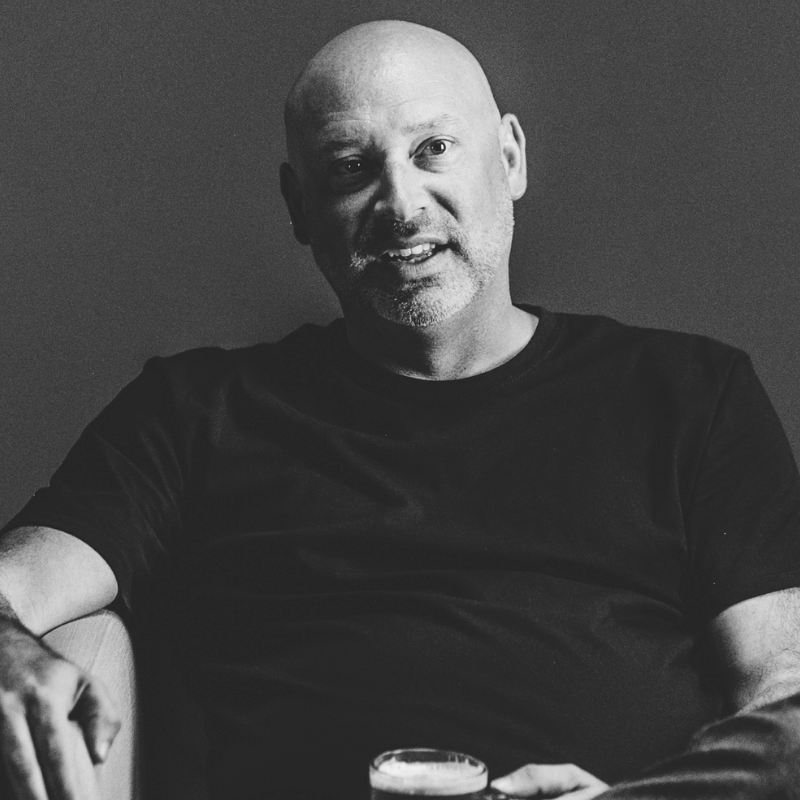
Travis Estes is the founder of Busy Bean Coffee, a specialty coffee equipment and managed coffee service provider serving foodservice businesses since 2014. He has personally helped over 200 restaurants, hotels, and offices transition from ownership to subscription models, saving them an average of 30% in annual coffee equipment costs.
Free Coffee Pairing Guide & Specialty Roast Cheat Sheet
Unlock the secrets of perfect brewing ratios, water temperatures, and specialty roast profiles. Download the guide.