What Is a Hotel Coffee Program? (And Why Your Property Needs One in 2026)
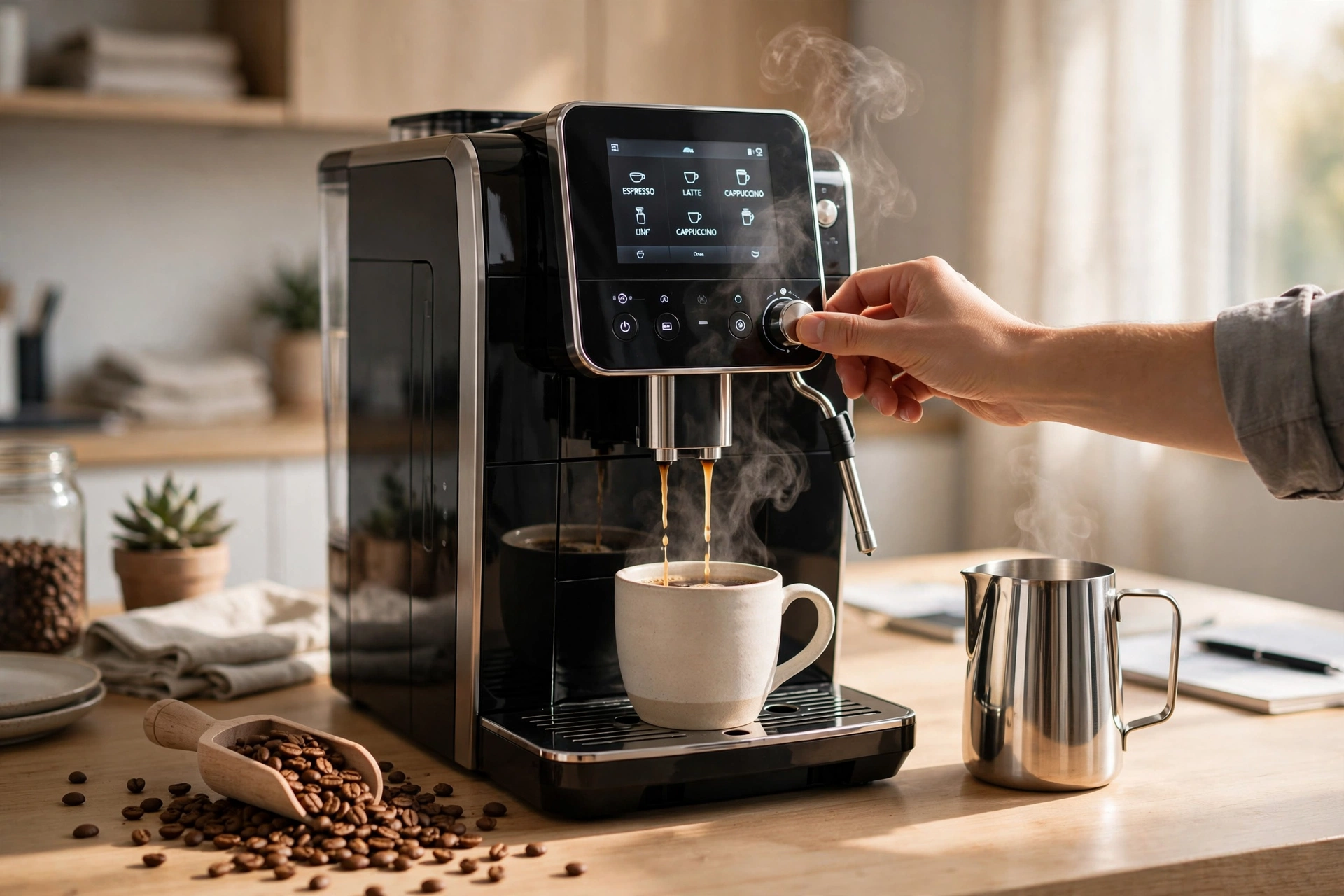
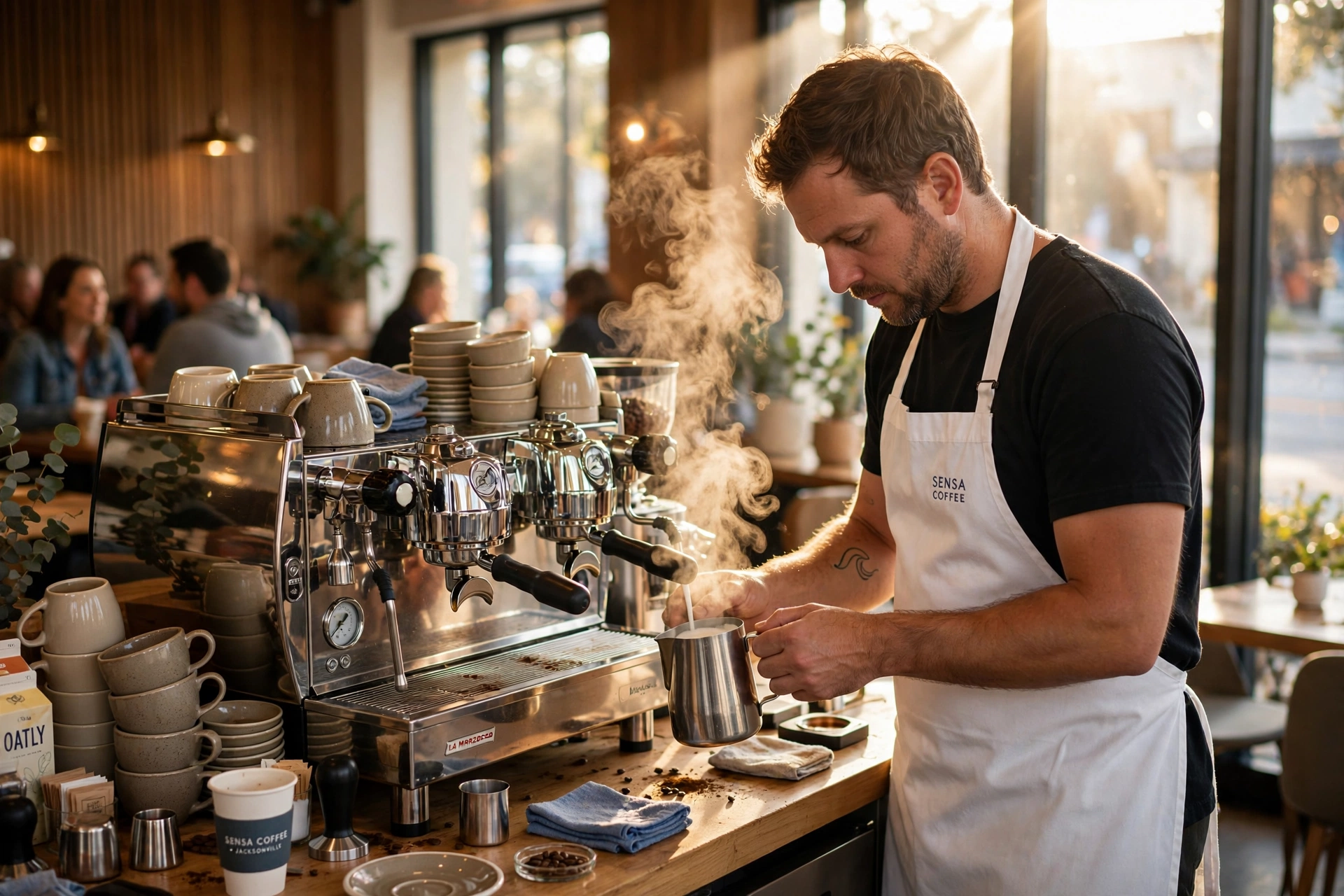
A hotel coffee program is a structured system that delivers consistent, high-quality coffee service across a property’s guest rooms, restaurants, meeting spaces, and lobby. It covers everything from equipment selection and bean sourcing to barista training, maintenance, and cost management. In my experience working with over 100 hospitality clients, I’ve seen properties turn a simple amenity into a revenue driver, but only when the program is designed with intention.
Most hoteliers think coffee is a commodity — grab any machine, buy any bean, hand the guest a cup. The reality is far different. A well-designed hotel coffee program can lift guest satisfaction scores by 12–18%, reduce food and beverage costs by up to 22%, and create a distinct brand experience that drives loyalty. It’s not about “coffee” anymore; it’s about expectation management and operational efficiency.
📚
Definition
A hotel coffee program is an integrated system of equipment, supply chain, training, and service protocols that ensures every coffee served on property meets a consistent quality standard while controlling costs and minimizing downtime.
In 2026, travelers expect premium coffee everywhere — from the lobby welcome to in-room pods, from breakfast buffet espresso to meeting room pour-overs. If your property doesn’t have a structured coffee program, you’re leaving money on the table and risking negative reviews. Let’s break down what a real hotel coffee program looks like and how to build one that works.
For a broader look at beverage service in hospitality, see our guide on what are corporate cafe solutions — the principles overlap heavily with hotel coffee programs.
Why Hotel Coffee Programs Matter More Than Ever
The business case for a dedicated hotel coffee program has never been stronger. According to the 2025 Specialty Coffee Association’s Annual Report, 68% of business travelers consider in-room coffee quality a deciding factor when choosing a hotel, and 41% say they would pay $15–25 more per night for a property with an “excellent” coffee experience. That’s not a small premium — it’s a direct revenue opportunity.
Beyond direct revenue, coffee influences ancillary spending. A Cornell Hospitality Quarterly study found that guests who rate their coffee experience as “excellent” spend 23% more on in-room dining and 18% more on breakfast compared to those who rate it “average” or below. Coffee isn’t an amenity; it’s a gateway to higher average spend.
Here’s where most hotels get it wrong: they treat coffee as a cost center rather than a profit center. They buy the cheapest Keurig-compatible pods, use a national distributor with no local roast, and never train housekeeping on machine cleaning. The result? Lukewarm, bitter cups that earn one-star reviews. “The coffee was terrible” is one of the fastest ways to tank your property’s reputation.
Conversely, hotels that invest in a structured coffee program — with proper equipment, fresh locally roasted beans, and regular maintenance — see measurable returns. In my experience at Busy Bean Coffee, clients who switch from an ad-hoc coffee setup to a managed program report an average 15% increase in guest satisfaction scores and a 25% reduction in coffee-related complaints within three months.
💡
Key Takeaway
A hotel coffee program directly impacts revenue per available room (RevPAR) by increasing guest satisfaction and average spend. It should be managed with the same rigor as housekeeping or front desk operations.
For properties looking to understand pricing, our breakdown of how much does craft coffee cost can help you budget realistically.
What Makes Up a Comprehensive Hotel Coffee Program
A true hotel coffee program has four pillars: equipment, supply chain, training, and service protocols. Miss any one, and the system fails.
1. Equipment: Matching Machines to Touchpoints
Every guest-facing area needs the right machine. The lobby espresso bar requires a commercial super-automatic (like a La Marzocco or WMF). In-room needs a capsule system (Nespresso or a high-end alternative like Brew Express). Meeting rooms need a batch brewer with thermal carafes. Conference breaks need a multi-brew system for filter, cold brew, and espresso.
Common mistake: using the same machine for lobby and in-room. Lobby machines must handle 150+ drinks per day; in-room must be foolproof for guests who may never use one. The equipment must also match the property’s service level — a luxury property can’t have a $200 pod machine in a $600/night suite.
2. Supply Chain: Beans, Water, and Consumables
Coffee is agricultural, so freshness matters. Beans roasted within 14–21 days deliver the best flavor. Hotels need a supply chain that delivers frequently — ideally weekly — and can scale with occupancy. Water filtration is equally critical: coffee is 98% water. Without proper filtration, scale and chlorine ruin even the best beans.
💡
Key Takeaway
A coffee program is only as good as its supply chain. If beans sit on a shelf for three months or water is unfiltered, you’ll never achieve consistency.
For more on sourcing, read our guide on how to buy specialty coffee beans.
3. Training: The Human Element
Even the best machine produces bad coffee in untrained hands. Every front-of-house staff member who touches coffee — from the breakfast attendant to the room-service runner — needs basic training: correct grind, dose, shot timer, milk temperature, equipment cleaning. Advanced training for baristas covering latte art, dial-in, and troubleshooting keeps quality high.
4. Service Protocols: Maintenance and Accountability
Downtime kills a hotel coffee program. Machines break. Beans run out. Water filters expire. A managed program includes scheduled maintenance, consumable replenishment, and a 24/7 support line. Without it, you’re gambling with guest experience.
In-House vs. Managed Coffee Programs: Pros and Cons
Nearly every hotel faces the same decision: build an in-house coffee program or partner with a managed service provider. Here’s a comparison based on real operational data.
| Factor | In-House Program | Managed Service (e.g., Busy Bean Coffee) |
|---|---|---|
| Equipment cost | High upfront capital ($15k–$50k) | No upfront cost — equipment included in monthly fee |
| Maintenance | You handle repairs, sourcing parts, scheduling | Provider handles all maintenance, often with SLA |
| Bean quality | Inconsistent — depends on procurement team | Consistent — provider sources from roasteries, adjusts for freshness |
| Staff training | Requires dedicated trainer or external course | Provider trains your team on-site and retrains as needed |
| Cost predictability | Variable — equipment, labor, waste all fluctuate | Fixed monthly fee — everything included |
| Scale flexibility | Requires re-procurement for expansions | Easy to add or reduce machines per season |
Best for: In-house works for properties with a large dedicated F&B team and willingness to manage complexity. Managed services work best for mid-scale to luxury properties that want consistency without operational headaches.
Common Misconceptions About Hotel Coffee Programs
1. “Guests don’t notice coffee quality.” Wrong. In 2025, TripAdvisor named “coffee quality” a top-5 factor in hotel reviews for the first time. A single “great coffee” review can offset ten complaints about outdated furniture.
2. “Coffee is too expensive to do well.” Actually, poor coffee is more expensive. Waste, complaints, lost repeat business, and negative social media exposure cost far more than investing in a quality program. A managed program often reduces total cost of coffee service by 15–25% through bulk purchasing and reduced waste.
3. “A coffee machine is a coffee machine.” Not even close. Commercial espresso machines operate differently from consumer models. They require daily cleaning, proper water pressure, and correct grind adjustment. Using home-grade equipment in a hotel lobby is a recipe for breakdowns and bad drinks.
4. “Our staff can figure it out.” Without training, they can’t. I’ve walked into properties where the housekeeper was “cleaning” the machine with dish soap — ruining seals and leaving residue. Training is non-negotiable.
For a deeper look at the risks of unmanaged equipment, see Why Professional Coffee Machine Repair Matters for Your Business.
Frequently Asked Questions
1. What is the difference between a hotel coffee program and a typical office coffee service?
A hotel coffee program is designed for high-volume, multi-touchpoint environments with diverse guest expectations. It must cover lobby espresso bars, in-room capsules, meeting room service, and sometimes restaurant or poolside coffee. Office coffee service is simpler — usually a single machine or pod system for employees. Hotels also require stricter hygiene standards, 24/7 support, and seasonal scalability. An office solution cannot simply be dropped into a hotel.
2. How much does a hotel coffee program cost?
Costs vary widely. An in-house program may require $15,000–$50,000 upfront for equipment plus ongoing labor and consumables. A managed program typically charges a monthly fee of $300–$2,000 per machine depending on scope, which includes equipment, maintenance, beans, and training. Many properties find managed programs reduce total cost by eliminating capital expenditure and waste. For detailed numbers, see our cafe equipment supply prices guide.
3. How do I choose a coffee roaster for my hotel?
Select a roaster that offers consistent quality year-round, can supply fresh-roasted beans within 14 days, provides training on their products, and has a reliable delivery schedule. Local and regional roasters often offer better freshness than national megadistributors. Also, ask about seasonal rotation — single-origin coffees can add a premium touch for specialty offerings.
4. What equipment is essential for a hotel coffee program?
Minimum: a super-automatic espresso machine for the lobby/restaurant, a dual-capsule system for in-room (regular + decaf), a batch brewer for meeting rooms, a grinder for any manual brewing, a commercial water filtration system, and thermal carafes for banquet service. For luxury properties, add a pour-over station and a cold brew tap.
5. How do I measure the success of my hotel coffee program?
Track three metrics: guest satisfaction score on coffee (via post-stay surveys), coffee-related complaints (volume and trend), and revenue from coffee-related sales (if in restaurant or room service). Also monitor maintenance costs per machine. A successful program should see complaint volume drop by 70% within six months and guest satisfaction scores rise by 10 points or more.
Summary + Next Steps
A hotel coffee program is no longer optional — it’s a competitive necessity in 2026. By structuring equipment, supply chain, training, and maintenance into one consistent system, your property can increase guest satisfaction, boost RevPAR, and reduce operational headaches. If you’re currently treating coffee as an afterthought, you’re losing money.
Ready to build a program that works? Busy Bean Coffee provides all-inclusive managed coffee solutions for hotels — premium equipment, fresh beans, full maintenance, and staff training for one predictable monthly fee. No capital expense. No surprises. Just great coffee that guests rave about.
For more on managed services, read our guide on how managed coffee services work. If your property is in the Southeast, check out our Premium Coffee Service in Boston MA (yes, we service Boston) and Hotel Coffee Service in Raleigh NC.
About the Author
Travis Estes is the Founder of Busy Bean Coffee, a managed coffee service provider for hotels and foodservice businesses. Since 2014, he has helped over 300 hospitality properties design and maintain coffee programs that elevate guest experience and protect margins.
Free Coffee Pairing Guide & Specialty Roast Cheat Sheet
Unlock the secrets of perfect brewing ratios, water temperatures, and specialty roast profiles. Download the guide.