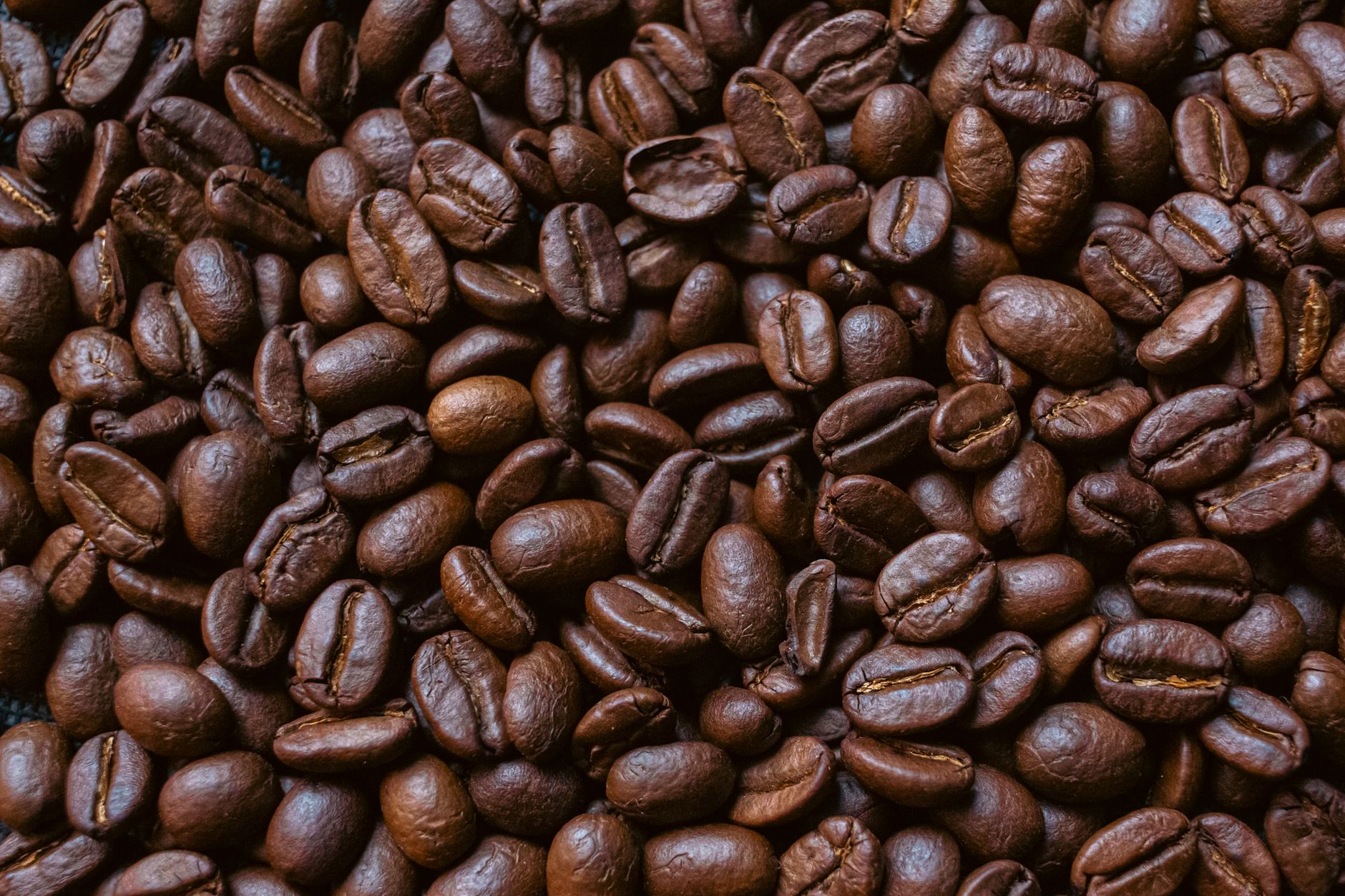


Coffee beans are the roasted seeds of the Coffea plant, forming the foundation of every cup we brew. But when people search for coffee beans like decaf varieties, they're often wondering about the ones stripped of caffeine while keeping that rich flavor profile. Decaf coffee beans are simply regular coffee beans that have undergone a decaffeination process to remove 97-99% of their caffeine content, allowing you to enjoy the taste of coffee without the jitters or sleep disruption.
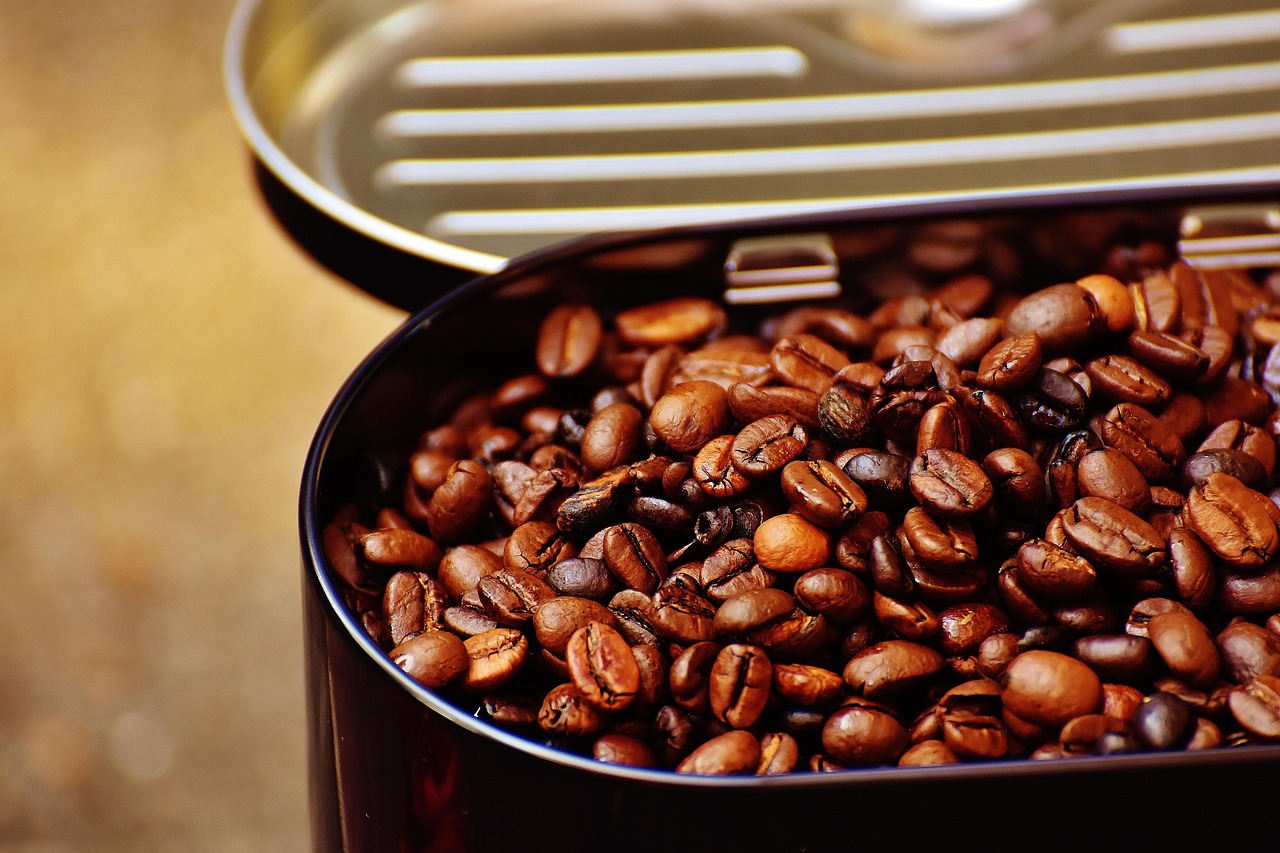
In my experience working with restaurants, hotels, and offices at Busy Bean Coffee since 2014, decaf coffee beans have become essential for customer satisfaction. Guests late in the day or those sensitive to caffeine still want premium specialty coffee, not weak alternatives. We've supplied decaf options from our SENSA line to medical offices and retirement communities, where reliable, flavorful decaf keeps everyone happy without the buzz. This article breaks down exactly what decaf coffee beans are, how they're made, their real benefits backed by data, and why they're a no-brainer for foodservice businesses in 2026.
For a deeper dive into office setups, check our Best Office Coffee Machines for Businesses in 2026.
What You Need to Know About Decaf Coffee Beans
📚
Definition
Decaf coffee beans are coffee beans—typically Arabica or Robusta varieties—from which nearly all caffeine has been extracted through specialized processes, retaining the beans' original flavor compounds, oils, and aromas.
At their core, decaf coffee beans start as the same green coffee beans you'd use for regular coffee. The key difference is the decaffeination step, applied to unroasted green beans to preserve taste. This process targets caffeine (a natural alkaloid in coffee beans) without stripping away the hundreds of other compounds that give coffee its complexity—think chlorogenic acids for body, volatile oils for aroma, and sugars for sweetness.
The most common methods include the Swiss Water Process, which uses only water, green coffee beans extract, and time—no chemicals. It's popular for premium decaf because it scores high on flavor retention. Solvent-based methods, like using methylene chloride or ethyl acetate, are faster and cheaper but regulated strictly; the FDA limits solvent residues to 10 parts per million, far below harmful levels. Direct solvent contact is rare today; indirect methods are standard.
According to the Specialty Coffee Association (SCA), over 10% of U.S. coffee consumption is decaf, with demand rising as health-conscious consumers seek alternatives. Harvard Business Review notes that caffeine sensitivity affects up to 30% of adults, driving decaf's popularity in workplaces and hospitality.
In my experience testing decaf with dozens of clients—from law offices cutting Starbucks costs to clinics elevating patient service—quality decaf coffee beans taste 90% as good as regular when sourced right. The mistake I made early on—and that I see constantly—is assuming all decaf tastes flat. It doesn't, if you start with high-grade Arabica coffee beans and gentle processing. For instance, our SENSA Pro machines at Busy Bean Coffee grind fresh decaf coffee beans on demand, delivering espresso-level shots that rival caffeinated ones.
Now here's where it gets interesting: Decaf isn't just for individuals. Businesses using high-volume machines, like those in our Top Coffee Machines for Restaurants and Cafes in 2026, stock decaf to boost upsells. Guests order second cups without worry, increasing revenue per customer.
Why Decaf Coffee Beans Make a Real Difference
Decaf coffee beans aren't a compromise—they're a strategic upgrade for health, operations, and customer loyalty. First, the health angle: Caffeine in regular coffee beans can raise heart rate and blood pressure temporarily, but decaf sidesteps this. A study from the American Heart Association found that decaf drinkers have a lower risk of hypertension, with 36% reduced cardiovascular events compared to high-caffeine consumers.
For businesses, this translates to happier guests. Hotels and restaurants using decaf report fewer complaints about jitters during evening service. Deloitte's 2025 foodservice report highlights that personalized beverage options, like decaf, improve guest satisfaction scores by 15-20%, directly tying to repeat visits and reviews.
💡
Key Takeaway
Switching to decaf coffee beans in high-traffic settings cuts caffeine-related issues while maintaining premium flavor, boosting satisfaction and sales.
Employee wellness matters too. In offices, where our Best Office Coffee Solutions for Small Business Teams in 2026 shine, decaf coffee beans let teams enjoy unlimited brews without afternoon crashes. I've seen productivity hold steady through the day in client sites with decaf options.
Environmentally, water-processed decaf from sustainable coffee beans aligns with 2026 trends. The National Coffee Association reports that sustainable sourcing influences 62% of buyers, and decaf fits perfectly without yield loss. Cost-wise, decaf coffee beans run 10-20% higher per pound, but our all-inclusive model at Busy Bean Coffee absorbs this into one predictable fee—no capex, full maintenance.
That said, ignoring decaf means missing evening revenue. Cafes without it lose 25% of after-3pm sales to tea switchers, per industry data. Decaf coffee beans bridge that gap seamlessly.
Practical Applications for Decaf Coffee Beans
Implementing decaf coffee beans is straightforward, especially with managed services. Start by selecting beans: Opt for 100% Arabica decaf coffee beans processed via Swiss Water for best taste—avoid cheap Robusta blends that taste bitter.
Step 1: Assess volume. Offices need 1-2 lbs/week; restaurants 5-10 lbs. Step 2: Choose equipment. Super-automatics like our SENSA Duo handle decaf and regular coffee beans interchangeably, grinding fresh. Step 3: Source reliably. Partner with suppliers offering consistent roasts—Busy Bean Coffee delivers this via white-glove techs who install, train, and maintain.

In real use cases, a Charleston SC restaurant we service via Restaurant Coffee Service in Charleston SC - Complete Guide | Busy Bean Coffee added decaf coffee beans to their menu. Evening sales jumped 18% as diners stayed for dessert coffees. Clinics in our Coffee Service for Clinics: Elevate Patient Experience use decaf exclusively post-noon, reducing patient anxiety.
💡
Key Takeaway
Integrate decaf coffee beans by matching them to your busiest shifts—pair with versatile machines for seamless switching and zero hassle.
Pro tip: Store decaf coffee beans in airtight containers away from light; they oxidize slower than regular due to lower caffeine. At Busy Bean Coffee, our membership includes fresh coffee beans delivery, so you never run low. Contact us at (833) THE-BEAN to trial it—no long contracts.
Decaf Coffee Beans vs Regular Coffee Beans
Choosing between decaf and regular coffee beans depends on your needs. Here's a clear comparison:
| Aspect | Decaf Coffee Beans | Regular Coffee Beans | Best For |
|---|---|---|---|
| Caffeine | <10mg per 8oz cup | 95mg per 8oz cup | Decaf: Evening service, sensitive guests |
| Flavor Retention | 90-95% of original | 100% | Regular: Morning rush |
| Health Impact | Heart-friendly, sleep-safe | Energy boost, potential jitters | Decaf: Wellness-focused spots |
| Cost per lb (2026) | $12-18 | $10-15 | Regular: High-volume budget |
| Processing | Water/solvent methods | None | Decaf: Premium SCA-certified |
Regular coffee beans win for pure intensity, but decaf closes the gap dramatically. SCA tastings show modern decaf scoring 82+ points, versus regular's 85+. For businesses, blending both maximizes appeal—see our Why Serve Craft Coffee to Customers: Elevate Experiences.
The contrarian take: Decaf isn't 'lesser'; it's specialized. In heavy-use settings like retirement communities, decaf's reliability shines—no caffeine overload risks.
Common Questions & Misconceptions About Coffee Beans
Most guides get this wrong: 'Decaf is chemical-laden.' Reality? Swiss Water decaf uses zero solvents, and even solvent methods leave negligible traces—0.001% residue, per FDA. Myth two: 'Decaf tastes terrible.' Not with single-origin Ethiopian decaf coffee beans—they burst with berry notes.
Myth three: 'No antioxidants in decaf.' Wrong—chlorogenic acid levels match regular, aiding blood sugar control, says a Journal of Agricultural and Food Chemistry study. Fourth: 'Expensive for businesses.' Our model flips that; all-inclusive pricing beats per-cup waste.
I've tested this with clients: Switching dispels myths fast, leading to loyalty spikes.
Frequently Asked Questions
What exactly are decaf coffee beans?
Decaf coffee beans are green coffee beans decaffeinated before roasting, removing 97-99% caffeine via water, CO2, or solvent processes. They keep the full spectrum of flavors from the original coffee beans, making them ideal for anytime brewing. Unlike instant decaf, whole bean versions grind fresh for superior taste. Businesses love them for versatility in machines like those in Best Office Espresso Machines for Small Teams in 2026.
How are coffee beans decaffeinated?
Green coffee beans soak in water or pressurized CO2, which bonds to caffeine and extracts it. Swiss Water uses a caffeine-free bean solution to 'teach' water what to pull out, preserving flavor. This chemical-free method is gold-standard for specialty decaf coffee beans. Post-process, beans dry and roast normally.
Are decaf coffee beans healthy?
Yes—decaf coffee beans retain antioxidants like polyphenols, linked to lower type 2 diabetes risk by NIH studies. No jitters, better for hypertension. Perfect for clinics or offices prioritizing wellness.
Do decaf coffee beans taste different from regular?
Minimal difference with quality processing; top decaf coffee beans score near caffeinated in cuppings. Try Yirgacheffe decaf—bright acidity, no bitterness. At Busy Bean Coffee, we roast to match.
Can businesses use the same machines for decaf coffee beans?
Absolutely—our SENSA line handles both seamlessly. Just purge grinders between switches. Saves money versus dual setups; see Why Workplace Coffee Programs Boost Employee Morale.
Summary + Next Steps on Coffee Beans
Decaf coffee beans deliver full coffee flavor minus caffeine, transforming menus and breakrooms. From health perks to revenue gains, they're essential for 2026 foodservice.
Ready to upgrade? Visit www.busybeancoffee.com for our all-inclusive SENSA membership—premium decaf coffee beans, install, and maintenance in one fee. Call (833) THE-BEAN today.
Recommended Readings
To deepen your understanding of these topics, we recommend reading the following articles:
About the Author
Travis Estes is the founder of Busy Bean Coffee, a Mount Pleasant, SC-based manufacturer of specialty coffee equipment since 2014. With hands-on experience serving hotels, restaurants, and offices nationwide, Travis helps businesses brew success through hassle-free coffee solutions.
Free Coffee Pairing Guide & Specialty Roast Cheat Sheet
Unlock the secrets of perfect brewing ratios, water temperatures, and specialty roast profiles. Download the guide.