📖This article is part of the complete guide to Ultimate Guide to Specialty Coffee Bean Supply for Foodservice.
What Are Trends in Specialty Coffee Beans?
📚
Definition
Trends in specialty coffee beans refer to the evolving practices, consumer preferences, and innovations that shape how beans are grown, processed, traded, and consumed. In 2026, these trends heavily emphasize sustainability, traceability, and distinct flavor experiences.
The specialty coffee market is dynamic, and staying ahead of trends specialty coffee beans is crucial for foodservice businesses aiming to attract discerning customers. According to the Specialty Coffee Association (SCA), consumer interest in origin stories and ethical production has grown by 40% since 2020 (SCA Consumer Trends Report). This shift drives changes across the entire supply chain, from farm to cup. For restaurants, hotels, and offices, adopting these trends can differentiate their beverage offerings and create brand loyalty.
In my experience helping dozens of foodservice clients at Busy Bean Coffee, I've seen that businesses that align with these trends often see a 15-20% increase in coffee-related revenue within the first year. However, navigating the complex landscape of sourcing and equipment requires expertise. This article breaks down the most impactful trends for 2026 and how you can leverage them.

Why Trends in Specialty Coffee Beans Matter for Your Business
Adopting current trends specialty coffee beans is not just about following fads—it's about meeting evolving customer expectations. Here are key benefits:
1. Enhanced Customer Loyalty
Today's consumers, especially millennials and Gen Z, prioritize transparency and sustainability. A National Coffee Association study found that 63% of coffee drinkers are willing to pay more for sustainably sourced coffee. By offering beans from transparent supply chains, you build trust and encourage repeat visits.
2. Premium Pricing Opportunities
Trendy processing methods like anaerobic fermentation create unique flavor profiles that justify higher price points. For example, a coffee shop can charge $6-8 for a pour-over made with a naturally processed Ethiopian bean versus $4 for a traditional blend. This directly boosts margins.
3. Competitive Differentiation
In a crowded market, offering exclusive micro-lots or custom blends sets you apart. According to a report by World Coffee Research, single-origin sales have grown 30% year-over-year since 2022. Businesses that curate their coffee menu around these trends become destinations.
4. Alignment with Corporate Sustainability Goals
Many businesses now have ESG targets. Sourcing carbon-neutral coffee beans helps achieve those goals while appealing to eco-conscious customers. Busy Bean Coffee works with farms using regenerative agriculture, reducing environmental impact.
💡
Key Takeaway
Aligning your coffee program with 2026 trends can boost revenue by up to 20% while building customer loyalty and differentiating your brand.
For more on sustainable sourcing, see our guide on How to Buy Specialty Coffee Beans for Restaurants in 2026.
How to Leverage Trends in Specialty Coffee Beans in 2026
To capitalize on these trends, follow this practical guide:
1. Evaluate Your Current Coffee Program
Assess your current supplier, bean quality, and customer feedback. Are your beans single-origin or blends? Are you using conventional or specialty-grade? This baseline reveals gaps.
2. Research Ethical Sourcing Partners
Look for roasters or suppliers that offer direct trade relationships. Check certifications like Rainforest Alliance, Organic, or Bird Friendly. Ask for traceability reports.
3. Experiment with New Processing Methods
Work with your roaster to source small batches of anaerobically fermented or honey-processed coffees. Offer them as limited-time features to gauge customer interest.
4. Upgrade Your Brewing Equipment
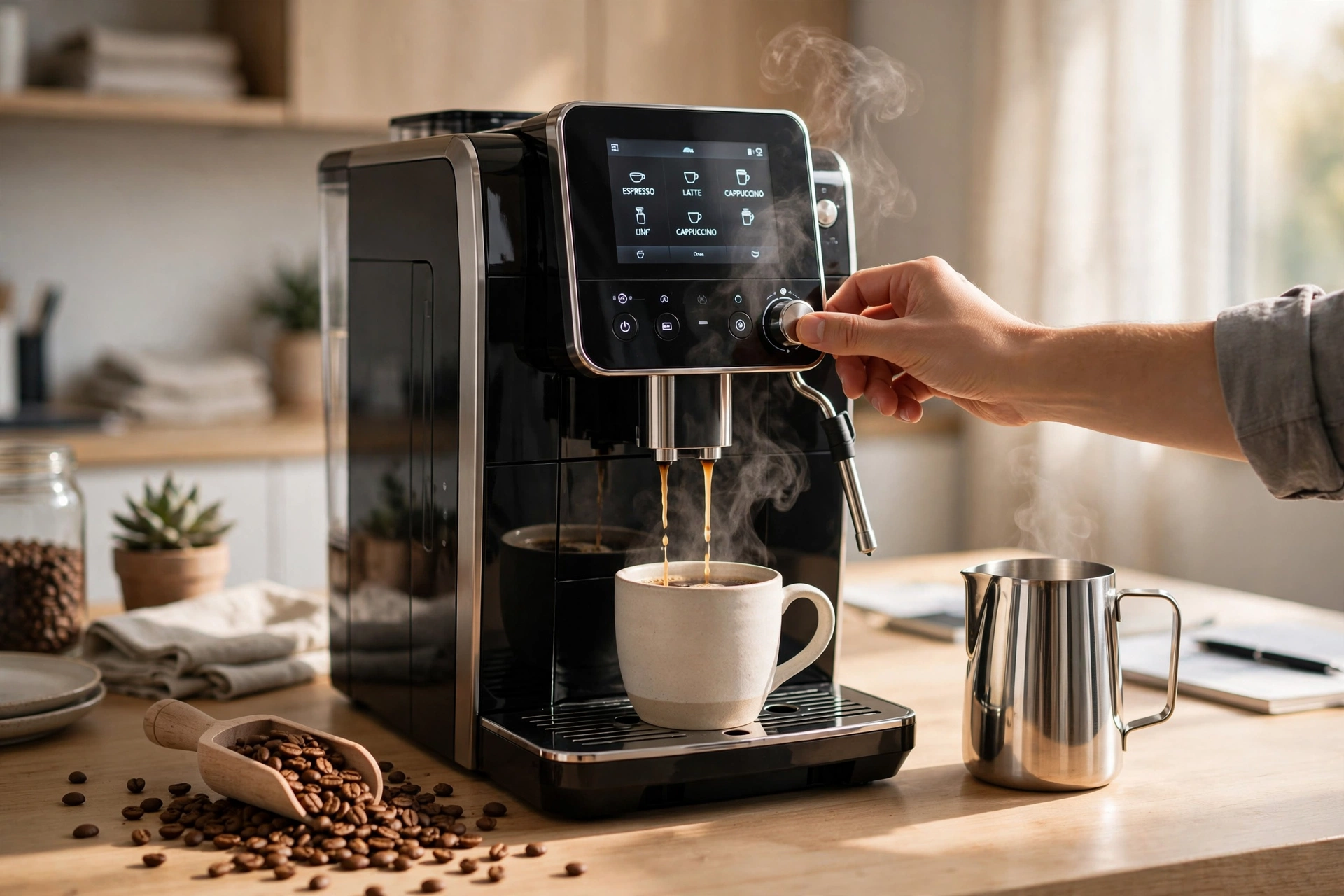
To highlight nuanced flavors, invest in quality grinders and brewers. For offices and high-volume settings, consider super-automatic espresso machines that preserve bean integrity. Our Cost Guide to Commercial Coffee Brewers (2026 Pricing) offers insights.
5. Train Your Staff
Baristas and service staff need to understand flavor notes, origin stories, and processing. This knowledge enhances the customer experience and justifies premium pricing.
6. Market Your Coffee's Story
Use menus, social media, and in-store signage to tell the story behind your beans. Include QR codes linking to farm profiles. This builds emotional connection.
Types of Specialty Coffee Beans by Processing Method
Understanding the different processing methods is key to choosing the right trend for your business.
| Processing Method | Flavor Profile | Cost Premium | Best For |
|---|---|---|---|
| Washed | Clean, bright, acidic | Low | Classic espresso, filter |
| Natural | Fruity, fermented, heavy body | Medium | Single-origin offerings |
| Honey | Sweet, balanced, medium body | Medium | Versatile, crowd-pleasing |
| Anaerobic Fermentation | Complex, wine-like, tropical fruit | High | Premium pour-over, exclusive menu |
| Carbonic Maceration | Extra-fruity, aromatic, intense | Very high | Specialty tasting flights |
Implementation Guide for Foodservice
Implementing trends specialty coffee beans in a foodservice business requires careful planning. Follow these steps:
Step 1: Define Your Coffee Identity
Decide whether your focus will be on sustainability, flavor innovation, or both. Align with your brand values.
Step 2: Source Small Batches First
Order sample sizes of trendy beans before committing to bulk. Use cupping sessions to select the best fit.
Step 3: Integrate into Your Menu
Create dedicated sections for single-origin or experimental coffees. Use descriptors like "anaerobic natural" to educate customers.
Step 4: Train Staff on Origin Stories
Host a training session where baristas taste and learn about each coffee. This enables them to sell the story confidently.
Step 5: Monitor Customer Feedback
Track which trendy options sell best and solicit feedback via comment cards or digital surveys. Adjust your rotation accordingly.
Pricing & ROI: Investing in Trends
Investing in trendy specialty coffee beans can yield significant returns, but it's important to understand the costs.
- Average cost per pound: Traditional specialty = $8-12; Ultra-premium = $15-25
- Menu price uplift: Trendy pour-over can fetch $6-10 vs $4-5 for standard
- Gross margin: Despite higher bean cost, premium pricing can maintain or improve margins
- Customer retention increase: 10-15% higher repeat rate according to McKinsey's 2025 Consumer Insights
For businesses with limited capital, consider an all-inclusive managed coffee service like Busy Bean Coffee, which bundles premium beans, equipment, and maintenance into one predictable monthly fee—reducing upfront investment.
Real-World Examples
Example 1: Boutique Hotel in Charleston
A boutique hotel partnered with Busy Bean Coffee to offer a rotating single-origin program. Using anaerobically processed beans from Colombia, they created a signature pour-over experience. Within six months, coffee revenue increased by 22%, and guest satisfaction scores rose by 15 points.
Example 2: Independent Coffee Shop in Portland
This shop introduced a "fermentation flight" featuring three coffees processed differently: washed, natural, and carbonic maceration. The flight sold for $15 and became their top seller, attracting coffee enthusiasts from across the city. They sourced beans through direct trade relationships, ensuring ethical production.
Example 3: Corporate Office in San Francisco
An office implemented a managed coffee service with carbon-neutral beans. Employees reported higher satisfaction and the company used the coffee program as a talking point in sustainability reports. Waste was reduced by 30% through precise portioning.
Common Mistakes When Adopting Trends
Avoid these pitfalls:
- Chasing every trend – Instead, pick 2-3 that align with your brand.
- Ignoring training – Without staff buy-in, even the best beans will fail.
- Neglecting consistency – Offer trendy options as limited-time features alongside your core lineup.
- Overpricing without context – If you charge $8 for a pour-over, explain why via signage or staff.
- Skipping quality control – Always cup new lots before serving.
Best Practices for Adopting Trends in Specialty Coffee Beans
💡
Key Takeaway
Start small, focus on quality, and always align with your brand identity. Not every trend fits every business.
1. Prioritize Quality Over Novelty
Ensure the beans you buy are specialty grade (80+ SCA score). Don't sacrifice quality for a trend.
2. Build Relationships with Roasters
Work with a roaster that shares your values. They can guide you on which trends are sustainable for your volume.
3. Educate Customers
If you introduce an exotic bean, explain what makes it special. Use signs or digital menus.
4. Monitor Waste
Trendy beans are expensive. Track usage and adjust recipes to minimize waste.
5. Stay Consistent
Offer a core lineup of reliable favorites, then rotate trendy options monthly.
For more tips, explore Best Premium Coffee Service Providers for Clinics in 2026 and How to Train Staff on a Commercial Espresso Machine in 2026.
Frequently Asked Questions
What are the most popular trends in specialty coffee beans for 2026?
The leading trends include ultra-sustainable sourcing (carbon-neutral, regenerative agriculture), advanced processing methods (anaerobic fermentation, carbonic maceration), increased traceability via blockchain, and the rise of custom blends tailored to specific business needs. These trends cater to consumer demand for quality, ethics, and unique flavors.
How can small businesses afford trendy specialty coffee beans?
Small businesses can start by offering one or two trendy options as limited-time features. Partnering with a roaster that offers sample packs or microlots can reduce risk. Additionally, using an all-inclusive managed coffee service like Busy Bean Coffee allows access to premium beans without high upfront costs, as equipment and maintenance are bundled into a predictable monthly fee.
Do trends in specialty coffee beans vary by region?
Yes. In North America, sustainability and direct trade are paramount, while Europe emphasizes traditional processing and origin specificity. In Asia, there is growing interest in light roasts and floral notes. Foodservice businesses should consider their local customer base when selecting trends to adopt.
Are trendy processing methods like anaerobic fermentation just a fad?
While some methods may be niche, anaerobic fermentation is becoming mainstream due to its consistent production of complex, fruit-forward flavors. The Specialty Coffee Association notes that these methods are now taught in barista certification courses, indicating long-term relevance. However, not every business needs to adopt them; they are best suited for premium or specialty-focused venues.
How do I choose the right trend for my coffee shop or hotel?
Consider your brand identity, target demographics, and operational capacity. A high-end boutique hotel might benefit from single-origin, traceable beans, while a busy office might prioritize consistency and bulk pricing. Testing with sample batches and gathering customer feedback is the best approach. Consulting with a coffee expert, like the team at Busy Bean Coffee, can streamline the decision.
What certifications should I look for in trendy specialty coffee beans?
Key certifications include Rainforest Alliance, USDA Organic, Fair Trade, Bird Friendly, and B Corp. These validate sustainability claims and appeal to conscientious consumers. However, direct trade relationships often go beyond certifications by ensuring higher prices for farmers and transparent supply chains.
How do I store trendy specialty coffee beans to maintain freshness?
Store beans in airtight, opaque containers away from heat, light, and moisture. Use within two weeks of the roast date for optimal flavor. For bulk storage, consider nitrogen-flushed packaging. Proper storage preserves the unique characteristics that make trendy beans valuable.
Can I use trendy beans in espresso blends?
Yes, but carefully. Some anaerobic or naturally processed beans can produce intense, fruity espresso that may not suit traditional palates. Blend them with washed beans to balance flavors. Test different ratios before full-scale implementation.
What is the environmental impact of trendy processing methods?
Methods like anaerobic fermentation require controlled environments that can increase energy use. However, many specialty producers offset this through regenerative agriculture and carbon-neutral practices. Choose suppliers committed to overall sustainability to minimize environmental footprint.
How often should I update my coffee menu with new trends?
Rotate trendy options monthly or quarterly. This maintains customer interest without overwhelming operations. Use customer sales data to determine which trends to repeat.
Final Thoughts on Trends in Specialty Coffee Beans
Staying informed about trends specialty coffee beans is essential for foodservice businesses that want to delight customers and stay competitive in 2026. From carbon-neutral sourcing to experimental processing, these trends offer opportunities for differentiation and revenue growth. Remember, the key is to adopt trends strategically, balancing novelty with your operational realities.
For a comprehensive understanding of the supply chain, revisit our guide on How to Buy Specialty Coffee Beans for Restaurants in 2026.
Ready to elevate your coffee program with the latest trends? Busy Bean Coffee offers all-inclusive managed coffee solutions that include premium specialty beans, state-of-the-art equipment, and expert support—so you can focus on serving your customers. Contact us today to learn more.
About the Author
Travis Estes is the (Founder) at Busy Bean Coffee. With over a decade of experience in specialty coffee sourcing and foodservice management, Travis helps businesses transform their coffee programs through innovative, sustainable solutions.
Free Coffee Pairing Guide & Specialty Roast Cheat Sheet
Unlock the secrets of perfect brewing ratios, water temperatures, and specialty roast profiles. Download the guide.