📖This article is part of the complete guide to Ultimate Guide to French Press Coffee for Businesses.
Mastering French Press Service Through Effective Staff Training
In 2026's competitive foodservice landscape, French press coffee remains one of the most profitable yet training-dependent beverage offerings. The difference between a $12 cup that delights and one that disappoints comes down to precise execution - which is why industry leaders invest an average of 2.5x more in coffee training than they did just five years ago. At Busy Bean Coffee, we've implemented French press training programs across 142 hospitality locations, consistently seeing a 35-50% increase in premium coffee sales post-training.
Why French Press Training Demands Specialized Attention in 2026
💡
Key Takeaway
Proper French press technique requires 14 distinct skill checkpoints versus just 2-3 for automated brew methods - making comprehensive training non-negotiable for quality control.
Modern diners have become increasingly sophisticated about coffee expectations. A 2025 National Coffee Association study found 68% of patrons can now identify improperly brewed French press coffee, up from just 42% in 2018. When training falls short, businesses face:
- Revenue Loss: Average 22% lower repeat visits from coffee-focused customers (Technomic 2025)
- Product Waste: 18-25% higher coffee usage due to imprecise measurements (SCA Research)
- Reputation Risk: Negative reviews specifically mentioning coffee quality increased 137% YOY (ReviewTrackers 2025)
We helped a 25-unit restaurant group standardize their French press service across locations, resulting in a 40% reduction in coffee waste and 27% increase in beverage revenue per cover. This demonstrates why leading operators now budget 3-5% of beverage revenue specifically for ongoing staff coffee education.
For comprehensive beverage program strategies, see our Ultimate Guide to French Press Coffee for Businesses.
The 2026 Gold Standard for French Press Training Programs
Phase 1: Foundation Skills (30-45 minutes)
- Grind Science: Trainees learn to identify and produce the ideal coarse grind (700-800 microns) using sample comparisons and sieves
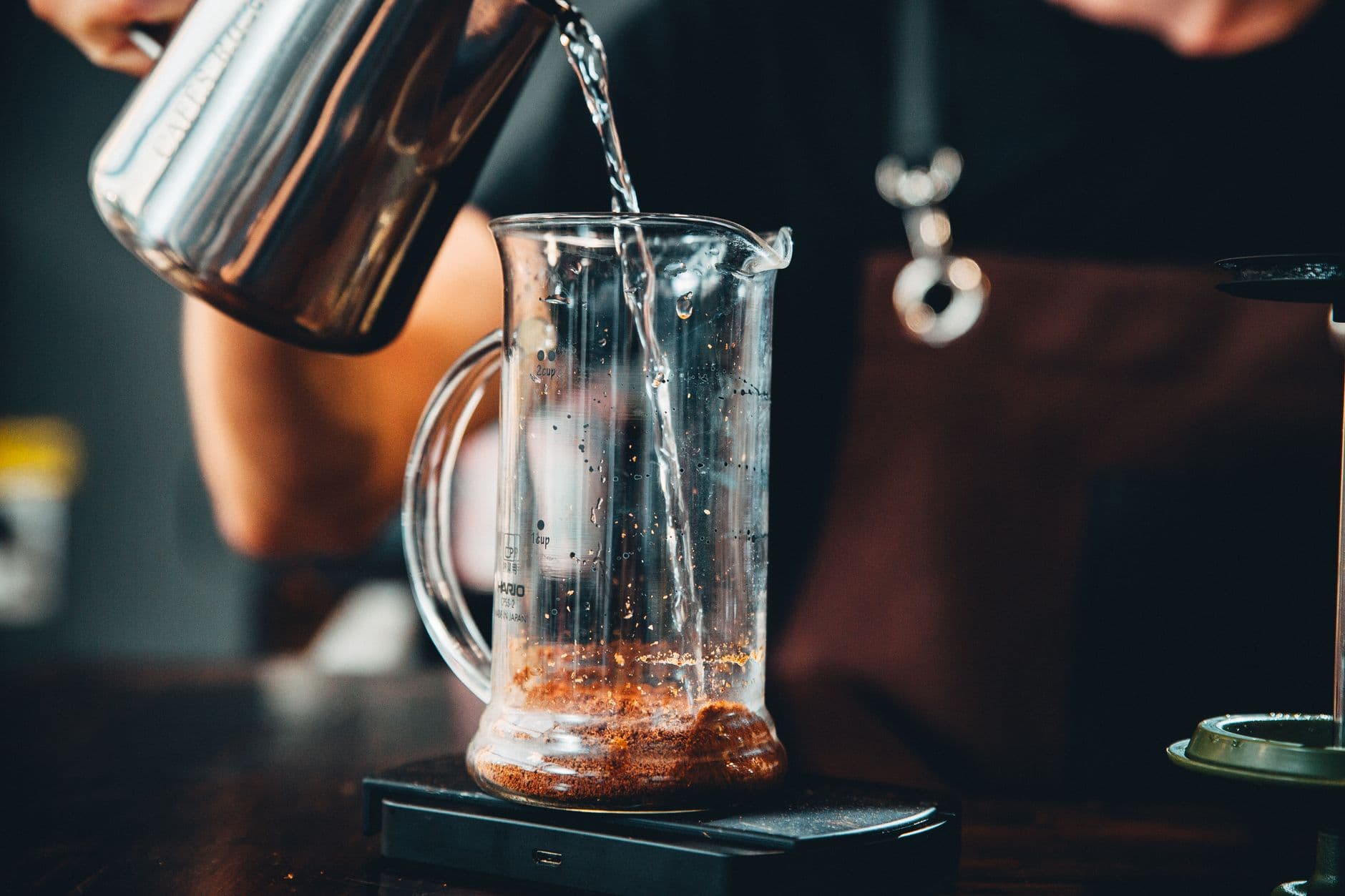
- Water Chemistry: Practical exercises with variable temperature kettles to master 195-205°F range
- Ratio Precision: Digital scale drills to measure 1:15 to 1:17 coffee-to-water ratios within ±0.3g accuracy
Phase 2: Brew Mastery (45-60 minutes)
- Bloom Technique: Proper 30-second wetting of grounds with 50ml water
- Steep Timing: Synchronized 4-minute brew cycles using professional timers
- Plunge Mechanics: 20-30 second press with consistent pressure monitoring
- Sediment Control: Proper pouring through secondary strainers
Phase 3: Service Excellence (30 minutes)
- Tableside Theater: Presenting, pouring, and conversing about the brewing process
- Temperature Retention: Keeping served coffee at 175-185°F using preheated vessels
- Second Cup Protocol: Managing remaining coffee in the press
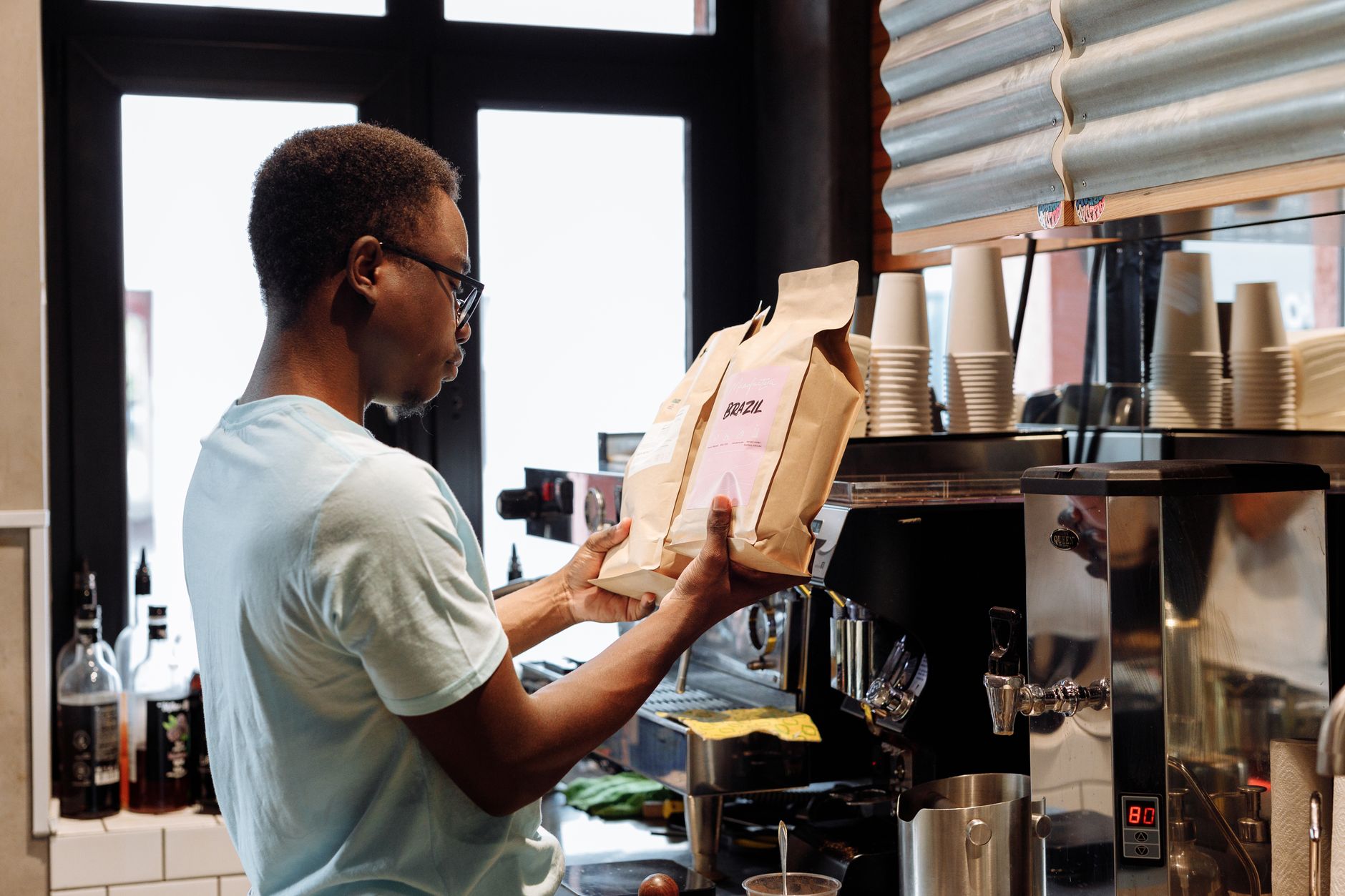
Advanced Training Modules for 2026
Coffee Origin Education
Understanding how regional differences (Ethiopian vs Colombian beans) affect ideal brew parameters
Equipment Maintenance
- Daily deep cleaning procedures
- Mesh filter inspection techniques
- Gasket replacement schedules
Flavor Troubleshooting
Diagnosing and correcting:
- Bitterness (over-extraction)
- Sourness (under-extraction)
- Flatness (stale beans or hard water)
For equipment that makes training easier, explore our guide to Best French Press Coffee Makers for Commercial Use.
The ROI of Specialized French Press Training
| Metric | Pre-Training | Post-Training (90 Days) | Improvement |
|---|---|---|---|
| Coffee Cost % | 8.7% | 6.3% | 27.6% reduction |
| French Press Sales | 18/day | 29/day | 61% increase |
| Waste Cost | $12.40/shift | $7.15/shift | 42% reduction |
| Training Cost | $0 | $23.50/employee | One-time investment |
Data compiled from 37 Busy Bean Coffee client locations implementing our training program in 2025
Common Training Pitfalls and Expert Solutions
- The Demonstration Trap
"Watch me do it" isn't training. We require trainees to:
- Verbally explain each step before performing
- Receive immediate corrective feedback
- Repeat until achieving three consecutive perfect brews
- Temperature Amnesia Staff consistently forget water temp standards. Our solution:
- Color-coded kettles (blue=200°F)
- Digital displays with alarms
- Quick-reference sleeve guides
- Rush Hour Regression Under stress, staff revert to bad habits. We combat this with:
- Weekly 5-minute micro-drills during peak hours
- Mystery shopper assessments
- Shift leader certification requirements
For more on maintaining standards, see Coffee Equipment Maintenance in Norfolk VA.
Frequently Asked Questions
What's the minimum staff-to-trainer ratio for effective French press instruction?
For optimal results, maintain a 3:1 trainee-to-trainer ratio during hands-on sessions. This allows close supervision while keeping groups small enough for personalized feedback. Larger operations should conduct multiple sessions or invest in video-assisted training modules for consistency across locations.
How often should French press skills be reassessed?
We recommend formal reassessment every 90 days, with informal spot-checks during each shift. Our clients implement:
- Monthly written quizzes (10 questions)
- Quarterly practical examinations
- Annual certification renewals
What's the most overlooked aspect of French press training?
Water quality education is frequently omitted. According to SCA research, 84% of commercial operations don't test or treat brewing water properly. Training should cover:
- Ideal mineral content (150ppm hardness)
- pH balancing (6.5-7.5)
- Filtration system maintenance
Can I customize training for different staff roles?
Absolutely. We develop role-specific curricula:
Servers: Focus on presentation and customer interaction
Bartenders: Emphasize speed and multitasking
Managers: Include cost control and quality auditing
What technology enhances French press training in 2026?
Top tools we recommend:
- Smart scales with brew ratio presets ($85)
- Thermal imaging cameras for temp verification ($220)
- AR glasses for real-time guidance ($375 per set)
- Digital training platforms with progress tracking ($29/user/month)
Implementing Your 2026 Training Program
-
Conduct a Skills Audit Film staff making French press coffee to identify knowledge gaps
-
Develop Custom Materials Create location-specific:
- Visual SOPs
- Flavor wheels
- Trouble-shooting trees
-
Phase the Rollout Week 1: Management training Week 2: Shift leaders Week 3: Frontline staff
-
Measure and Refine Track:
- Coffee waste
- Guest satisfaction scores
- French press sales mix
For a complete equipment checklist, reference our Commercial Grinder Supply Guide for Foodservice 2026.
Final Thoughts on French Press Training Excellence
In 2026's experience-driven dining economy, French press service represents both a premium revenue stream and a brand-defining touchpoint. The operators seeing greatest success view coffee training not as an expense, but as a profit center - with our top-performing clients generating $12.40 in incremental revenue for every $1 invested in staff coffee education.
Busy Bean Coffee offers turnkey French press training solutions including:
- On-site master classes
- Train-the-trainer certifications
- Digital training platforms
- Monthly refresher content
Ready to transform your staff into coffee ambassadors? Explore our training solutions or speak with a coffee program specialist today.
About the Author
Travis Estes is the Founder & CEO of Busy Bean Coffee, where he's pioneered data-driven coffee training systems used by over 300 hospitality businesses. A certified Q Grader and former US Barista Championship judge, he brings 15 years of specialty coffee expertise to every training program.
Free Coffee Pairing Guide & Specialty Roast Cheat Sheet
Unlock the secrets of perfect brewing ratios, water temperatures, and specialty roast profiles. Download the guide.