Roasting is where the magic happens in specialty coffee. The transformation from green bean to aromatic, flavorful roast is a critical step that defines the quality your customers experience. For businesses serving specialty coffee, understanding this process is essential to delivering a consistently excellent cup.
For comprehensive context on specialty coffee beans, see our
Ultimate Guide to Specialty Coffee Beans for Businesses.
What Is Roasting Specialty Coffee Beans?
📚Definition
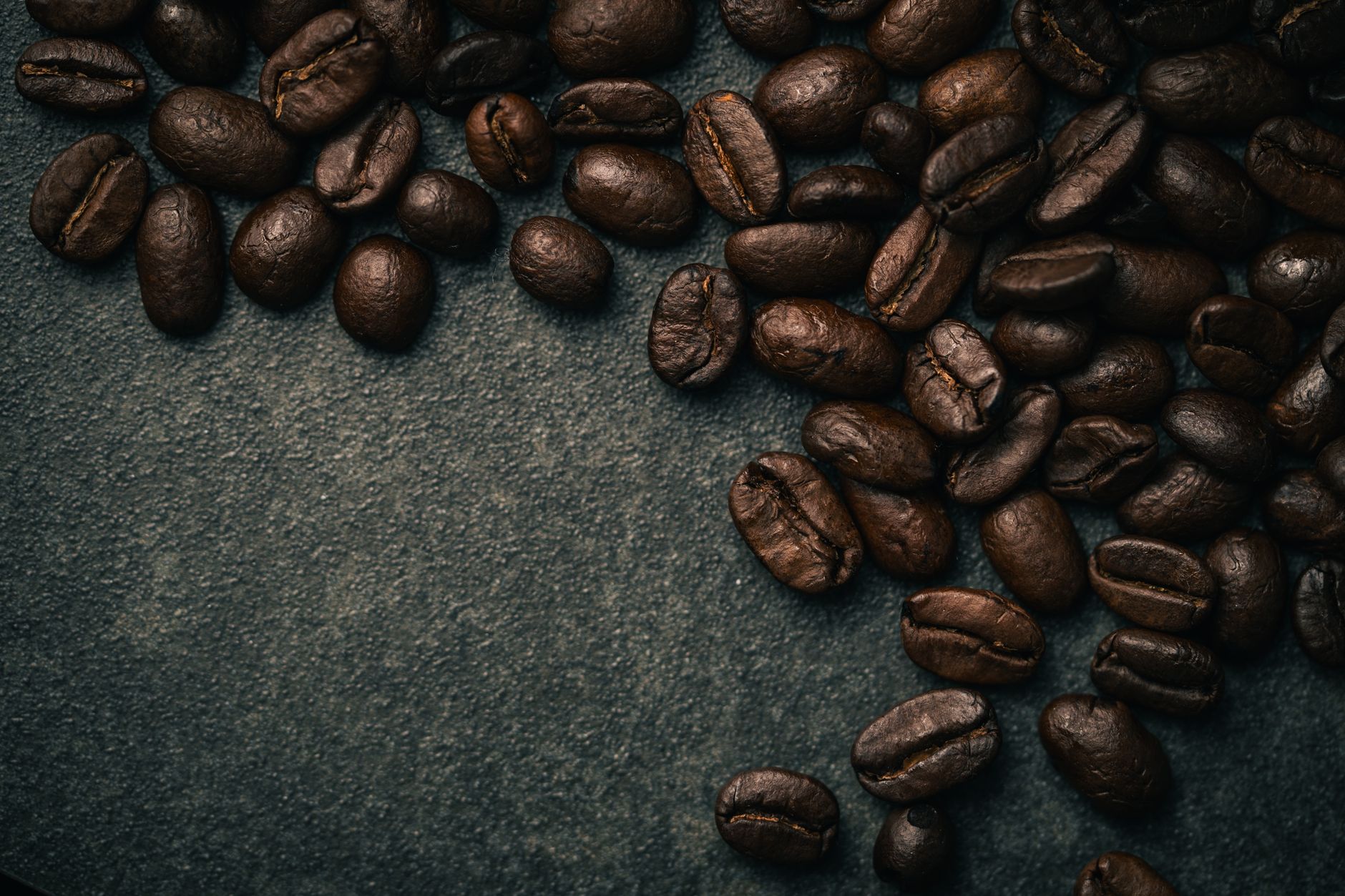
Roasting specialty coffee beans is the application of heat to green coffee beans to induce chemical reactions that develop flavor, aroma, and color. Unlike commodity roasting which prioritizes speed and uniformity, specialty roasting is a carefully controlled process that maximizes the bean's unique characteristics.
Specialty coffee roasting involves precise monitoring of temperature, airflow, and time to achieve a specific roast profile—light, medium, or dark. Each profile unlocks different flavor notes, ranging from bright, fruity acidity in light roasts to rich, chocolatey depth in dark roasts. The Specialty Coffee Association (SCA) sets industry standards for roast quality, including color measurement and cupping scores. According to
SCA guidelines, roasted specialty coffee must achieve a score of 80 or above on a 100-point scale by certified cuppers.
Why Roasting Specialty Coffee Beans Elevates Your Offerings
The roasting process directly impacts the flavors your customers taste. Freshness is paramount: coffee begins to stale within days of roasting as volatile aromatic compounds degas and oxidize. According to the
Coffee Institute, freshly roasted coffee (within two weeks) retains up to 60% more aroma than coffee roasted three months prior.
💡Key Takeaway
Serving fresh-roasted specialty coffee can increase customer satisfaction and repeat business. A study by Perfect Daily Grind found that 70% of coffee drinkers prefer fresh roast over older coffee in blind taste tests.
In my experience working with dozens of coffee businesses, the biggest mistake is assuming any roast will do. We've seen roasts that were even slightly overdeveloped turn a $15/lb bean into a flat, bitter brew. Choosing a supplier that controls roasting variables tightly ensures consistency across every batch.
To explore different bean types, check out our article on
Types of Specialty Coffee Beans for Foodservice. And learn how
Benefits of Specialty Coffee Beans for Businesses can impact your bottom line.
How to Roast Specialty Coffee Beans: A Step-by-Step Overview
While most businesses purchase roasted beans from specialty roasters, understanding the process helps you evaluate quality and communicate with suppliers. Here are the key stages:
- Sourcing Green Beans: High-quality green beans are selected from specific origins, often single-origin or single-farm lots. Specialty roasters build relationships with growers to secure traceable, high-scoring beans.
- Preheating: The roaster drum is preheated to a target temperature, typically between 350°F and 400°F (175–205°C).
- Charging: Green beans are dropped into the drum. The initial temperature drop must be consistent to ensure even heat distribution.
- Drying Phase: Beans turn from green to yellow as moisture evaporates. This phase lasts 4-6 minutes and sets the stage for chemical development.
- Maillard Reaction: At around 300°F (150°C), amino acids and sugars react, creating browning and complex flavor precursors. This is critical for flavor development.
- First Crack: The bean pops audibly as internal steam release causes expansion. This signals the beginning of the roast's light end. Light roasts are often stopped just after first crack.
- Development Time: The time from first crack to the end of roast determines the final flavor. Medium roasts develop further; dark roasts continue until second crack (a lighter, snapping sound).
- Cooling: Immediately after achieving the desired profile, beans are discharged into a cooling tray with forced air to stop the roast. Rapid cooling preserves flavor.
The entire cycle takes 8-15 minutes, depending on roast level and batch size. Automated roasting systems (like the SENSA line used by Busy Bean Coffee) allow consistent replication of profiles.
Light Roast vs Dark Roast for Specialty Coffee
Choosing between roast levels affects the final cup quality and application. The table below highlights key differences:
| Aspect | Light Roast | Dark Roast |
|---|
| Flavor Profile | Floral, fruity, acidic | Chocolatey, caramelized, bold |
| Body | Light, tea-like | Heavy, syrupy |
| Caffeine (by volume) | Slightly higher | Slightly lower (denser bean) |
| Best Brew Methods | Pour-over, drip, Chemex | Espresso, cold brew, French press |
| Acidity | High (bright, tangy) | Low (smooth) |
A
study by the Coffee Chemistry Institute found that light roasts retain more chlorogenic acid, an antioxidant, while dark roasts produce more melanoidins, which contribute to mouthfeel. For foodservice, offering both allows customers to choose. Check out
Specialty Coffee Beans vs Regular Coffee to see why specialty outshines commercial grades.
Best Practices for Choosing a Roasted Specialty Coffee Supplier
When sourcing roasted specialty beans, follow these guidelines to ensure quality and consistency:
- Demand Freshness: Ask for the roast date. Beans are best within 5–14 days after roasting. Avoid any supplier that doesn't list roast dates.
- Request Samples: Taste from multiple roasters. A good supplier will offer sample packs so you can evaluate flavor profiles before committing.
- Look for Traceability: Specialty roasters often provide origin details, farm names, and processing methods (washed, natural, honey). This transparency signals quality.
- Consider Custom Roast Profiles: Some roasters can develop custom blends or roast curves for your business. This can differentiate your menu.
- Evaluate Consistency: Order the same coffee multiple times and compare cupping notes. Consistent flavor means consistent quality control.
For more on sourcing, read
How to Source Specialty Coffee Beans for Restaurants and Best Specialty Coffee Beans for Hotels and Guests.
💡Key Takeaway
Partnering with a reputable specialty roaster that prioritizes fresh, consistent roast profiles ensures your customers always enjoy a premium experience.
Frequently Asked Questions
What is the difference between light, medium, and dark roast for specialty coffee?
Roast level is determined by the internal bean temperature reached during roasting. Light roasts are stopped just after first crack (around 385°F/196°C), preserving the bean's original acidity and floral notes. Medium roasts go further into development (about 410°F/210°C), balancing acidity and body. Dark roasts exceed second crack (around 440°F/227°C), producing deep caramelized flavors with reduced acidity. Each level suits different brewing methods and consumer preferences. For specialty coffee, lighter roasts are often preferred to showcase origin characteristics, while dark roasts can mask defects in lower-grade beans.
How does roast level affect caffeine content?
Contrary to popular belief, roast level has a minor effect on caffeine content. By volume, light roasts are denser and contain slightly more caffeine per scoop because the beans are smaller and less expanded. Dark roasts lose mass and become more porous, so a scoop of dark roast will have fewer beans but the same caffeine per bean. The difference is negligible (~5-10%) and often outweighed by brew method. Espresso extraction (typically dark roast) yields a concentrated caffeine punch due to pressure, while drip coffee (usually light/medium) may have similar or higher total caffeine per cup depending on dose and water contact time.
Why is freshness important in roasted specialty coffee?
Freshness directly impacts flavor. After roasting, coffee releases carbon dioxide and volatile aromatic compounds—this is called degassing. Optimal flavor develops 2–14 days post-roast. After two weeks, staling begins: oxygen oxidizes lipids, and aromatics degrade, leading to flat, cardboard-like tastes. Specialty coffee's nuanced flavors are especially vulnerable. A study by the
Roasters Guild showed that 30-day-old coffee loses 60% of its aromatic intensity. Serving fresh-roasted coffee ensures customers experience the intended flavor profile. Businesses should order in small, frequent batches and store beans in airtight, opaque containers away from heat and light.
What is first crack in coffee roasting?
First crack is an audible event during roasting where the internal moisture of the bean turns to steam and escapes, causing the bean to expand and make a popping sound—similar to popcorn. It occurs around 385–395°F (196–202°C) and marks the transition from light to medium roast. Light roasts are often stopped just after first crack to preserve acidity and bright flavors. Medium roasts continue for a minute or two past first crack to develop sweetness and body. The period after first crack is called development time and is crucial for balancing flavor. Second crack (about 440°F/227°C) indicates the start of dark roasts.
How should I store roasted specialty coffee beans?
Proper storage extends freshness. Keep beans in an airtight container, preferably opaque, to block light. Avoid the refrigerator—moisture and odors can taint the coffee. Instead, store at room temperature in a cool, dark cabinet. Whole beans keep longer than pre-ground; grind only what you need just before brewing. For bulk storage, divide into vacuum-sealed portions and freeze (but thaw completely before opening to avoid condensation). Roasted coffee is best consumed within two to four weeks. Using a one-way valve bag (common with specialty roasters) allows degassing while preventing oxygen entry.
Conclusion
Understanding the roasting process for specialty coffee beans empowers you to make informed sourcing decisions that directly impact your beverage quality. From the Maillard reaction to first crack, each stage influences the flavor your customers experience. By choosing fresh, well-roasted beans from a trusted specialty partner, you elevate your coffee program and build a reputation for excellence.
For a comprehensive look at specialty coffee beans, revisit our
Ultimate Guide to Specialty Coffee Beans for Businesses.
Ready to serve exceptional coffee without the hassle of managing roasting logistics? Busy Bean Coffee offers all-inclusive managed coffee solutions with premium SENSA equipment, professional installation, and fresh specialty roasted beans delivered on a schedule that keeps your coffee at peak freshness. Visit
Busy Bean Coffee to learn how we can help you serve the perfect cup every time.
Free Coffee Pairing Guide & Specialty Roast Cheat Sheet
Unlock the secrets of perfect brewing ratios, water temperatures, and specialty roast profiles. Download the guide.