📖This article is part of the complete guide to Coffee Service Near Me: Ultimate Business Guide. A great cup of coffee is more than a morning ritual in a retirement community—it's a cornerstone of hospitality, a social catalyst, and a powerful tool for resident satisfaction and retention. Yet, most communities are saddled with unreliable, low-quality machines, unpredictable costs, and operational headaches that distract from their core mission of care. This complete guide to retirement community coffee service for 2026 will show you how to transform this daily necessity into a strategic asset that delights residents, impresses families, and simplifies your operations.
For a broader understanding of how professional coffee solutions fit into various business models, see our comprehensive guide,
Coffee Service Near Me: Ultimate Business Guide.
📚Definition
A retirement community coffee service is a specialized, managed solution that provides senior living facilities—including independent living, assisted living, and memory care communities—with commercial-grade coffee equipment, premium beverages, and full-service support through a predictable monthly membership. It replaces the traditional model of purchasing cheap equipment and bulk supplies, shifting from a capital expense and operational burden to a streamlined, hospitality-focused amenity.
In my experience working with dozens of senior living operators, the coffee program is often the most visible yet most neglected part of the food and beverage offering. It's typically a patchwork solution: a residential-style brewer in the common area that breaks down monthly, a pod machine in the bistro that costs a fortune per cup, and inconsistent quality that fails to meet the expectations of today's more discerning residents. A professional retirement community coffee service consolidates these pain points into one managed solution, ensuring every cup served—whether in the main dining room, a private event, or a resident's apartment—meets a high standard of quality and reliability.
Why a Professional Coffee Service Matters for Senior Living
Ignoring your coffee program is a missed opportunity with tangible consequences. A subpar experience can negatively impact resident satisfaction surveys, family perceptions during tours, and even your community's competitive positioning. Conversely, a premium service delivers measurable benefits.
1. Elevates Resident Experience & Satisfaction: For many residents, coffee is a cherished daily pleasure and a key social activity. A study published in the Journal of Applied Gerontology found that shared dining and beverage experiences significantly increase feelings of community and well-being among seniors. A reliable, high-quality coffee service directly contributes to this positive social fabric, making your community feel more like a luxury hotel than an institution.
2. Streamlines Operations and Reduces Staff Burden: When a brewer fails during the breakfast rush, it's your dining staff who bear the brunt of resident complaints. A managed service includes white-glove installation, preventative maintenance, and 24/7 support. This means your team is freed from machine troubleshooting, supply ordering, and descaling duties, allowing them to focus on resident interaction and core service delivery.
3. Creates a Controllable, Predictable Operating Cost: The traditional model is fraught with hidden costs: emergency repair bills, wasted coffee from stale bulk bags, and the high per-cup cost of single-serve pods. A managed membership model, like the one we pioneered at
Busy Bean Coffee, converts these variable, unpredictable expenses into one flat, monthly fee. This includes all equipment, maintenance, repairs, and often, premium coffee and supplies at exclusive pricing.
4. Enhances Competitive Differentiation & Marketing: During tours, prospective residents and their families notice details. A state-of-the-art espresso machine in the bistro or a sleek, automated brewer in the common area signals a commitment to quality and modern living. It's a tangible amenity that can set your community apart from competitors still using dated, drip-style machines.
5. Unlocks New Revenue Streams: A professional system allows you to easily offer premium beverages—lattes, cappuccinos, specialty teas—that can be sold à la carte in a bistro setting or included in upgraded meal plans. This turns a cost center into a potential profit center.
Transitioning to a managed service is a strategic decision. Here’s a practical, step-by-step guide based on successful implementations we've overseen.
Step 1: Conduct a Needs Assessment.
- Audit Current State: Document every coffee point: dining rooms, bistros, common areas, private dining/event spaces, and even in-room options for independent living units. Note machine types, ages, failure rates, and resident complaints.
- Gather Stakeholder Input: Talk to dining services directors, activities coordinators, and general managers. Survey residents on their coffee preferences (regular, decaf, dark roast, specialty drinks).
- Analyze Costs: Calculate your total spend over the last year—not just on coffee, but on filters, sweeteners, creamers, machine repairs, and staff time spent managing it all.
Step 2: Define Your Service & Beverage Goals.
- Core Service Level: Do you need 24/7 self-serve in common areas? Table service in the dining room? A barista-style bistro?
- Beverage Menu: Determine the mix: classic brewed coffee, decaf, hot water for tea, and potentially espresso-based drinks. Consider the ease of use for both residents and staff.
- Quality Standard: Decide on the quality tier. Premium, specialty-grade coffee makes a statement, while commercial-grade may suffice for high-volume areas.
Step 3: Evaluate Provider Models & Technology.
This is where most communities go wrong, opting for a basic distributor instead of a true partner. You have two primary paths:
| Model | How It Works | Pros | Cons |
|---|
| Traditional Distributor | You buy or lease equipment, then purchase supplies (coffee, filters) from the same company. | May have lower upfront cost. | Hidden costs in supply markup; you own repair risks; equipment often outdated; no true service partnership. |
| Managed Membership Service | One monthly fee covers top-tier equipment, all maintenance/support, and supplies at cost. | Predictable cost; no capital outlay; always-functioning equipment; provider handles all hassles. | Requires viewing coffee as a service, not a commodity. |
For mission-critical hospitality environments like senior living, the managed membership model is overwhelmingly superior. It aligns the provider's success with your satisfaction. When evaluating providers like
Busy Bean Coffee, look for
all-inclusive terms: installation, training, preventative maintenance, emergency repair, and phone/remote support.
Step 4: Focus on Installation & Resident Communication.
A smooth rollout is crucial. Work with a provider that offers white-glove installation and staff training. Then, market the new amenity to residents! Create signage, mention it in community newsletters, and host a "coffee tasting" event to introduce the new brews. This turns an operational change into a celebrated upgrade.
Step 5: Establish Metrics for Success.
Track key performance indicators (KPIs) post-implementation:
- Resident satisfaction scores related to dining/F&B.
- Reduction in coffee-related service tickets or complaints.
- Monthly beverage cost per resident (should become predictable).
- Usage data from machines (if equipped with telemetry).
Managed Service vs. Traditional Supply: A Cost Comparison
Let's break down the financials with a real-world scenario for a 150-unit independent living community with a main dining room and bistro.
Traditional Model (Annual Cost):
- Equipment: Two commercial brewers ($2,500 each) depreciated over 5 years: $1,000
- Repairs & Maintenance: Average 2 service calls/year at $350 each: $700
- Coffee & Supplies: 100 lbs/month at $8/lb: $9,600
- Staff Time: ~5 hours/month for ordering, cleaning, troubleshooting at $20/hr: $1,200
- Total Estimated Annual Cost: $12,500 (Variable, unpredictable)
Managed Membership Model (e.g., Busy Bean Coffee):
- One Monthly Fee: Covers 2x SENSA Fresh automated brewers, all installation, maintenance, repairs, support, and premium coffee supplies.
- Typical Monthly Fee: $895 - $1,095 (depending on configuration)
- Total Annual Cost: $10,740 - $13,140 (Fixed, predictable)
💡Key Takeaway
The managed model often arrives at a comparable or lower total cost while eliminating capital expenditure, transferring all risk, and providing vastly superior equipment and service. The value is in predictability, reliability, and reclaimed staff time.
Best Practices for a Successful Coffee Program
- Prioritize Ease of Use: Choose equipment with intuitive, one-touch operation for both residents and staff. Large displays, simple buttons, and automatic cleaning cycles are essential.
- Offer Variety: At a minimum, provide a regular and decaf option. Consider a third "bold" or "dark roast" selection and a high-quality hot water tap for tea and cocoa.
- Integrate with Hospitality Events: Use your coffee service to enhance themed dinners, family brunches, and resident social hours. A great cappuccino can make an event feel special.
- Maintain Impeccable Cleanliness: The coffee area must be spotless. This is non-negotiable for food safety and perception. A managed service should include regular professional cleaning of equipment exteriors.
- Gather Continuous Feedback: Don't set it and forget it. Periodically check in with residents. Their preferences may evolve, and the service should adapt.
- Partner, Don't Just Purchase: Your coffee provider should act as an extension of your team. Look for providers with deep experience in senior living, like many of the partners we serve at Busy Bean Coffee, who understand the unique operational rhythms and resident expectations.
- Consider Scalability: Choose a system that can grow with you. If you add a new building or bistro, your provider should be able to seamlessly expand service without a complete overhaul.
Frequently Asked Questions
What's included in a typical managed coffee service for retirement communities?
A comprehensive managed service, like the program at Busy Bean Coffee, is all-inclusive. It covers the commercial-grade equipment (like our SENSA Fresh or Duo machines), professional installation and setup, all preventative maintenance and repairs, 24/7 remote support and troubleshooting, and often the coffee, filters, and cleaning supplies at a preferred rate—all for one predictable monthly fee. There are no hidden charges for service calls or parts. This model is designed specifically to remove all operational burden from your staff, allowing them to focus on resident care.
How do you handle the different needs of independent living vs. memory care units?
A skilled provider tailors the solution to each environment. For independent living bistros or common areas, we might install a user-friendly super-automatic espresso machine that allows residents to create lattes and cappuccinos with the touch of a button. For memory care or assisted living dining rooms, the priority is safety, simplicity, and reliability—often a high-volume, automated brewer with locked-in settings to ensure consistent quality, operated by staff. The key is having a flexible provider who can design a hybrid system for your entire campus.
Is specialty-grade coffee worth the cost for a senior population?
Absolutely, and the data supports it. While not all residents may articulate "tasting notes," everyone perceives quality. Specialty-grade coffee is smoother, less acidic, and more consistently enjoyable than commodity-grade coffee. It directly impacts the perception of your community's overall quality of life. Furthermore, in a managed service model, you often get this premium product at a cost comparable to what you were paying for lower-quality bulk coffee, as the provider's pricing is based on the service bundle, not inflated supply markup.
We have a small kitchen staff. Is the equipment difficult to maintain?
This is the primary advantage of a managed service. The equipment is designed for commercial durability and ease. More importantly, maintenance is not your staff's responsibility. The service includes regular preventative visits by certified technicians to clean, descale, and calibrate the machines. If anything goes wrong, your staff makes one phone call, and the provider handles the rest—often able to resolve issues remotely via connected machine telemetry. The goal is zero burden on your team.
Can we offer specialty drinks like lattes without hiring a barista?
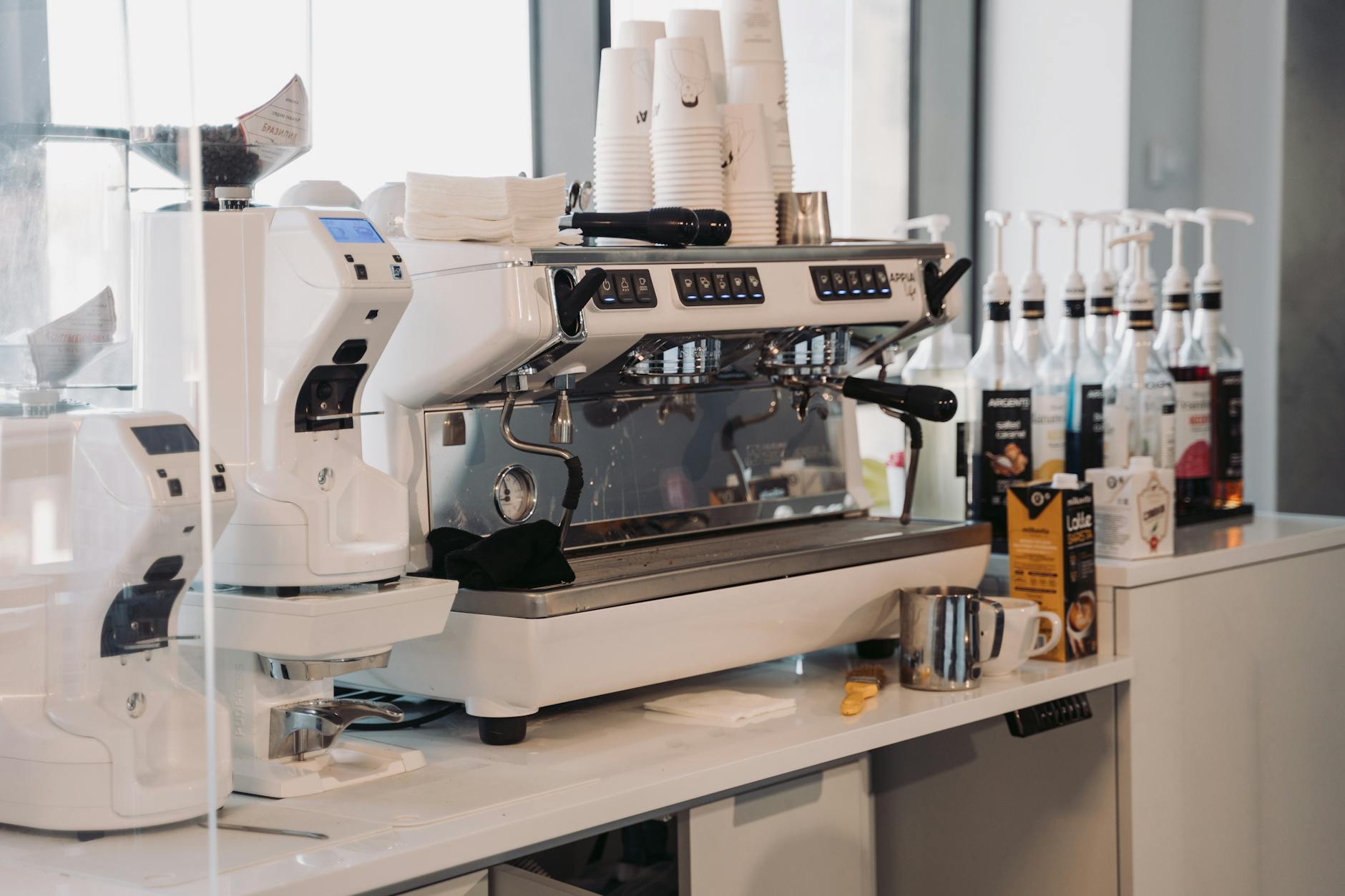
Yes, modern commercial equipment has made this incredibly accessible. Super-automatic machines, such as those in our SENSA line, have integrated milk systems. With one button, they grind the coffee, tamp it, extract the espresso, steam and froth the milk, and dispense a perfect latte or cappuccino—all in about 30 seconds. This allows any staff member to become an instant "barista" and enables you to offer a premium menu without specialized labor.
Conclusion
Your retirement community coffee service is far more than a utility; it's a daily touchpoint that shapes the resident experience, influences family perceptions, and impacts operational efficiency. In 2026, the standard has moved beyond merely providing a hot beverage. It's about delivering consistent quality, unparalleled reliability, and hassle-free operation through a true service partnership.
The shift from a capital expense and operational headache to a managed, all-inclusive amenity is the most strategic decision you can make for your community's food and beverage program. It aligns costs, guarantees performance, and elevates your hospitality offering.
Ready to transform your community's coffee experience from a source of complaints to a celebrated amenity? the company specializes in tailored, all-inclusive coffee service memberships for senior living communities. We provide the premium SENSA equipment, white-glove service, and predictable pricing that lets you focus on your residents, not the coffee machine.
Explore how we can serve your community. Visit Busy Bean Coffee or call (833) THE-BEAN for a custom consultation.
Recommended Readings
To deepen your understanding of these topics, we recommend reading the following articles:
About the Author
the author is the at
Busy Bean Coffee. With over a decade of experience providing specialty coffee equipment and managed service solutions to the foodservice industry, he has helped numerous senior living communities transform their coffee programs into reliable, resident-pleasing amenities that support operational excellence and competitive differentiation.
Free Coffee Pairing Guide & Specialty Roast Cheat Sheet
Unlock the secrets of perfect brewing ratios, water temperatures, and specialty roast profiles. Download the guide.