What Exactly Are Managed Coffee Services?
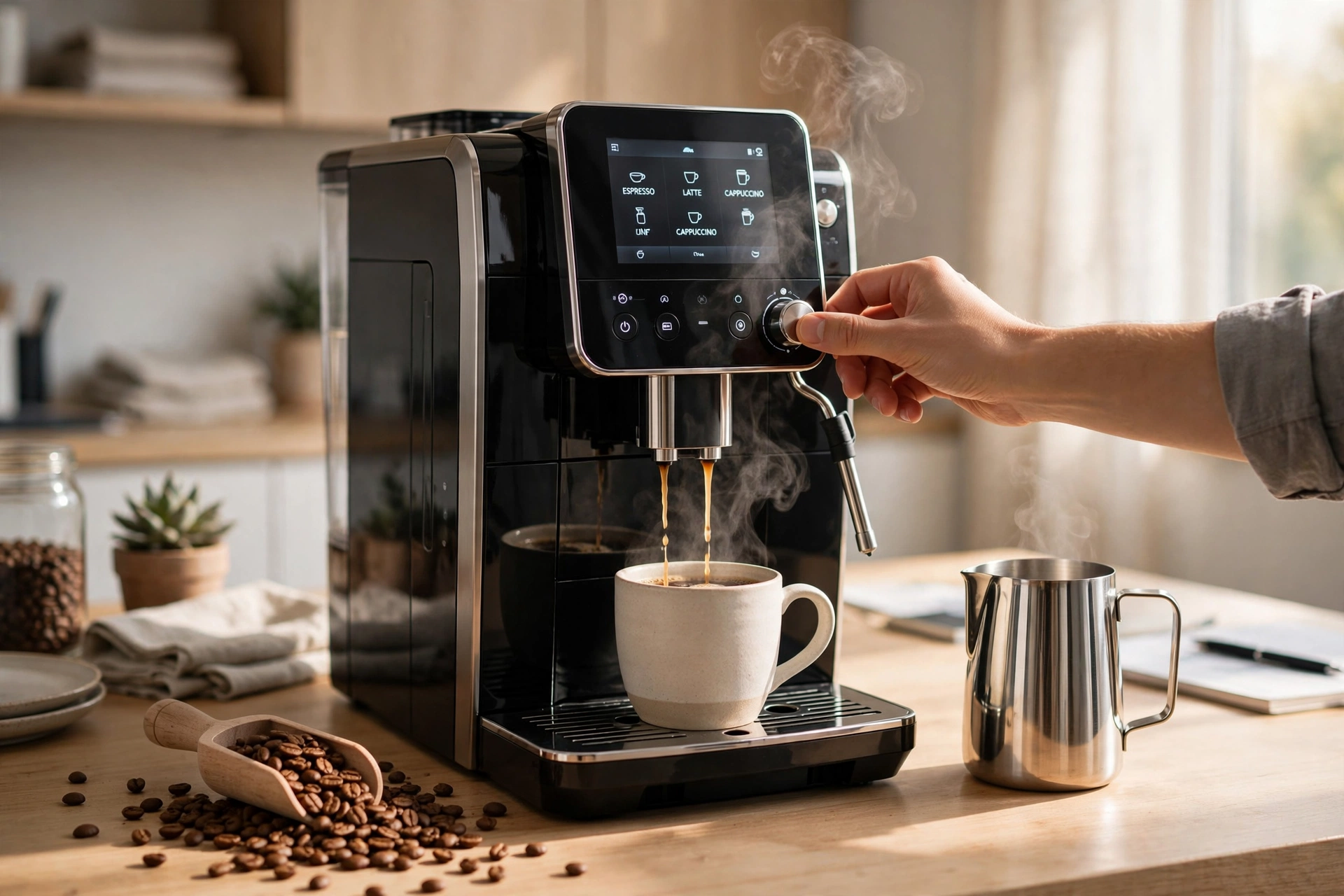
The most expensive mistake I see business owners make is treating their coffee program as a series of disconnected purchases—buying a machine here, sourcing beans there, and calling a technician only when the steam wand stops working. This fragmented approach leads to inconsistent quality and unpredictable costs. A far more efficient alternative is the implementation of managed coffee services, which consolidate equipment procurement, maintenance, and bean supply into a single, professionally managed ecosystem. Essentially, it shifts the burden of operational uptime and quality control from your staff to a dedicated partner who ensures the coffee is always flowing and always tastes premium.

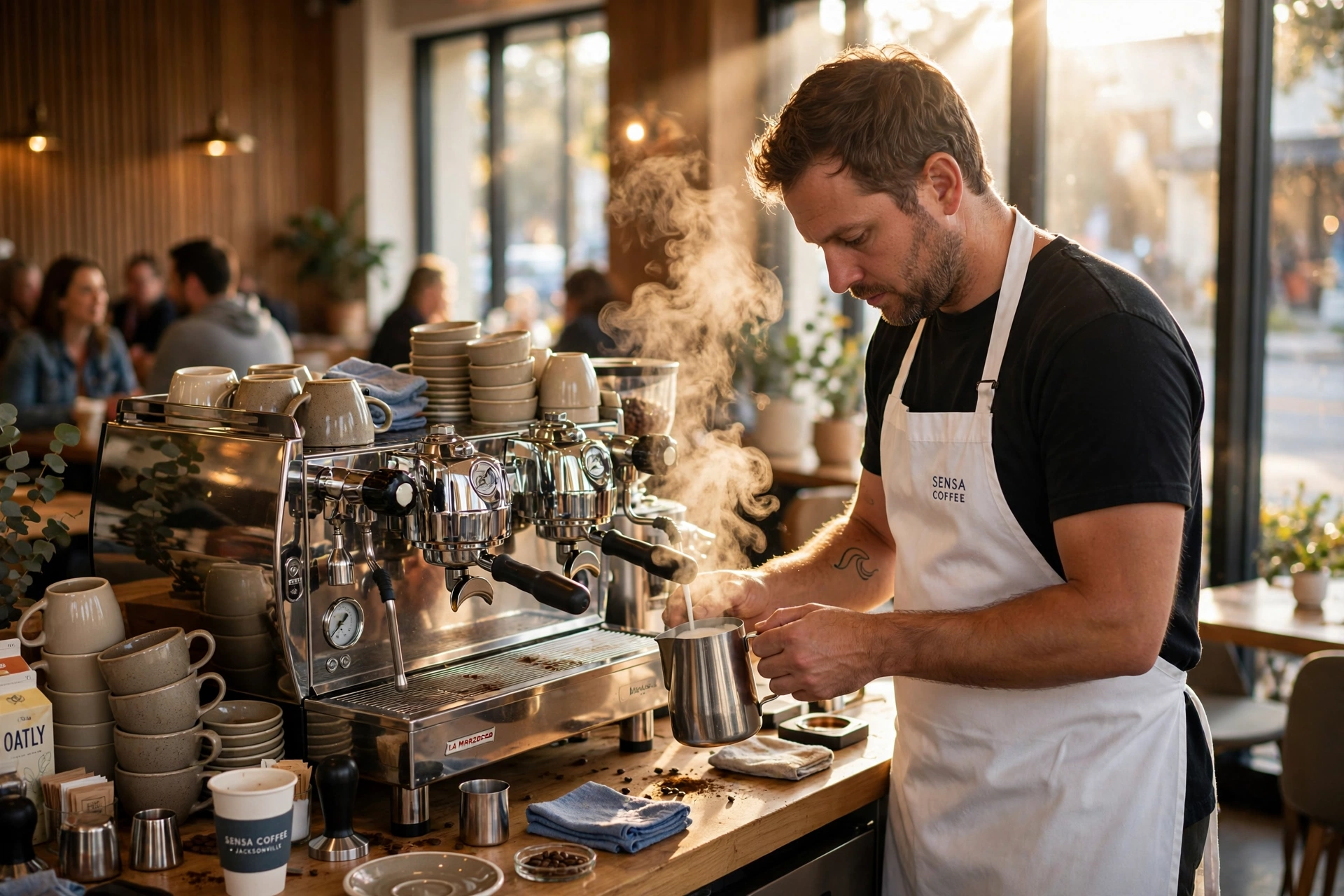
For those operating in high-traffic environments, this isn't just about convenience; it is about protecting the customer experience. When you outsource the management of your beverage program, you are essentially hiring a fractional Director of Coffee. Instead of worrying about descaling schedules or bean freshness, you focus on your core business while a partner handles the technical and logistical heavy lifting. This model is particularly effective for hotels, restaurants, and corporate offices that cannot afford the downtime of a broken espresso machine during a morning rush.
How Do Managed Coffee Services Actually Work?
To understand the mechanics, we first need to establish a clear baseline of what this service entails. Unlike a traditional retail relationship where you simply buy a product, a managed service is a partnership based on availability and performance.
📚
Definition
Managed coffee services are all-inclusive beverage solutions where a provider supplies the hardware (espresso machines, brewers), the consumables (specialty coffee beans), and the ongoing technical support (installation, preventative maintenance, and repairs) for a predictable monthly or contractual fee.
In my experience working with foodservice operators, the "magic" of this model lies in the shift from CapEx (Capital Expenditure) to OpEx (Operating Expenditure). Rather than dropping $15,000 on a high-end espresso machine and hoping it lasts five years, a business enters a managed agreement. The provider installs the equipment, trains the staff on how to use it, and monitors the machine's health. If a pump fails on a Tuesday morning, the managed service provider is responsible for the fix, often before the manager even realizes there is a problem.
This system relies heavily on the quality of the inputs. A true managed service doesn't just provide "coffee"; they provide specialty coffee sourced from high-altitude regions, ensuring the Coffea arabica beans are roasted to a precise profile. According to the Specialty Coffee Association (SCA), the technical precision of the brew—including water temperature and grind size—is what separates a mediocre cup from a specialty grade beverage. A managed service ensures these variables remain constant through regular calibration.
Now, here is where it gets interesting: the integration of technology. Modern managed services often use telemetry to track usage and machine health. If a machine in a satellite office in Denver is underperforming, the central provider can often diagnose the issue remotely. For businesses looking to scale, utilizing a white glove coffee service in Denver CO allows for a standardized experience across multiple locations without needing a technician on every site.
Why Does Your Business Need a Managed Beverage Program?
The business case for managed coffee services isn't just about the taste of the brew; it is about the bottom line and risk mitigation. When you manage coffee internally, you are absorbing all the risk of equipment failure and waste.
First, consider the cost of downtime. In a hotel lobby or a busy cafe, an espresso machine that is "down for the count" isn't just a loss of a few lattes; it is a loss of perceived value and customer loyalty. According to the National Coffee Association USA (NCA), coffee consumption patterns are shifting toward premium, "experience-based" beverages. If your equipment is outdated or malfunctioning, you aren't just losing a sale; you are signaling to the customer that you don't value quality.
Second, there is the issue of labor efficiency. I've seen far too many managers spending three hours a week troubleshooting a machine or hunting for a new bean supplier. When you shift to a managed model, those hours are reclaimed. Your barista can focus on latte art and customer engagement rather than scrubbing gaskets and worrying about inventory levels. For those in the industry, knowing where to buy latte art tools for foodservice pros is a luxury that comes only after the basic infrastructure is stabilized.
Third, we have to talk about sanitation and compliance. Commercial coffee equipment is a breeding ground for mold and bacteria if not cleaned to strict standards. Managed services ensure that equipment meets NSF International standards for food safety. This removes the liability from the business owner and places it on the professionals who are certified to maintain the hardware.
💡
Key Takeaway
Managed coffee services transform a volatile operational cost into a predictable monthly expense while simultaneously increasing the quality of the product and reducing the risk of equipment failure.
How to Implement Managed Coffee Services Step-by-Step
Moving from a fragmented "buy-as-you-go" model to a managed system requires a strategic approach. You cannot simply plug in a machine and call it a managed service. It requires a full audit of your current consumption and goals.
Step 1: The Volume and Quality Audit
Before signing any contract, you must analyze your peak hours. Are you serving 50 cups a day or 500? Do your clients expect a basic drip coffee, or are they demanding a complex espresso machine menu with flat whites and macchiatos? If you are operating in a corporate hub, you might need an automated coffee service in Fort Worth TX to handle high volume with minimal labor.
Step 2: Hardware Selection and Installation
The provider should recommend equipment based on your audit, not their current inventory. For most high-end foodservice businesses, we recommend SENSA equipment because of its reliability and consistency. Once selected, professional installation is mandatory. This includes water filtration—perhaps the most overlooked part of the process. Without proper filtration, the minerals in your water will destroy your boiler in months, regardless of how "managed" the service is.
Step 3: Staff Training and Calibration
A machine is only as good as the person operating it. Managed services should include "train-the-trainer" sessions. Your team needs to understand the nuances of the coffee bean they are using and how to dial in the grind. This is where the human element of the barista meets the precision of the machine.
Step 4: The Preventative Maintenance Schedule
The goal of a managed service is to eliminate "break-fix" cycles. Your provider should have a calendar of visits for descaling, gasket replacement, and calibration. If you find yourself calling the provider because something is broken, the "managed" part of the service is failing. True management is invisible.
Step 5: Continuous Feedback and Optimization
Coffee is an agricultural product; the beans change as the season progresses. Your provider should be tasting your coffee regularly and adjusting the roast or the grind to maintain a consistent flavor profile. This is a core component of what Busy Bean Coffee provides—we don't just drop off beans; we manage the entire sensory experience. For businesses in the Carolinas, we often integrate a coffee delivery service in Charlotte NC to ensure the beans are roasted and delivered within a tight window for maximum freshness.

Choosing Your Model: Traditional vs. Generic vs. Managed
Many business owners get confused between a "coffee vendor" and a "managed service provider." A vendor sells you things; a provider manages your results.
| Feature | Traditional (Self-Managed) | Generic Vendor (Cheap AI/Basic) | Busy Bean Managed Approach |
|---|---|---|---|
| Upfront Cost | Very High (Full CapEx) | Medium (Cheap Hardware) | Low/Zero (Membership Model) |
| Maintenance | Reactive (Call when broken) | Slow (Standard ticket system) | Proactive (Preventative visits) |
| Bean Quality | Variable (Wholesale/Generic) | Consistent but Average | Premium Specialty Coffee |
| Technical Support | DIY or Paid Hourly | Basic Phone Support | Dedicated Account Manager |
| Risk Profile | High (Owner takes all risk) | Medium (Hardware fails often) | Low (Provider guarantees uptime) |
| Best For | Very small, low-volume shops | Budget-focused breakrooms | Professional foodservice & hotels |
Most guides get this wrong by suggesting that a "cheap" machine is a good starting point. Here is the reality: a cheap machine costs more over three years than a premium managed machine because of the repair costs and the lost revenue from downtime. When you use a white glove coffee service in Los Angeles CA, you are paying for the certainty that your beverage program will never be the reason a customer leaves a bad review.
Common Misconceptions About Managed Coffee
There are several myths that keep business owners stuck in the inefficient "self-managed" cycle. Let's dismantle them with some actual industry data.
Myth 1: "Managed services are too expensive for small businesses."
This is a common fallacy. When you calculate the cost of a high-end machine, the electricity, the wasted beans from poor calibration, and the hourly rate of the manager who has to fix it, the "expensive" managed service is actually cheaper. It converts a series of unpredictable spikes in spending into a flat, predictable line.
Myth 2: "I lose control over my brand if I outsource the management."
Actually, the opposite is true. When you are struggling with a broken machine, you have zero control over the brand experience. By using a professional service, you set the standards (e.g., "We only serve organic Arabica coffee") and the provider ensures those standards are met every single day.
Myth 3: "I can just buy a high-end machine and do it myself."
I've seen this happen dozens of times. A business buys a $12,000 machine, and six months later, it's sitting idle because a seal leaked and they can't find a technician who can come out on a weekend. Ownership is not the same as management. Management is the ability to guarantee a result.
Myth 4: "All coffee services are basically the same."
This is where the distinction between "commodity coffee" and "specialty coffee" becomes vital. Many providers offer a managed service but use low-grade beans that are over-roasted to hide defects. A true managed service focuses on the chemistry of the coffee roasting process and the precision of the extraction. If your provider isn't talking about "TDS" (Total Dissolved Solids) or water chemistry, they aren't managing a specialty program; they are just selling you a subscription to mediocre coffee.
Frequently Asked Questions
How does a managed coffee service differ from a lease?
A lease is purely a financial arrangement; you pay to use a piece of equipment, but you are usually still responsible for the beans, the cleaning, and the daily operation. If the machine breaks, the lease company doesn't care about your latte quality; they just care that the payment clears. Managed coffee services are operational. They include the lease, but they add the "management" layer—sourcing the beans, training your staff, and performing preventative maintenance. It is the difference between renting a car and having a private chauffeur and mechanic.
Will a managed service work for a small office with only 10-15 people?
Absolutely, though the equipment needs differ. While a hotel needs a high-volume semi-automatic machine, a small office might be better served by a high-end super-automatic system. For these smaller setups, we often recommend looking into the best office espresso machines for small teams in 2026. The management aspect remains the same: you get a predictable monthly cost and a guarantee that the coffee will be fresh and the machine will be functional, regardless of your team size.
What happens if the equipment breaks during a peak period?
This is where the "managed" part of the service is put to the test. Most high-tier providers offer a Service Level Agreement (SLA) that guarantees a response time—often within 4 to 24 hours. In many cases, the provider will have a "loaner" machine ready to swap in so your business never stops producing revenue. This is a stark contrast to the traditional model where you are at the mercy of a technician's schedule, potentially losing thousands of dollars in sales while waiting for a part to ship from Italy.
Can I choose the specific beans I want to serve in a managed program?
Yes, and you should. A quality provider will offer a curated selection of specialty coffee profiles. Whether you want a bright, acidic Ethiopian roast or a chocolatey, bold Brazilian bean, the provider manages the supply chain to ensure that those specific beans are delivered at the peak of their freshness. The provider handles the coffee roasting schedules to align with your delivery, ensuring that the beans haven't been sitting in a warehouse for three months.
Is the installation process disruptive to my daily operations?
When done correctly, it is virtually seamless. A professional managed service handles the site survey beforehand to ensure the electrical and plumbing requirements are met. The actual installation and staff training usually happen during off-peak hours. For businesses in coastal areas, utilizing an automated coffee service in Wilmington NC means the provider handles everything from the plumbing to the first calibration, so you simply flip the switch and start serving.
Final Thoughts on Managed Coffee Services
Investing in managed coffee services is a strategic move to eliminate operational friction. When you stop treating coffee as a utility and start treating it as a managed asset, you improve your margins, your employee satisfaction, and your customer loyalty. You move away from the stress of "will the machine work today?" to the confidence of "the coffee is perfect."
Whether you are running a boutique hotel, a corporate headquarters, or a high-volume cafe, the goal is the same: consistent, premium quality without the operational headache. By consolidating your equipment and supply chain under one expert roof, you ensure that your beverage program enhances your brand rather than draining your time.
If you're ready to stop playing technician and start being a business owner again, we can help. At Busy Bean Coffee, we provide the equipment, the beans, and the expertise to make your coffee program a profit center rather than a problem.
Visit us at www.busybeancoffee.com to explore our managed membership options and bring a world-class coffee experience to your business.
Free Coffee Pairing Guide & Specialty Roast Cheat Sheet
Unlock the secrets of perfect brewing ratios, water temperatures, and specialty roast profiles. Download the guide.