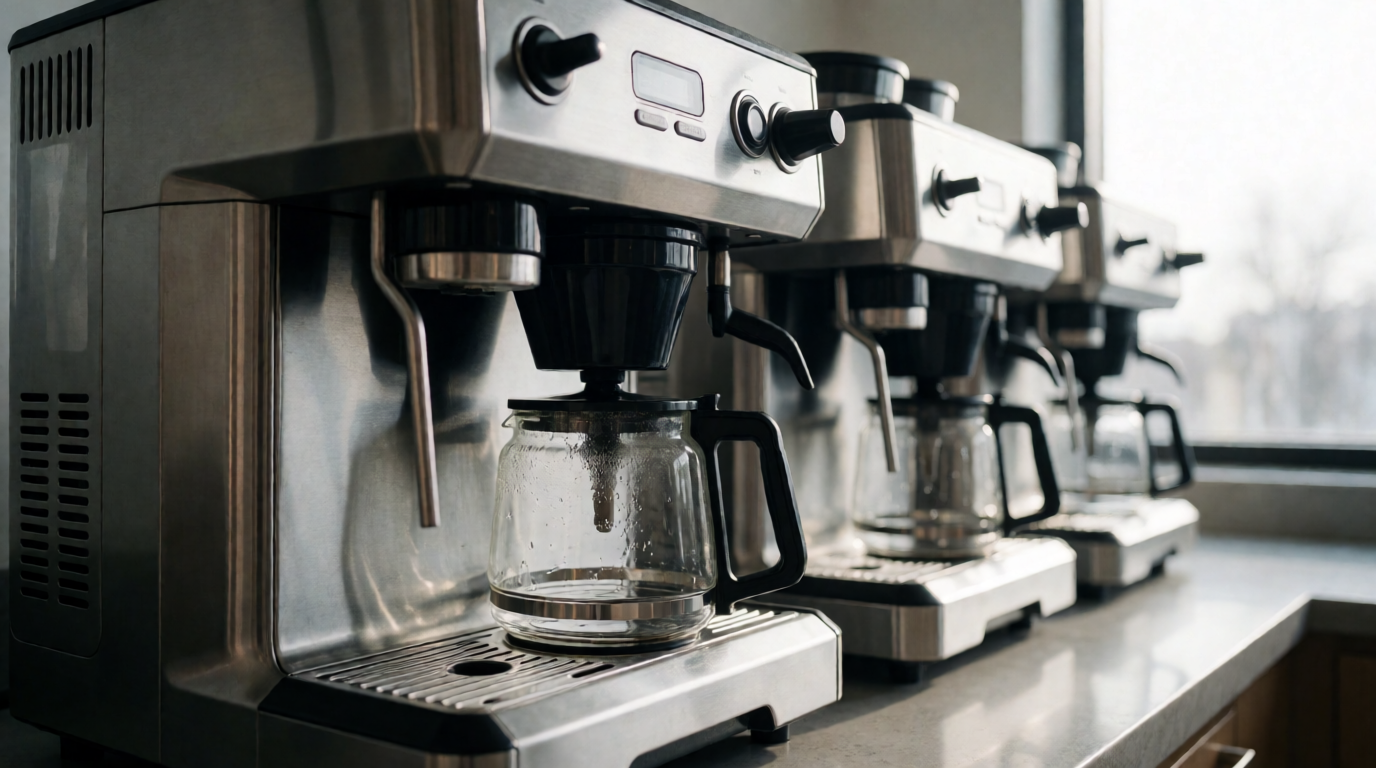
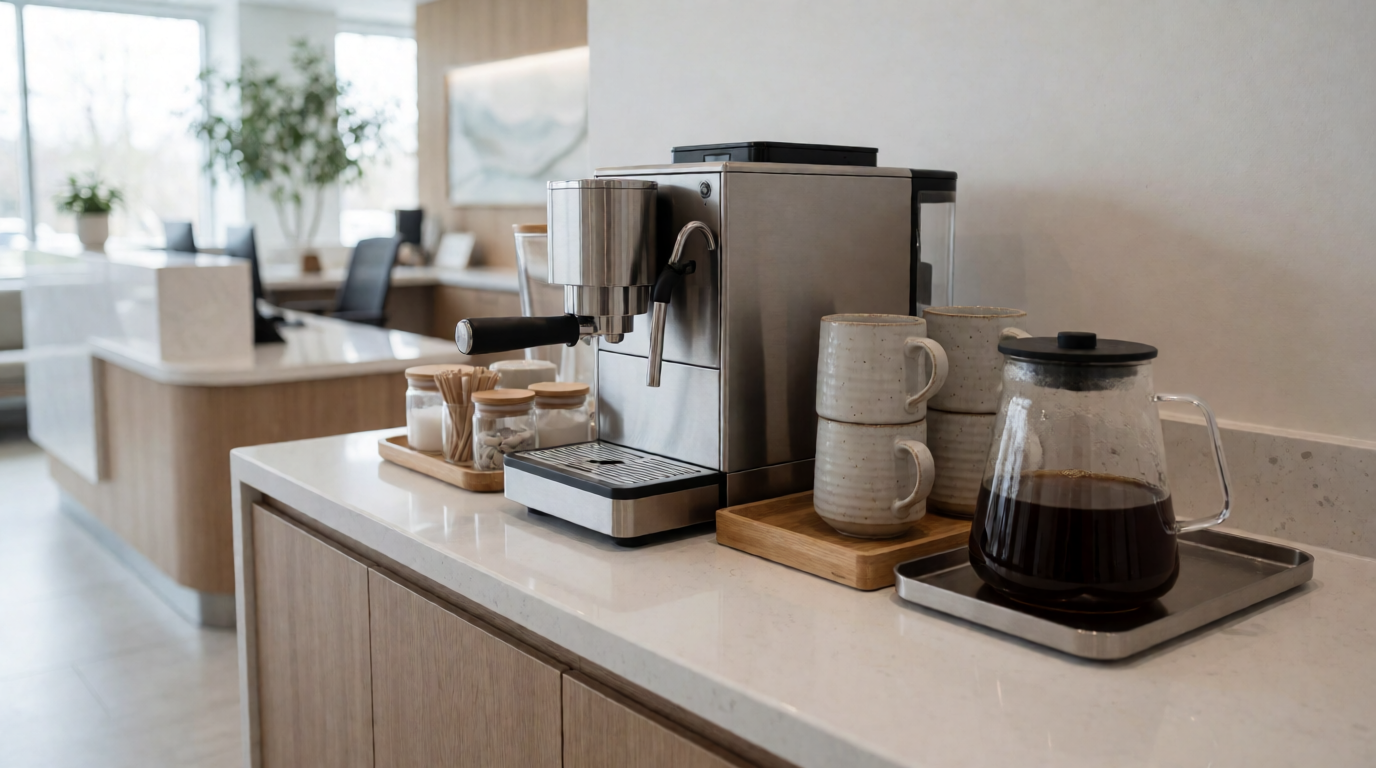
****: Milk frothers are devices that aerate and heat milk to create foam for coffee drinks. In cafes and restaurants, they are essential for making lattes, cappuccinos, and macchiatos. Proper use involves selecting the right milk, controlling temperature (150-155°F), and achieving the desired texture—from light foam to dense microfoam.
| Frother Type | Pros | Cons | Best For |
|---|---|---|---|
| Steam Wand | Precise control, microfoam quality | Requires training, espresso machine needed | High-volume cafes |
| Automatic Frother | Consistent results, easy to use | Limited texture variation | Fast-casual restaurants |
| Handheld Frother | Portable, low cost | Inconsistent, no heat | Pop-ups, home use |
Introduction
Every coffee shop owner knows that a beautifully frothed milk can turn a simple espresso into a customer magnet. But mastering milk frothers isn't just about aesthetics—it's about consistency, efficiency, and ultimately, your bottom line. In my experience training baristas across dozens of cafes, the difference between a good latte and a great one almost always comes down to milk technique. Whether you run a bustling downtown café or a cozy hotel coffee bar, knowing how to use milk frothers properly will set your beverages apart.
What You Need to Know About Milk Frothers
📚
Definition
Milk frothing is the process of introducing air into milk while heating it to create a stable foam. The goal is to produce microfoam—tiny, uniform bubbles that blend seamlessly with espresso, enabling latte art and a velvety mouthfeel.
Milk frothers come in three primary types: steam wands, automatic frothers, and handheld devices. For commercial settings, steam wands (built into espresso machines) are the gold standard because they offer the control needed to create microfoam. Automatic frothers, like the ones found in super-automatic espresso machines, produce consistent foam with minimal training—ideal for high-turnover environments. Handheld frothers are rarely used in pro settings due to inconsistency.
The science is straightforward: when steam is injected into cold milk, the water vapor condenses, heats the milk, and forces air into the liquid. The proteins in milk (casein and whey) stabilize the bubbles. Whole milk (3.25% fat) produces the richest microfoam, while skim milk creates a stiff, airy foam. Plant-based milks like oat or almond have different protein structures and often require stabilizers to froth well.
According to the Specialty Coffee Association, the ideal milk temperature for espresso drinks is between 150°F and 155°F (65°C–68°C). Exceeding 160°F denatures the proteins, causing the foam to break down and giving the milk a burnt taste. A National Coffee Association report notes that 73% of coffee consumers prefer beverages with milk, and milk quality directly affects repeat purchases.
Why Milk Frothing Quality Matters
Quality milk frothing directly impacts customer satisfaction and revenue. A study by Deloitte found that 62% of coffee drinkers are willing to pay a premium for specialty-grade drinks—and visually appealing foam is a key driver. In my consulting work, I've seen cafes increase their average ticket by $1.50 simply by training staff on proper frothing technique.
Beyond revenue, consistency builds brand loyalty. When a customer's cappuccino is perfect every time, they keep coming back. Conversely, a burnt or bubbly foam can send them to the competitor down the street. Data from the Specialty Coffee Association shows that cafes with consistent milk quality see 25% higher repeat visit rates.
Moreover, efficient frothing reduces waste. Overheating milk ruins its flavor and forces staff to dump and restart. By dialing in the correct technique, you save milk (which costs roughly $0.30–$0.50 per drink) and shorten ticket times. In a high-volume cafe, that adds up to significant savings.
How to Use Milk Frothers: A Step-by-Step Guide
Step 1: Choose the right milk and pitcher. For best results, use cold whole milk (35-40°F) in a stainless steel pitcher. The pitcher should be sized appropriately for the drink—typically 12 oz for a latte, 20 oz for a large cappuccino.
Step 2: Purge the steam wand. Before inserting into milk, open the steam valve briefly to expel any condensation or residual milk. This prevents contamination and ensures a clean start.
Step 3: Position the wand correctly. Submerge the tip just below the surface of the milk (about 1 cm deep). Tilt the pitcher slightly so the steam creates a vortex. This whirlpool action draws in air and stretches the milk to about 20–30% increase in volume for a cappuccino.
Step 4: Aeration phase (first 3–5 seconds). Keep the tip near the surface—you'll hear a gentle hissing sound as air is incorporated. Once the pitcher feels warm to the touch (about 100°F), fully submerge the tip to stop aeration and begin texturing.
Step 5: Texturing and heating phase. Submerge the tip completely to create the vortex that breaks large bubbles into microfoam. Heat the milk until it reaches 150–155°F. Use a thermometer or check by touch (the pitcher should be too hot to hold for more than a few seconds).
Step 6: Tap and swirl. After frothing, tap the pitcher gently on the counter to pop any remaining large bubbles. Swirl it to homogenize the foam. The milk should look like wet paint—glossy and smooth.
Step 7: Pour immediately. For latte art, pour in a steady stream with controlled tilt. For cappuccinos, spoon the foam on top.
💡
Key Takeaway
The most critical step is controlling the aeration phase. Over-aerating creates stiff, unappealing foam; under-aerating leaves you with thin, watery milk. Practice the “5-second rule”—aerate only for the first 3–5 seconds, then submerse.
At Busy Bean Coffee, our all-inclusive managed coffee memberships include professional-grade SENSA espresso machines with powerful steam wands, plus training for your team. We've helped hundreds of foodservice businesses master milk frothing without capital expense. Learn more about our white-glove coffee installation to get your staff up to speed quickly.
Steam Wand vs. Automatic Frother: Which Is Right for Your Business?
When choosing equipment, consider your volume, staff skill, and drink menu. Here's a comparison:
| Feature | Steam Wand (Espresso Machine) | Automatic Frother (Super-Automatic) |
|---|---|---|
| Texture control | Full control (microfoam) | Limited (foam only) |
| Learning curve | Moderate (requires training) | Minimal |
| Speed per drink | 30–60 seconds | 20–30 seconds |
| Best for | Artisan cafes, high-end restaurants | Fast-casual, hotels, offices |
| Cost | Included with espresso machine | Built into super-automatic unit |
| Maintenance | Regular cleaning (purge, backflush) | Self-cleaning cycle |
For businesses focused on specialty beverages, a traditional espresso machine with steam wand is essential. If consistency and ease are priorities, consider an automatic frother. Many of our clients at Busy Bean Coffee find that a hybrid approach—using steam wands for peak hours and automatic frother for rush—balances quality and speed. For more on equipment selection, see our ultimate guide to office espresso machines.
Common Questions and Misconceptions
Myth 1: You need to froth milk at the highest temperature. Truth: Heat destroys foam. The sweet spot is 150–155°F. Many baristas overheat, causing protein breakdown.
Myth 2: Skim milk froths better than whole milk. Actually, whole milk produces richer microfoam due to its fat content. Skim milk creates a stiffer, drier foam that collapses quickly.
Myth 3: Plant-based milks can't be frothed well. Newer barista blends (oat, soy, almond) with stabilizers froth surprisingly well. However, they require different technique—less heat (140–145°F) and a gentler vortex.
Myth 4: You don't need to clean the steam wand after each use. The Busy Bean Coffee team stresses cleaning immediately. Milk residue breeds bacteria and clogs the wand. Always purge and wipe with a damp cloth after every frothing session.
Frequently Asked Questions
What's the best milk for frothing in a cafe?
Whole milk (3.25% fat) is widely regarded as the best for microfoam and taste. It creates a velvety texture and holds up well to high temperatures. For plant-based options, choose barista-specific oat or soy milk—they contain added stabilizers to improve frothing. Avoid low-fat or skim if you want latte art; they produce a thin, bubbly foam.
How often should I clean my milk frother?
After every use, purge the steam wand and wipe it down. Daily, backflush the espresso machine with a cleaning detergent to remove milk residue. Weekly, disassemble the wand tip and soak it in a descaling solution. Neglecting cleaning leads to off-flavors and mechanical issues. Busy Bean Coffee provides maintenance guides with every membership; see our office espresso maintenance tips.
Can I use any milk frother for latte art?
Only steam wands on espresso machines produce the microfoam needed for latte art. Automatic frothers create a stiff foam that doesn't flow properly for intricate designs. If you want to offer latte art, invest in a quality espresso machine with a steam wand and train your staff. Handheld frothers are not suitable for commercial latte art.
Why is my milk foam disappearing quickly?
Foam collapse usually indicates over-heating (above 155°F) or under-aerating. Check your temperature; if it's too hot, the proteins break down. Also ensure you're creating a strong vortex during the texturing phase to break large bubbles. If using plant milk, it may lack stabilizers—try a barista blend. Another cause is letting the frothed milk sit too long; pour within 30 seconds.
What's the difference between a cappuccino and latte foam?
A cappuccino has about 1/3 espresso, 1/3 steamed milk, and 1/3 foam—the foam is thick and can be spooned. A latte has 1/3 espresso and 2/3 steamed milk with a thin layer of microfoam (about 1 cm). Cappuccino requires more aeration (stretching to 30% volume), while latte needs minimal aeration (just enough for microfoam). Knowing these ratios helps you adjust your frothing technique.
Summary + Next Steps
Mastering milk frothers is a skill that transforms your coffee menu and delights customers. Start by selecting the right equipment for your volume and skill level, train your team on proper technique (especially controlling aeration and temperature), and maintain your equipment religiously.
If you're ready to upgrade your coffee program without upfront costs, explore Busy Bean Coffee's all-inclusive managed coffee memberships. We provide commercial-grade SENSA espresso machines, professional installation, and ongoing support—including staff training on milk frothing. Visit www.busybeancoffee.com to learn more.
For further reading, check out our bean to cup office espresso machines guide and barista equipment training for foodservice teams.
About the Author
Travis Estes is the founder of Busy Bean Coffee, a company dedicated to providing specialty coffee equipment and managed solutions for foodservice businesses since 2024. With years of hands-on experience training baristas and outfitting cafes, Travis knows exactly what it takes to serve a perfect cup every time.
Free Coffee Pairing Guide & Specialty Roast Cheat Sheet
Unlock the secrets of perfect brewing ratios, water temperatures, and specialty roast profiles. Download the guide.