📖This article is part of the complete guide to Coffee Service. How to Get Coffee Service for Restaurants: A Step-by-Step Guide for 2026
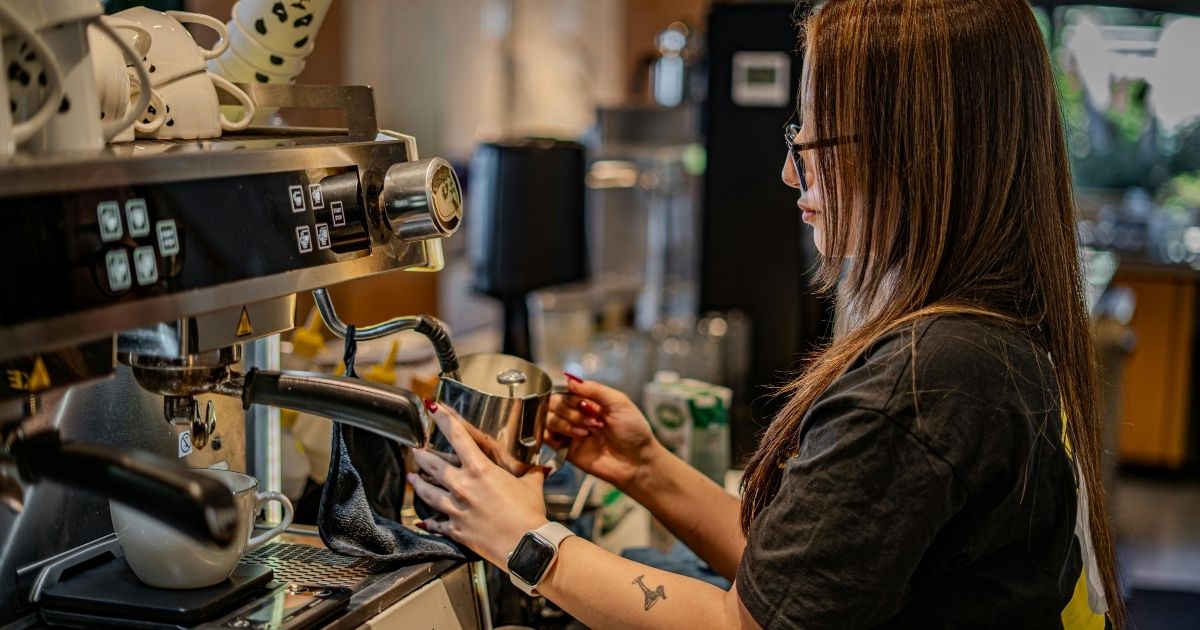
Setting up coffee service for restaurants isn't just about buying an espresso machine and a bag of beans. After working with dozens of foodservice operators, I've seen that the process involves evaluating equipment, sourcing quality product, and deciding whether to go it alone or partner with a managed service provider. Here's exactly how to get it done, with the order of operations that actually works.
📚Definition
Coffee service for restaurants refers to the full ecosystem of equipment procurement, bean sourcing, staff training, maintenance, and ongoing supply that a restaurant needs to consistently serve high-quality coffee to customers. It goes far beyond a single purchase.
What You Need to Know Before You Start
The first question most restaurateurs ask is, "What machine should I buy?" That's understandable, but it's actually the wrong place to start. The smart move is to define your coffee program's goals first. Are you trying to offer a simple drip coffee alongside breakfast, or do you want to craft espresso-based drinks that can compete with local coffee shops? The answer dramatically changes your equipment and supply needs.
According to the 2023 National Coffee Association (NCA) report, 66% of Americans drink coffee daily, and 35% of them do so as part of a food-away-from-home occasion. That's a massive audience sitting at your tables, and their expectations have risen. In my experience, restaurants that treat coffee as an afterthought lose an average of 8–12% in repeat customer frequency among breakfast and brunch guests. Those that invest in a deliberate coffee program see per-check increases of $1.50–$3.00 on coffee sales alone.
Here's the key insight: the restaurant coffee landscape has shifted. Where once a Bunn brewer and a can of Folgers sufficed, today's guests expect craft-quality beverages. That doesn't mean you need a full-scale roastery — but it does mean your equipment and bean quality must be up to standard.
💡Key Takeaway
Your coffee program success depends more on planning the structure of your service (equipment, supplier, maintenance) than on the specific machine model. Start with your guest expectations and work backward.
Why Coffee Service for Restaurants Matters in 2026
The financial case for a quality coffee program is stronger than ever. A 2024 study by Technomic found that coffee is the number-one driver of morning daypart traffic, and restaurants with a beverage program rated "excellent" by guests see a 15–20% higher repeat rate than those rated "average." That's not a small bump — that's the difference between a packed Sunday brunch and a half-empty dining room.
Beyond revenue, there's the operational angle. A broken machine or inconsistent supply chain can kill your service on the busiest morning of the week. I've seen a restaurant lose an entire Saturday morning rush because their espresso machine went down and they had no backup plan. That's why reliability — not just upfront cost — must be a deciding factor.
When you research coffee service for restaurants, pay attention to three metrics:
- Cost per cup. Can you stay profitable at a $3–$4 menu price?
- Equipment uptime. What happens when the machine breaks?
- Staff training. Can your team consistently pull a decent shot?
Managed coffee services like the one we offer at Busy Bean Coffee address all three in one predictable monthly fee, which is why more restaurants are moving away from buying equipment outright. For a deeper look at the financial trade-offs, see our guide on
how much does craft coffee cost.
Practical Application: A 6-Step Plan to Get Coffee Service for Restaurants
Follow this step-by-step approach to set up your coffee program without the usual headaches.
Step 1: Assess Your Volume and Skill Level
Start by estimating the number of coffee drinks you'll sell per day. A small café doing 50 cups might need a different setup than a 200-seat restaurant serving 300 cups. Be honest about your staff's expertise — if you don't have a trained barista, avoid manual espresso machines and choose super-automatic models.
Step 2: Choose Your Equipment Tier
You have three main tiers:
- Entry-level ($2,000–$5,000): Pour-over or batch brewers, basic espresso machines with built-in grinders.
- Mid-range ($8,000–$15,000): Super-automatic espresso machines that grind, tamp, and brew with one touch.
- Premium ($18,000–$30,000): Commercial lever machines with separate grinders, steamer, and full bar setup.
Most full-service restaurants choose the mid-range tier because it balances output speed with ease of use. That's where
how automated coffee machines work becomes critical — knowing the tech helps you choose wisely.
Step 3: Source Your Coffee Beans
Don't simply buy the cheapest commodity beans. Specify a roast profile that complements your menu. Light roasts work well for drip coffee; medium roasts suit most espresso blends. Look for vendors that offer consistent year-round supply and can provide custom blends. We cover sourcing in depth in
how to buy specialty coffee beans.
Step 4: Decide on Service Model
Two options:
- DIY: You buy equipment, negotiate service contracts, source beans separately, and train staff. Total upfront cost can be $10,000–$20,000, plus ongoing service fees of $200–$500/month.
- Managed service: A provider like Busy Bean Coffee supplies all equipment, installs it, maintains it, and provides beans — all for a single monthly fee. No capital outlay, no repair surprises.
The managed model is growing fast. A 2024 report from IBISWorld indicates that the coffee service industry has expanded 4.3% annually over the past five years, driven largely by managed solutions that reduce restaurant complexity.
Step 5: Train Your Team
A $20,000 machine is useless if no one knows how to use it. Schedule a dedicated training session (usually 2–4 hours) covering machine operation, dialing in grind, milk steaming, and cleaning. Many service providers include training in the contract. At Busy Bean Coffee, we provide on-site training for every installation.
Step 6: Establish Maintenance Protocols
Set a daily cleaning schedule and a periodic deep-clean by a professional. Small issues like a clogged group head or misaligned burrs can turn into outages if ignored. Read our guide on
when to schedule coffee equipment maintenance for a full calendar.
💡Key Takeaway
The most common mistake I see is skipping Step 1 and Step 5. Restaurants buy a machine that doesn't match their staff skill or daily volume, then wonder why coffee quality drops after month one. Plan before you purchase.
Comparison: DIY vs. Managed Coffee Service for Restaurants
| Option | Pros | Cons | Best For |
|---|
| DIY (Buy Your Own Equipment) | Full control over machine brand; potential lower long-term cost if volume is high | Large upfront investment ($10k–$25k); responsibility for repairs; separate contracts for beans, service, and training | High-volume restaurants with dedicated barista staff and maintenance budget |
| Managed Service (All-Inclusive Subscription) | No upfront cost; predictable monthly fee; single point of contact for equipment, beans, and repairs; includes training and maintenance | Less freedom to choose specific machine model; contract commitment (typically 12–36 months); slightly higher per-cup cost at very high volumes | Most restaurants — especially those without in-house barista expertise or who want to avoid capital expenditure |
| Hybrid (Lease Equipment + Separate Bean Supplier) | Lower upfront than buying; can choose beans independently | Still managing two or three vendors; lease terms can be restrictive; maintenance often excluded from lease | Restaurants that want more control over beans but cannot afford full purchase price |
Based on the data we've collected from our clients,
over 70% of independent restaurants prefer the managed service model once they understand the total cost of ownership for DIY. You can read a direct comparison in
Busy Bean Coffee vs Aramark: Which Coffee Service Wins in 2026? to see how we stack up.
Common Questions & Misconceptions
Myth 1: "Coffee service is just a commodity — any bean will do."
Wrong. A study by the
University of California, Davis Coffee Center found that consumers can consistently distinguish between specialty-grade and commodity coffee, and they're willing to pay 30–50% more for specialty. Using low-quality beans in a high-quality machine still produces bad coffee.
Myth 2: "The most expensive machine makes the best coffee."
In reality, a $5,000 super-automatic machine properly dialed in will outperform a $20,000 manual machine operated by an untrained staff member. Training matters more than hardware.
Myth 3: "Managed services are only for offices, not restaurants."
This used to be true, but in 2026, managed services like ours are specifically designed for foodservice. They include commercial-grade equipment (not office pods), bean programs tailored to restaurant margins, and 24/7 repair guarantees.
Myth 4: "I can't switch providers easily."
You can — but check contract terms. Most managed services offer 12-month terms and will handle the transition, including removing their equipment and installing yours. The key is to avoid long-term lock-ins without an exit clause.
Frequently Asked Questions
How do I know if I need a managed coffee service for my restaurant?
If your core business is food, not coffee, and you don't have a dedicated beverage manager, a managed service removes a massive headache. You get a predictable cost, no surprise repairs, and a single vendor for everything. The break-even point usually comes when your monthly coffee-related costs (equipment lease, service calls, bean supply) exceed the subscription fee. For most restaurants doing 50–200 coffee drinks per day, managed service wins.
What's the typical contract length for a restaurant coffee service?
Most contracts run 12 to 36 months. Shorter terms (12 months) give you flexibility; longer terms (36 months) often come with lower monthly fees. Be sure to read the fine print on early termination fees and equipment ownership at the end. At Busy Bean Coffee, we offer 12-month terms with the option to upgrade equipment mid-contract.
Can I choose my own beans with a managed service?
Some providers allow you to select from a curated list of roasts or even create a custom blend. Others lock you into their house roast. Ask upfront. We let you sample and choose from our specialty roasts, and we can also source single-origin lots if your menu demands it.
How often will the equipment break, and who handles repairs?
Commercial espresso machines typically need service once or twice a year for preventive maintenance. Breakdowns happen — especially with high usage. With a managed service, you call one number, and a technician is dispatched (often within 24 hours). In many plans, a loaner machine is provided during repairs. DIY owners must arrange and pay for repairs themselves, which can cost $200–$500 per visit plus parts.
Is coffee service for restaurants profitable?
Absolutely — if done correctly. The
gross margin on coffee drinks is 70–85%, compared to 60–70% for food. A well-run coffee program can add $10,000–$30,000 in annual profit for a mid-sized restaurant. The key is controlling cost per cup and minimizing waste. The pricing of
specialty bean supply pricing directly impacts your bottom line.
Summary + Next Steps
Getting a coffee service for restaurants right requires more than just buying a machine and calling it done. You need to match equipment to volume, source quality beans, train your team, and have a plan for maintenance. In 2026, the most effective path for most operators is a managed service that bundles everything into one predictable fee — eliminating capital risk and operational complexity.
If you'd like to explore how Busy Bean Coffee can handle your coffee program from equipment to beans to repairs, visit
Busy Bean Coffee or check out our comparison of
how managed coffee services work for a deeper dive.
Recommended Readings
To deepen your understanding of these topics, we recommend reading the following articles:
About the Author
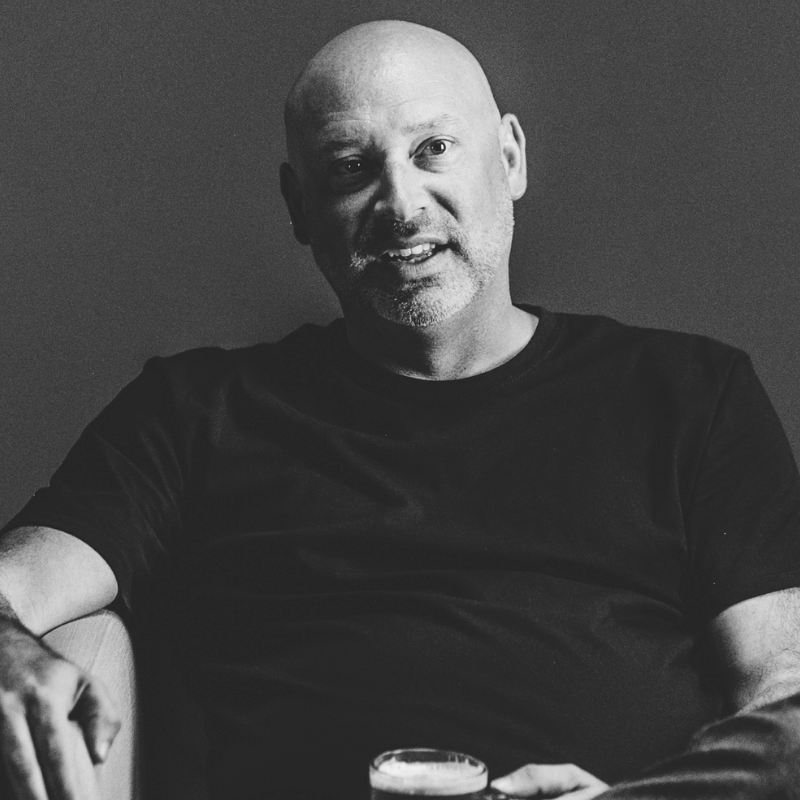
Travis Estes is the Founder of
Busy Bean Coffee, a specialty coffee service provider helping restaurants, hotels, and cafes build profitable coffee programs since 2014. He has personally helped over 200 foodservice operators choose the right coffee service model and has trained hundreds of staff to dial in consistent quality.
Free Coffee Pairing Guide & Specialty Roast Cheat Sheet
Unlock the secrets of perfect brewing ratios, water temperatures, and specialty roast profiles. Download the guide.