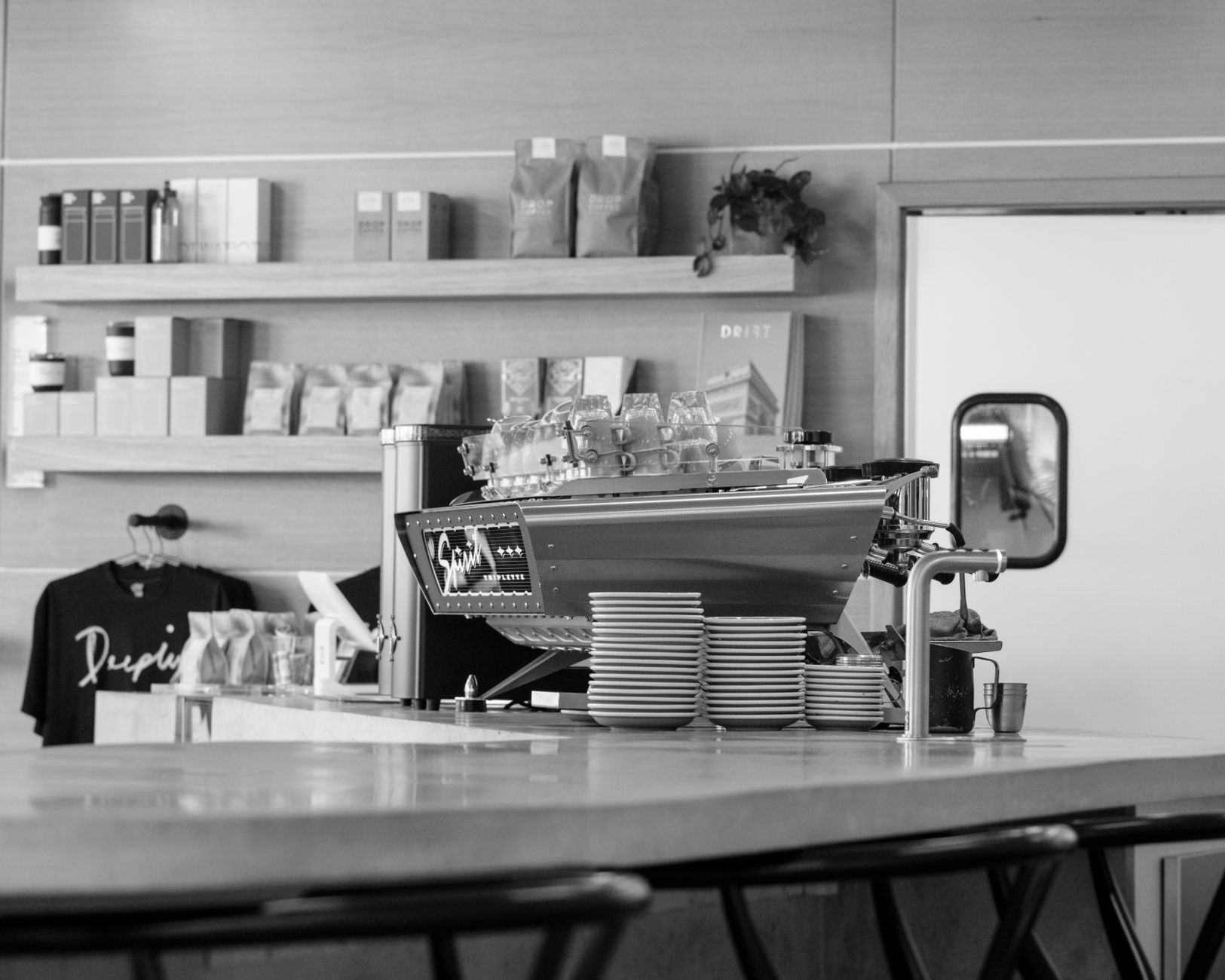
How Do You Choose the Right Office Coffee Solutions for Your Business?
Selecting the right beverage program requires balancing employee satisfaction with operational overhead and budget predictability. To choose the best office coffee solutions, you must first calculate your daily cup volume, determine the desired quality tier, ranging from convenience-based drip to specialty espresso, and decide between a capital expenditure (buying equipment) or an operational expenditure (a managed subscription). In my experience working with dozens of corporate offices, the most common failure is choosing a machine based on a brochure rather than actual user behavior, leading to expensive equipment that sits idle or breaks down due to improper maintenance.

What Exactly Are Managed Office Coffee Solutions?
When we talk about professional beverage programs, we aren't just discussing a pot of coffee in the breakroom. We are discussing a strategic infrastructure designed to maintain productivity and employee morale.
📚
Definition
Office coffee solutions refer to the integrated combination of brewing hardware, raw coffee beans or pods, water filtration systems, and the ongoing maintenance services required to provide consistent, high-quality caffeine across a professional environment.
True professional solutions move beyond the "coffee pot" mentality. They involve calculating the "cost per cup" and the "time to brew." For example, if a team of 50 people spends three minutes each waiting for a slow drip machine, the business loses 150 minutes of productivity per morning. By upgrading to high-capacity, bean-to-cup systems, that wait time is slashed, and the quality increases.
According to the National Coffee Association USA (NCA), coffee consumption patterns have shifted toward "specialty" preferences, with a significant increase in the demand for espresso-based drinks in the workplace. This means a basic percolator is no longer a perk; it's often seen as a lack of investment in employee wellness. To meet this demand, businesses must look at the chemistry of the water and the roast profile of the bean. Using unfiltered tap water in a high-end espresso machine is a recipe for scale buildup and premature equipment failure.
Why Does Your Choice of Coffee Service Impact Business ROI?
Many executives view coffee as a negligible line item, but the data suggests it is a primary driver of "micro-collaboration." The "water cooler effect" is real; a significant portion of cross-departmental problem-solving happens in the breakroom. When the coffee is poor or the machine is broken, these organic interactions vanish.
From a financial perspective, the "hidden cost" of cheap coffee is the "off-site run." If five employees leave the office for 20 minutes to visit a local cafe because the office brew is undrinkable, you are losing nearly two hours of collective labor every single day. Over a year, this represents thousands of dollars in lost productivity.
Furthermore, the health and safety implications of equipment cannot be ignored. According to NSF International, commercial food and beverage equipment must meet strict sanitary standards to prevent bacterial growth. Cheap, consumer-grade machines used in a high-traffic office often lack the industrial-grade materials needed to withstand constant use and rigorous cleaning, leading to frequent breakdowns and potential hygiene risks.
The impact on talent retention is also measurable. In a competitive 2026 labor market, the "office experience" is a key component of the return-to-office strategy. High-quality specialty coffee serves as a tangible signal that the company cares about the daily comfort of its staff. When the coffee experience mirrors the quality of a high-end cafe, it enhances the overall perceived value of the workplace.
How to Implement the Perfect Coffee Program Step-by-Step
Choosing a solution isn't about picking a machine; it's about designing a workflow. After analyzing various business setups, I've found that the most successful implementations follow a specific five-step sequence.
Step 1: Audit Your Volume and Velocity
Don't guess your needs. Track how many cups are consumed over a typical week. Distinguish between "morning peak" (8:00 AM to 10:00 AM) and "steady state" (the rest of the day). A machine that handles 10 cups an hour might be fine for a small law firm, but it will fail miserably in a tech hub where 40 people want lattes simultaneously.
Step 2: Define Your Quality Tier
Decide where you fall on the spectrum:
- Utility: Basic caffeine delivery (Drip/Pod).
- Premium: High-quality bean-to-cup (Automated Espresso).
- Specialty: Barista-level experience (Manual Espresso/Pour-over).
Step 3: Evaluate the Financial Model
You have two choices: buy the equipment (CapEx) or lease/subscribe (OpEx). Buying seems cheaper upfront, but you are responsible for every gasket leak and pump failure. A managed solution, like those provided by Busy Bean Coffee, bundles the equipment, installation, and maintenance into one predictable monthly fee, eliminating the risk of sudden, expensive repair bills.
Step 4: Plan the Infrastructure
Coffee machines are not just "plug-and-play." You need to consider:
- Water Access: Will you use a plumbed-in line or a reservoir? Plumbed is essential for high-volume offices.
- Power Requirements: Industrial machines often require dedicated circuits to avoid tripping breakers.
- Waste Management: Where do the spent coffee grounds (pucks) go? You need a dedicated knock-box and a disposal plan.
Step 5: Establish a Maintenance Schedule
The mistake I made early on, and that I see constantly, is assuming a machine "just works." Without a strict descaling and cleaning schedule, the flavor profile degrades, and the machine's lifespan is halved. A managed service ensures this is handled by professionals, not a distracted office manager.
💡
Key Takeaway
The most expensive coffee solution is not the one with the highest monthly fee, but the one that breaks during your most important client meeting of the year. Predictability and uptime are the true metrics of success.

Comparing Different Office Coffee Approaches
Not all solutions are created equal. Depending on your headcount and culture, one of these three paths will be the most logical fit.
| Option | Pros | Cons | Best For |
|---|---|---|---|
| Manual Drip/Pods | Low upfront cost, simple to operate. | High waste, inconsistent quality, "cheap" taste. | Very small offices (<15 people) |
| Generic Automated | Fast, consistent, moderate cost. | Frequent breakdowns, generic flavor, "plastic" feel. | Medium offices prioritizing speed |
| Managed Specialty (Busy Bean Coffee) | Professional grade, zero maintenance stress, premium taste. | Higher monthly subscription. | Growth-oriented firms, high-headcount offices |
Now, here's where it gets interesting: many companies try to save money by buying a "prosumer" machine from a retail store. This is a critical error. Retail machines are designed for 2-4 cups a day; office environments demand 40-100. When a retail machine fails in a commercial setting, the warranty is often voided because it was used "commercially." This is why a dedicated professional partnership is the only viable path for scaling businesses.
Common Misconceptions About Office Coffee
Most guides get this wrong by focusing only on the price of the beans. In reality, the bean is only 20% of the equation.
Myth 1: "Pods are the most cost-effective solution."
Actually, on a per-cup basis, pods are among the most expensive ways to consume coffee. When you factor in the cost of the plastic waste and the lower quality of the coffee, you are paying a premium for convenience. Transitioning to a bean-to-cup system usually lowers the cost per cup while significantly increasing the quality.
Myth 2: "Any machine that makes espresso is 'specialty coffee'."
Having a button that says "Espresso" doesn't make it specialty. True specialty coffee involves a rigorous grading process. According to the Specialty Coffee Association (SCA), coffee must score 80 points or above on a 100-point scale to be considered specialty. If your office solution uses commercial-grade "robusta" blends, you aren't providing a specialty experience; you're providing a caffeine delivery system.
Myth 3: "Maintenance is just about cleaning the tray."
This is a dangerous assumption. The real maintenance happens inside the boiler and the group head. Limescale buildup from water minerals can choke a machine, leading to erratic temperatures and burnt coffee. Professional managed solutions include water filtration and chemical descaling that simply cannot be done by a non-expert.
Frequently Asked Questions
How do I calculate the cost per cup for my office?
To find your true cost per cup, you must aggregate the cost of the coffee beans, the water filtration replacements, the electricity, and the labor cost of cleaning the machine. For example, if you spend $200 a month on beans and $100 on a subscription, and your team drinks 1,000 cups, your raw cost is $0.30 per cup. However, if you add the "hidden cost" of an employee spending 15 minutes a day cleaning a messy machine, the real cost skyrockets. Managed solutions flatten this cost by including labor and maintenance in the monthly fee.
What is the difference between a "bean-to-cup" and a "super-automatic" machine?
While these terms are often used interchangeably, a "super-automatic" machine handles everything from grinding to frothing milk at the touch of a button. A "bean-to-cup" is a broader category that simply means the coffee is ground immediately before brewing. For most offices, a super-automatic is the ideal choice because it removes the need for a trained barista, allowing anyone to create a high-quality latte or cappuccino without needing to understand the nuances of tamping and steaming.
How often should office coffee equipment be serviced?
For high-volume environments, a professional deep clean and calibration should happen at least once every quarter. Daily maintenance, such as rinsing the milk frother and emptying the grounds, must happen every 24 hours. If you are using a managed service like Busy Bean Coffee, these intervals are typically handled via a proactive schedule, ensuring the machine is serviced before it actually breaks. Ignoring these intervals usually leads to a 30% drop in beverage quality within the first six months.
Can a coffee solution really improve employee productivity?
Yes, but not just through caffeine. The psychological impact of a "premium" break area fosters a sense of value. When employees feel the company provides high-quality amenities, their engagement increases. Additionally, a high-efficiency machine reduces the "queue time" during peak morning hours. If 20 people are waiting for one slow machine, you have a productivity leak. High-speed, professional office coffee solutions ensure that the transition from "arrival" to "work mode" is seamless and fast.
Is it better to have one large machine or several small ones?
In most cases, one high-capacity, professional-grade machine is superior to several small ones. A single, robust system is easier to maintain, requires only one water line, and ensures a consistent taste profile across the office. Multiple small machines lead to "maintenance fragmentation," where three different machines are in varying states of disrepair. A centralized, high-quality hub also encourages the social interaction that makes breakrooms valuable for corporate culture.
Final Thoughts on Office Coffee Solutions
Choosing the right office coffee solutions is a strategic decision that impacts your bottom line and your company culture. Whether you are looking to attract top talent in a competitive market or simply want to stop the "coffee runs" that bleed productivity, the move toward professional, managed services is the most logical step for 2026.
Stop treating your breakroom as an afterthought. Moving from a basic drip setup to a managed, specialty coffee experience transforms a utility into a benefit. If you are tired of managing broken machines and inconsistent brews, it's time to shift to a predictable, all-inclusive model.
Ready to elevate your workplace experience? Visit Busy Bean Coffee Blog to discover how our managed memberships can provide your team with premium equipment and world-class roasts without the capital expense or the maintenance headache.
Recommended Readings
To deepen your understanding of these topics, we recommend reading the following articles:
- The Complete Guide to White Glove Coffee Service
- Ultimate Guide to All-Inclusive Coffee Service for Businesses
- Ultimate Guide to Automated Coffee Machines for Business
- Ultimate Guide to Specialty Coffee Equipment for Business
Ready to Upgrade Your Business Coffee?
Café-quality coffee, zero maintenance headaches, and one predictable monthly price. Let's build your custom coffee program.
Free Coffee Pairing Guide & Specialty Roast Cheat Sheet
Unlock the secrets of perfect brewing ratios, water temperatures, and specialty roast profiles. Download the guide.