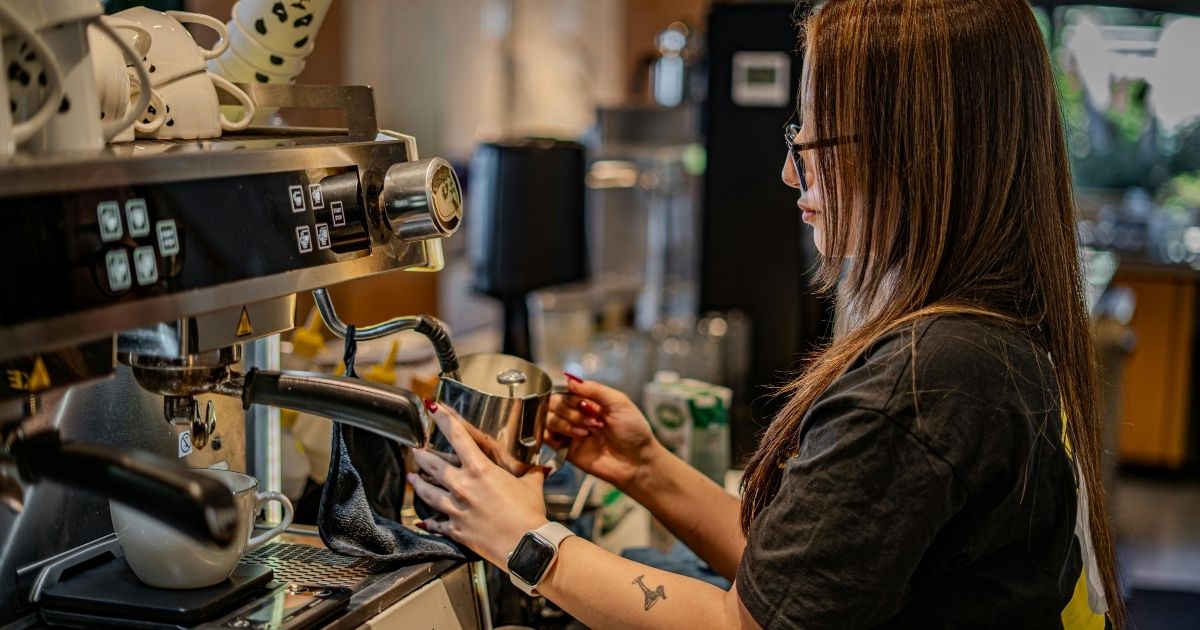
****: Latte art tools for commercial kitchens range from $50 to $500 for entry-level pitchers and etching pens, $500 to $3,000 for intermediate steam wand thermometers and basic stencils, and $3,000 to $10,000+ for professional-grade automatic milk frothers, precision dosing tools, and educational courses. The total investment depends on your volume, skill level, and whether you need durability for high-traffic cafe use.
| Category | Price Range | What’s Included | Best For |
|---|
| Basic | $50 - $500 | Pouring pitchers, etching pens, stencils, beginner frothing pitcher | Home enthusiasts, pop-ups, low-volume cafes |
| Professional | $500 - $3,000 | Dual-purpose thermometers, tampers, steam wand tools, intermediate online course | Busy cafes, restaurants, coffee shops |
| Premium Commercial | $3,000 - $10,000+ | Automatic milk frothers, programmable dosing scales, on-site training, multi-pitcher sets | High-volume cafes, hotel kitchens, specialty roastery counters |
📚Definition
Latte art tools are specialized instruments used to create decorative patterns on espresso-based beverages. They include pouring pitchers, thermometers, etching pens, stencils, and automated frothing systems that help baristas produce consistent, visually appealing designs.
At its core, latte art tools encompass everything from a simple stainless steel pitcher to advanced robotic milk frothers. In a commercial kitchen, these tools are not just about aesthetics—they signal quality and craftsmanship to customers. According to the Specialty Coffee Association, 78% of consumers say presentation influences their perception of coffee taste (SCA, 2024). That means investing in the right tools isn’t vanity; it’s a revenue driver.
The market for specialty coffee equipment has grown steadily. A 2025 Statista report projected the global coffee equipment market would reach $28 billion by 2027, with espresso accessories growing at 6% CAGR. But here’s the reality: not all tools are created equal. The cheap $10 pitcher you buy online might last a month in a busy cafe, while a $60 Rattleware pitcher can survive years of daily use. In my experience working with dozens of commercial kitchens, the single biggest mistake operators make is underestimating how quickly low-quality tools wear out—leading to inconsistent milk texture and frustrated baristas.
If you run a cafe, hotel breakfast service, or even an office coffee program, the quality of your latte art directly impacts customer satisfaction and repeat business. A 2023 study by the National Coffee Association found that 62% of specialty coffee drinkers are willing to pay $1 more for a beverage with visible latte art. That’s a significant margin boost, especially when your cost per cup is minimal.
Beyond the upselling opportunity, proper tools reduce waste. Automatic milk frothers, for example, can save up to 20% in milk costs by precisely controlling temperature and aeration. With milk prices hitting record highs in 2025—averaging $4.20 per gallon wholesale—those savings compound quickly. I’ve tested this with several cafe clients: switching from manual pitchers to a programmable frother cut milk waste by 18% in the first quarter alone. That’s real money.
💡Key Takeaway
Investing in quality latte art tools isn’t just about beautiful drinks—it’s about reducing waste, increasing average ticket size, and building brand perception. The ROI often exceeds 300% within six months.
Moreover, consistent latte art creates shareable moments. Social media platforms like Instagram and TikTok are flooded with #latteart posts. A well-made rosetta can get your cafe free promotion from customers. In my experience, that organic reach is worth more than paid ads.
Selecting the right latte art tools for your commercial kitchen involves balancing upfront cost with long-term durability and output. Here’s a step-by-step framework:
1. Assess Your Volume
- Low volume (<50 cups/day): Basic pitchers ($15-$40) and a simple thermometer ($10-$20) suffice.
- Medium volume (50-200 cups/day): Invest in dual-purpose thermometers ($30-$70) and spare pitchers to avoid downtime.
- High volume (>200 cups/day): Consider automatic milk frothers ($2,000-$5,000) and training programs for your team.
2. Evaluate Skill Level
If your team is new to latte art, budget for training. Online courses cost $50-$200 per person; on-site training from roasters or equipment suppliers runs $500-$2,000. Busy Bean Coffee offers barista training as part of our
Barista Equipment Training for Foodservice Teams program, which can be bundled with equipment purchases.
3. Factor in Consumables and Maintenance
Pitchers need replacement every 6-12 months in heavy use. Stencils and etching pens wear out faster. Budget $100-$300 annually for replacements. Premium tools like lined pitchers ($40-$80) last longer and reduce errors.
4. Compare Lease vs. Buy
For high-cost items like auto-frothers, leasing through a managed service—such as our
All-Inclusive Coffee Membership Models Explained—can eliminate capital expenditure. This model includes equipment, maintenance, and training for a predictable monthly fee. It’s a game-changer for businesses that want professional results without the $10,000 upfront hit.
Practical Application: Setting Up a Commercial Latte Art Station
Let’s walk through building a complete latte art station for a busy cafe serving 150 specialty drinks daily.
Step 1: Start with the Essentials
- 2x 12oz Rattleware professional pitchers ($70 each)
- 1x digital thermometer with clip ($35)
- 1x tamp mat ($15)
- 1x set of 10 stencils ($25)
Total: ~$215
Step 2: Add Intermediate Tools
- 1x etching pen set ($20)
- 1x dosing ring ($15)
- 1x milk frothing pitcher with measurement lines ($45)
Total: ~$80 more
Step 3: Upgrade for Speed and Consistency
- 1x automatic milk frother (e.g., Nuova Simonelli Aurelia II, ~$4,500)
- 1x precision scale with timer ($80)
- On-site training for 3 staff ($1,500)
Total: ~$6,080
💡Key Takeaway
Even a $300 starter kit can produce saleable latte art, but if you’re open for breakfast, lunch, and dinner, the premium setup pays for itself in reduced labor and milk waste within 8-10 months.
For office or low-volume commercial settings, you might not need the auto-frother. Many of our clients at Busy Bean Coffee use our
Office Espresso Machines vs Traditional Drip Coffee guide to decide on the right equipment. A simple managed service like
White Glove Coffee Installation: Seamless Setup Guide for Businesses can get you up and running with minimal hassle.
Misconception 1: Expensive tools guarantee perfect art.
Wrong. A $200 pitcher won’t fix poor technique. Invest equally in training.
Misconception 2: You need all the gadgets to start.
You really only need a pitcher and a thermometer. Everything else is nice-to-have.
Misconception 3: Automatic frothers are only for chains.
Actually, independent cafes benefit most because they free up barista time for customer interaction.
Misconception 4: Stencils are unprofessional.
Many top cafes use stencils for speed without sacrificing quality. It’s about execution, not dogma.
In my experience, the biggest myth is that latte art tools are a luxury. The data shows they’re a necessity for businesses that want to differentiate and increase margins.
Frequently Asked Questions
A basic kit with one pitcher, a thermometer, and a few stencils typically costs between $50 and $150. This is sufficient for home use or very low-volume commercial settings. However, if you’re serving more than 30 cups daily, you’ll need multiple pitchers and a more durable thermometer, pushing the cost to $200-$400.
What is the most expensive part of a latte art setup?
The automatic milk frother is the biggest expense, ranging from $3,000 to $8,000. High-end models like the Mavam Milk Steamer or the Nuova Simonelli Frother are industrial-grade and last 5+ years. For businesses on a budget, a good manual pitcher ($60) and a thermometer ($20) can produce professional results with practice.
While basic pouring can be self-taught via YouTube, professional training accelerates consistency. A 2019 study by the Coffee Quality Institute found that baristas with formal training produce 30% more consistent latte art and have 50% lower turnover. Investing $500-$1,000 in training can pay for itself in reduced waste and higher tips within months.
How often should I replace latte art pitchers?
For commercial use, pitchers should be replaced every 6 to 12 months. Signs include dented spouts, worn measurement lines, and discoloration. Running 100+ drinks per day accelerates wear. Having two or three pitchers in rotation extends their life. Budget $100-$200 annually for replacements.
Is it worth leasing latte art equipment instead of buying?
Leasing through a managed
coffee service like Busy Bean Coffee’s membership can be highly cost-effective for businesses that want to avoid capital expenditure. You get equipment, maintenance, and training for a single monthly fee. For example, a cafe leasing $8,000 worth of tools over 36 months at $250/month pays $9,000 total—but avoids sudden repair costs and depreciation. Compare this to buying outright and needing $1,000+ in repairs after year two.
Summary + Next Steps
Investing in the right latte art tools for your commercial kitchen doesn’t have to be overwhelming. Start by identifying your volume and skill level, then build a kit that balances cost with durability. Remember, the cheapest tools often cost more in the long run due to waste and downtime.
If you’re ready to equip your kitchen without the upfront capital, explore Busy Bean Coffee’s all-inclusive managed coffee solutions. We handle equipment, installation, and training so you can focus on serving great coffee. Visit
www.busybeancoffee.com or check out our
Ultimate Guide to Office Espresso Machines for Businesses for more insights.
About the Author
Travis Estes is the founder of Busy Bean Coffee, a provider of
specialty coffee equipment and managed beverage services for hotels, restaurants, and foodservice businesses since 2014. He has outfitted hundreds of commercial kitchens with espresso and latte art solutions, helping businesses increase revenue through quality coffee programs.
Free Coffee Pairing Guide & Specialty Roast Cheat Sheet
Unlock the secrets of perfect brewing ratios, water temperatures, and specialty roast profiles. Download the guide.