When you start looking into premium bean sourcing for your office coffee program, the first question is almost always: how much does it cost? The answer isn't a single number—it depends on volume, roast profile, origin, and whether you buy green beans, roasted whole beans, or opt for a managed service. In this step-by-step guide, I'll break down every cost component, share real-world pricing ranges, and show you how to get the best value without sacrificing quality. By the end, you'll have a clear framework to calculate your own premium bean sourcing costs and make an informed decision.
For a comprehensive overview of business coffee solutions, see our Ultimate Guide to Premium Coffee Service for Businesses.
What Is Premium Bean Sourcing?
📚
Definition
Premium bean sourcing is the process of selecting and procuring high-quality coffee beans—typically specialty-grade, single-origin, or direct-trade—for a business's coffee program. It differs from commodity sourcing in that it prioritizes flavor, freshness, and ethical practices over lowest price.
Premium beans are graded by the Specialty Coffee Association (SCA) and must score 80 points or higher on a 100-point scale. According to the Specialty Coffee Association, specialty-grade coffee accounts for about 20% of global coffee production but commands significantly higher prices due to superior quality and traceability.
The cost of premium bean sourcing includes more than just the raw bean price. You'll need to factor in roasting (if buying green), shipping, storage, and waste. For offices, the per-cup cost is what really matters, and that's where smart sourcing decisions can make a big difference.
Why Premium Bean Sourcing Matters for Offices
Investing in premium bean sourcing isn't just about indulgence—it has measurable business benefits. A 2023 survey by the National Coffee Association found that 74% of office workers say access to quality coffee is a key factor in job satisfaction. Another study by McKinsey & Company highlighted that investments in workplace amenities, including coffee, can improve employee retention by up to 15%.
On the flip side, cheap coffee often leads to waste. When the brew tastes stale or bitter, employees dump it out and buy from nearby cafes—increasing costs and decreasing productivity. In my experience working with dozens of offices, the companies that switch to premium bean sourcing see a 30–50% reduction in coffee waste because the coffee actually gets consumed.
💡
Key Takeaway
Premium bean sourcing doesn't have to cost more per cup when you factor in waste reduction and employee satisfaction. The real savings come from choosing the right sourcing model for your office size.
Step-by-Step Guide to Calculating Premium Bean Sourcing Costs
Let's walk through a practical framework to estimate your office's coffee costs. I'll use a typical office of 50 employees as an example.
Step 1: Determine Consumption Volume
An office of 50 people consumes roughly 1.5 pounds of coffee per day (assuming one cup per person, 10g per cup). That's about 33 pounds per month. Multiply by your cost per pound to get the monthly bean cost.
Step 2: Choose Your Sourcing Method
You have three primary options:
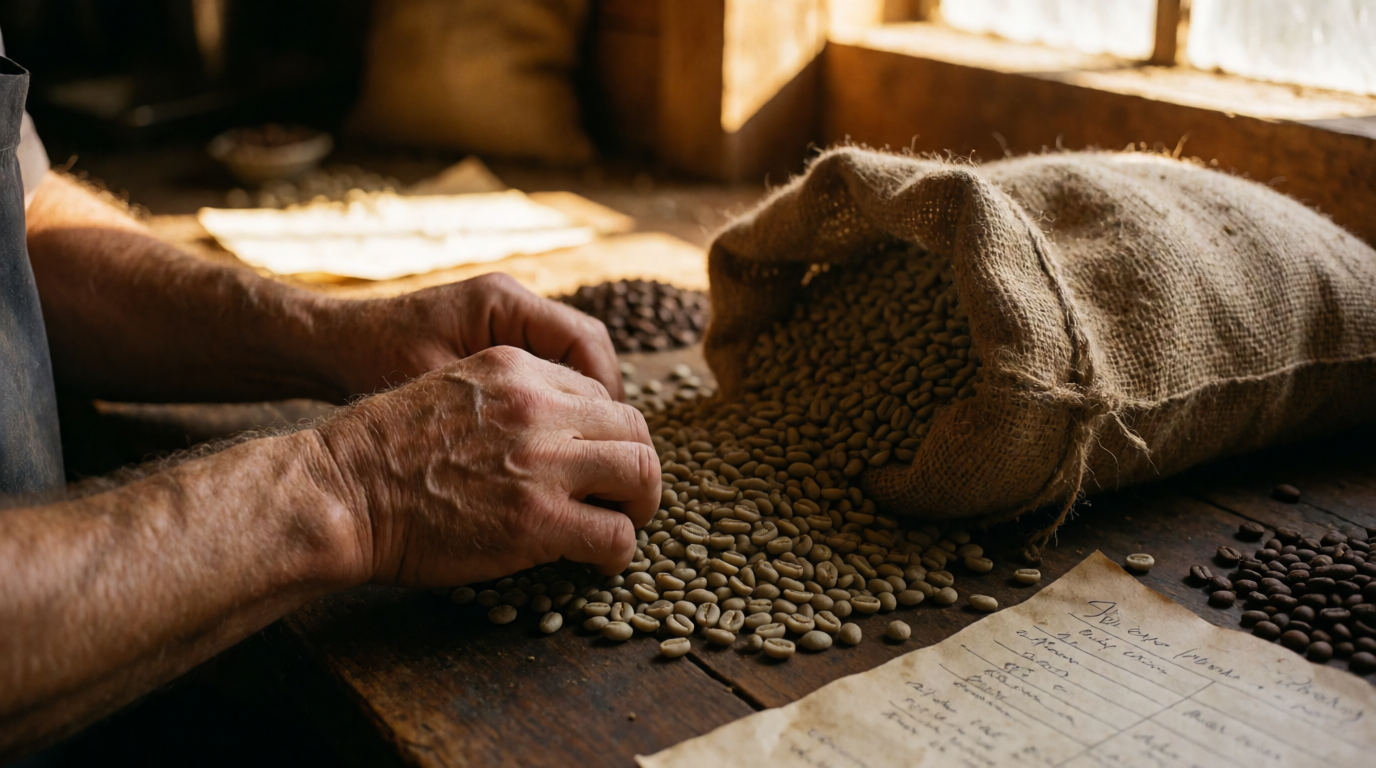
- Buy green beans and roast in-house – Requires a roaster and expertise. Cost per pound: $4–$6 green, plus $2–$3 in energy and labor. Total: $6–$9/lb.
- Buy roasted whole beans from a specialty roaster – Most popular. Cost: $12–$18/lb for single-origin, $8–$12/lb for blends.
- Use a managed coffee service (like Busy Bean Coffee) – Bundles beans, equipment, and maintenance. Cost: typically $0.30–$0.50 per cup, all-inclusive.
Step 3: Factor in Additional Costs
- Shipping: $5–$15 per order
- Storage: negligible if consumed within two weeks
- Waste: 10–20% if pre-ground; 2–5% if whole bean with proper storage
Step 4: Calculate Per-Cup Cost
Using option 2 (roasted beans) at $15/lb and 10g per cup: each pound yields about 45 cups. So bean cost per cup = $15 / 45 = $0.33. Add $0.05 for filter and water = $0.38 per cup. A managed service often includes equipment and maintenance, bringing the per-cup cost to $0.40–$0.50 but eliminating capital expenses.
💡
Key Takeaway
The per-cup cost of premium bean sourcing is typically $0.30–$0.50—comparable to or lower than what employees would spend at a cafe, while keeping them on-site and productive.
Comparison: Sourcing Options for Office Coffee
| Option | Pros | Cons | Best For |
|---|---|---|---|
| Green beans (roast yourself) | Lowest per-pound cost, full control | Requires roaster, skill, and time; batch consistency risk | Coffee enthusiasts with high volume |
| Roasted whole beans from roaster | Fresh, high quality, no equipment investment | Per-pound cost higher; variable pricing; you manage inventory | Small to medium offices (10–100 people) |
| Managed coffee service (e.g., Busy Bean Coffee) | All-inclusive: beans, equipment, maintenance, support; predictable monthly fee; no waste | Higher per-cup cost than buying beans alone; commitment | Offices of any size; want simplicity and consistency |
For offices seeking a hassle-free solution, Cost-Effective Business Coffee Services can provide predictable pricing and professional support.
Common Questions & Misconceptions About Premium Bean Sourcing
Myth #1: Premium sourcing always costs more per cup.
Truth: While the per-pound price is higher, waste is drastically lower. Cheap coffee often gets thrown out, raising the effective cost. Premium coffee that tastes good gets consumed, so the cost-per-cup-drunk is often the same or lower.
Myth #2: You need a large volume to get good prices.
Truth: Many roasters offer tiered discounts, but even small offices (10–20 people) can negotiate decent rates. Managed services like Busy Bean Coffee aggregate demand across many clients to offer competitive pricing regardless of volume.
Myth #3: Premium beans require expensive equipment.
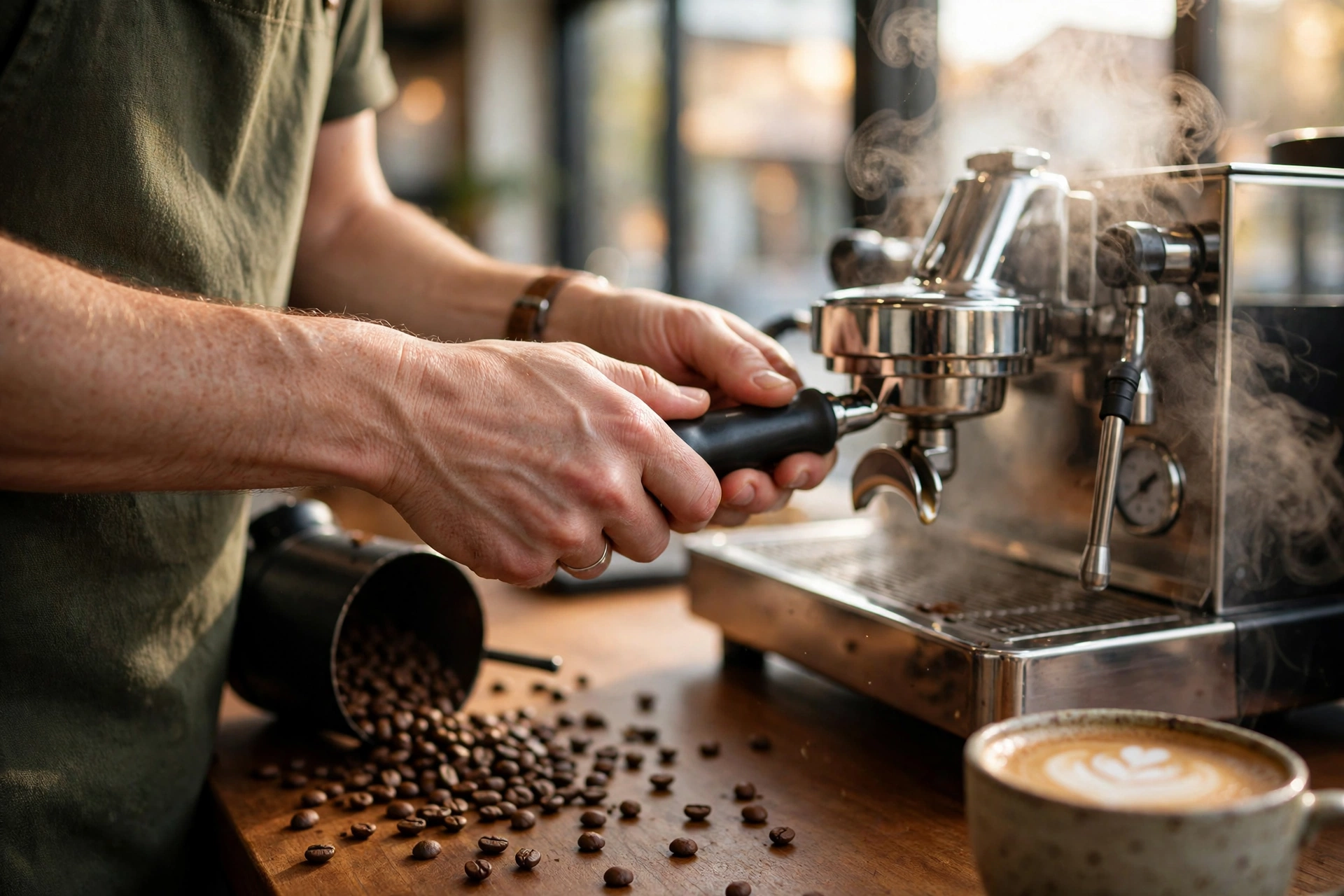
Truth: A quality grinder and batch brewer are sufficient. Freshness of the bean matters more than machine cost. In fact, buying a high-end espresso machine is unnecessary for most offices—batch brew delivers excellent results with premium beans.
Myth #4: All premium beans are the same.
Truth: Origin, roast date, and processing method greatly affect flavor and freshness. Roast date is critical—beans within 2–4 weeks of roasting taste best. Many roasters hide the roast date; avoid those.
For more on when to upgrade your bean supply, see When to Switch to Specialty Bean Supply.
Frequently Asked Questions
What is the average cost per pound for premium bean sourcing?
The average cost ranges from $8 to $18 per pound for roasted whole beans, depending on origin, roast profile, and whether you buy in bulk. Single-origin beans from distant regions (e.g., Ethiopia, Kenya) tend to be at the higher end, while Latin American blends can be more affordable. Green beans cost $4–$6 per pound, but you'll need to add roasting costs. Managed services often provide beans at wholesale rates as part of the package, so your per-pound cost may be lower when included in the subscription.
How much coffee does an office of 50 people consume per month?
On average, an office of 50 employees consumes about 30–35 pounds of coffee per month, assuming each person drinks one cup per day, using 10 grams per cup. This equates to roughly 1.5 pounds per day. However, consumption can vary based on shift hours, coffee breaks, and meeting schedules. It's wise to track usage for a couple of weeks to get accurate numbers before negotiating with suppliers.
Does premium bean sourcing include shipping costs?
Most roasters charge for shipping unless you order a minimum quantity (e.g., 20+ pounds). Shipping costs typically add $5–$15 per order. Some managed services include shipping in their monthly fee, which can save money if you would otherwise pay for frequent small deliveries. To minimize shipping, consider consolidating orders to once per month and storing beans properly in airtight containers away from light.
Can I negotiate prices with roasters?
Yes, especially if you commit to a regular volume or a monthly contract. Many local roasters are willing to offer a 10–20% discount to offices that order consistently. You can also ask for samples to test quality before buying large quantities. Managed services often have pre-negotiated rates with top roasters, so you may get better pricing through them than by going direct.
What's the cheapest way to get premium coffee for an office?
The cheapest per-cup approach is to buy green beans and roast in-house, but that requires significant time and equipment investment (a good roaster costs $500+). For most offices, the most cost-effective option is to buy roasted whole beans from a local roaster or use a managed coffee service like Busy Bean Coffee. Managed services eliminate upfront equipment costs and waste, often leading to lower total cost over a year. For a detailed comparison, read our Top Office Coffee Solutions for Modern Workplaces in 2026.
Summary & Next Steps
Premium bean sourcing for offices is a strategic investment that pays off in employee satisfaction and reduced waste. By understanding the cost breakdown and comparing options—green beans, roasted beans, or managed services—you can choose the model that fits your budget and quality goals. Remember that per-cup cost is the true metric, not per-pound price.
Ready to simplify your coffee program? Busy Bean Coffee offers all-inclusive managed coffee services with premium beans, state-of-the-art equipment, and full support—for one predictable monthly fee. Contact us today for a free consultation.
About the Author
Travis Estes is the founder of Busy Bean Coffee, a company dedicated to delivering premium coffee experiences to businesses across the U.S. With over a decade in the specialty coffee industry, Travis helps offices optimize their coffee programs for quality and cost efficiency.