📖This article is part of the complete guide to Ultimate Guide to Subscription Coffee Services for Businesses.
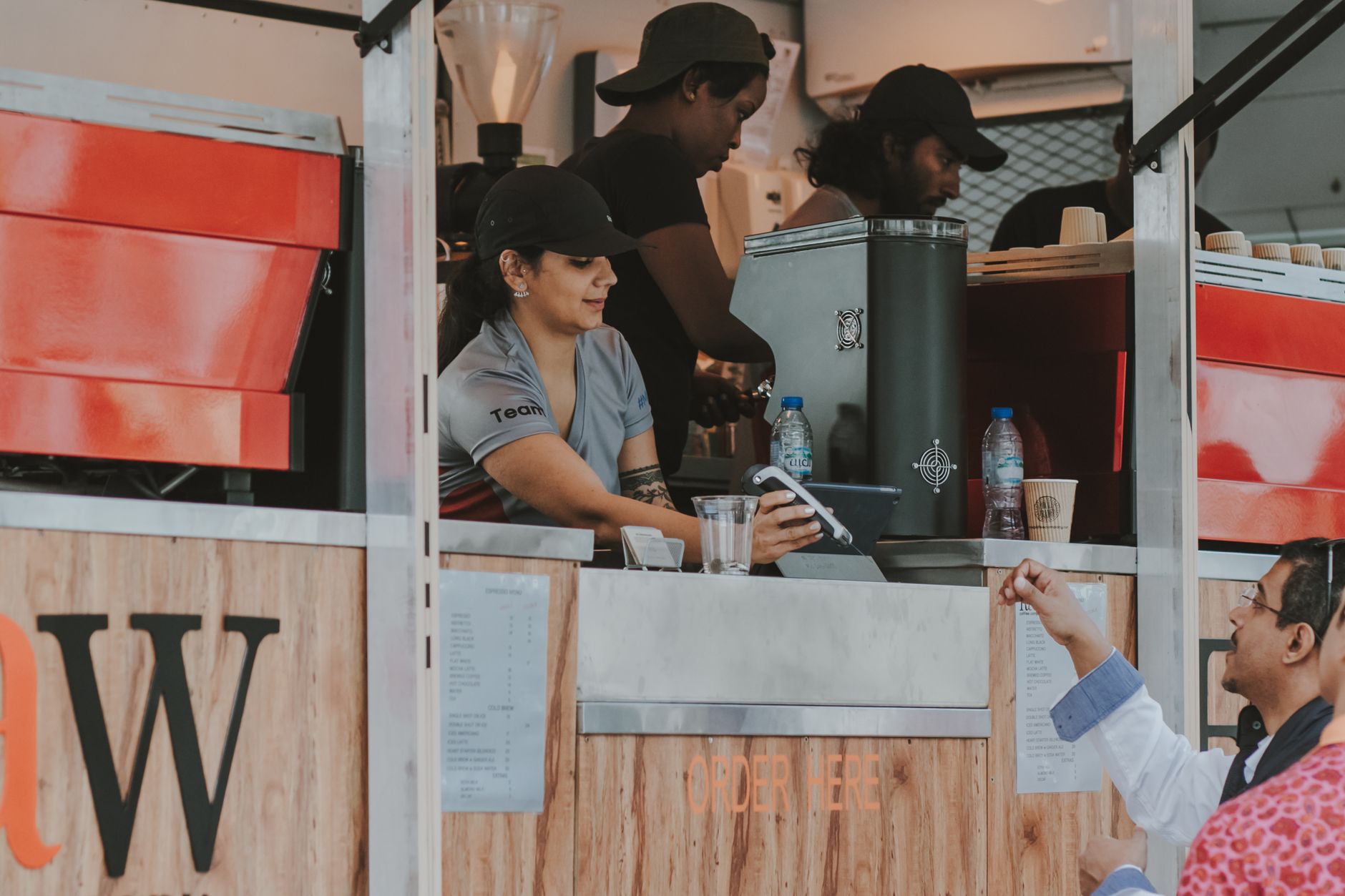
Operating a high-traffic beverage station isn't just about having a lot of coffee; it is about managing the friction of scale. In my experience working with high-volume hospitality sites, the difference between a profitable morning rush and a chaotic failure usually comes down to the reliability of the equipment and the consistency of the bean supply chain. When a machine goes down during a peak 7:00 AM window in a busy hotel or a large corporate hub, you aren't just losing a few cups of coffee; you are losing guest trust and employee productivity.
For a comprehensive overview of how to structure your beverage program, explore our Ultimate Guide to Subscription Coffee Services for Businesses.
What is a High Volume Coffee Service?
📚
Definition
A high volume coffee service is a professional beverage management model designed to handle the extraction of hundreds, or even thousands, of cups per day without a degradation in quality, temperature, or machine performance.
A high volume coffee service differs from a standard office setup by prioritizing throughput, thermal stability, and industrial-grade durability. While a small office might be satisfied with a pod machine or a basic drip brewer, a high-volume environment—such as a large medical plaza or a convention hotel—requires equipment that can maintain a consistent brew temperature across fifty consecutive pots of Coffea arabica without needing a reset.
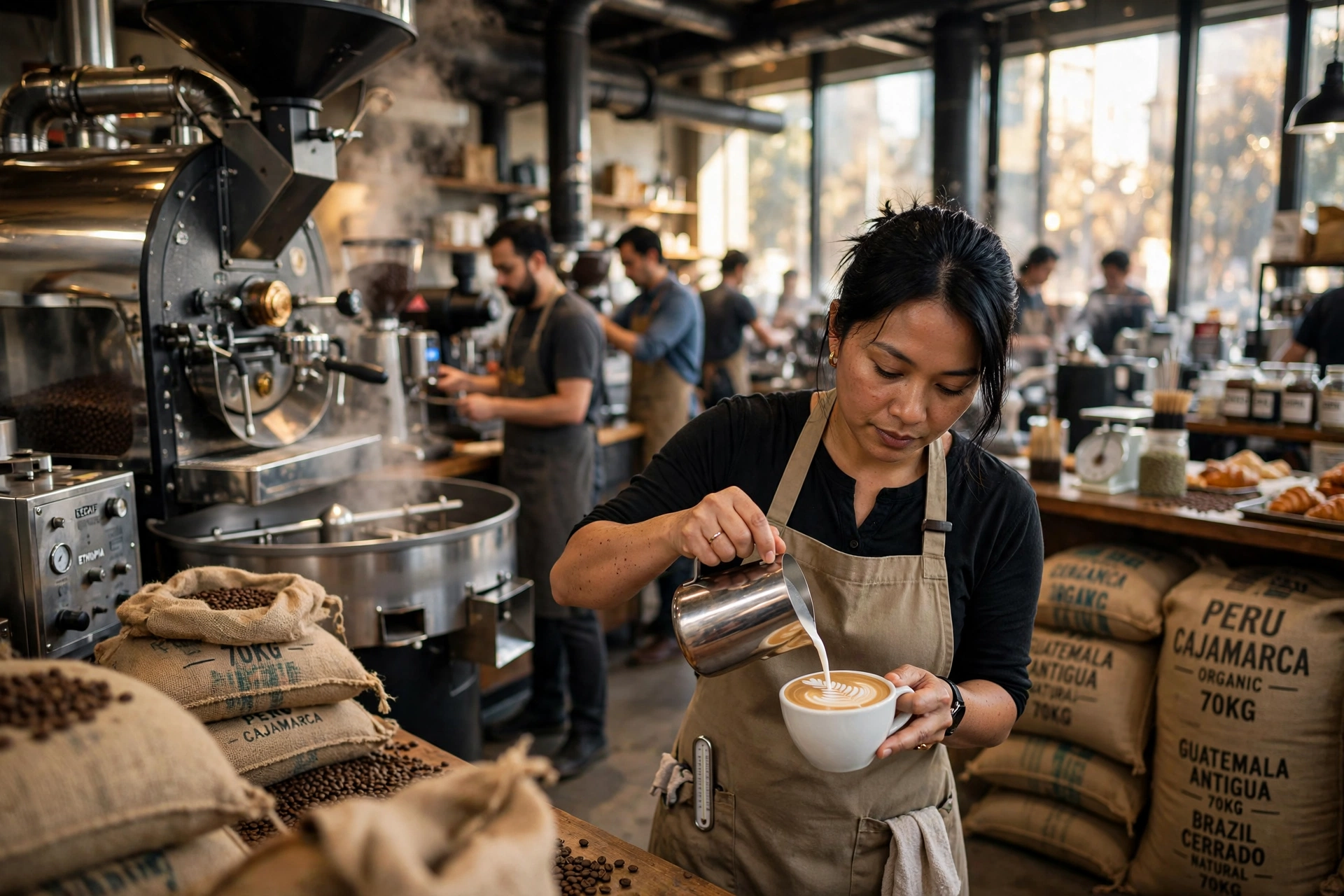
In the specialty coffee world, volume creates a paradox: the more you brew, the harder it is to maintain the nuanced flavor profiles of specialty coffee. This is why professional-grade solutions focus on precision. Whether it is an automated espresso machine or a high-capacity drip system, the goal is to remove the variable of human error while maximizing the speed of delivery. In my time as a Q-Grader, I've seen countless businesses try to scale using residential-grade equipment, only to find that the machines cannot handle the continuous heat cycles, leading to premature pump failure and burnt-tasting coffee.
Why Reliable High-Volume Solutions Matter for Your Business
Reliability in high-volume settings is not a luxury; it is a financial imperative. According to the National Coffee Association USA, coffee consumption patterns are shifting toward higher expectations for quality even in fast-paced environments. If your system cannot keep up with demand, you create bottlenecks that disrupt the entire flow of your business.
First, consider the impact of equipment downtime. In a high-volume scenario, a broken machine can result in hundreds of dollars of lost revenue per hour. When we implement managed solutions at Busy Bean Coffee, we focus on "predictable uptime." By utilizing a membership model, businesses shift the risk of equipment failure from their own balance sheet to the provider. This is especially critical for those managing Sensa Coffee Service in Charlotte, NC, where the fast pace of the city demands zero-latency service.
Second, consistency is the bedrock of brand loyalty. A customer who receives a perfectly balanced cup of specialty coffee at 8:00 AM expects the same quality at 11:00 AM. Thermal drift—where the water temperature fluctuates as the machine works harder—is the enemy of consistency. High-volume services utilize PID controllers and heavy-duty boilers to ensure every shot of espresso or pot of coffee remains within the ideal extraction window.
Finally, there is the labor component. A high-volume service reduces the burden on your staff. When the equipment is intuitive and the supply of coffee beans is automated via a subscription, your team spends less time troubleshooting machines and more time interacting with customers. This efficiency gain is a primary reason why Sensa Coffee Service in Raleigh NC (2026 Overview) has seen such rapid adoption among corporate campuses.
How to Implement a High-Volume Coffee Strategy
Implementing a high-volume system requires a shift from "buying a machine" to "managing a service." The core approach is to align your equipment capacity with your peak-hour demand while ensuring a failsafe supply chain for your beans.
Step 1: Conduct a Peak-Load Analysis
Do not average your daily coffee consumption. Instead, identify your "rush hour." If you serve 500 cups a day, but 300 of those occur between 7:30 AM and 9:30 AM, you need a system capable of producing 150 cups per hour. This involves calculating the "cycle time" of your equipment—how long it takes from the first button press to the final pour.
Step 2: Select Industrial-Grade Hardware
Avoid prosumer machines. You need equipment certified by NSF International to ensure it meets the sanitary and safety standards for continuous commercial use. The hardware must be capable of handling the mineral load of your local water supply, meaning high-capacity filtration is non-negotiable to prevent lime-scale buildup.
Step 3: Optimize the Bean Supply Chain
High-volume environments chew through inventory rapidly. A manual ordering process is a liability. By utilizing a subscription model, you ensure a steady flow of fresh, roasted beans. For those operating in the South, such as businesses using Sensa Coffee Service in Mount Pleasant SC - Complete Guide, the humidity can affect bean storage; therefore, airtight, professional-grade silos or frequent, smaller deliveries are essential to maintain freshness.
Step 4: Establish a Preventative Maintenance Schedule
In high-volume settings, "break-fix" is a failing strategy. You must move to a preventative model where gaskets are replaced and boilers are descaled on a fixed schedule. This is the primary advantage of the Busy Bean Coffee membership: we handle the maintenance before the machine fails, not after.
💡
Key Takeaway
Scaling coffee volume without scaling your maintenance and supply chain leads to a "performance cliff" where quality drops precipitously as demand increases.
High-Volume Coffee Service vs. Traditional Methods
Many businesses attempt to scale by simply adding more low-capacity machines. This is a mistake that leads to fragmented quality and higher labor costs. Below is a comparison of how different approaches handle high-volume demand.
| Feature | Traditional (Multiple Small Machines) | Generic Cheap AI/Auto-Brewers | Busy Bean Managed High-Volume Service |
|---|---|---|---|
| Consistency | Varies by machine/operator | High consistency, low quality | Precision-grade specialty quality |
| Maintenance | Fragmented and reactive | Basic, often requires replacement | Proactive, all-inclusive membership |
| Capital Outlay | High (Multiple purchases) | Medium (Lower quality hardware) | Zero (Monthly predictable fee) |
| Waste Level | High due to over-brewing | Medium (Fixed brew sizes) | Low (Optimized based on usage data) |
| Scalability | Difficult and cluttered | Easy but quality suffers | Seamless and professional |
As a Q-Grader, I often see businesses fall into the "Generic Auto-Brewer" trap. These machines provide volume and consistency, but they lack the ability to highlight the terroir of a high-quality coffee bean. They treat coffee as a commodity rather than a specialty product. A true high-volume service preserves the integrity of the roast while delivering the speed of a commercial operation.
Common Mistakes in High-Volume Coffee Management
One of the most frequent errors I encounter is the failure to account for water chemistry. In high-volume settings, water is the most used ingredient. If you are not using a commercial-grade reverse osmosis or multi-stage filtration system, you are essentially inviting mineral deposits to destroy your heating elements. I once consulted for a facility in Sensa Coffee Service in Charleston SC - Complete Guide where they were replacing boilers every six months simply because they ignored their water filtration schedule.
Another common mistake is "over-buying' capacity. Businesses often purchase the largest machine available, which leads to the coffee sitting in a thermal carafe for too long. This results in oxidation and a bitter taste. The goal should be a "just-in-time" brew cycle. High-volume service isn't about making 10 gallons of coffee at once; it's about making 10 batches of high-quality coffee exactly when they are needed.
Lastly, many businesses ignore staff training. Even the most advanced espresso machine requires a basic understanding of dial-in procedures. If your baristas are not trained to adjust the grind size based on the humidity of the day, your high-volume service will produce inconsistent results. This is why we integrate professional training into our managed solutions, ensuring that the human element matches the hardware's capability.
For those managing niche environments, such as Hotel Coffee Subscription Services or Clinic Coffee Subscriptions, these mistakes are amplified because the clientele has a very low tolerance for poor-quality coffee or slow service.
Frequently Asked Questions
How do I determine if my business needs a high-volume service?
If your current equipment requires constant refills during peak hours, or if you find yourself brewing multiple pots simultaneously to keep up with demand, you have outgrown a standard setup. A key indicator is the "queue length" at your coffee station. If customers or employees are waiting more than three minutes for a brew, your throughput is insufficient. High-volume services are designed for environments where the demand is continuous and the cost of downtime is high, such as large corporate offices, hotels, or medical centers.
Does high volume always mean a loss in coffee quality?
Not if you use the right technology. The myth that "volume equals bad coffee" stems from the use of industrial percolators and low-grade beans. However, by using precision-controlled brewers and specialty coffee beans, you can maintain the high standards of a boutique cafe at a massive scale. The secret lies in thermal stability and the use of high-quality Coffea arabica beans that are roasted specifically to withstand the larger brew volumes without losing their flavor profile.
What is the ROI of a managed high-volume coffee membership?
The ROI is calculated through three primary channels: the elimination of capital expenditure (CAPEX), the reduction of labor hours spent on machine maintenance, and the prevention of revenue loss during downtime. According to the Specialty Coffee Association (SCA), professional-grade equipment maintained on a strict schedule lasts 30-50% longer than neglected machines. By shifting to a monthly predictable fee, you convert a volatile expense into a stable operational cost while ensuring your service never stops.
How does water filtration impact high-volume reliability?
Water is the primary solvent in coffee, and in high-volume settings, the sheer amount of water passing through the machine accelerates mineral buildup. This buildup acts as an insulator on heating elements, forcing the machine to work harder and eventually burn out. Professional high-volume services include industrial filtration that removes scale-forming minerals while leaving the essential minerals required for taste. Without this, even the most expensive machine in the world will fail prematurely.
Can I switch to a high-volume service without disrupting my current operations?
Yes, provided the transition is managed. A professional implementation involves a "parallel run" where the new high-volume system is installed and tested alongside the old one before a full cut-over. This ensures that your staff is trained and the supply chain for beans is active before you remove your old equipment. This seamless transition is a hallmark of our approach at Busy Bean Coffee, ensuring your guests never experience a single minute without a fresh cup of coffee.
Conclusion
Scaling your coffee operation is a delicate balance between industrial efficiency and artisanal quality. When you move into the realm of high-volume service, the focus shifts from the act of brewing to the system of delivery. By prioritizing reliability, thermal stability, and a managed supply chain, you transform your coffee station from a potential bottleneck into a high-performing asset that enhances the experience of every person who walks through your doors.
Whether you are operating in a bustling city center or managing a quiet retreat, the goal remains the same: consistent, specialty-grade coffee delivered at speed. Avoiding the pitfalls of residential-grade hardware and reactive maintenance is the only way to ensure your business thrives in 2026.
If you are ready to eliminate the stress of equipment failure and inconsistent quality, we invite you to explore the full spectrum of our offerings in our Ultimate Guide to Subscription Coffee Services for Businesses. Stop managing machines and start managing your business with a partner who understands the science of scale.
Visit www.busybeancoffee.com to learn more about our all-inclusive managed coffee memberships.
Free Coffee Pairing Guide & Specialty Roast Cheat Sheet
Unlock the secrets of perfect brewing ratios, water temperatures, and specialty roast profiles. Download the guide.