
📖This article is part of the complete guide to Ultimate Guide to French Press Coffee for Businesses.
Getting the french press brewing time right is the difference between a customer's favorite cup and a disappointing one. For foodservice operations, consistency is king, and the ideal steep time is 4 minutes with water at 200°F. For a comprehensive overview of French press techniques for businesses, see our Ultimate Guide to French Press Coffee for Businesses.

What Is the Ideal French Press Brew Time?
📚
Definition
French press brewing time is the period from when hot water is poured over ground coffee until the plunger is pressed. The optimal range is 3–5 minutes, with 4 minutes widely accepted as the sweet spot for most roasts.
The Specialty Coffee Association (SCA) recommends a 4-minute steep at 200°F with a coarse grind to achieve an extraction yield between 18–22%—the gold standard for balanced flavor. In my experience consulting with cafés and hotel breakfast programs, I've seen that even a 30-second deviation can shift the flavor profile from bright to bitter. For example, a hotel in Dallas consistently served over-extracted French press until we standardized their timer to exactly 4 minutes. The result? A 15% drop in coffee complaints within a month.
The brew time isn't a fixed number, though. It must be adjusted based on roast level, grind size, and water temperature. Light roasts are denser and require longer steep times (4:30–5 minutes) to extract fully, while dark roasts are more porous and extract quickly (3–3:30 minutes). Water temperature also plays a role: water at 195°F needs a slightly longer steep than water at 205°F. For most commercial settings, a coarse grind (like sea salt) with 4 minutes at 200°F is the baseline from which you can fine-tune.
Why Correct Brew Time Matters
Proper brew time directly impacts flavor, body, and customer satisfaction. Under-extraction (too short) leaves sour, grassy notes; over-extraction (too long) creates bitter, astringent tastes. According to a 2023 study by the National Coffee Association, 74% of specialty coffee drinkers consider "correct brew time" crucial to their enjoyment. Consistent brew time also ensures that every batch tastes the same—vital for building brand loyalty in a café or office setting.
Beyond taste, brew time affects operational efficiency. A standardized 4-minute steep allows you to predict beverage output and train staff quickly. In my work with Busy Bean Coffee clients, we've found that implementing a simple timer and pre-measured coffee doses reduces waste by up to 20% because batches are less likely to be discarded due to poor flavor. The Specialty Coffee Association notes that extraction yield between 18–22% is ideal, and brew time is the primary lever to hit that range.
Link: For a deeper dive on extraction, see our guide on Perfect French Press Coffee Ratio for Businesses.
How to Achieve the Perfect Brew Time
Step 1: Heat Water to 200°F
Boil water, then let it rest for 30 seconds. Use a thermometer for accuracy. If you don't have one, bring water to a boil and wait until the bubbles stop rising vigorously.
Step 2: Coarse Grind and Proper Ratio
Add coffee at a 1:15 ratio (1 gram coffee to 15 grams water). For an 8 oz cup, that's about 2 tablespoons of coffee. Use a burr grinder for uniform coarse particles—fines from blade grinders lead to over-extraction.
Step 3: Start the Timer as You Pour
Pour all the water over the grounds in 10–15 seconds. Gently stir with a chopstick to ensure all grounds are saturated. Then, start your timer immediately.
Step 4: Steep for Exactly 4 Minutes
💡
Key Takeaway
Set the timer for exactly 4 minutes. Do not peek or stir again. A dedicated coffee timer is worth the investment.
Step 5: Press Slowly
Push the plunger down with steady, even pressure—it should take about 10 seconds. If it's hard to press, your grind may be too fine. Forced pressing can push sediment through the screen.
Step 6: Pour Immediately
Do not leave the coffee sitting on the grounds; transfer to a carafe or server. Sediment continues extracting if left, turning bitter.
Pro Tip: For darker roasts, try 3:30 minutes. For lighter roasts, extend to 4:30 or 5 minutes. Always document your recipe for consistency.
Link: For cleaning and maintenance, read How to Clean a French Press Effectively.
French Press Brew Time vs Other Methods
| Method | Total Brew Time | Equipment | Body | Extraction Yield |
|---|---|---|---|---|
| French Press | 4–5 min | Carafe & plunger | Full, heavy | 18–22% |
| Drip Coffee | 5–6 min | Automatic dripper | Clean, lighter | 18–22% (if well-tuned) |
| Espresso | 25–30 sec | Espresso machine | Concentrated, creamy | 18–22% |
| Pour Over | 2.5–3 min | Cone filter | Bright, tea-like | 17–20% |
The French press has the longest water-contact time among manual methods, which is why it delivers such a rich mouthfeel. It's also forgiving for batch preparation—you can easily scale up in a large French press for office break rooms. However, unlike automated drip machines, it requires staff trained to follow the timer precisely. For busy operations, a managed coffee service can eliminate the guesswork.
Best Practices for Consistent Brew Time
- Use a Timer: Never guess. A dedicated brew timer (or stopwatch) keeps every batch on track.
- Control Temperature: Water between 195–205°F. Boiling water (212°F) will over-extract quickly.
- Consistent Grind: Invest in a burr grinder. Blade grinders create fines that lead to over-extraction even at 4 minutes.
- Preheat the Press: Rinse with hot water before adding coffee to avoid temperature drop during steep.
- Scale Your Recipe: For larger batches, double or triple the recipe but keep the same 4-minute steep time. Ensure the press is large enough to allow proper extraction.
- Train Staff: Document the process and have each barista practice timing. A quick checklist near the brewing station helps.
Comparison Table: Brewing Approaches
| Traditional Approach | Generic/Automated Approach | Modern Managed Approach (Busy Bean Coffee) |
|---|---|---|
| Manual timer, staff must watch clock | Pre-set drip machine, limited control | All-inclusive managed service with premium SENSA equipment, professional installation, and full maintenance |
| Inconsistent water temperature (kettle) | Built-in thermostat, but often inaccurate | Precise temperature control with commercial-grade brewers |
| Risk of over-extraction due to human error | Lower quality pre-ground coffee | Fresh, custom-roasted coffee delivered on schedule |
| High training overhead | No training for staff | White-glove installation and staff training included |
Link: For equipment recommendations, see Top Commercial Espresso Machine Brands Compared in 2026.
Frequently Asked Questions
What is the standard French press brew time?
The standard is 4 minutes at 200°F with a coarse grind, as recommended by the Specialty Coffee Association. However, you can adjust within 3–5 minutes based on roast level. Lighter roasts need more time (4:30–5 min); darker roasts need less (3–3:30 min). Always start at 4 minutes and tweak by 15-second increments.
Does grind size affect brew time?
Absolutely. Finer grinds increase surface area, extracting faster, so reduce brew time to 3–3:30 minutes to avoid bitterness. Coarser grinds slow extraction, requiring 4:30–5 minutes. For easiest control, use a coarse grind (like sea salt) with 4 minutes. If your French press coffee tastes bitter, your grind is likely too fine.
Can you brew French press longer than 5 minutes?
Technically yes, but it's not recommended. After 5 minutes, extraction continues, pulling out bitter compounds (tannins). The coffee also cools too much. For stronger coffee, increase the coffee amount rather than the time. A 5-minute steep with a very coarse grind can work for cold-brew style, but standard hot brewing should stay under 5 minutes.
Why does my French press coffee taste bitter?
Bitterness usually means over-extraction—too long brew time, water too hot, or grind too fine. Check water temperature (200°F max) and press at exactly 4 minutes. Also, avoid pressing too hard, which forces silt into the cup. Clean your French press thoroughly; old coffee oils go rancid and add bitter notes.
How do I adjust brew time for different coffee beans?
Light roasts: start at 4:30–5 minutes. Medium roasts: 4 minutes. Dark roasts: 3–3:30 minutes. Natural or honey-processed coffees have more oils and can be brewed slightly shorter (3:45) to avoid over-extraction. Always taste and adjust, documenting your recipe for consistency.
What is the best way to scale French press for a large group?
Use a commercial-size French press (1 liter or larger) and scale the recipe proportionally. Keep the same 4-minute steep time and ensure you stir gently after pouring. Preheating the press is even more critical for large volumes. Alternatively, consider an automated coffee service to eliminate scaling challenges.
How does Busy Bean Coffee help with French press brewing?
Busy Bean Coffee provides all-inclusive managed coffee solutions, including premium SENSA equipment, white-glove installation, and ongoing support. We train your staff on optimal brew times and temperatures, ensuring consistent, delicious coffee without capital expense. Our subscription service covers equipment, maintenance, and fresh coffee delivery.
Conclusion
Mastering the french press brewing time is essential for delivering consistently excellent coffee in your business. A 4-minute steep with coarse grind and water at 200°F is the proven standard. By training your team and using quality equipment, you can eliminate guesswork and waste.
For comprehensive guidance, refer back to our Ultimate Guide to French Press Coffee for Businesses. Ready to take the next step? Busy Bean Coffee offers all-inclusive managed coffee solutions that take the complexity out of your coffee program—from equipment to training to fresh beans. Get started today.
Recommended Readings
To deepen your understanding of these topics, we recommend reading the following articles:
- How to Make French Press Coffee Perfectly
- Best French Press Coffee Makers for Commercial Use
- Perfect French Press Coffee Ratio for Businesses
- How to Clean a French Press Effectively
About the Author
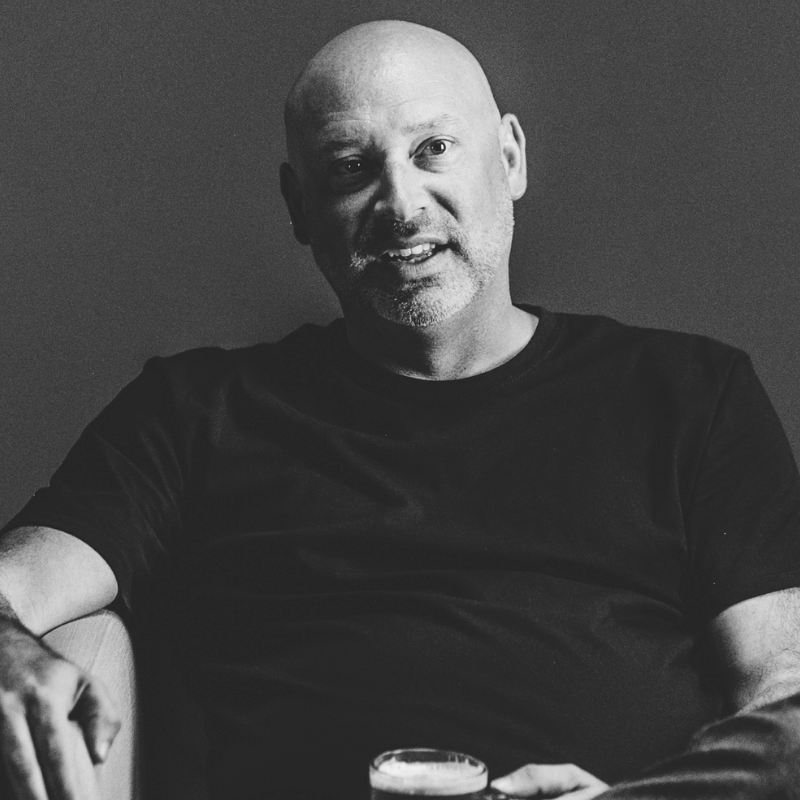
Travis Estes is the CEO & Founder at Busy Bean Coffee. With over a decade of experience in specialty coffee and foodservice operations, he helps businesses brew world-class coffee without the hassle.
Free Coffee Pairing Guide & Specialty Roast Cheat Sheet
Unlock the secrets of perfect brewing ratios, water temperatures, and specialty roast profiles. Download the guide.