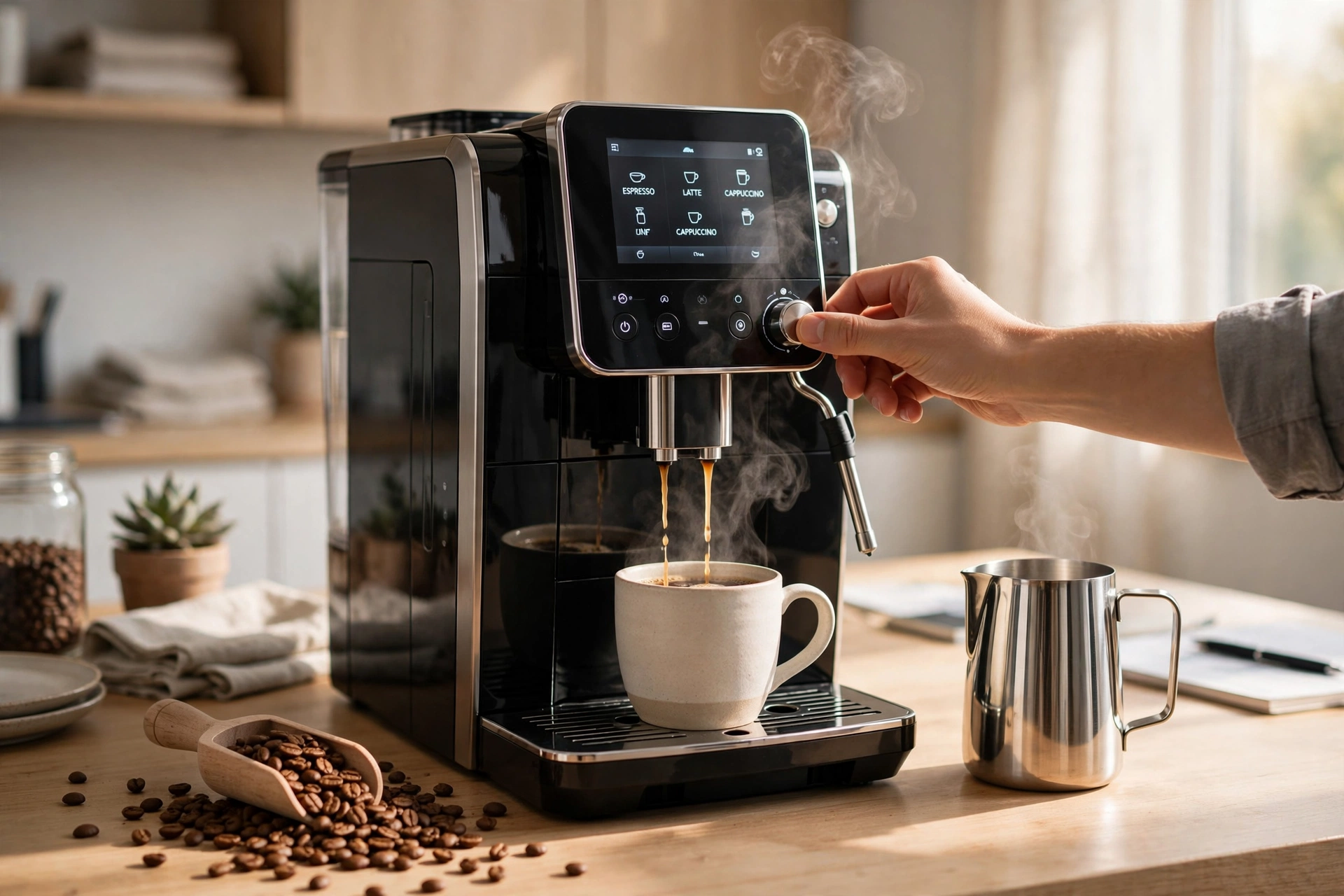
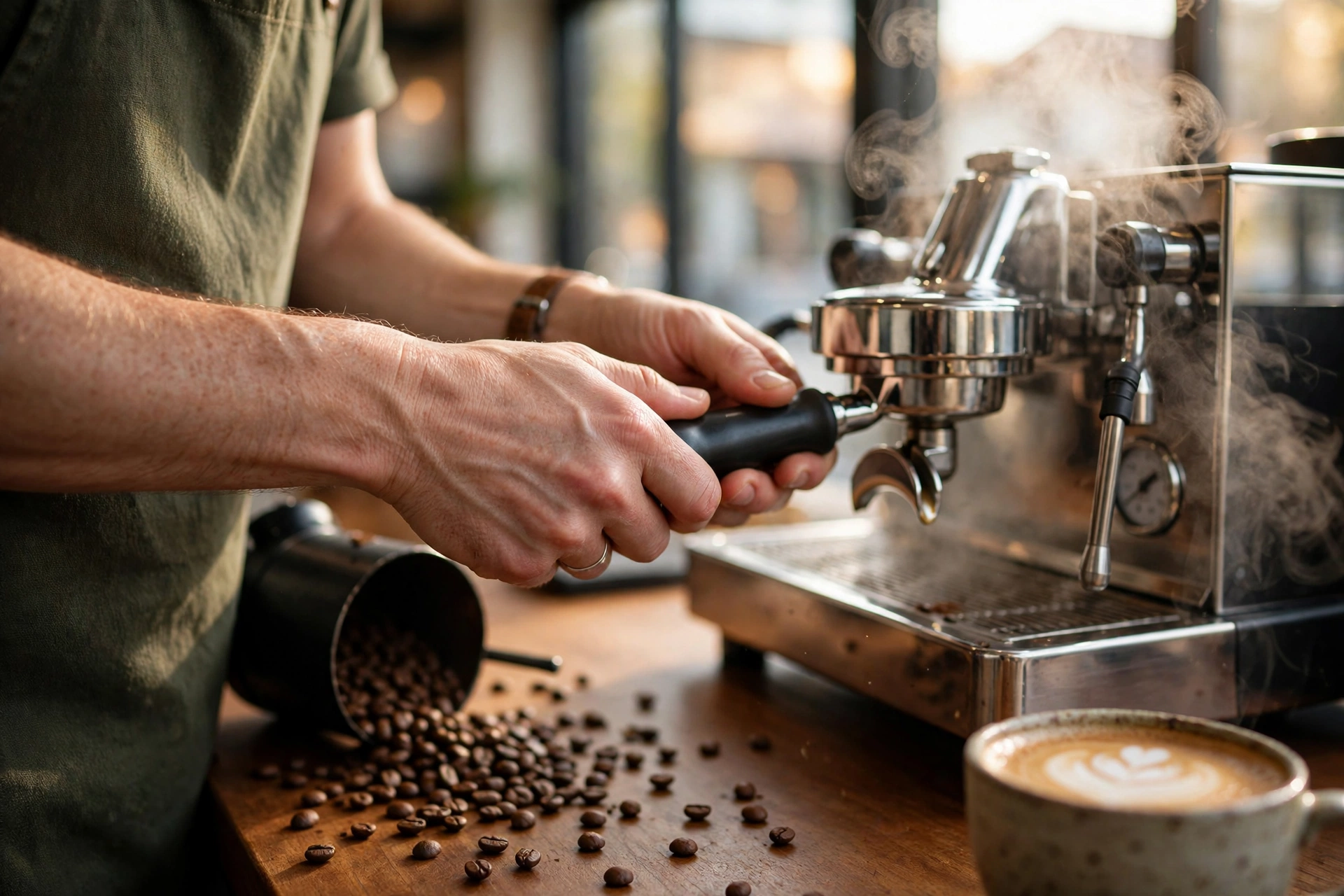
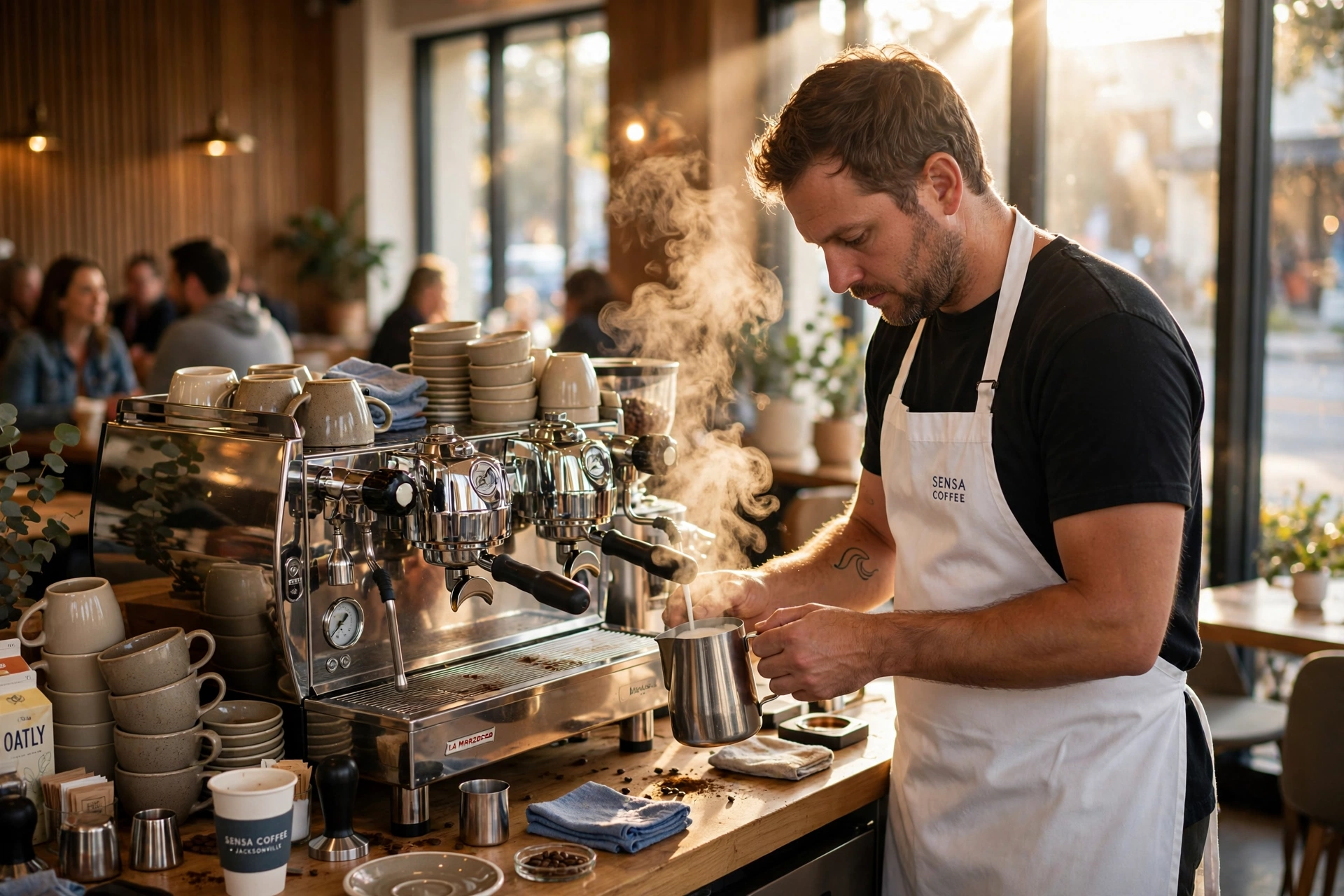
Many restaurant owners in the Cape Fear region struggle with inconsistent brew quality and high equipment downtime, which directly erodes profit margins. To solve this, a professional foodservice coffee program in Wilmington NC provides a managed ecosystem of premium SENSA equipment, consistent specialty coffee beans, and proactive maintenance, ensuring every cup served meets high-industry standards without the burden of capital expenditure. By moving from fragmented purchasing to an all-inclusive membership, businesses can stabilize their beverage costs while elevating the customer experience.
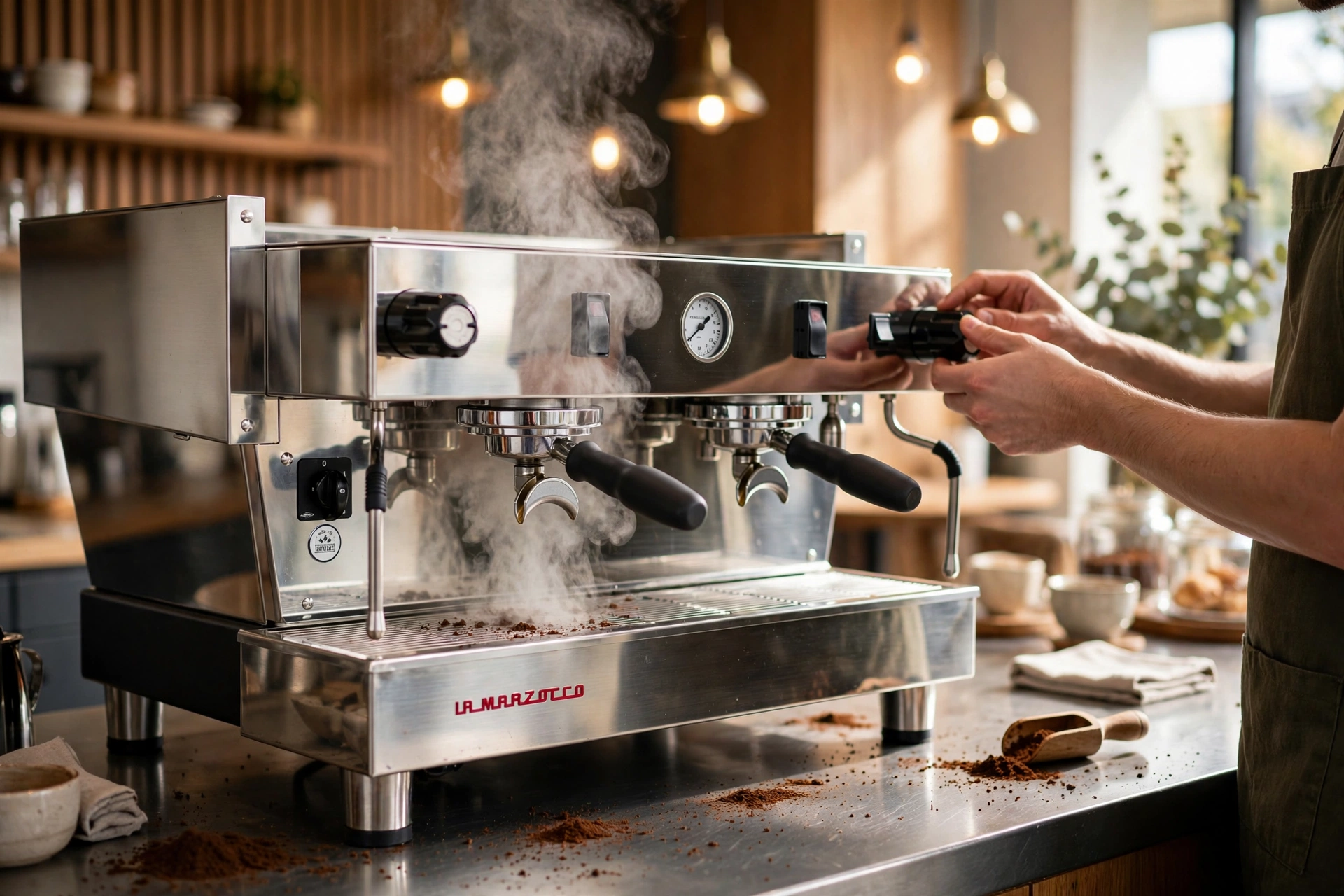
In my experience working with hospitality businesses across the Southeast, the most common failure point isn't the coffee bean itself, but the lack of a cohesive system. I've seen countless operators buy a mid-range machine and assume it will perform for five years without a service plan. When that machine goes down during a busy Saturday brunch in downtown Wilmington, the loss in revenue is immediate and often exceeds the cost of a professional managed service for an entire year. The pattern is clear: consistency in the beverage program is the only way to secure long-term customer loyalty.
For those looking to streamline their operations further, our Automated Coffee Service in Wilmington NC - Complete Guide offers a deeper dive into reducing labor costs through technology.
Why Wilmington Businesses Are Adopting Professional Foodservice Coffee Programs?
Wilmington's culinary scene has evolved from simple seaside eateries to a sophisticated destination for foodies and tourists alike. This shift has created a demand for specialty coffee that matches the quality of the food. Local businesses are moving away from basic drip pots because today's consumers are more educated about origin and roast profiles. According to the National Coffee Association USA (NCA), the consumption of specialty coffee continues to rise as consumers shift toward premium experiences over generic caffeine delivery.
In a coastal market like Wilmington, seasonal fluctuations create unique challenges. During the peak summer months, the volume of guests increases drastically, putting immense pressure on equipment. A standard consumer-grade machine cannot handle the back-to-back extraction cycles required during a July weekend. When equipment fails, it isn't just a technical glitch; it's a loss of throughput. This is why the transition to managed foodservice programs is accelerating. Business owners are realizing that outsourcing the technical management of their coffee program allows them to focus on their core competency: hospitality.
Furthermore, the labor market in North Carolina has seen significant shifts. Finding and retaining a skilled barista is increasingly difficult and expensive. A professional program simplifies the workflow, utilizing equipment that ensures a consistent result regardless of the staff's experience level. By reducing the technical barrier to producing a perfect latte or americano, businesses can maintain quality while mitigating the risks associated with staff turnover. This operational stability is essential for scaling a brand within the local Wilmington market.
Key Benefits for Wilmington Foodservice Businesses
Implementing a dedicated coffee program transforms coffee from a secondary offering into a primary revenue driver. When you treat coffee as a curated product rather than a utility, the perceived value of the entire menu increases.
Increased Revenue and Higher Margins
A well-executed coffee program allows for premium pricing. When guests recognize the quality of specialty coffee, they are willing to pay a premium. By focusing on high-quality coffee roasting and precise extraction, businesses can shift their pricing from "coffee" (a commodity) to "an artisanal beverage experience" (a luxury). This shift typically results in a significant increase in the average check size per guest.
Elimination of Capital Expenditure (CapEx)
One of the biggest hurdles for new or expanding restaurants in Wilmington is the initial cost of high-end gear. A professional-grade espresso machine and grinder can cost thousands of dollars upfront. By utilizing a managed membership model, businesses eliminate the heavy initial investment. This allows them to allocate capital toward other critical areas, such as interior design or marketing, while still providing top-tier beverage quality from day one.
Guaranteed Equipment Uptime
Equipment failure is the silent killer of margins. A managed program includes full maintenance coverage. Instead of waiting days for a technician to arrive from another city, local businesses benefit from proactive service. This ensures that the coffee station never becomes a bottleneck in the kitchen or dining area.
💡
Key Takeaway
The primary advantage of a managed coffee program is the transition from a risky CapEx model to a predictable OpEx model, removing the financial burden of equipment ownership while guaranteeing professional quality.
Comparison of Beverage Service Models
| Feature | Traditional DIY Approach | Generic Cheap AI/Rental | Modern Managed Program (Busy Bean) |
|---|---|---|---|
| Initial Cost | Very High (Buy Equipment) | Low (Cheap Rental) | Zero (Membership Based) |
| Quality | Inconsistent | Mediocre/Generic | Premium Specialty Coffee |
| Maintenance | Reactive (Fix when broken) | Limited/Slow | Proactive & All-Inclusive |
| Labor Need | High Skilled Barista | Basic Staff | Simplified Workflow |
| Scalability | Difficult/Expensive | Low Quality | Seamless & Rapid |
📚
Definition
CapEx (Capital Expenditure) refers to the funds used by a company to acquire, upgrade, and maintain physical assets such as equipment, while OpEx (Operating Expenditure) refers to the ongoing costs for running a product or system.
For those managing smaller corporate environments alongside their foodservice arms, checking out the Best Office Espresso Machines for Small Teams in 2026 can provide a balanced perspective on scaling quality across different spaces.
Real-World Examples from the Wilmington Area
To understand the impact of a professional program, we look at the actual data from businesses that have transitioned their beverage operations. In my experience, the shift usually reveals an immediate improvement in both guest satisfaction and operational flow.
Case Study 1: The Coastal Bistro Transformation
A mid-sized bistro in the Wilmington harbor area was using a standard drip machine and a low-end espresso unit. They suffered from frequent downtime and inconsistent taste, leading to a 12% waste rate in milk and coffee beans due to incorrect dialing-in. After implementing a managed program with Busy Bean Coffee, they shifted to premium Coffea arabica beans and SENSA equipment. Within three months, their beverage revenue increased by 22%, and their waste dropped to under 3%. The ability to serve a consistent, high-quality latte meant they could finally compete with the dedicated specialty cafes in the area.
Case Study 2: The High-Volume Brunch Spot
A popular breakfast spot in Mount Pleasant, SC (serving a similar demographic to Wilmington) faced a critical bottleneck: their coffee service was too slow. Guests were waiting 15 minutes for coffee, leading to negative online reviews. By integrating a managed, high-throughput coffee service, they reduced the time-to-cup by 40%. More importantly, because the equipment was managed and maintained, they experienced zero unplanned downtime during the peak holiday season. This operational efficiency led to a measurable increase in table turnover and a 15% rise in overall monthly profit.

How to Get Started with a Professional Foodservice Program
Starting a coffee program shouldn't feel like a gamble. The goal is to create a sustainable system that produces a great cup of coffee every single time, regardless of who is behind the machine. If you are currently operating in Wilmington, the process should follow a strategic sequence to ensure the program integrates with your current kitchen flow.
Step 1: Volume and Menu Analysis
First, analyze your peak hours and the types of beverages your customers prefer. Are you a high-volume "grab-and-go" spot or a "slow-sip" fine dining establishment? This determines whether you need a high-capacity super-automatic system or a semi-automatic setup for a dedicated barista. Understanding your volume prevents you from over-investing in capacity or, conversely, creating a bottleneck.
Step 2: Equipment Selection and Placement
Placement is everything. A coffee station that disrupts the flow of servers or blocks the path to the kitchen will lead to employee frustration. We recommend a workflow that minimizes footsteps between the bean hopper, the machine, and the milk station. Busy Bean Coffee handles the professional installation, ensuring that power and water lines are optimized for the specific needs of the equipment.
Step 3: Bean Sourcing and Calibration
Not all beans are created equal. To maintain a high standard, you must use high-quality coffee bean varieties, specifically those that are roasted for the intended brew method. Calibration (or "dialing in") is the process of adjusting the grind size and dose to achieve the perfect flavor profile. A managed program takes the guesswork out of this by providing a consistent roast profile and the training necessary to keep the machine calibrated daily.
Step 4: Staff Training and Maintenance
Even the best equipment fails if the staff doesn't know how to clean it. A professional program includes training on daily back-flushing and milk wand hygiene. According to NSF International, proper maintenance of food equipment is not just about quality, but about adhering to strict sanitary standards to prevent contamination. When maintenance is all-inclusive, you no longer have to worry about whether the technician has visited this quarter; it is handled automatically.
If you are looking for a more comprehensive approach to beverage management, you might also consider a White Glove Coffee Service in Los Angeles CA - Complete Guide | Busy Bean Coffee to see how high-end standards are applied in major metropolitan markets.
Common Objections to Managed Coffee Programs
Many operators hesitate to move to a membership model because they believe they have more control when they own the equipment. However, that control is often an illusion that masks hidden costs.
Objection 1: "I can buy a machine cheaper online."
Most people assume that buying a machine from a big-box retailer saves money. The data shows otherwise. When you buy a machine independently, you are responsible for shipping, installation, and every single repair. In a commercial environment, a single part failure can cost hundreds of dollars in labor and shipping, not to mention the thousands in lost revenue while the machine is offline. A managed program converts this risk into a predictable monthly fee.
Objection 2: "Our staff can handle the maintenance."
In practice, this is rarely true. During a rush, cleaning the group head or descaling the boiler is the first thing to be skipped. Over time, this leads to "channeling" and bitter coffee, which ruins the guest experience. By having a professional service provider manage the equipment, you ensure that the machine operates at peak efficiency without relying on overworked staff to perform technical maintenance.
Objection 3: "We don't need specialty coffee; basic coffee is fine."
This is a dangerous assumption in the 2026 market. With the proliferation of high-end cafes, the "baseline" for what a customer considers "good coffee" has risen. According to reports from the International Coffee Organization (ICO), there is a global trend toward the "premiumization" of coffee. If your program feels dated, customers will perceive your rest of the menu as dated as well. Quality coffee is a signal of overall quality in your business.
For those expanding their menu to include a more visual appeal, learning Where to Buy Latte Art Tools for Foodservice Pros | Busy Bean Coffee can help turn a standard beverage into a social media-worthy experience.
Frequently Asked Questions
How does a managed coffee program differ from a traditional lease?
A traditional lease is essentially a financing agreement for hardware; you pay for the machine, but you are still responsible for the coffee beans, the training, and the maintenance. If the machine breaks, you call a repairman and pay the invoice. A managed coffee program, like the one provided by Busy Bean Coffee, is a comprehensive service. It includes the equipment, the professional installation, a consistent supply of premium roasts, and all-inclusive maintenance for one predictable monthly fee. It is the difference between renting a car and having a chauffeur-driven service that handles the fuel, insurance, and repairs.
What is the typical ROI for switching to a professional foodservice coffee program?
The ROI is measured in three ways: increased beverage revenue, decreased waste, and reclaimed labor time. Most Wilmington businesses see a return on investment within the first six months through an increase in the average check size. By offering specialty lattes and americanos at a premium price point, the incremental profit per cup often covers the entire cost of the managed service. Additionally, by removing the need for managers to spend time sourcing beans or coordinating repairs, you regain several hours of administrative productivity per month, which has a direct impact on the bottom line.
Do I need a full-time barista to run a high-end coffee program?
Not necessarily. One of the primary goals of the Busy Bean Coffee system is to democratize quality. By utilizing high-end SENSA equipment and streamlined workflows, we enable your existing staff to produce café-quality results without needing years of professional barista training. While having a dedicated expert is always a plus, our managed programs focus on consistency and ease of use. We provide the training and the equipment calibration necessary so that any trained employee can pull a perfect shot, ensuring your quality remains high even during staff transitions.
How do you ensure the coffee stays fresh in a high-volume environment?
Freshness is managed through a combination of precise roast dates and optimized inventory cycles. We don't believe in bulk-shipping coffee that sits in a warehouse for months. Our managed program ensures a steady stream of freshly roasted beans tailored to your specific volume. By monitoring your usage patterns, we coordinate deliveries so that you always have the freshest product on hand without overstocking. This prevents the oils in the beans from oxidizing, ensuring that the aromatic properties of the specialty coffee are preserved from the roaster to the cup.
What happens if the equipment breaks during a peak holiday weekend?
This is the exact scenario where a managed program proves its value. In a DIY setup, you are at the mercy of whoever is available in the local repair market. With our all-inclusive maintenance, we prioritize high-volume foodservice partners. Because we monitor the health of our equipment and provide proactive service, the likelihood of a catastrophic failure is significantly reduced. However, should a problem arise, our comprehensive coverage means we handle the repair process rapidly, ensuring your business doesn't lose a single day of revenue during the most profitable times of the year.
Final Thoughts on Foodservice Coffee Program in Wilmington NC
Building a successful beverage operation in the Cape Fear region requires more than just a machine and some beans; it requires a system that balances quality, reliability, and financial predictability. A professional foodservice coffee program in Wilmington NC allows you to capture the growing demand for specialty beverages without the risk of equipment failure or the burden of massive upfront costs. By focusing on a managed membership model, you ensure that your brand is associated with excellence and that your staff is empowered to serve the best cup of coffee in the city.
If you are ready to stop worrying about downtime and start increasing your beverage margins, it is time to move toward a managed solution. Whether you are running a boutique bistro or a high-volume brunch spot, the right system makes the difference between a commodity and a destination.
Elevate your guest experience and stabilize your costs today. Visit Busy Bean Coffee to learn more about our all-inclusive managed coffee memberships.
Free Coffee Pairing Guide & Specialty Roast Cheat Sheet
Unlock the secrets of perfect brewing ratios, water temperatures, and specialty roast profiles. Download the guide.