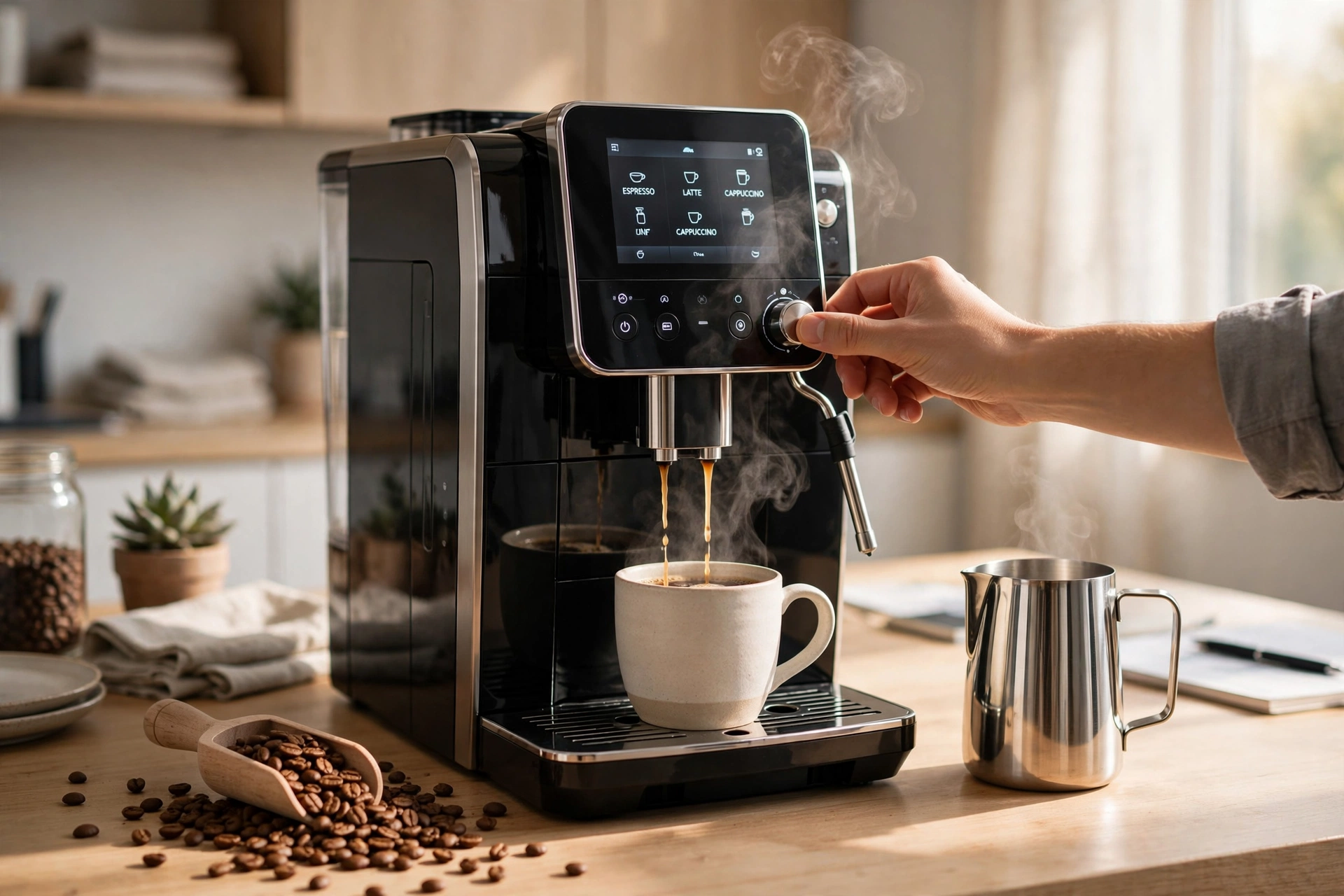
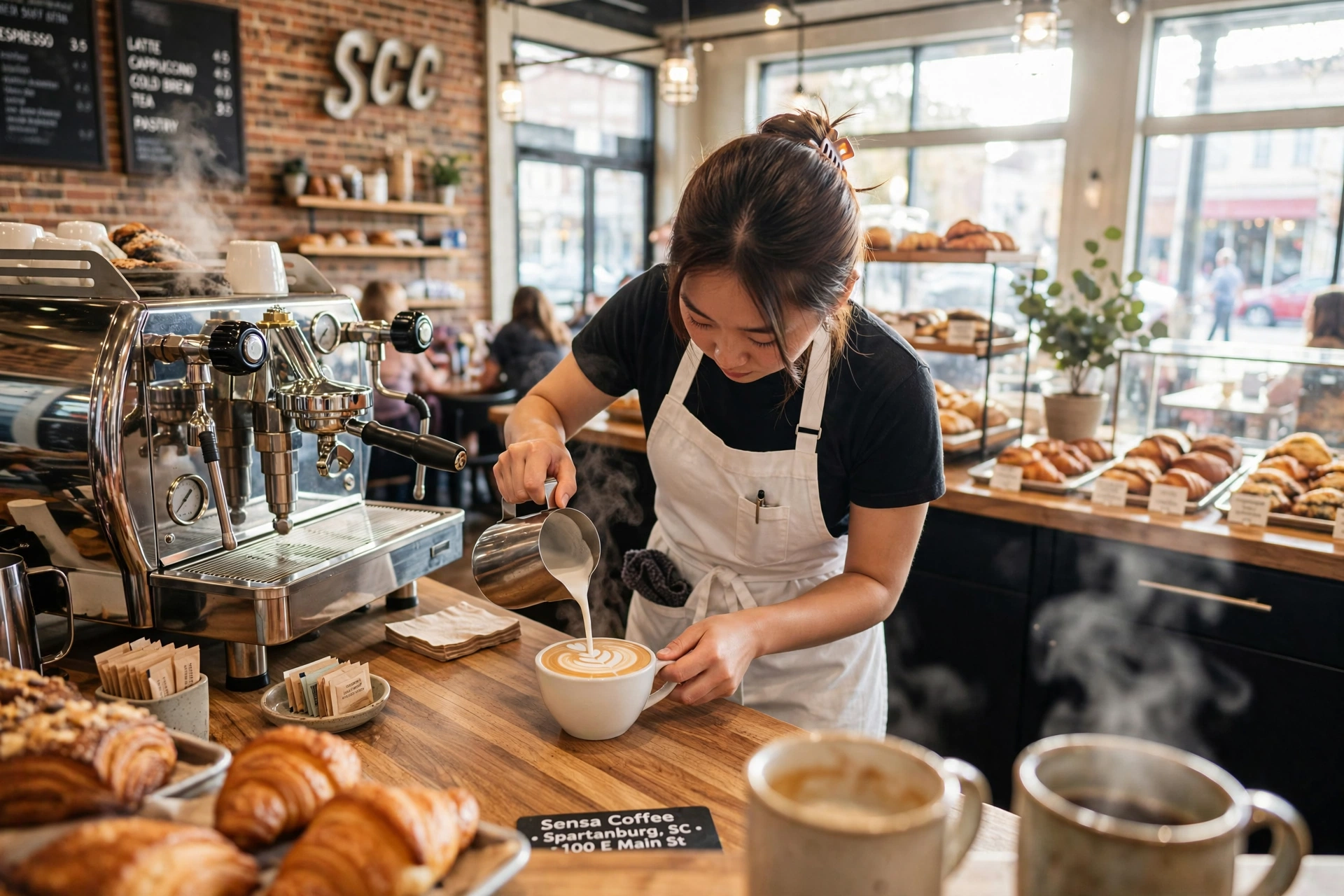
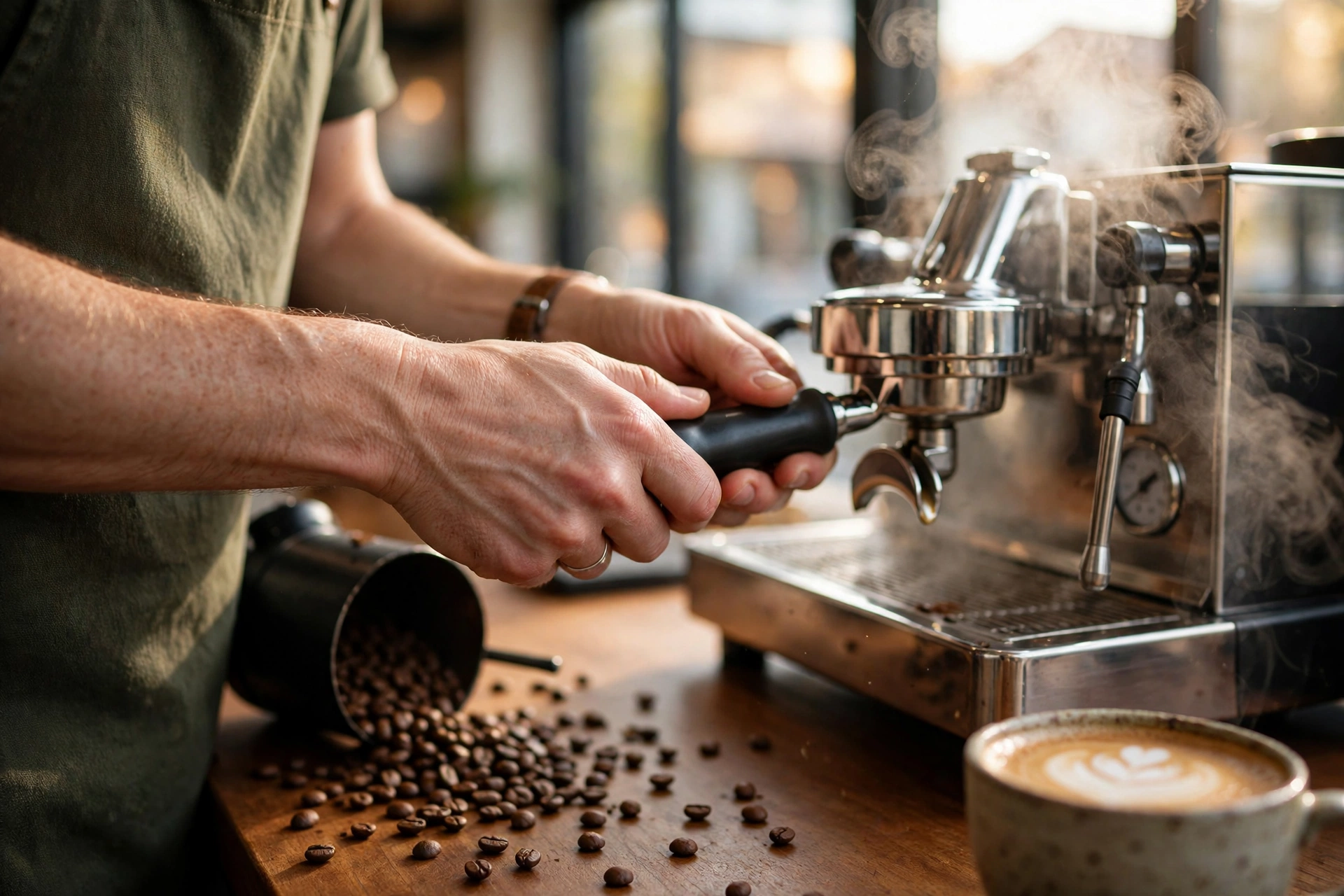
Running a hospitality business in the District requires more than just a menu; it requires a high-margin revenue stream that keeps customers coming back. A professional foodservice coffee program in Washington DC is a strategic integration of high-end espresso machines, specialty coffee beans, and a managed service model that eliminates downtime. For DC operators, this means moving away from erratic retail-grade brewers and shifting toward all-inclusive memberships that provide premium equipment and professional maintenance for a predictable monthly fee, ensuring that the fast-paced morning rush in areas like K Street or Georgetown never slows down due to equipment failure.
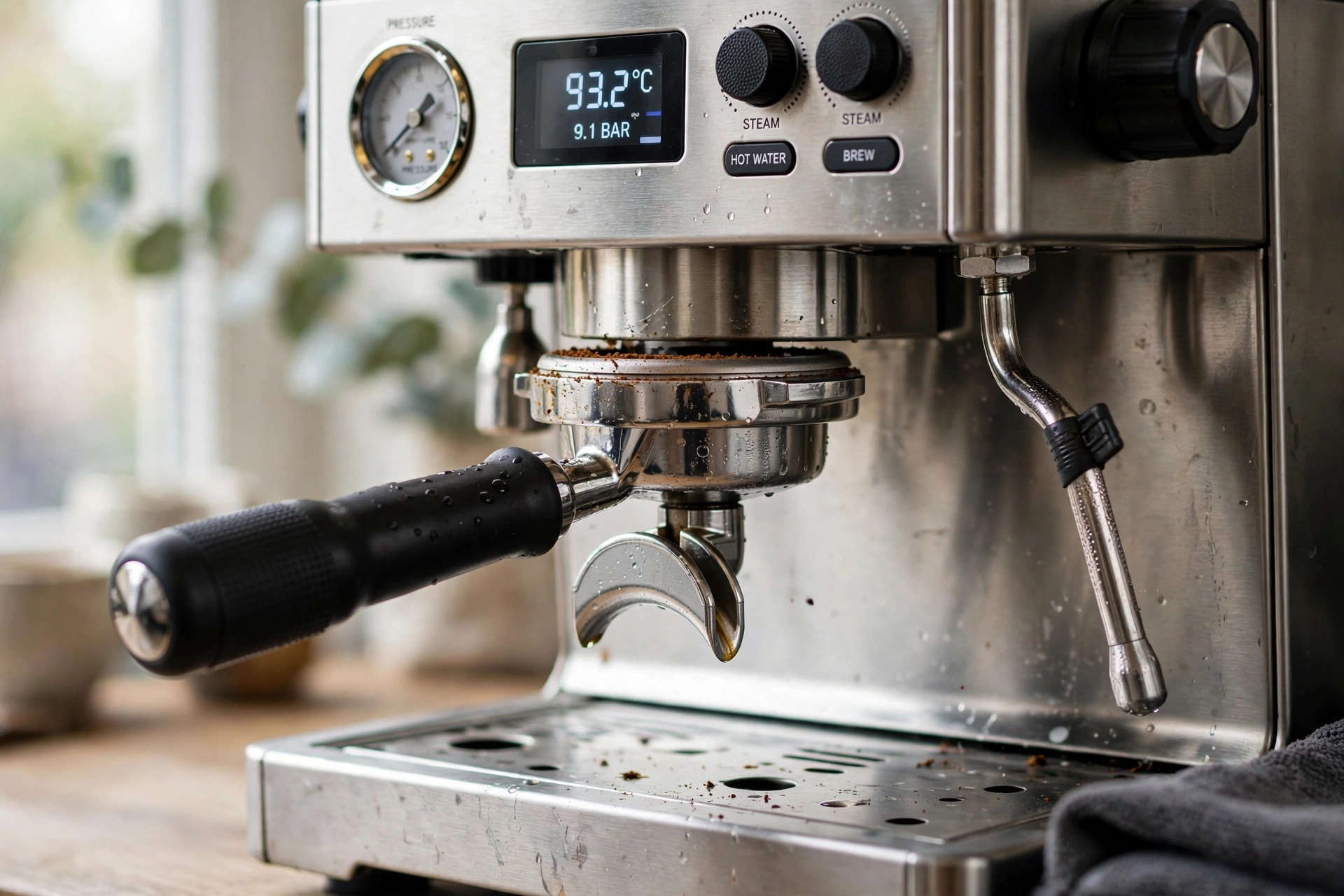
In my experience working with high-volume hospitality groups across the East Coast, the biggest mistake operators make is treating coffee as an afterthought. They buy a machine, hire a part-time barista, and hope for the best. However, after analyzing dozens of foodservice operations, the pattern is clear: the businesses that scale are those that treat their coffee program as a managed asset. When we developed our managed membership at Busy Bean Coffee, we realized that DC business owners didn't want to be technicians; they wanted a guaranteed cup of specialty coffee that drove consistent foot traffic.
For those managing smaller teams or boutique spaces, choosing the Best Office Espresso Machines for Small Teams in 2026 can be a great way to test the waters before scaling to a full-service commercial program.
Why Washington DC Businesses Are Adopting Professional Foodservice Coffee Programs?
Washington DC is a unique market characterized by a dense concentration of government employees, lobbyists, and international tourists who possess a highly sophisticated palate for specialty coffee. The demand for high-quality caffeine is not just a preference; it is a baseline expectation. According to the National Coffee Association USA (NCA), coffee consumption patterns have shifted toward "premiumization," where consumers actively seek out specialty-grade brews over commodity coffee. In a city where the morning commute is a ritual, a subpar coffee program is a liability that can drive customers toward the nearest competing cafe.
Furthermore, the labor market in the District has become increasingly competitive. Finding a skilled barista who understands the nuances of Coffea arabica and the technical side of espresso extraction is difficult and expensive. This is why more DC operators are moving toward automated or managed coffee services. By utilizing a managed program, businesses reduce their reliance on hyper-specialized labor while maintaining the quality standards set by the Specialty Coffee Association (SCA).
From a financial perspective, coffee remains one of the highest-margin items in the foodservice industry. When implemented correctly, a coffee program can offset the lower margins of food items and increase the average check size significantly. In the District, we see a strong trend toward "experience-based" consumption. A customer isn't just buying a latte; they are buying a moment of luxury in a high-stress environment. If your equipment cannot consistently deliver a perfectly textured microfoam or a balanced extraction, you are leaving money on the table. This shift is why the transition to comprehensive, managed foodservice programs has accelerated in 2026, as businesses seek to maximize ROI without increasing their operational headaches.
What Are the Key Benefits of a Managed Foodservice Coffee Program?
Integrating a managed coffee program provides a level of stability that traditional equipment ownership simply cannot match. The primary advantage is the shift from Capital Expenditure (CapEx) to Operational Expenditure (OpEx). Instead of dropping thousands of dollars on an espresso machine that will inevitably need service, businesses pay a predictable monthly fee that covers everything from installation to ongoing maintenance.
Eliminating Technical Downtime
There is nothing more costly in a DC cafe than a broken boiler during the 8:00 AM rush. In a traditional setup, you call a technician and wait days for a part. In a managed program, maintenance is proactive. Because the equipment is monitored and serviced regularly, failures are caught before they happen. This ensures a continuous flow of revenue and maintains customer loyalty.
Consistent Quality Control
Consistency is the hallmark of a professional program. By using high-grade coffee beans and calibrated equipment, you ensure that a latte tastes the same on Tuesday as it does on Saturday. This is especially vital for businesses that employ multiple staff members who may not all be trained baristas. Automated precision ensures that the water temperature and pressure remain constant, delivering a consistent specialty coffee experience every time.
Access to Premium Sourcing
Sourcing high-quality Arabica coffee can be a logistical nightmare for small to mid-sized operators. Managed programs often include exclusive access to premium roasts. This allows businesses to offer a "specialty coffee" menu without having to manage five different vendor relationships.
📚
Definition
Specialty Coffee refers to coffee that scores 80 points or above on a 100-point scale as established by the Specialty Coffee Association (SCA), focusing on purity, flavor, and traceability.
To illustrate the difference in approach, consider the following comparison:
| Feature | Traditional Equipment Purchase | Generic Lease/Rental | Busy Bean Managed Program |
|---|---|---|---|
| Upfront Cost | Very High (CapEx) | Moderate | Zero / Low Monthly Fee |
| Maintenance | Reactive (You pay per visit) | Limited/Slow | Proactive & All-Inclusive |
| Coffee Quality | Variable (Operator's choice) | Standard/Commodity | Premium Specialty Grade |
| Setup Time | Long (Sourcing + Install) | Moderate | Rapid Turnkey Deployment |
💡
Key Takeaway
The most significant benefit of a managed coffee program is the removal of operational risk. By transferring the burden of maintenance and sourcing to an expert partner, DC business owners can focus on guest experience rather than equipment troubleshooting.
For those who want to elevate their presentation, investing in the right accessories is vital. We often recommend that our partners check out where to buy latte art tools for foodservice pros to ensure their beverages look as good as they taste, which is essential for social media visibility in a city as visual as DC.
Real Examples of Coffee Program Success in the DC Area
To understand the impact of a professional foodservice coffee program in Washington DC, we have to look at the data from real-world implementations. I've seen firsthand how the right equipment and sourcing strategy can transform a stagnant breakfast menu into a profit center.
Case Study 1: The Boutique Hotel in Georgetown
A luxury boutique hotel was struggling with a basic drip coffee setup that resulted in high waste and lukewarm reviews from guests. They were spending nearly $2,000 a year in sporadic repairs for an aging machine. After switching to a Busy Bean managed coffee program, they implemented a high-capacity espresso system and a curated roast of Coffea arabica.
- The Result: Within six months, their coffee-related revenue increased by 22%. More importantly, guest satisfaction scores regarding the "morning experience" rose from 3.2 to 4.8 stars. The hotel eliminated all upfront equipment costs and shifted to a predictable monthly fee, reducing their maintenance stress to zero.
Case Study 2: The High-Traffic Corporate Cafe near K Street
This operation faced a different problem: speed. Their baristas were struggling to keep up with the mid-morning rush, leading to long lines and abandoned orders. They had high-quality beans but outdated, manual equipment that required constant adjustment. We implemented an automated, high-efficiency system designed for volume without sacrificing the specialty coffee profile.
- The Result: Throughput increased by 35% during peak hours. By reducing the time per drink from 90 seconds to 55 seconds, they captured an additional $1,200 in weekly revenue that was previously lost to walk-aways. They also reduced bean waste by 12% due to the precision of the automated dosing systems.

How to Get Started With a Professional Coffee Program
Starting a coffee program doesn't have to be an overwhelming process of trial and error. The goal is to create a seamless loop between the bean, the machine, and the customer. If you are looking to implement a foodservice coffee program in Washington DC, follow this structured approach:
Step 1: Analyze Your Volume and Flow
Before buying a single bean, map out your peak hours. Are you serving 50 coffees a day or 500? A boutique cafe in Dupont Circle has different needs than a corporate headquarters in the Navy Yard. Understanding your volume determines whether you need a semi-automatic machine for a dedicated barista or a fully automated system for speed and consistency.
Step 2: Prioritize Equipment Certification
In a commercial environment, you cannot use home equipment. Ensure all machinery is NSF certified. According to NSF International, following these standards is not just about quality but about meeting health and safety regulations for food equipment. This prevents costly fines and ensures the longevity of your gear.
Step 3: Select Your Bean Profile
Don't just pick "dark roast." Consider your menu. If you are serving a lot of milk-based drinks (lattes, cappuccinos), you need a bean with enough body to cut through the dairy. If you're targeting a crowd of coffee connoisseurs, a lighter, more acidic roast of Arabica coffee will be more appealing. This is where a managed partner like Busy Bean Coffee adds the most value, as we help you curate the roast based on your specific demographic.
Step 4: Implement a Managed Service Model
Instead of managing the logistics yourself, opt for a managed membership. This includes professional installation, ongoing calibration, and a guaranteed supply of fresh beans. This removes the "logistics anxiety" from your plate, allowing you to focus on hospitality.
Step 5: Train Your Staff
Even with the best machines, the human element matters. Whether it's a quick course on milk steaming or understanding the basics of a coffee bean's origin, a trained staff can sell more coffee. When they can explain why a specific roast is special, the perceived value of the drink increases, allowing you to price it as a premium product.
Common Objections to Managed Coffee Programs
Many operators are hesitant to move to a managed model because they believe they are "losing control." However, the data usually suggests the opposite.
Objection: "I'd rather own my equipment so I'm not paying a monthly fee."
Most people assume ownership is cheaper. In reality, the total cost of ownership (TCO) for espresso machines is incredibly high. Between descaling, gasket replacements, pump failures, and technician call-out fees, the "ownership" cost fluctuates wildly. A managed program stabilizes your cash flow. In my experience, the peace of mind of knowing a technician will arrive before a breakdown happens is worth far more than the perceived equity of owning a piece of depreciating hardware.
Objection: "Automated machines don't produce 'real' coffee."
This is a common myth. Modern commercial automation is designed to mimic the exact movements of a master barista. When the pressure, temperature, and grind are locked in by professional standards, the result is often more consistent than a human-made drink. For the vast majority of foodservice clients in DC, consistency across 500 drinks is more important than the occasional "perfect" drink followed by three mediocre ones.
Objection: "I can just buy beans from a local wholesaler."
Wholesale beans are fine until you run out during a holiday weekend or receive a batch that was roasted three weeks too long. A managed program ensures a "just-in-time" delivery system. You get the freshest roast possible, delivered on a schedule that matches your consumption patterns. This prevents the two biggest killers of coffee quality: stale beans and emergency shortage substitutions.
Frequently Asked Questions
What is the typical ROI for a professional coffee program in DC?
For most foodservice businesses, a professional coffee program pays for itself within the first three to six months. Because coffee has such high margins—often exceeding 70% per cup—the increase in volume and the ability to charge a premium for "specialty coffee" quickly offsets the monthly membership fee. When you factor in the avoided costs of emergency repairs and the reduction in waste through precision equipment, the ROI is both immediate and sustainable. Many of our clients see a direct increase in average transaction value because customers who come in for a high-quality latte often stay for a food item.
How do I know if I need an automated or semi-automatic machine?
The decision depends entirely on your staffing and volume. If you have a dedicated, trained barista and want to offer a "craft" experience where the process is part of the show, a semi-automatic machine is ideal. However, if your staff are generalists (e.g., servers or front-desk staff) and your primary goal is speed and consistency, an automated system is the only logical choice. In the fast-paced environment of Washington DC, most foodservice operators prefer automation to ensure that the 100th customer of the morning gets the exact same quality as the first.
Does a managed coffee service include training for my employees?
Yes, a comprehensive managed service should always include training. Equipment is only as good as the person operating it. Proper training covers not only how to press the buttons but also how to maintain a clean workspace, how to froth milk to the correct temperature to avoid burning, and how to handle basic troubleshooting. At Busy Bean Coffee, we believe that empowering your staff to understand the product leads to better sales. A server who can describe the flavor notes of an Arabica bean is a server who can upsell a premium beverage.
How often is the equipment serviced in a managed program?
Maintenance in a managed program is both scheduled and proactive. Typically, this involves monthly or quarterly deep-checks where technicians calibrate the grind, check the water filtration systems, and replace wear-and-tear parts like gaskets. This is a stark contrast to the "break-fix" model where you only see a technician after the machine has stopped working. By adhering to a strict maintenance schedule, we ensure that your equipment operates at peak efficiency, which also extends the lifespan of the machine and maintains the flavor profile of your coffee.
What happens if my machine breaks down during a peak period?
This is where the value of a managed membership becomes most apparent. Instead of waiting for a third-party repair company to find a slot in their schedule, you have a direct line to a dedicated support team. Depending on the service level, this often includes priority emergency response or even the provision of a loaner machine to ensure your business keeps running. The goal of a professional foodservice coffee program in Washington DC is to ensure that your revenue stream never stops. We treat your downtime as our emergency, providing the fastest possible resolution to get your cafe back online.
Final Thoughts on Foodservice Coffee Program in Washington DC
Building a successful foodservice coffee program in Washington DC is about more than just buying a machine; it is about creating a sustainable system that blends quality, speed, and financial predictability. The DC market is too competitive to rely on mediocrity. Whether you are running a hotel in Georgetown or a corporate cafe near the Capitol, the ability to serve a world-class cup of specialty coffee is a powerful tool for customer retention and revenue growth.
By shifting from the stress of equipment ownership to the efficiency of a managed membership, you remove the operational friction that holds many businesses back. You no longer have to worry about broken boilers, stale beans, or untrained staff. Instead, you can focus on what you do best: serving your guests.
Ready to elevate your beverage game? Visit Busy Bean Coffee today to discover how our all-inclusive managed coffee solutions can transform your business into a local destination for specialty coffee. Whether you need a white glove coffee service in Los Angeles CA or a tailored solution for the District, we have the expertise to make it happen.
Free Coffee Pairing Guide & Specialty Roast Cheat Sheet
Unlock the secrets of perfect brewing ratios, water temperatures, and specialty roast profiles. Download the guide.