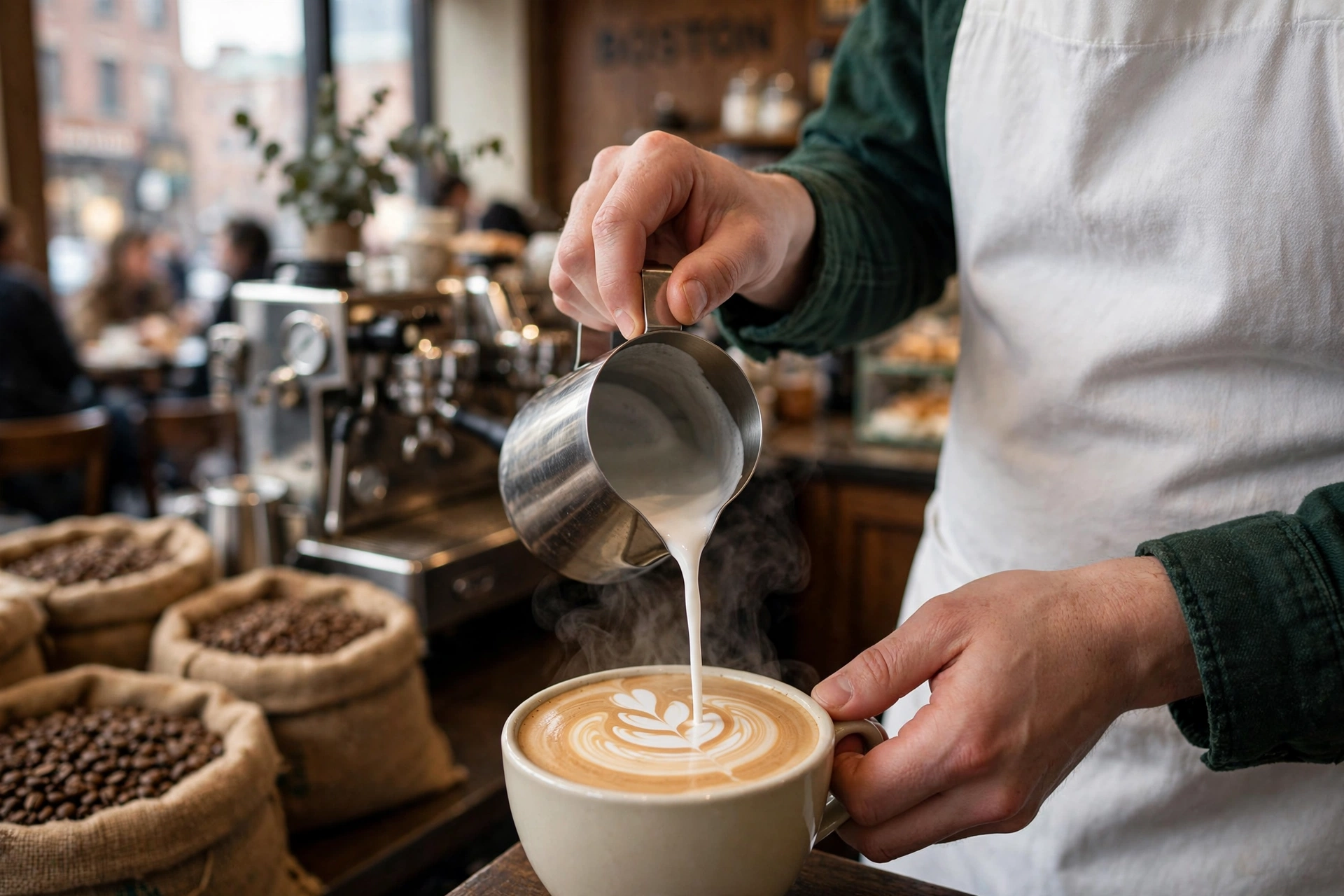
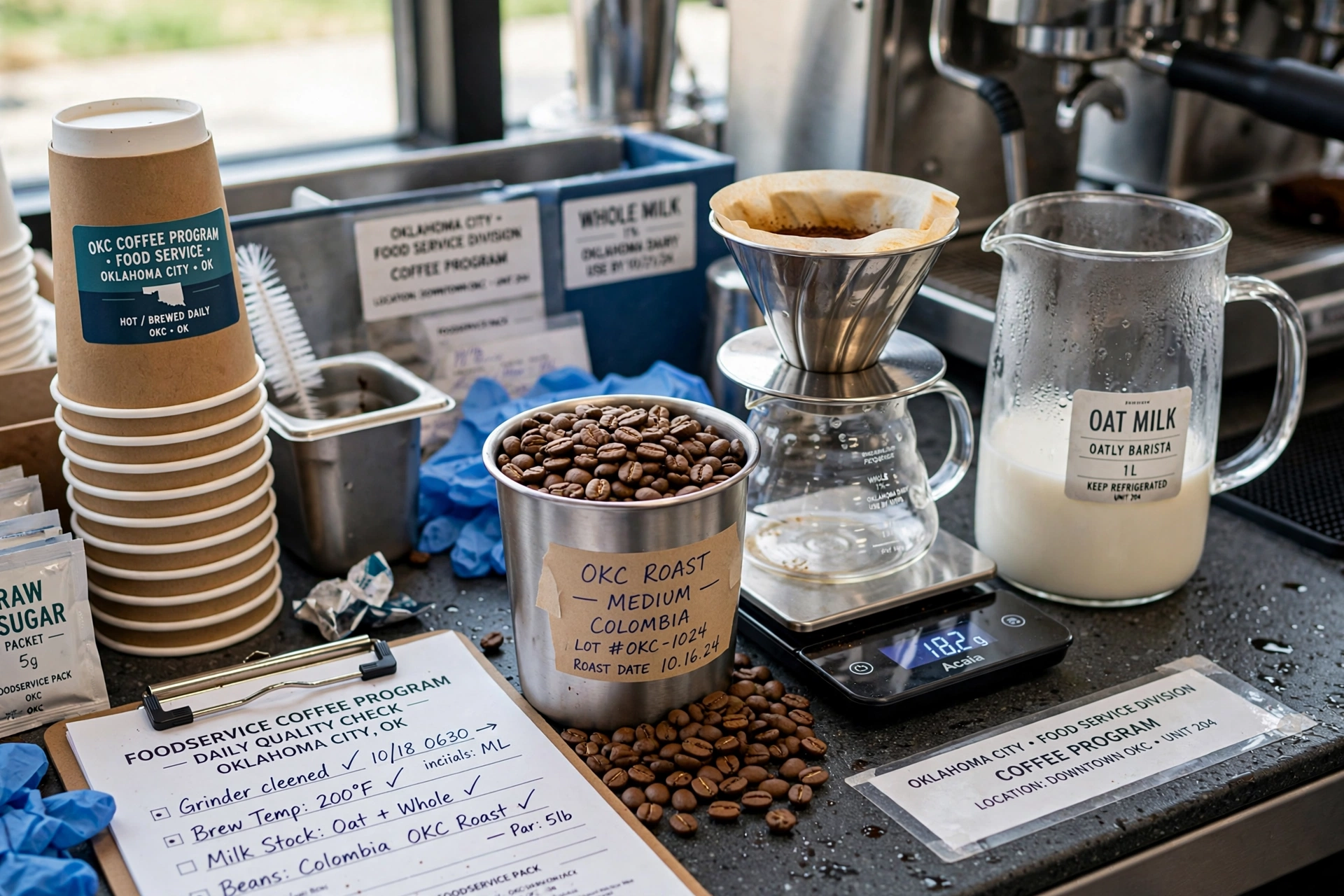
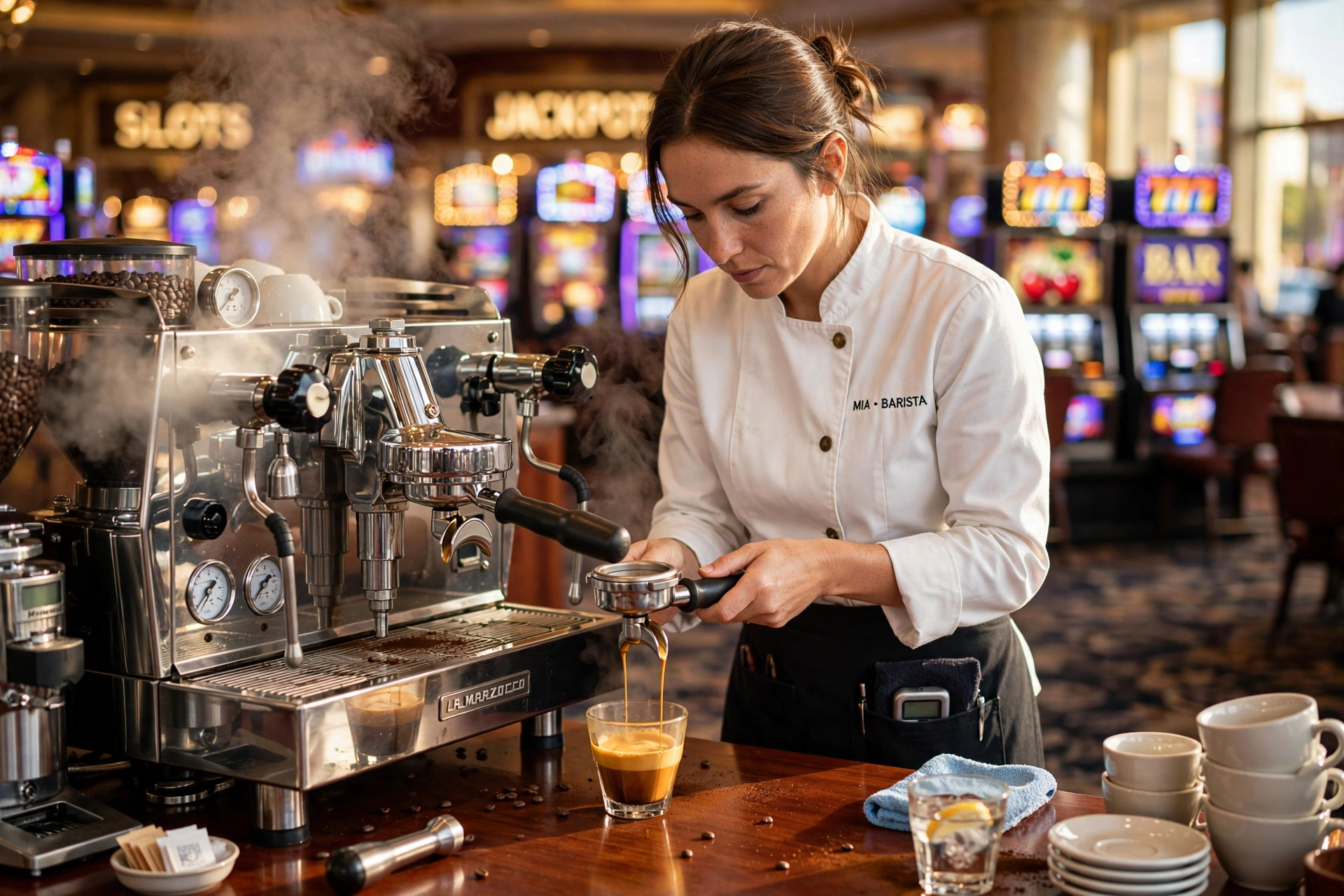
Most restaurant owners in the Gulf Coast region treat coffee as an afterthought, only to realize they are leaving thousands of dollars in high-margin revenue on the table every month. A professional foodservice coffee program in Tampa FL is not just about providing caffeine; it is a strategic revenue stream that combines premium equipment, specialty coffee, and seamless operational management to ensure every cup served enhances the guest experience and boosts the bottom line. At Busy Bean Coffee, we provide all-inclusive managed memberships that eliminate the capital expense of high-end machinery while guaranteeing consistent quality.
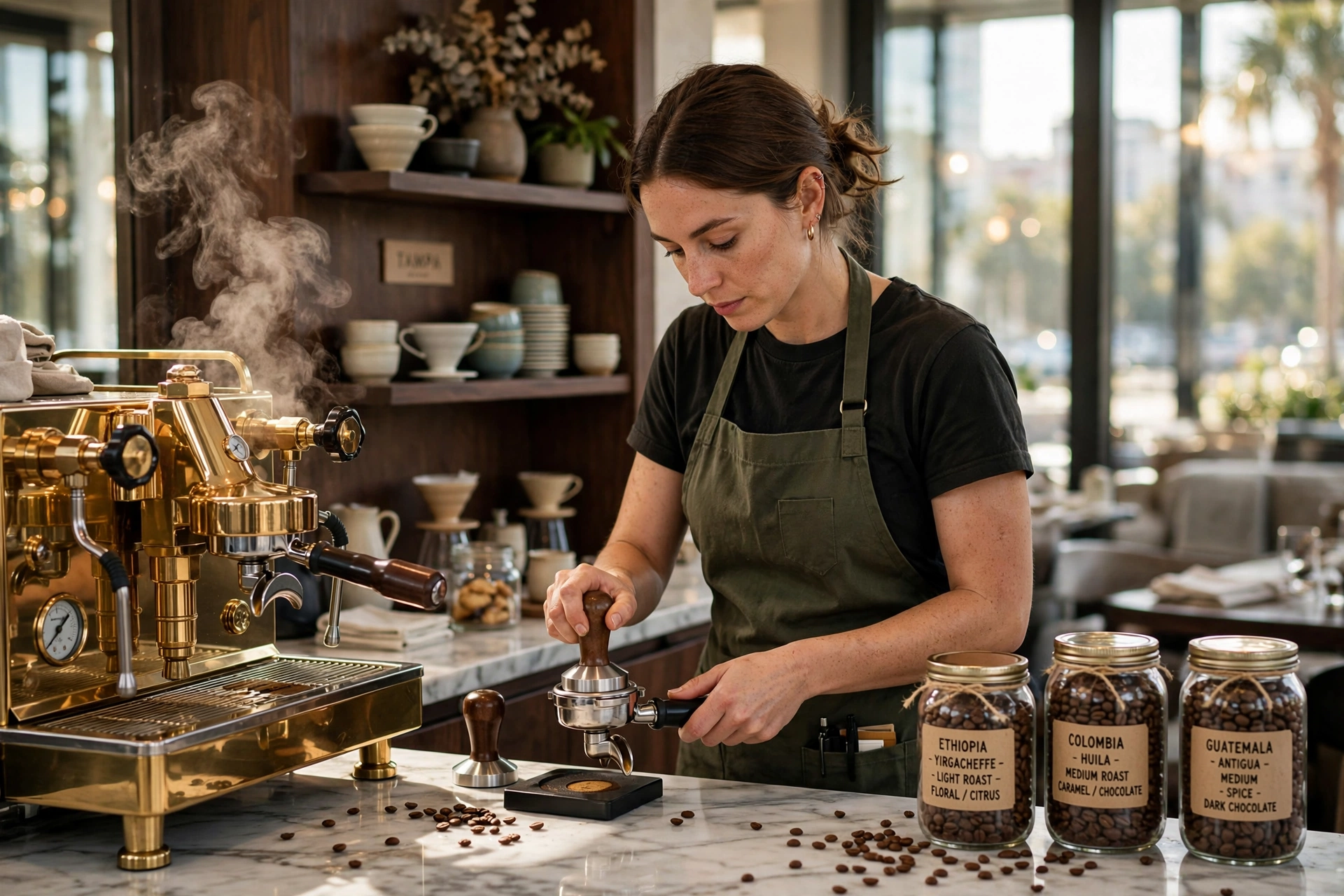
In my experience working with hospitality businesses across the Southeast, the biggest mistake I see is the 'good enough' approach. Operators buy a mid-grade machine, use a generic roast, and wonder why guests aren't ordering a second cup. When you shift from a basic beverage offering to a curated program, you aren't just selling coffee; you are selling a destination experience. For those managing smaller operational footprints, exploring the Best Office Espresso Machines for Small Teams in 2026 can provide insight into how compact, high-output gear can transform a space.
Why Tampa Businesses Are Adopting Professional Foodservice Coffee Programs?
Tampa's culinary scene is evolving rapidly, with a shift toward 'experience-driven' dining. Guests in the Bay Area are no longer satisfied with burnt, drip-pot coffee. They are looking for the complexity of Specialty Coffee and the precision of a perfectly pulled espresso. This shift is driven by a broader national trend; according to the National Coffee Association USA (NCA), specialty coffee consumption has seen a consistent rise as consumers prioritize origin, roasting profiles, and ethical sourcing. In a competitive market like Tampa, where tourism and local dining intersect, a superior coffee program becomes a primary differentiator.
Moreover, the operational burden of managing coffee is a significant pain point for Tampa operators. Between staffing shortages and the high cost of labor, the last thing a manager wants is to troubleshoot a broken espresso machine during a Sunday brunch rush. This is why managed services are surging. By outsourcing the technical maintenance and roasting to experts, businesses can focus on their core competency: hospitality. We've seen that when a business implements a professional program, they don't just see a lift in beverage sales, they see an increase in the average check size. Guests who perceive a high-value coffee program are more likely to order dessert or linger for an after-dinner drink.
From a technical standpoint, the integration of Coffea arabica beans—specifically high-altitude Arabica—allows restaurants to charge a premium. When you can tell a guest that their coffee is a single-origin roast tailored for the Florida palate, the perceived value skyrockets. The International Coffee Organization (ICO) notes that the demand for high-quality, sustainable coffee continues to grow, making it an essential component for any foodservice establishment wanting to remain relevant in 2026.
What Are the Key Benefits of a Managed Coffee Program for Tampa Businesses?
Implementing a professional program removes the friction between 'wanting quality' and 'managing complexity.' The primary benefit is the elimination of the massive upfront capital expenditure. Instead of dropping $15,000 on a top-tier espresso machine and risking its obsolescence, a managed membership provides the hardware, installation, and ongoing maintenance for a predictable monthly fee.
Increased Profit Margins and Revenue
Coffee has some of the highest margins in the entire foodservice industry. While food costs are rising, the cost per cup of a high-quality brew remains relatively low compared to the retail price. By elevating the quality to a specialty level, restaurants in Tampa can transition from a $2.50 'house coffee' to a $6.00 'artisan latte.' This is a massive shift in per-unit profitability. When you combine this with the right tools, such as knowing where to buy latte art tools for foodservice pros, you create a visual product that guests are eager to share on social media, providing free organic marketing for your establishment.
Reduced Operational Downtime
Equipment failure is the silent killer of morning revenue. A broken machine on a Saturday morning in Tampa doesn't just lose you the cost of the coffee; it ruins the guest's start to their day. A managed program includes full maintenance coverage. In my experience, the difference between a business that owns its equipment and one that uses a managed service is the 'panic factor.' With a managed solution, a technician is dispatched before the problem becomes a crisis, ensuring that the flow of the kitchen remains uninterrupted.
Consistent Quality and Brand Trust
Consistency is the hallmark of a professional barista. However, not every restaurant can afford a full-time expert. A managed program solves this by providing equipment that is calibrated for consistency and beans that are roasted to a precise profile. Whether it is the first cup of the day or the hundredth, the taste remains identical. This builds trust with your regulars. They know that their morning ritual in Tampa will be perfect every single time.
💡
Key Takeaway
The shift from ownership to a managed membership model converts a volatile capital expense into a stable operational expense, while simultaneously upgrading the quality of the product served to the guest.
Comparing Coffee Program Approaches
| Feature | Traditional 'Buy-and-Hope' | Generic/Cheap AI-Driven Service | Busy Bean Managed Program |
|---|---|---|---|
| Upfront Cost | Very High (CapEx) | Low | Zero/Low (OpEx) |
| Maintenance | Reactive (Pay-per-fix) | Basic/Slow | Proactive & All-Inclusive |
| Coffee Quality | Generic/Commercial | Inconsistent | Premium Specialty Grade |
| Training | Self-Taught | Minimal/Video-based | Professional Barista Guidance |
| Reliability | Low (High Downtime) | Moderate | High (Guaranteed Uptime) |
📚
Definition
Specialty Coffee refers to coffee that scores 80 points or above on a 100-point scale as established by the Specialty Coffee Association (SCA), focusing on purity, flavor, and absence of defects.
Real-World Examples: Transforming Tampa's Coffee Scene
I've seen firsthand how a strategic shift in coffee programming changes the trajectory of a business. One particular example involved a mid-sized bistro in the Hyde Park area of Tampa. They were using a standard commercial brewer and a low-grade roast. Their coffee was a 'free' addition to breakfast, and guests rarely commented on it. After transitioning to a managed coffee service, we implemented high-end SENSA equipment and a customized roasting profile. Within three months, their beverage revenue increased by 22%. The change wasn't just in the machine; it was in the perception. Guests began ordering espresso-based drinks as standalone items, turning a cost center into a profit center.
Another case study featured a boutique hotel in the downtown Tampa corridor. They struggled with the inconsistency of their morning coffee, which led to frequent guest complaints. By deploying a white-glove managed solution, they ensured that every pot of coffee was brewed to exact standards. This is similar to the high-touch approach seen in our White Glove Coffee Service in Los Angeles CA, where the focus is on an uncompromising standard of luxury. The hotel saw a 15% increase in guest satisfaction scores related to breakfast, and more importantly, a reduction in waste because the automated systems prevented the 'burnt pot' syndrome common in manual brewing.
These results aren't accidental. They are the result of combining the right coffee bean selection with precision engineering. When the equipment is calibrated and the beans are fresh, the results are mathematical. The pattern I see consistently is that businesses that invest in the system rather than just the machine are the ones that scale their margins.
How to Implement a Professional Foodservice Coffee Program in Tampa FL
Getting started doesn't require a complete kitchen overhaul. It requires a phased approach focused on quality and reliability. The first step is an audit of your current volume. Are you serving 50 cups a day or 500? This determines the scale of the equipment needed. If you are operating in other regions, you might look at an Automated Coffee Service in Fort Worth TX for a comparison of how high-volume automation handles peak loads.
Step 1: Define Your Beverage Menu
Don't try to be everything to everyone. Decide if you are a 'drip-heavy' establishment or an 'espresso-forward' venue. A professional program starts with a menu that aligns with your brand. If you are a high-end steakhouse, a sophisticated espresso menu is essential. If you are a fast-casual brunch spot, high-volume, high-quality brew is the priority.
Step 2: Select the Right Hardware
Avoid the temptation to buy 'consumer-prosumer' machines. In a foodservice environment, you need NSF-certified equipment that can handle back-to-back cycles without overheating. The NSF International standards for food equipment ensure that your machines are sanitary and built for the rigors of a commercial kitchen. This is where Busy Bean Coffee excels; we provide the gear that meets these stringent standards without the crushing upfront cost.
Step 3: Source Premium Roasted Beans
Your equipment is only as good as the beans you put in it. Focus on coffee roasting profiles that complement your food menu. For example, a brighter, citrusy roast pairs well with breakfast items, while a bolder, chocolatey profile works better for desserts. We handle the roasting process to ensure that the beans arriving at your Tampa location are at the peak of their flavor window.
Step 4: Train Your Staff
Even the best machine can be ruined by a poor operator. Your staff needs to understand the basics of tamping, steaming, and cleaning. A managed program usually includes this training, ensuring your team feels confident and the product remains consistent. For those looking to expand their reach in the Carolinas, a coffee delivery service in Charlotte NC often employs similar training models to maintain quality across multiple sites.
Step 5: Establish a Maintenance Schedule
Water quality is the biggest enemy of coffee equipment. Tampa's water can be hard, leading to scale buildup that kills boilers and ruins flavor. A professional program includes water filtration and regular descaling. By automating this through a managed membership, you remove the human error that leads to expensive breakdowns.
Common Objections to Managed Coffee Programs
Many operators are hesitant to move to a subscription or managed model because they believe owning the asset is always cheaper. Here is why that logic is often flawed in the 2026 economy.
Objection 1: "I can just buy the machine myself and save money in the long run."
Most people assume the initial purchase is the only cost. In reality, the 'Total Cost of Ownership' includes electricity, specialized cleaning agents, replacement parts, and technician call-out fees. A single motherboard failure on a high-end espresso machine can cost $1,200 plus labor. In a managed program, that cost is zero. The data shows that the predictability of a monthly fee is far more beneficial for cash flow than the volatility of emergency repairs.
Objection 2: "We don't have a trained barista on staff."
This is exactly why you need a managed program. We provide equipment that is designed for ease of use and consistency. Modern automated systems can deliver a perfect latte with a single touch, removing the need for a $60k/year specialist while still delivering a $6.00 cup of coffee. We bridge the gap between professional quality and operational simplicity.
Objection 3: "I'm worried about being locked into a contract."
While contracts exist, the value proposition is built on the partnership. When your coffee provider is also your equipment provider and your maintenance team, their incentive is to keep you profitable. If your machine is down, they aren't getting their full value; therefore, they are incentivized to provide faster service than a third-party repair shop that only cares about the hourly rate.

Frequently Asked Questions
How does a foodservice coffee program differ from a standard office coffee service?
A foodservice program is engineered for high-volume, high-pressure environments where speed, aesthetics, and taste are critical to the customer's dining experience. While an office service focuses on convenience and basic caffeine delivery, a foodservice program incorporates professional-grade espresso machines, precision roasting, and barista-level training. The goal is to create a revenue-generating asset that enhances the brand, rather than just a perk for employees. This requires more robust equipment and a deeper focus on the sensory experience of the guest.
What is the expected ROI on upgrading to specialty coffee in Tampa?
While ROI varies by volume, most Tampa establishments see a significant lift in beverage margins within the first 90 days. By transitioning from generic coffee to a specialty program, operators can typically increase the price per cup by 100% to 200% while only seeing a marginal increase in cost of goods sold (COGS). When you factor in the reduction of equipment downtime and the increase in average check size—as coffee often leads to dessert sales—the ROI is realized not just in direct sales, but in overall operational efficiency and guest loyalty.
How do you handle the hard water issues common in the Tampa Bay area?
Water quality is the most critical factor in coffee flavor and machine longevity. We utilize advanced multi-stage filtration systems that remove minerals and contaminants without stripping the water of the essential elements needed for flavor extraction. Our managed programs include regular filter changes and water quality testing. This prevents the buildup of calcium and magnesium (scale) in the boilers, which is the leading cause of equipment failure in Florida. By managing the water, we extend the life of the machine and ensure the coffee tastes the same every time.
Can a managed program help with staffing shortages in the hospitality industry?
Absolutely. One of the biggest challenges in Tampa's current labor market is finding skilled baristas. Our programs focus on 'smart' technology—equipment that automates the most difficult parts of the process (like milk frothing and dosing) without sacrificing the quality of the output. This allows a server or a kitchen staff member to produce a professional-grade beverage with minimal training. By lowering the technical barrier to entry, you reduce your dependence on highly specialized labor while maintaining a premium product for your guests.
How often is the coffee roasted and delivered to ensure freshness?
Freshness is non-negotiable in a professional program. We employ a 'just-in-time' roasting schedule, meaning the beans are roasted and shipped in a tight window to ensure they reach your Tampa location at the peak of their degassing phase. This prevents the stale, flat taste associated with warehouse-bought commercial coffee. Our managed membership includes automated inventory tracking, so you never run out of beans, and you never have old, stale stock sitting on the shelf. This ensures that every cup served meets the standards of Specialty Coffee.
Final Thoughts on a Foodservice Coffee Program in Tampa FL
Stopping the bleed of lost revenue starts with recognizing that coffee is not a commodity; it is an experience. For any restaurant, hotel, or cafe in the Bay Area, the decision to implement a professional foodservice coffee program in Tampa FL is a decision to prioritize the guest experience and operational sanity. Whether you are looking for an Automated Coffee Service in Wilmington NC to complement a regional expansion or a dedicated local partner to elevate your Tampa storefront, the path to profitability is through quality and consistency.
At Busy Bean Coffee, we remove the risk. No huge upfront costs, no stressful breakdowns, and no guesswork. Just premium equipment and the finest roasts, delivered as a seamless service. Stop settling for 'good enough' and start serving coffee that your guests will talk about. Visit www.busybeancoffee.com today to build a program that works for your business.
Free Coffee Pairing Guide & Specialty Roast Cheat Sheet
Unlock the secrets of perfect brewing ratios, water temperatures, and specialty roast profiles. Download the guide.