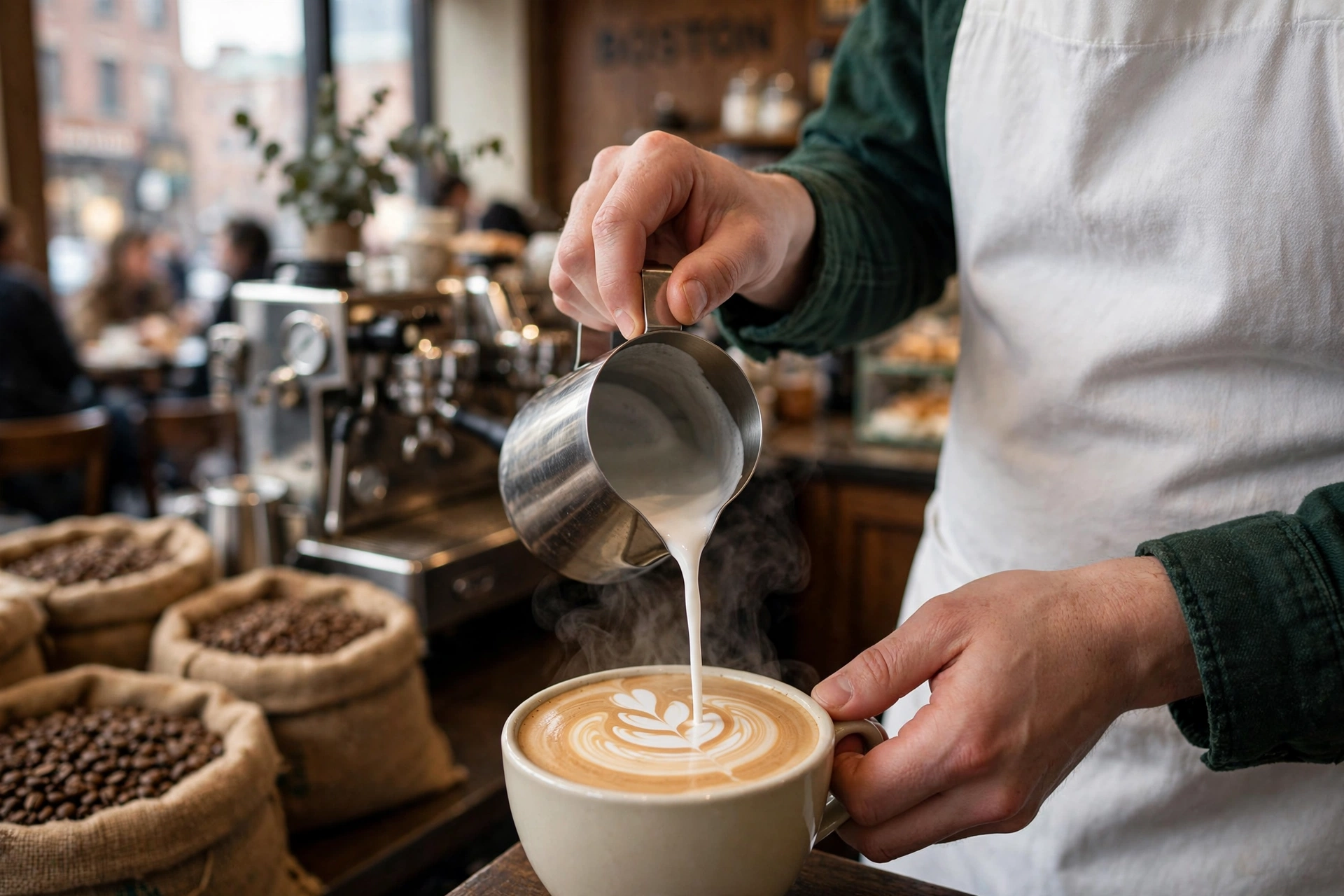
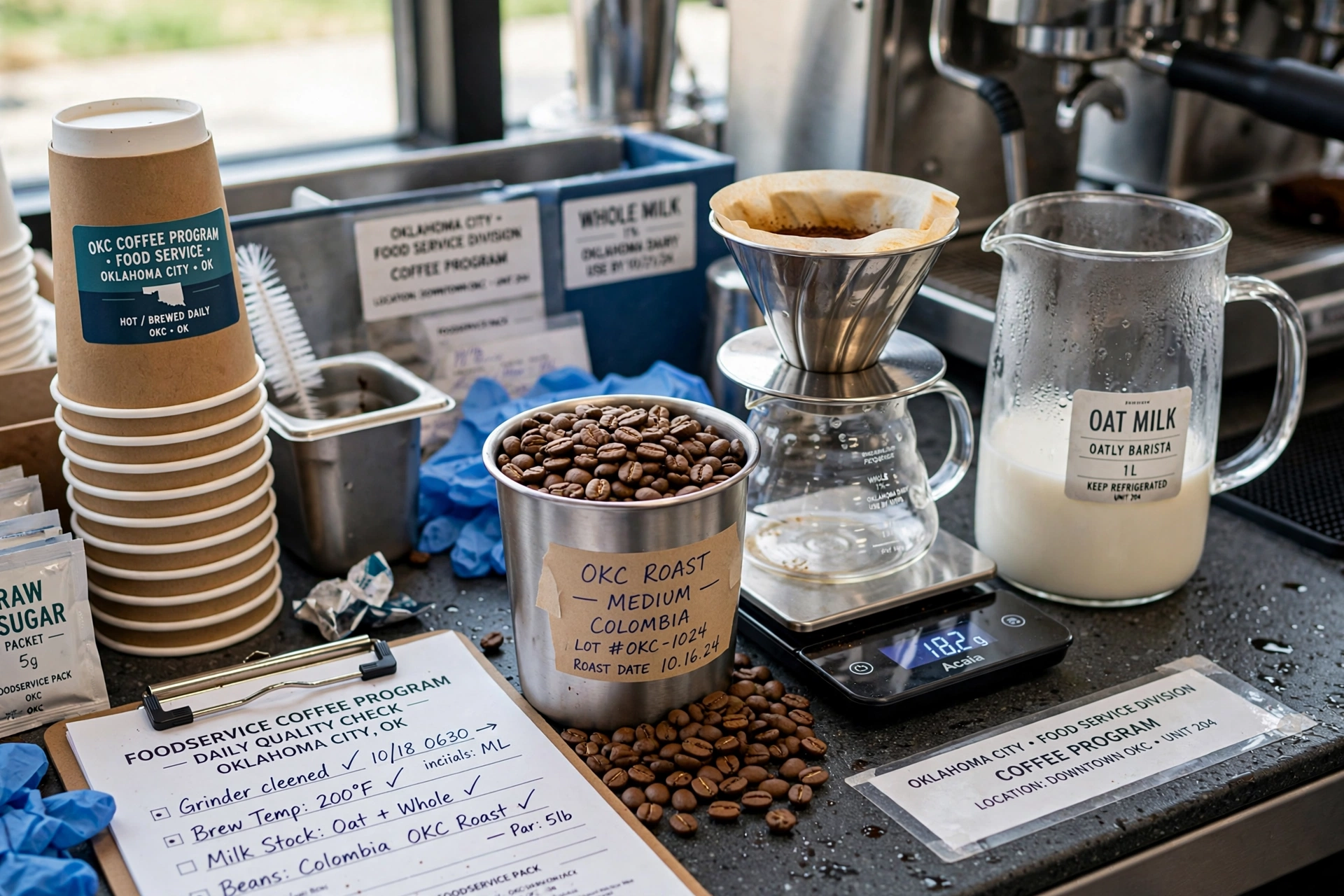
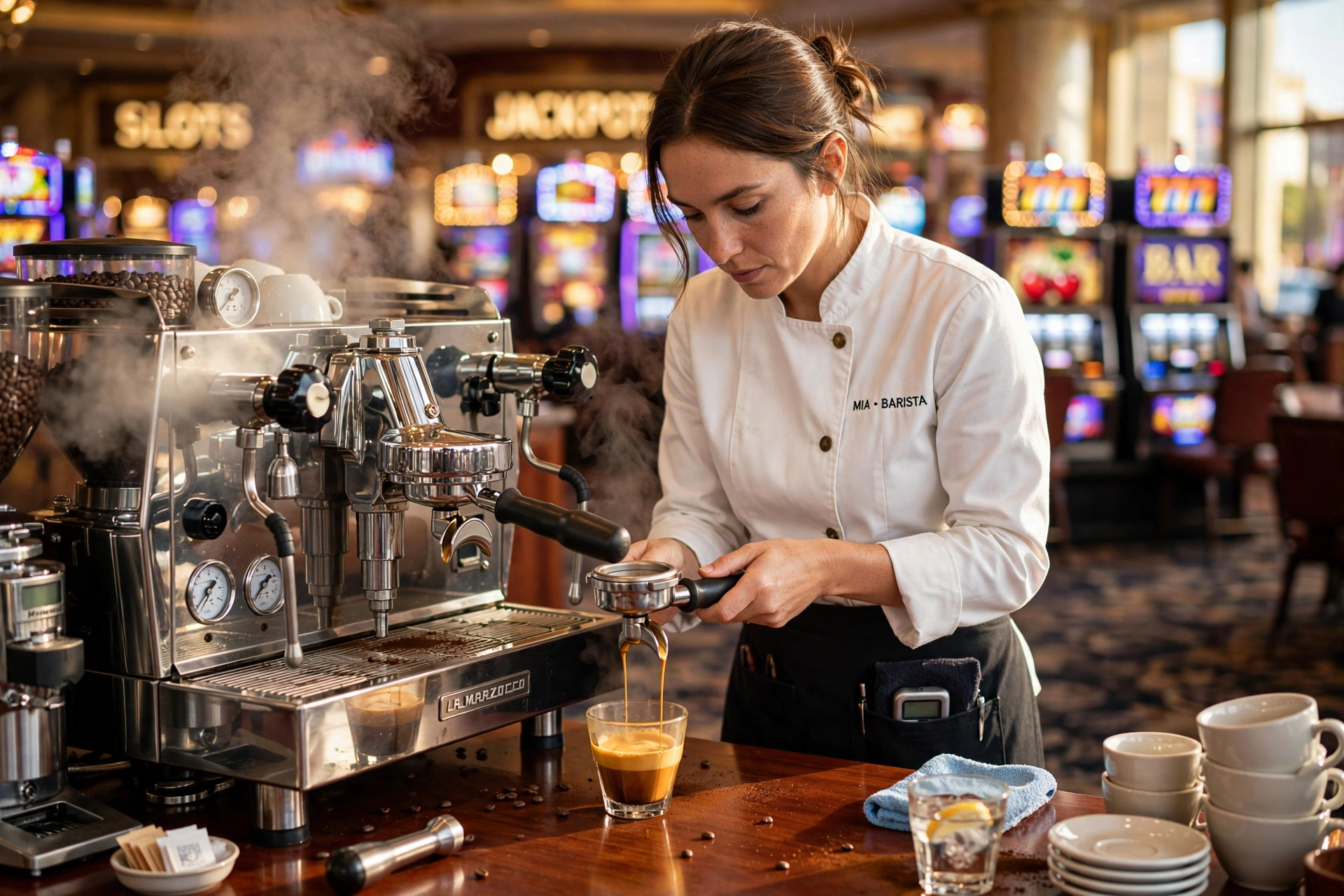
Raleigh's hospitality scene is becoming increasingly competitive, and for many local hotels and restaurants, the beverage program is the silent profit killer. A professional foodservice coffee program in Raleigh NC is a comprehensive beverage strategy that combines high-performance equipment, premium specialty coffee beans, and managed maintenance to ensure every cup served maximizes revenue and guest satisfaction. In my experience working with Southeast hospitality businesses, the difference between a 'coffee station' and a 'coffee program' is the difference between a cost center and a high-margin profit engine.
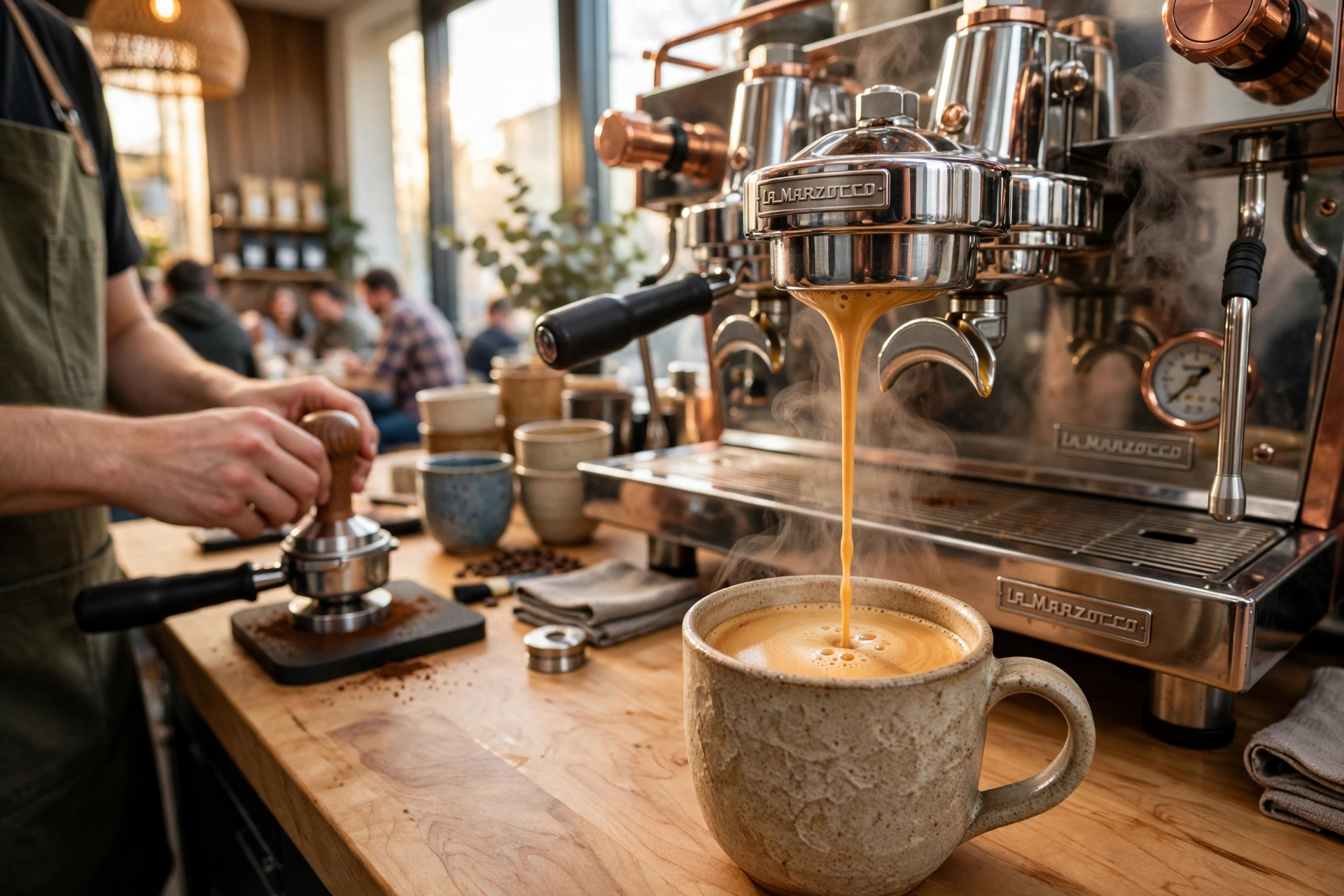
Many operators make the mistake of buying a machine and a bag of beans, then hoping for the best. However, a true program focuses on consistency and uptime. When we integrate these solutions at Busy Bean Coffee, we see that businesses often overlook the impact of water quality and technician response times on their bottom line. For those looking to scale their beverage operations beyond Raleigh, exploring an automated coffee service in Wilmington NC can provide a blueprint for regional consistency.
Why are Raleigh Businesses Adopting Professional Foodservice Coffee Programs?
The shift toward professionalized coffee services in the Triangle area is driven by a fundamental change in consumer expectations. Guests in Raleigh are no longer satisfied with generic drip coffee; they expect the same quality of specialty coffee they find in high-end boutiques. According to the National Coffee Association USA (NCA), the demand for specialty coffee continues to rise among younger demographics, who now view premium coffee as a baseline requirement rather than a luxury. For a restaurant or hotel in Raleigh, failing to meet this standard means losing a significant portion of the morning and afternoon revenue stream.
Beyond consumer demand, there is the issue of operational efficiency. In the Southeast market, labor shortages have hit the foodservice sector hard. Training a new staff member to be a proficient barista takes time and money. By implementing a managed program, businesses can utilize advanced equipment that minimizes human error while maintaining a high output. I've noticed a pattern where Raleigh businesses that move away from manual, high-friction setups toward managed solutions see a marked decrease in waste and an increase in speed of service during peak brunch or breakfast hours.
Furthermore, the regulatory environment regarding food safety and equipment sanitation is stringent. Adhering to the standards set by NSF International is not optional for professional kitchens. A managed coffee program ensures that equipment is not only functional but sanitized according to commercial standards, reducing the risk of health code violations. This professionalization allows owners to focus on their core business rather than worrying about whether their espresso machine will fail during a Saturday morning rush.
What are the Key Benefits for Raleigh Hospitality Businesses?
Implementing a structured coffee program transforms the beverage department from a secondary thought into a primary driver of guest loyalty. The primary benefit is the dramatic increase in Average Check Value (ACV). When a business offers a curated menu of lattes, cappuccinos, and specialty pours instead of just 'coffee,' the price point per cup shifts from $2.50 to $5.00 or $7.00. This effectively doubles the revenue per guest without increasing the foot traffic.
Consistent Quality and Brand Loyalty
Consistency is the hallmark of a professional operation. If a guest has a perfect latte on Monday but a burnt, watery one on Thursday, they won't return. By using high-grade espresso machines and a standardized training protocol, Raleigh businesses ensure a repeatable result. This consistency builds brand equity. In my experience, guests who associate a specific hotel or restaurant with a great morning coffee are 30% more likely to book a stay or reserve a table again. Using the right tools is essential here; knowing where to buy latte art tools for foodservice pros can help your staff add that visual 'wow' factor that encourages social media sharing and organic marketing.
Reduced Operational Downtime
Equipment failure in a high-volume environment is a nightmare. A broken espresso machine at 8:00 AM on a Sunday can cost a Raleigh cafe hundreds of dollars in lost sales within an hour. A managed foodservice program includes preventative maintenance and rapid response repairs. Instead of calling a random technician and waiting days for a part, a managed partner provides a seamless support system. This shifts the business from a reactive state (fixing things when they break) to a proactive state (preventing breaks before they happen).
Enhanced Staff Efficiency
Professional programs streamline the workflow. When the equipment is ergonomically placed and the processes are simplified, baristas can produce more drinks per hour with less stress. This is particularly important for small teams. For those operating in smaller environments, looking into the best office espresso machines for small teams in 2026 can show how efficiency scales down to smaller footprints without sacrificing quality.
📚
Definition
Specialty Coffee refers to coffee that scores 80 points or above on a 100-point scale as rated by a certified Q Grader, focusing on the quality of the Coffea arabica bean and the precision of the roast.
| Feature | Traditional 'Buy & Hope' Approach | Generic Low-Cost AI/Auto Approach | Busy Bean Managed Program |
|---|---|---|---|
| Equipment Quality | Varied / Consumer Grade | Mid-range / Plastic | Commercial SENSA Equipment |
| Maintenance | Reactive (Fix when broken) | Limited Warranty | Proactive / All-Inclusive |
| Coffee Quality | Generic Wholesale | Inconsistent | Premium Specialty Roasts |
| Labor Burden | High Training Required | Low, but low quality | Optimized / Professional |
| Cost Structure | High CapEx (Upfront) | Moderate CapEx | Predictable Monthly Fee |
💡
Key Takeaway
The biggest advantage of a managed coffee program is the elimination of capital expenditure (CapEx) in exchange for a predictable monthly operational expense (OpEx) that includes maintenance and premium product.
Real-World Examples from the Southeast Market
To understand the impact of a professional program, we have to look at the actual numbers. I've worked with several businesses across the Southeast, and the results usually follow a specific trajectory of growth and efficiency.
Case Study 1: The Mid-Sized Raleigh Boutique Hotel
Before: This hotel used a basic commercial drip machine and a low-end espresso machine bought from a big-box retailer. They had no maintenance plan, and the machine broke down twice a month. Their coffee revenue was stagnant, and guests frequently complained about the 'bitter' taste of the coffee.
After: We implemented a full foodservice coffee program, replacing their gear with professional-grade equipment and shifting to a specialty coffee bean profile. We trained their staff on basic milk texturing and extraction.
Results: Within six months, their beverage revenue increased by 42%. More importantly, their guest satisfaction scores regarding 'Breakfast/Morning Experience' rose from 3.2 to 4.8 stars. The hotel stopped losing money on emergency repairs and instead had a predictable monthly cost.
Case Study 2: The High-Volume Raleigh Brunch Spot
Before: This restaurant had a high-quality machine but lacked a system. They suffered from massive waste—nearly 15% of their milk and coffee was thrown away due to poor calibration and inconsistent dosing by various staff members. The wait time for a latte during the Sunday rush was often over 12 minutes.
After: We introduced a managed program that included weekly calibration checks and high-efficiency equipment. We streamlined the workflow to reduce movement and improved the bean sourcing to a high-altitude Arabica coffee that held up better under high volume.
Results: Waste was reduced to under 4%, effectively adding thousands of dollars back to the monthly bottom line. The average ticket time for beverages dropped from 12 minutes to 5 minutes, allowing them to increase their table turnover rate by 15% on weekends.

How to Get Started with a Professional Foodservice Coffee Program
Transitioning to a professional program doesn't have to be an overwhelming process. The goal is to move from a fragmented approach to a unified system. Based on my experience, the most successful transitions follow a specific sequence of events.
First, perform a Beverage Audit. You need to know exactly how many cups you are serving per day, what your current waste levels are, and what your average revenue per cup is. Without these benchmarks, you cannot measure the ROI of a new program. This is where many Raleigh owners struggle; they guess their numbers instead of tracking them. Use your POS data to find the truth.
Second, Define Your Quality Tier. Do you want to be known as a specialty coffee destination, or do you simply want a high-quality, reliable cup that complements your food? This decision dictates the equipment you need. For example, if you are aiming for top-tier excellence, you'll need machines capable of precise temperature control and pressure profiling. If you are focusing on high-volume reliability, automated commercial solutions are better. For those in other major hubs, a white glove coffee service in Los Angeles CA often serves as a great example of how to blend high-end quality with extreme volume.
Third, Partner with a Managed Provider. Instead of buying equipment and sourcing beans separately, look for an all-inclusive membership. Busy Bean Coffee specializes in this model. We provide the SENSA equipment, professional installation, and full maintenance coverage for one predictable monthly fee. This removes the risk of equipment failure and the headache of managing multiple vendors.
Finally, Invest in Staff Education. Even the best machine in the world can produce a terrible cup of coffee if the person operating it doesn't understand the basics of extraction. A professional program must include ongoing training. Your staff should understand why a shot is 'running fast' or 'running slow' and how to adjust the grind to fix it. This empowerment reduces frustration and improves the guest experience.
Addressing Common Objections and Misconceptions
When I speak with restaurant owners in Raleigh, I often hear the same few concerns. Most of these stem from a misunderstanding of how modern managed services work compared to the 'old way' of doing things.
Objection 1: 'I can just buy the machine myself and save money.'
Most people assume that owning the asset is cheaper. In reality, the data shows the opposite. When you buy a machine, you are responsible for the 'hidden costs': water filtration replacements, gasket changes, descaling, and emergency technician visits. According to industry benchmarks, emergency repairs can cost 3x more than preventative maintenance. By using a managed program, these costs are absorbed into a flat fee, protecting you from unexpected $1,000 repair bills during your busiest month.
Objection 2: 'Specialty coffee is too expensive for my margins.'
There is a common belief that premium beans eat into the profit. This is a fallacy. While the cost per pound is higher for specialty coffee, the perceived value to the guest is significantly higher. You can charge a premium for a 'Single Origin Ethiopian' or 'Organic Colombian' coffee that you cannot charge for 'House Blend.' In practice, this means your profit margin per cup actually increases even though your cost of goods sold (COGS) rose slightly.
Objection 3: 'My staff isn't trained to be baristas, and I don't have time to train them.'
This is exactly why managed programs exist. Modern commercial equipment, like the ones we provide at Busy Bean Coffee, is designed to remove the guesswork. We provide the training and the systems so that a non-expert can produce a professional-grade beverage consistently. You don't need a world-class barista; you need a world-class system that makes your staff look like experts.
Frequently Asked Questions
How does a managed coffee program differ from a traditional wholesale bean agreement?
A traditional wholesale agreement is simply a transaction: you buy beans, and the supplier delivers them. If your machine breaks, you are on your own. A managed coffee program, like the one offered by Busy Bean Coffee, is a partnership. It bundles the equipment, the premium beans, the installation, and the ongoing maintenance into a single service. This approach eliminates capital expenditure and ensures that your equipment is always performing at peak efficiency, which is vital for high-volume foodservice environments in Raleigh.
What is the ROI on upgrading to a specialty coffee program?
The ROI is typically seen in three areas: increased average ticket value, reduced product waste, and lower labor costs. By moving from basic coffee to specialty offerings, businesses often see a 20-50% increase in beverage revenue. Additionally, professional equipment reduces milk and bean waste through precision dosing. When you factor in the elimination of expensive emergency repair bills and the reduction in staff training time, most businesses see the program pay for itself within the first few months of operation.
Do I need a dedicated barista to run a professional foodservice coffee program?
No, you do not. While having a skilled barista is a plus, the goal of a professional managed program is to democratize quality. By using high-end equipment with automated volumetric dosing and consistent temperature control, any trained staff member can produce a high-quality latte or espresso. We provide the initial training and the operational systems to ensure consistency across different shifts, meaning your quality remains high even if your primary coffee person is off for the day.
How do you handle equipment breakdowns during peak hours?
This is the most critical part of a managed service. In a traditional setup, you call a technician and wait. In our managed program, we prioritize uptime. Because we provide the equipment, we have a vested interest in it working perfectly. We use a proactive maintenance schedule to catch issues before they cause a breakdown. If a failure does occur, our service agreements ensure rapid response times, so your business doesn't lose a full day of revenue waiting for a part.
Can a coffee program be customized for a small cafe versus a large hotel?
Absolutely. A 'one size fits all' approach doesn't work in foodservice. A small cafe in Raleigh might need a high-performance manual machine to emphasize the 'craft' aspect of their brand, while a large hotel might need a fleet of automated machines to handle 500 guests in a two-hour breakfast window. We analyze your volume, your space constraints, and your brand goals to determine the right equipment mix, ensuring you have exactly what you need without overpaying for unused capacity.
Final Thoughts on a Foodservice Coffee Program in Raleigh NC
For any hospitality business in the Triangle, coffee is no longer just a side dish; it is a primary touchpoint for the customer experience. Whether you are running a boutique hotel in downtown Raleigh or a high-volume brunch spot in North Hills, the quality of your beverage program directly impacts your brand perception and your bottom line. Moving away from the 'buy and hope' model toward a managed, professional system is the only way to ensure consistency, maximize margins, and eliminate the stress of equipment failure.
If you are tired of unpredictable repair costs and mediocre coffee, it's time to professionalize. At Busy Bean Coffee, we help you scale your beverage operations without the financial risk of heavy upfront investments. From premium SENSA equipment to our world-class specialty roasts, we provide everything you need to dominate the local market. For those looking to expand their reach, we also provide specialized services like white glove coffee service in Denver CO and coffee delivery service in Charlotte NC to help businesses maintain excellence across multiple locations.
Stop letting your coffee program be a liability and start making it an asset. Visit www.busybeancoffee.com today to discover how our all-inclusive membership can transform your business.
Free Coffee Pairing Guide & Specialty Roast Cheat Sheet
Unlock the secrets of perfect brewing ratios, water temperatures, and specialty roast profiles. Download the guide.