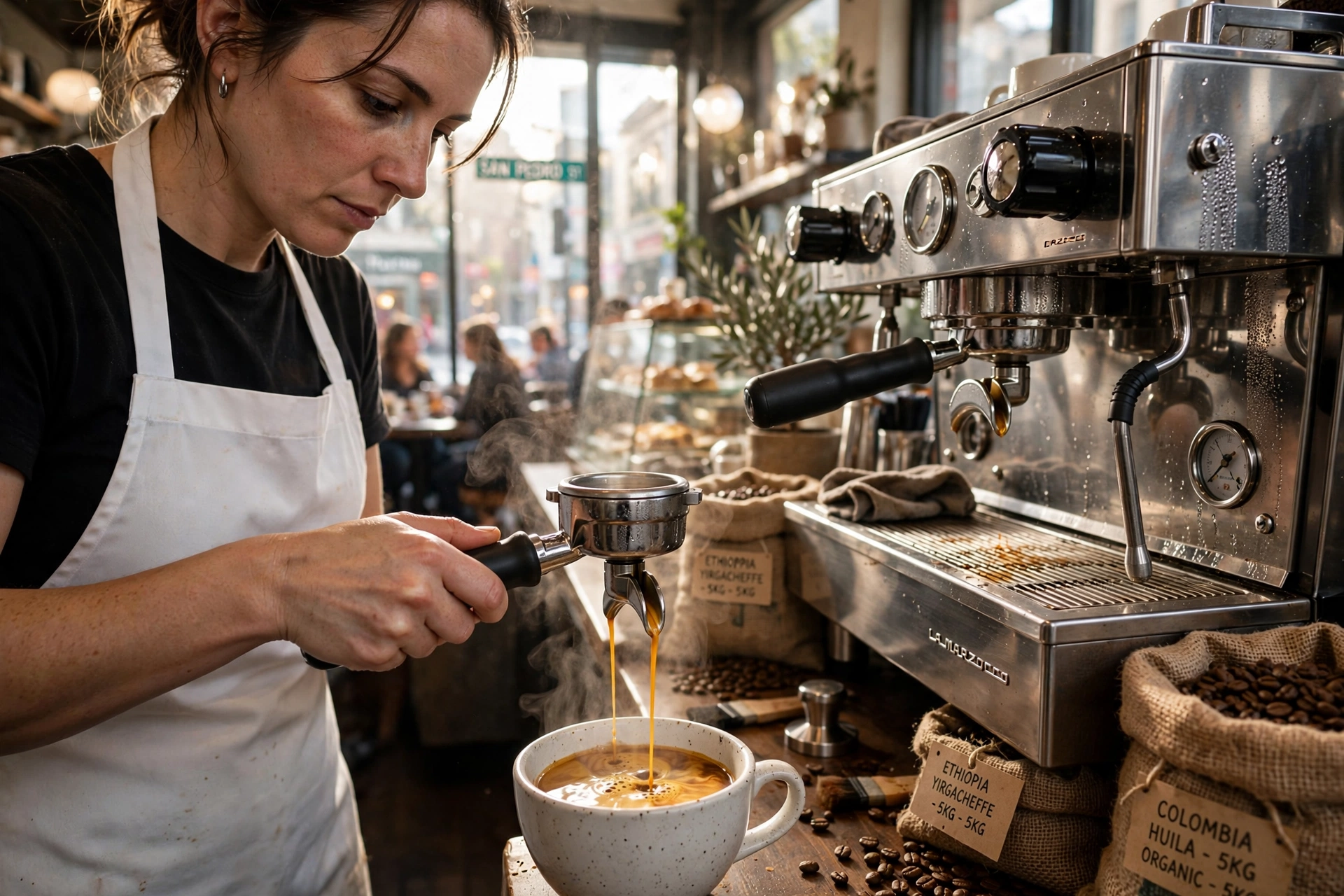
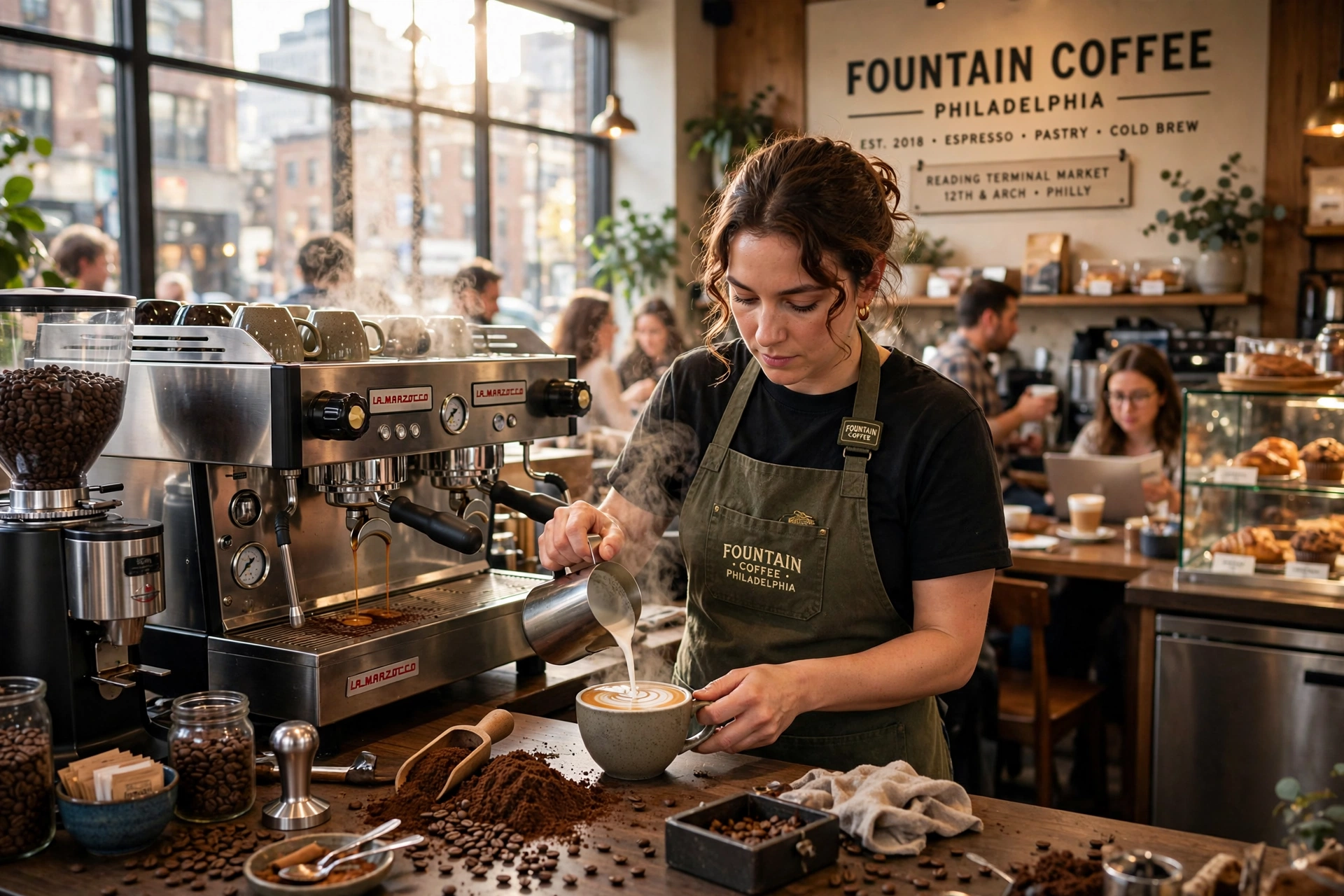
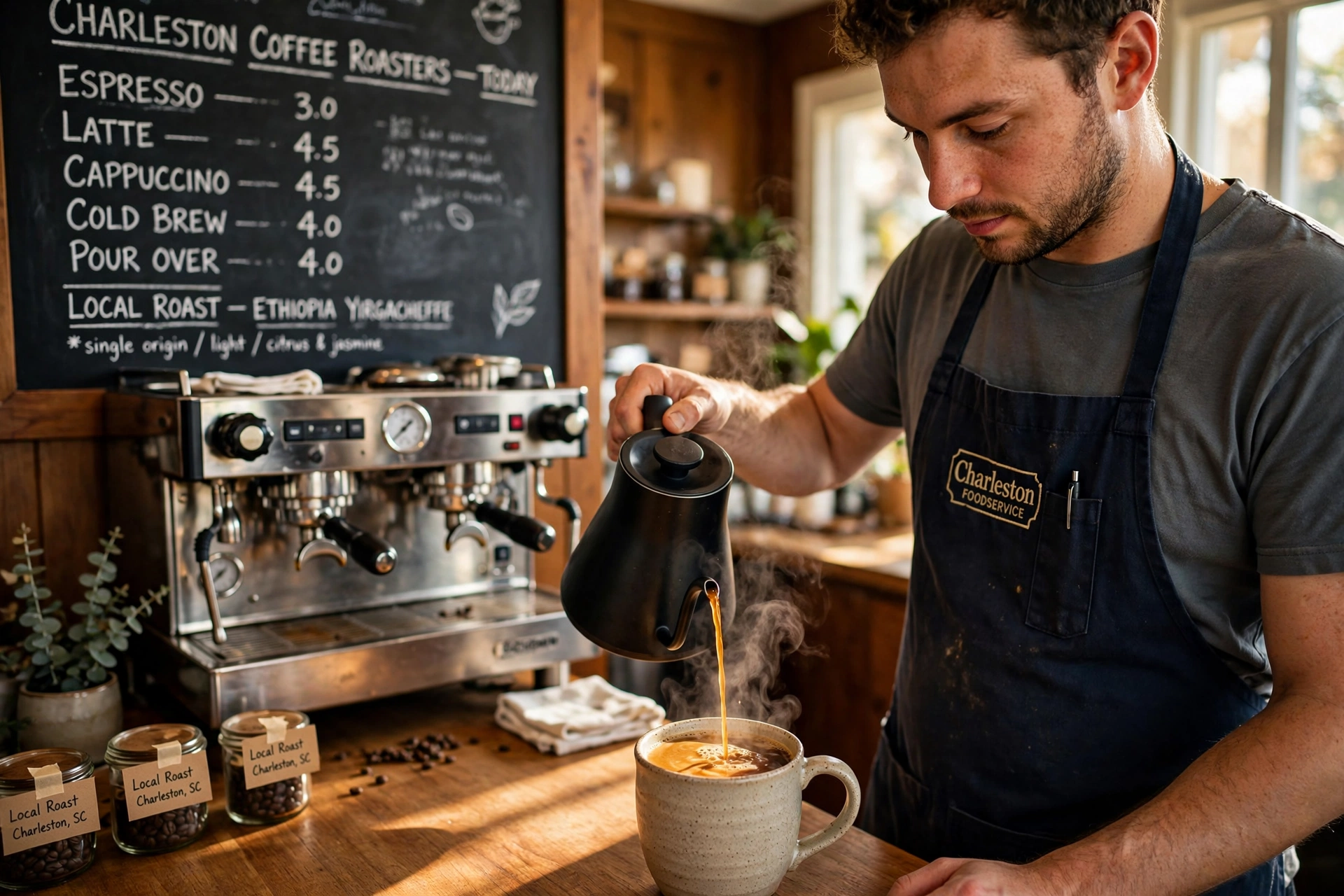
Running a high-volume restaurant or hotel in the Bayou City means battling a level of humidity and guest expectation that few other markets understand. A successful foodservice coffee program in Houston TX is not just about having a machine; it is a comprehensive strategy that integrates premium specialty coffee, industrial-grade equipment, and a reliable maintenance schedule to ensure every cup meets a high standard without slowing down your staff. For businesses in the Houston metro area, the best approach is a managed membership that removes capital expenditure (CAPEX) in favor of a predictable monthly fee, covering everything from SENSA equipment installation to professional barista training.
In my experience working with Southeast hospitality businesses, the most common failure point is the 'set it and forget it' mentality. I have seen countless Houston cafe owners buy an expensive espresso machine only to have it sit idle or underperform because they lacked a structured maintenance plan. The heat and humidity of the Gulf Coast can wreak havoc on equipment seals and grinders if they aren't managed correctly. When we build programs at Busy Bean Coffee, we focus on the operational flow—ensuring that your coffee service doesn't become a bottleneck during the breakfast rush or a liability during a Saturday brunch.
For those managing smaller teams or satellite offices within the city, optimizing your beverage setup is just as essential. You might find our guide on the Best Office Espresso Machines for Small Teams in 2026 helpful for balancing employee satisfaction with cost-efficiency.
Why Houston Businesses are Upgrading Their Coffee Programs?
Houston's culinary scene is one of the most competitive in the United States, and guests are increasingly viewing coffee as a signature part of the dining experience rather than a mere afterthought. The shift toward a professional foodservice coffee program in Houston TX is driven by the rise of 'specialty coffee' culture, where consumers demand traceability and precision in every brew. When guests visit a high-end establishment in the Heights or the Museum District, they expect a latte that looks and tastes like it came from a boutique roastery, not a generic commercial pot.
Data from the National Coffee Association USA (NCA) indicates that a significant portion of American adults now prefer specialty coffee over traditional brews, a trend that is amplified in urban hubs like Houston. This shift means that restaurants can no longer rely on basic drip machines if they want to maximize their average check size. Specialty coffee allows for premium pricing and higher margins, provided the quality is consistent.
Furthermore, the operational demands of the Houston market require equipment that can handle extreme volume without breaking down. According to research from the Specialty Coffee Association (SCA), the precision of water temperature and grind consistency is what separates a mediocre cup from a world-class experience. In a city where humidity affects the way coffee beans behave in the hopper, having equipment that is calibrated for the local environment is a competitive advantage. Businesses are adopting managed services to offload the technical burden of calibration and repair to experts, allowing them to focus on hospitality rather than troubleshooting machinery.

What Are the Key Benefits of a Managed Coffee Program?
Implementing a structured program transforms coffee from a cost center into a profit center. The primary objective is to remove the friction associated with equipment ownership and supply chain management. When you shift to a managed model, you are essentially outsourcing the risk of equipment failure and the stress of inventory management.
Elimination of Capital Expenditure
Most traditional setups require a massive upfront investment in equipment. A high-end espresso machine and grinder can cost thousands of dollars before you even buy your first bag of beans. A managed foodservice coffee program in Houston TX replaces this hit to your cash flow with a predictable monthly membership. This allows businesses to keep their capital for other growth initiatives, such as kitchen upgrades or marketing, while still providing guests with the highest tier of beverage service.
Guaranteed Equipment Uptime
In the foodservice industry, downtime is lost revenue. If your only espresso machine goes down on a Sunday morning, you aren't just losing the cost of the coffee; you're losing the high-margin pastry sales and the overall guest experience. Managed programs include full maintenance coverage. This means that instead of waiting days for a technician to arrive, you have a priority service agreement that keeps your business running. This is especially vital in Houston, where the high demand for air conditioning and refrigeration can sometimes strain electrical grids, leading to power surges that damage sensitive electronic components in coffee gear.
Consistent Quality and Training
Even the best machine is useless if the person operating it hasn't been trained. A comprehensive program includes ongoing training for your staff. This ensures that your baristas understand the nuances of Coffea arabica—the species responsible for most high-quality coffee—and how to steam milk to the perfect texture. When staff are confident, speed increases and waste decreases.
📚
Definition
Specialty Coffee refers to coffee that scores 80 points or above on a 100-point scale as evaluated by a certified grader, focusing on purity, flavor, and traceability.
Comparison of Coffee Service Approaches
| Feature | Traditional Purchase | Generic AI/Cheap Rental | Busy Bean Managed Service |
|---|---|---|---|
| Upfront Cost | Extremely High (CAPEX) | Low to Medium | Zero/Low (Membership) |
| Maintenance | Pay-per-visit (Slow) | Basic/Limited | All-Inclusive (Fast) |
| Quality | Variable (User-led) | Low (Generic Beans) | Premium (SCA Standards) |
| Training | Self-taught/Manuals | Minimal/Online | Professional On-site Training |
| Scalability | Hard (Buy more gear) | Moderate | Easy (Scale membership) |
💡
Key Takeaway
The shift from owning equipment to a managed membership model removes financial risk while guaranteeing that your coffee quality remains consistent regardless of staff turnover.
Real-World Examples from the Houston Market
I have seen a recurring pattern in Houston: businesses that transition from generic 'office-style' brewers to a professional foodservice coffee program in Houston TX see an immediate lift in their morning revenue. Here are two representative scenarios based on the results we've achieved.
Case Study 1: The Boutique Hotel in Downtown Houston
This client was struggling with a legacy system consisting of two aging drip machines and a low-end espresso maker that broke down weekly. Guests frequently complained about 'burnt' tasting coffee. We implemented a full SENSA equipment suite and a rotating selection of specialty roasts.
The Result: Within three months, their coffee-related revenue increased by 22%. More importantly, guest satisfaction scores regarding the breakfast experience rose from 3.2 to 4.8 stars. By removing the technical headache of maintenance, the hotel staff could focus on guest interaction rather than fighting with the machine.
Case Study 2: The High-Volume Brunch Spot in The Heights
This restaurant had a high-quality machine but no structured program. They were losing approximately 15% of their coffee inventory due to improper dosing and waste by untrained staff. We stepped in to provide a managed service that included bi-weekly calibration and a rigorous training program for their baristas.
The Result: Waste was reduced to less than 3%, and the speed of service during the 10 AM to 1 PM rush improved by an estimated 12 minutes per order. The consistency of the brew meant they could confidently charge a premium for their lattes, increasing their average ticket price by $2.50 per guest.
How to Get Started with a Professional Coffee Program
Building a program that lasts requires a strategic approach rather than just buying a machine. If you want to launch a successful foodservice coffee program in Houston TX, you need to follow a sequence that prioritizes infrastructure first and aesthetics second.
Step 1: Analyze Your Volume and Flow
Before selecting equipment, map out your peak hours. Are you doing 50 lattes an hour or 500? Your equipment needs differ wildly based on these numbers. A small cafe might thrive with a two-group machine, while a large hotel lobby may need an automated solution to maintain speed. If you are managing multiple locations, you might also look into specialized regional services, such as an Automated Coffee Service in Fort Worth TX or similar regional guides, to see how volume is handled in different Texas markets.
Step 2: Prioritize Equipment Certification
Do not overlook the technical specs. Ensure all equipment is certified by recognized bodies. For instance, NSF International provides the gold standard for food equipment safety and sanitation (NSF/ANSI 4). Using non-certified gear in a commercial kitchen is a liability that can lead to health code violations and safety risks. At Busy Bean Coffee, we only deploy equipment that meets these rigorous safety and performance standards.
Step 3: Establish a Quality Control Cycle
Coffee is a volatile product. The roasting date, the humidity in Houston, and the mineral content of your water all change the taste. You need a program that includes regular calibration. This means adjusting the grind size and the dose to ensure the extraction time is perfect. This is where a managed service beats a purchase; we handle the calibration so your staff doesn't have to guess why the espresso tastes sour today.
Step 4: Implement Staff Training
Your baristas are the face of your brand. Training should cover not only the 'how' (how to pull a shot) but the 'why' (why we use a specific temperature). When staff understand the science of coffee roasting and extraction, they can troubleshoot small issues on the fly and upsell guests on specialty options. For those looking to elevate the visual appeal of their drinks, knowing where to buy latte art tools can help your staff create the 'Instagrammable' moments that drive free organic marketing for your business.

Common Objections and the Data-Backed Reality
Many business owners hesitate to move to a managed program because they are operating on outdated assumptions. Let's address the most common myths I encounter when discussing a foodservice coffee program in Houston TX.
Objection 1: "It is cheaper to just buy the machine and do it ourselves."
Most people assume the initial cost is the only expense. However, the data shows that the 'True Cost of Ownership' (TCO) includes unplanned repairs, lost revenue during downtime, and the cost of wasted beans due to poor calibration. According to industry benchmarks, a single day of downtime for a primary espresso machine in a high-volume cafe can cost between $500 and $2,000 in lost gross profit. A managed membership converts this unpredictable risk into a fixed, manageable cost.
Objection 2: "My staff can just learn from YouTube; I don't need professional training."
While YouTube is great for basics, it cannot replace on-site, equipment-specific training. I've seen dozens of companies attempt this, and the result is almost always inconsistent quality. Professional training reduces milk waste by up to 20% and increases the lifespan of the machine by preventing common user errors, such as improper back-flushing or failing to clean the steam wand.
Objection 3: "I don't want to be locked into a membership."
In practice, the 'lock-in' of a membership is actually a guarantee of service. When you buy a machine from a big-box retailer, you are on your own once the warranty expires. A membership ensures that you are a priority client. The flexibility of our programs at Busy Bean Coffee is designed to scale with your business, meaning as your volume grows, your service levels evolve to meet that demand.
Frequently Asked Questions
What exactly is included in a managed foodservice coffee program in Houston TX?
Our managed programs are designed as all-inclusive memberships. This typically includes the provision of high-end SENSA equipment (espresso machines, grinders, and brewers), professional installation, and a comprehensive maintenance package. Beyond the hardware, the membership provides exclusive pricing on premium specialty coffee beans and ongoing barista training. Instead of dealing with multiple vendors for equipment, coffee, and repairs, you have a single point of contact. This ensures that the equipment is always calibrated to the specific roast of the beans you are using, maintaining a consistent flavor profile for your guests.
How does a managed service help with Houston's specific climate challenges?
Houston's extreme humidity and heat significantly affect both the coffee bean and the machinery. High humidity can cause coffee grounds to clump in the grinder, leading to inconsistent dosing and poor extraction. Furthermore, the heat can put additional stress on the cooling systems of high-performance machines. A managed service provides regular, professional calibration and preventative maintenance. We adjust the equipment to account for these atmospheric changes and ensure that seals and gaskets are replaced before they fail, preventing the sudden breakdowns that often plague unmanaged setups during the peak of a Texas summer.
Which is better for my business: an automated machine or a manual espresso machine?
The answer depends entirely on your staffing levels and your brand positioning. Automated machines are ideal for high-volume environments where speed and consistency are the priority, and you may not have a dedicated, trained barista on every shift. They ensure that every cup is identical, which is vital for hotels and large corporate cafeterias. Manual or semi-automatic machines are better for 'third-wave' coffee shops or upscale restaurants where the craft of the barista is part of the guest experience. A professional foodservice coffee program in Houston TX will help you analyze your specific flow to determine which technology fits your operational goals.
How do I ensure my coffee program meets health and safety regulations?
Compliance starts with using equipment that is NSF International certified. The FDA provides strict guidelines on food and beverage safety, and using non-certified commercial gear can lead to significant regulatory issues. A managed program ensures that your equipment is not only certified but also maintained according to sanitary standards. This includes regular deep-cleaning of internal components and the use of filtered water systems to prevent scale buildup, which can otherwise harbor bacteria and affect the taste of the coffee.
Can I transition my existing equipment into a managed program?
While we specialize in deploying our own high-performance SENSA equipment to guarantee a specific standard of quality, we can certainly evaluate your existing setup. In many cases, the cost of repairing old, inefficient gear is higher than the monthly cost of a new membership. We provide a comprehensive audit of your current workflow, identifying bottlenecks and quality gaps. If your current gear is compatible with our quality standards, we can discuss a hybrid approach, but for most Houston businesses, a full upgrade to a managed suite is the most cost-effective way to ensure long-term reliability and ROI.
Final Thoughts on Foodservice Coffee Program in Houston TX
Building a world-class beverage experience requires more than just a bit of caffeine and a machine; it requires a commitment to precision, consistency, and operational excellence. Whether you are running a boutique bistro in the Heights or a luxury hotel in Downtown, the goal is the same: providing a product that enhances your brand and drives repeat business. A professional foodservice coffee program in Houston TX allows you to deliver that experience without the crushing weight of equipment maintenance and capital risk.
Stop guessing with your coffee quality and start treating it as a strategic asset. By partnering with experts who understand the unique challenges of the Texas market, you can ensure your guests receive a perfect cup every time they visit. Ready to elevate your beverage game? Visit Busy Bean Coffee today to explore our managed memberships and see how we can transform your coffee service into a high-margin revenue driver.
Free Coffee Pairing Guide & Specialty Roast Cheat Sheet
Unlock the secrets of perfect brewing ratios, water temperatures, and specialty roast profiles. Download the guide.