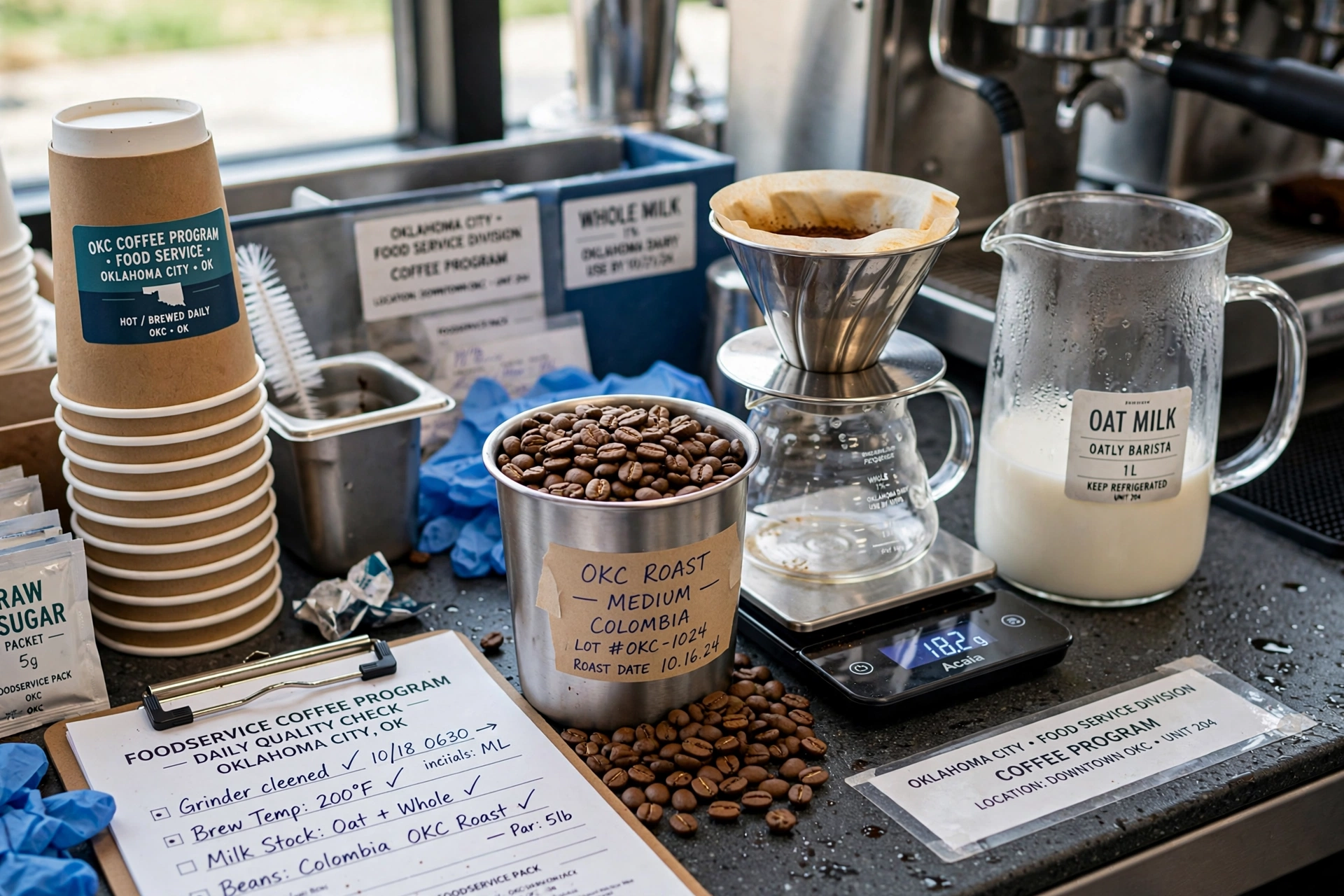
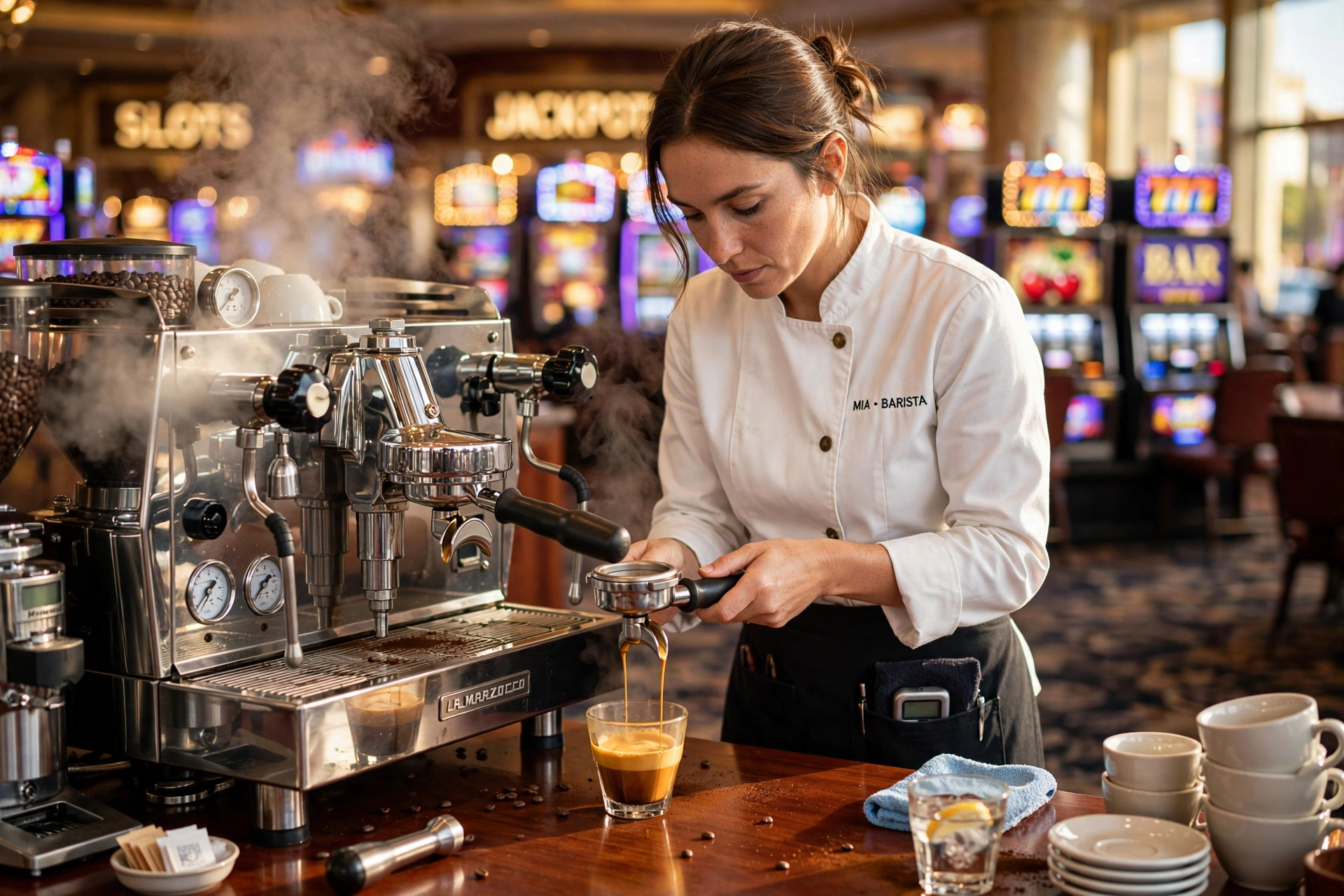
Running a restaurant or hotel in the Bull City means competing with some of the most sophisticated palates in the Southeast. To stand out, you need more than just a pot of coffee; you need a professional foodservice coffee program in Durham NC that integrates premium equipment, consistent roasting, and seamless maintenance. At Busy Bean Coffee, we provide an all-inclusive managed membership that eliminates the capital expense of high-end machinery while ensuring your guests receive a specialty-grade beverage every single time. Whether you are a boutique hotel near downtown or a high-volume bistro, the right program turns a basic amenity into a high-margin profit center.
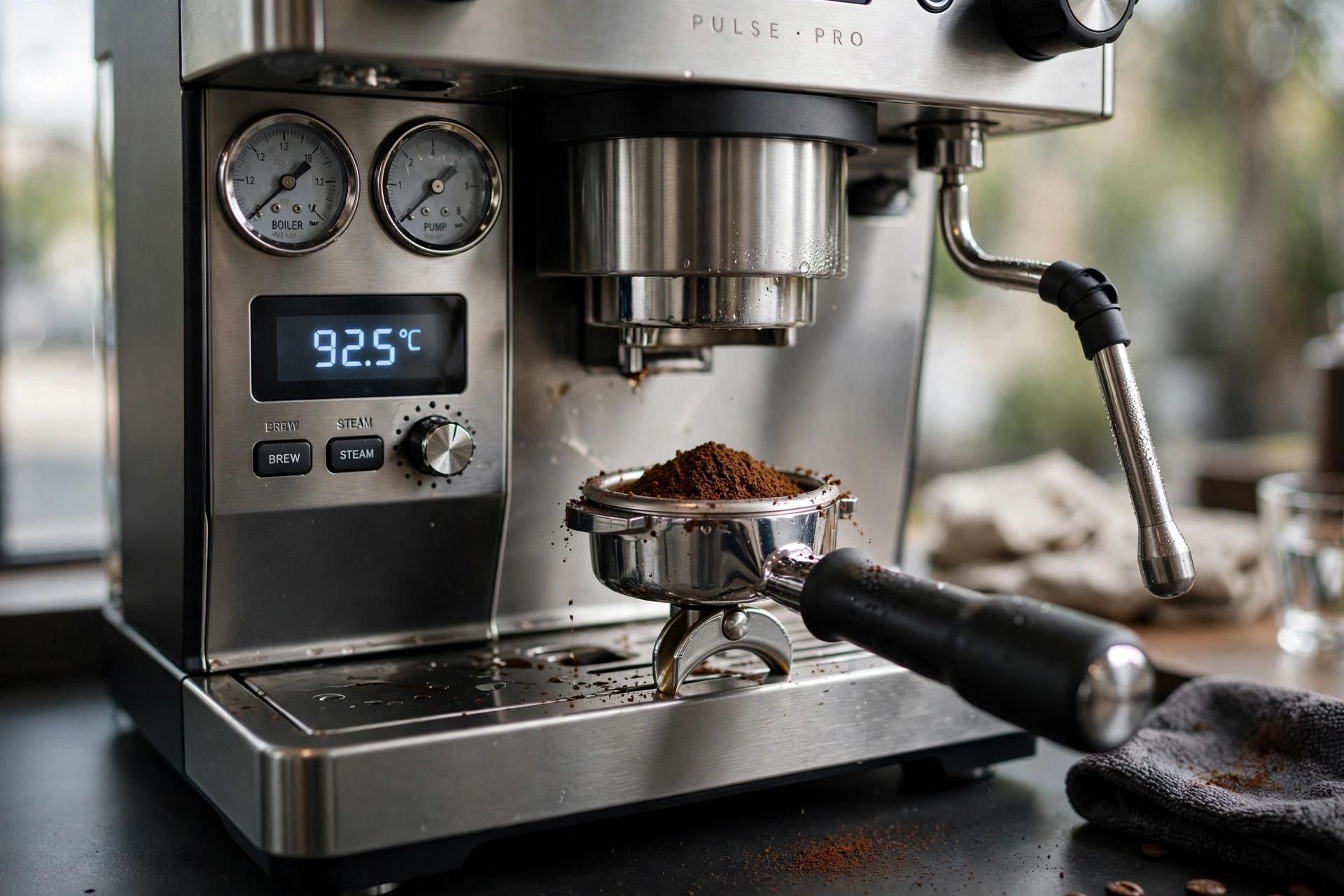
In my experience working with foodservice businesses across the Southeast, the most common failure point isn't the bean quality, but the equipment consistency. I have seen countless operators buy a top-tier machine only to have it sit idle for three days because a seal broke and they didn't have a local technician. That is why we shifted to a managed model. By bundling the equipment, the maintenance, and the beans, we remove the operational friction that kills margins in the hospitality sector.
For those managing smaller footprints or corporate environments, exploring the Best Office Espresso Machines for Small Teams in 2026 can provide a baseline for the quality levels your customers now expect in a professional setting.
Why Durham NC Businesses are Adopting Professional Coffee Programs?
Durham's rapid growth as a tech and healthcare hub has shifted consumer expectations. Guests are no longer satisfied with 'standard' coffee; they are seeking a curated experience. This trend is driven by the proximity to the Research Triangle Park and a demographic that values transparency and quality in their consumption. According to the National Coffee Association USA, there has been a significant rise in the consumption of specialty coffee across the US, with a particular lean toward high-quality espresso-based drinks among younger professionals.
In Durham, this manifests as a demand for transparency in the supply chain and a preference for Coffea arabica over lower-grade blends. When a business implements a structured foodservice coffee program, they are essentially professionalizing their beverage menu. It is no longer about 'having coffee' on the menu; it is about offering a specific roast profile that complements the food. This strategic shift allows businesses to increase their average check size by positioning coffee as a premium add-on rather than a complimentary afterthought.
Furthermore, the operational intensity of the Durham market requires reliability. When you are dealing with the morning rush of commuters and university staff, equipment downtime is a direct loss of revenue. The shift toward managed services is a response to the labor shortage in the hospitality industry. By utilizing automated or semi-automated high-performance machines, businesses can maintain quality without needing a master barista on every single shift. This balance of technology and taste is what separates the thriving cafes from those struggling to keep up with the pace of 2026.
What Are the Key Benefits for Durham NC Foodservice Businesses?
Implementing a professional coffee program provides a multifaceted advantage that impacts both the balance sheet and the guest experience. The primary driver is the transition from a variable cost model to a predictable operational expense.
Increased Profit Margins through Premium Positioning
When you move from generic coffee to a specialty coffee program, you change the perceived value of the drink. A standard cup of drip coffee might sell for $2.50, but a properly executed latte using professional-grade equipment and high-quality beans can easily command $5.50 to $7.00. The cost of goods sold (COGS) does not increase proportionally to the price jump, meaning the margin expands significantly. In practice, this means the coffee program often pays for its own monthly membership fee and generates a net profit.
Operational Reliability and Reduced Downtime
Equipment failure in a busy restaurant is a nightmare. A broken espresso machine during a Sunday brunch rush can cost a business hundreds of dollars in lost sales and lead to negative online reviews. A managed program includes proactive maintenance. Instead of waiting for a machine to break, the system is monitored and serviced regularly. This ensures that the espresso machine is always calibrated to the correct temperature and pressure, which is essential for extracting the full flavor profile of the coffee bean.
Enhanced Guest Satisfaction and Loyalty
Coffee is often the last thing a guest tastes before leaving your establishment. If that experience is bitter or lukewarm, it colors their entire perception of the meal. By using professional equipment and a consistent roast, you ensure a high-quality finish. This is especially important in a city like Durham, where the coffee culture is deeply ingrained. Guests recognize the difference between a commercial-grade roast and a specialty roast.
💡
Key Takeaway
The most significant benefit of a managed coffee program is the elimination of capital risk; you get world-class equipment and maintenance for a predictable monthly fee instead of a massive upfront investment.
To see how this compares to other approaches, consider the following table:
| Feature | Traditional Purchase | Cheap/Generic AI-Led Service | Busy Bean Managed Program |
|---|---|---|---|
| Upfront Cost | Very High ($10k+) | Low | Zero/Low |
| Maintenance | Reactive (You pay per call) | Minimal/Remote only | Proactive & Included |
| Bean Quality | Variable/Wholesale | Generic/Industrial | Specialty Grade |
| Consistency | Drops over time | Inconsistent | High (Calibrated) |
| Financial Risk | High Depreciation | Low quality, low loyalty | Predictable Monthly OPEX |
For those looking to expand their beverage offerings, knowing where to buy latte art tools for foodservice pros can help your staff elevate the visual presentation to match the taste quality.
Real-World Examples of Program Success in the Southeast
I have seen the transformation firsthand when a business moves from a fragmented coffee approach to a managed system. The data consistently shows that consistency leads to higher repeat visit rates.
Example 1: The Boutique Hotel Shift
A 40-room boutique hotel in the Southeast was using a basic drip system in their lobby and a low-end espresso machine in their breakfast area. They faced two problems: constant equipment breakdowns and a lack of consistency in taste. After implementing a managed foodservice coffee program, they replaced their equipment with high-performance SENSA machines.
The Result: Their coffee-related revenue increased by 22% within the first quarter. More importantly, their guest satisfaction scores regarding the breakfast experience rose from 3.8 to 4.7 stars. The hotel stopped worrying about repair bills because the maintenance was bundled into their membership, allowing the manager to focus on guest relations rather than troubleshooting machinery.
Example 2: The High-Volume Bistro
A busy bistro was struggling with a high turnover of staff, meaning the quality of their lattes varied wildly depending on who was behind the counter. They were losing money on wasted milk and poorly extracted shots. We implemented a program focusing on semi-automated precision and staff training.
The Result: Waste was reduced by 15%, and the speed of service during peak hours improved by roughly 30 seconds per drink. By standardizing the process and the equipment, they achieved a consistent product regardless of the staff member on duty. This stability allowed them to introduce a seasonal specialty menu that increased their average ticket by $4.00 per guest.

How to Get Started with a Professional Foodservice Coffee Program
Transitioning to a professional program should not disrupt your daily operations. The goal is a seamless integration that improves your workflow from day one. Based on the patterns I have seen with our most successful clients, the following steps are essential.
Step 1: Audit Your Current Volume and Flow
Before selecting equipment, you must analyze your peak hours. Are you doing 20 coffees an hour or 200? The equipment required for a slow-paced brunch spot is vastly different from what a high-traffic downtown cafe needs. We look at your current menu and identify where the gaps are. For instance, if you have high demand for lattes but a slow machine, you are creating a bottleneck in your service.
Step 2: Select the Right Equipment Tier
Not every business needs a three-group head espresso machine. Some are better served by a high-end automated system that ensures quality without requiring a dedicated barista. We help you choose equipment that fits your skill level and volume. This is where the Busy Bean Coffee membership shines; we provide the equipment without the crushing capital expense, allowing you to scale as your business grows.
Step 3: Calibrate Your Roast Profile
Not all coffee beans are created equal. Depending on whether your coffee is served black, with cream, or as part of a complex latte, you need a different roast. We work with you to select a profile that complements your food menu. This ensures that the coffee enhances the meal rather than overpowering it.
Step 4: Staff Integration and Training
Even the best machine is useless if the staff doesn't know how to maintain it. A professional program includes training on daily cleaning, milk steaming techniques, and dialing in the grind. This prevents the 'drift' in quality that happens over time. If you are expanding into other regions, you might find our white glove coffee service in Los Angeles CA a useful benchmark for the level of training and support a premium program should provide.
Step 5: Implement a Maintenance Schedule
This is the most overlooked step in traditional setups. A professional program treats maintenance as a non-negotiable part of the operation. This includes water filtration changes, group head cleaning, and regular technician visits. By automating this schedule, you ensure the longevity of the hardware and the consistency of the flavor.
Common Objections to Managed Coffee Programs
Many operators are hesitant to move to a managed model because they are used to the 'ownership' mindset. However, this mindset often masks the hidden costs of ownership.
Objection: "I'd rather just own my equipment outright."
Most people assume ownership equals control, but in the foodservice world, ownership often equals liability. When you own a $15,000 machine, you are responsible for every gasket, every pump failure, and every calibration drift. According to standards from NSF International, commercial food equipment requires rigorous sanitation and maintenance to meet health codes. In a managed program, that liability shifts to the provider. You aren't paying for a machine; you are paying for the guarantee of a working machine.
Objection: "A monthly fee sounds more expensive than buying a machine."
This is a common misconception based on short-term thinking. When you factor in the cost of the machine, the inevitable repair bills, the cost of sourcing specialty beans, and the depreciation of the asset, the managed model is almost always more cost-effective. It converts a large, risky capital expenditure into a predictable monthly operating expense (OPEX), which is significantly better for cash flow management.
Objection: "I can just buy beans from a wholesaler."
Wholesale beans are often roasted in massive batches and sit in warehouses, losing their volatile aromatic compounds. Specialty coffee relies on freshness and precision. A managed program ensures you receive fresh roasts tailored to your specific equipment. This difference in quality is what allows you to charge a premium price to your guests. If you are looking for delivery options in other North Carolina hubs, our coffee delivery service in Charlotte NC demonstrates how we maintain freshness across the region.
Frequently Asked Questions
How does a managed coffee program differ from a traditional lease?
A traditional lease is essentially a financing agreement for hardware; you still have to manage the beans, the training, and often the maintenance. A managed program, like the one offered by Busy Bean Coffee, is a comprehensive service. It bundles the high-end equipment, the specialty coffee beans, and the full maintenance coverage into one monthly fee. This means you aren't just leasing a machine; you are outsourcing the entire coffee operation to experts, ensuring consistency and reliability without the operational headache of managing multiple vendors.
What happens if my espresso machine breaks during a rush?
In a managed program, reliability is the core product. Because we provide proactive maintenance, breakdowns are significantly less frequent than in ownership models. However, if an issue does occur, you have a direct line to professional support. Instead of searching for a technician and waiting for a quote, you have a service agreement that prioritizes your business. Our goal is to minimize downtime to ensure that your revenue stream remains uninterrupted, which is a critical advantage for high-volume foodservice environments in Durham.
Can I customize the coffee roast to match my specific menu?
Absolutely. One of the primary advantages of a professional foodservice coffee program is the ability to align the flavor profile of the coffee with your food offerings. Whether you serve a heavy, savory breakfast or a light, dessert-focused menu, the roast can be adjusted to complement those flavors. We analyze your menu and suggest a roast profile—ranging from light and fruity to dark and chocolatey—that enhances the guest's overall dining experience, ensuring the coffee feels like an integrated part of the meal.
Is specialty coffee really that much more profitable than standard coffee?
Yes, the profitability lies in the perceived value. Standard coffee is viewed as a commodity, which leads to price wars and low margins. Specialty coffee, characterized by high-quality beans and precise preparation, is viewed as an experience. This allows you to move from a $2.00 price point to a $6.00 price point for a latte. Even with the higher cost of premium beans, the margin per cup is significantly higher, and the attraction of a 'premium coffee program' often draws in a more affluent customer base.
Do I need a full-time barista to run a professional program?
Not necessarily. Modern professional equipment, particularly the systems we provide at Busy Bean Coffee, is designed to bridge the gap between manual art and automated precision. While a skilled barista is always a plus, our equipment ensures that a well-trained staff member can produce a consistent, high-quality beverage. Through a combination of the right technology and our staff training modules, you can maintain specialty-grade quality without the overhead of a master barista on every single shift.
Final Thoughts on a Foodservice Coffee Program in Durham NC
Creating a standout beverage experience is no longer optional for Durham businesses; it is a requirement for staying competitive in a city that values quality and authenticity. A professional foodservice coffee program in Durham NC allows you to stop worrying about the technical failures of your equipment and start focusing on the growth of your business. By shifting the risk and the maintenance to a partner like Busy Bean Coffee, you ensure that every guest receives a perfect cup, every single time.
Whether you are looking to revitalize your breakfast service or create a new revenue stream with a premium espresso menu, the path to success is consistency. Stop gambling with unpredictable equipment and generic beans. Visit www.busybeancoffee.com today to learn how our all-inclusive managed memberships can transform your coffee service into a high-margin asset.
For those managing services in other metropolitan areas, we also offer specialized solutions like our automated coffee service in Wilmington NC to ensure quality regardless of location.
Free Coffee Pairing Guide & Specialty Roast Cheat Sheet
Unlock the secrets of perfect brewing ratios, water temperatures, and specialty roast profiles. Download the guide.