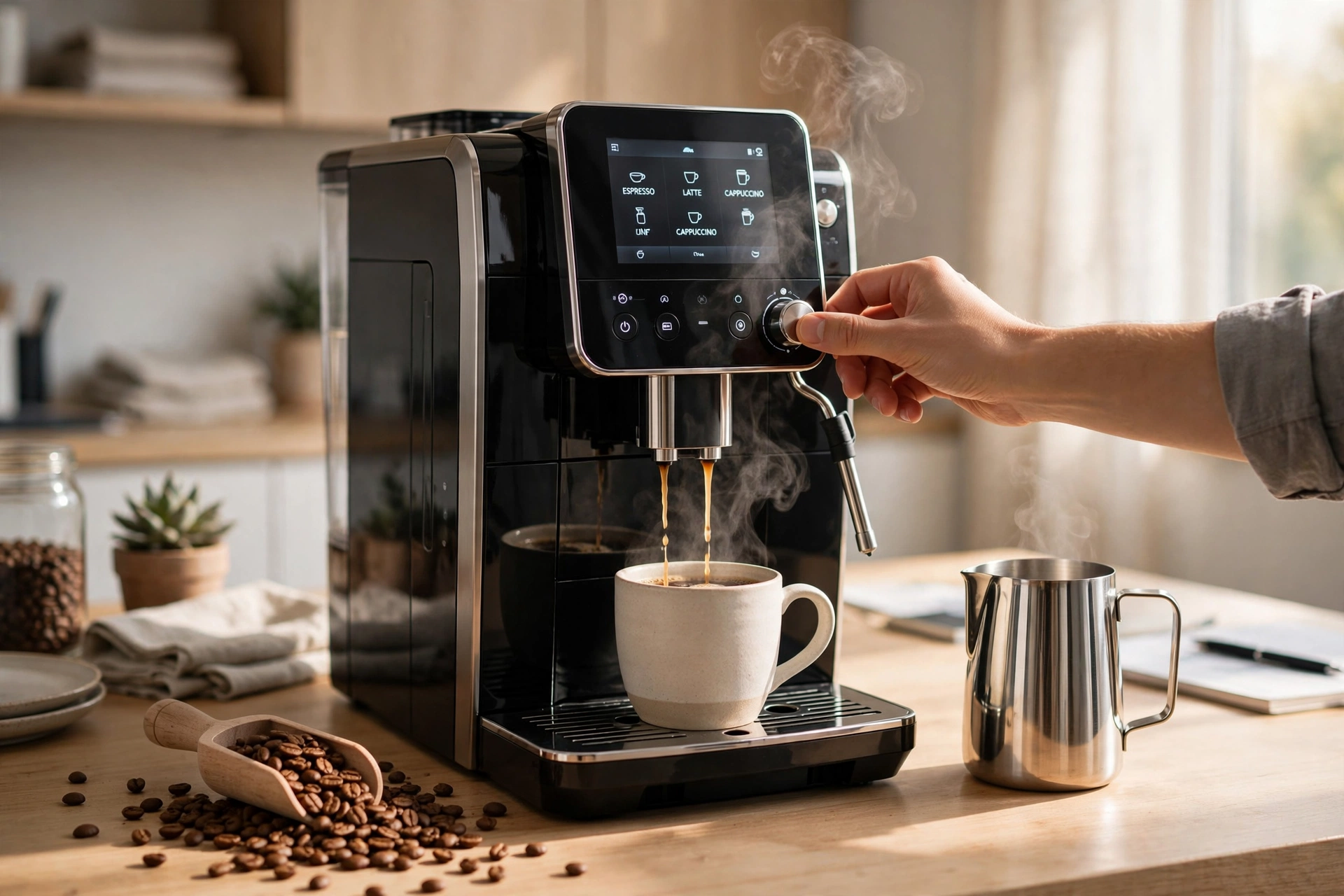
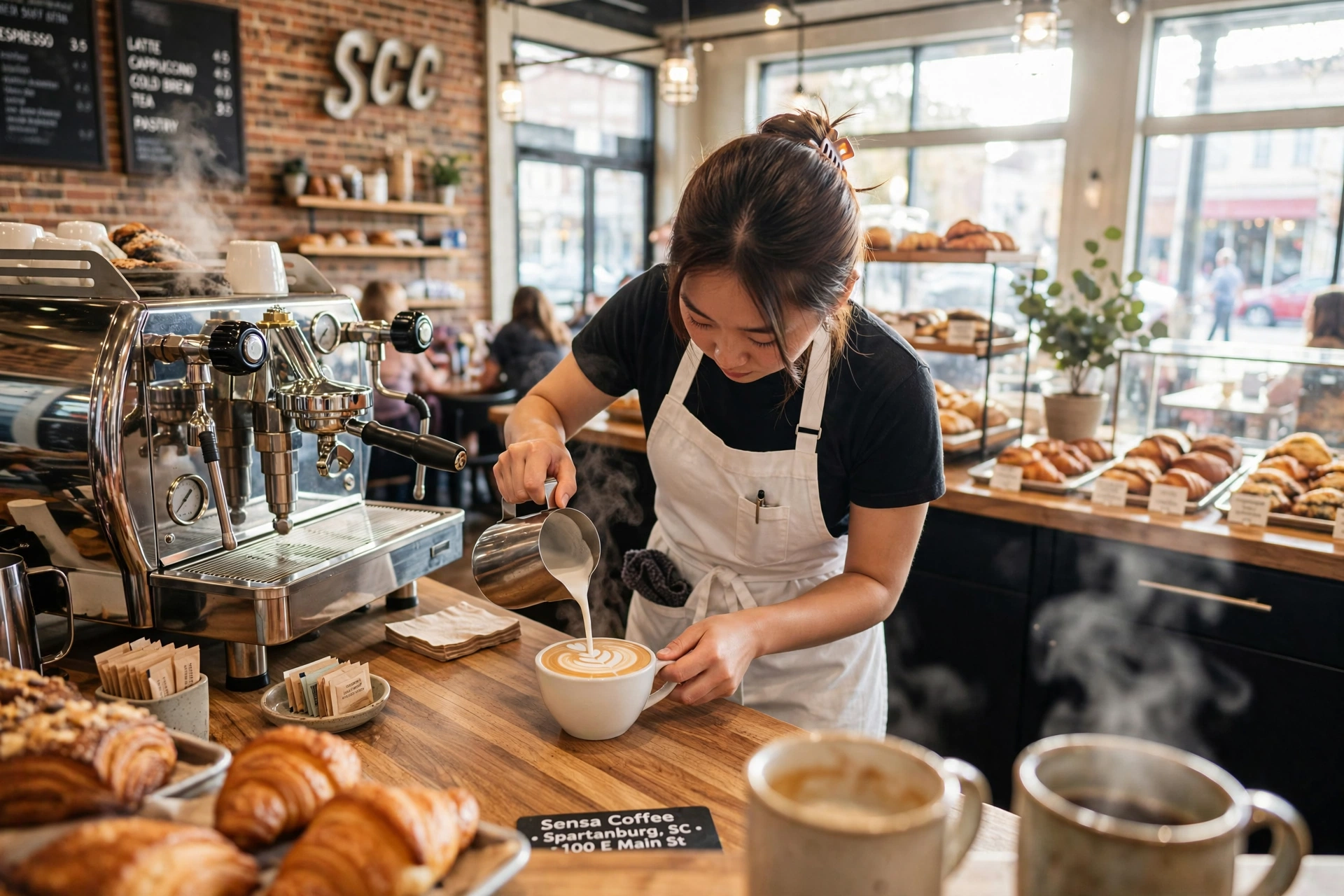
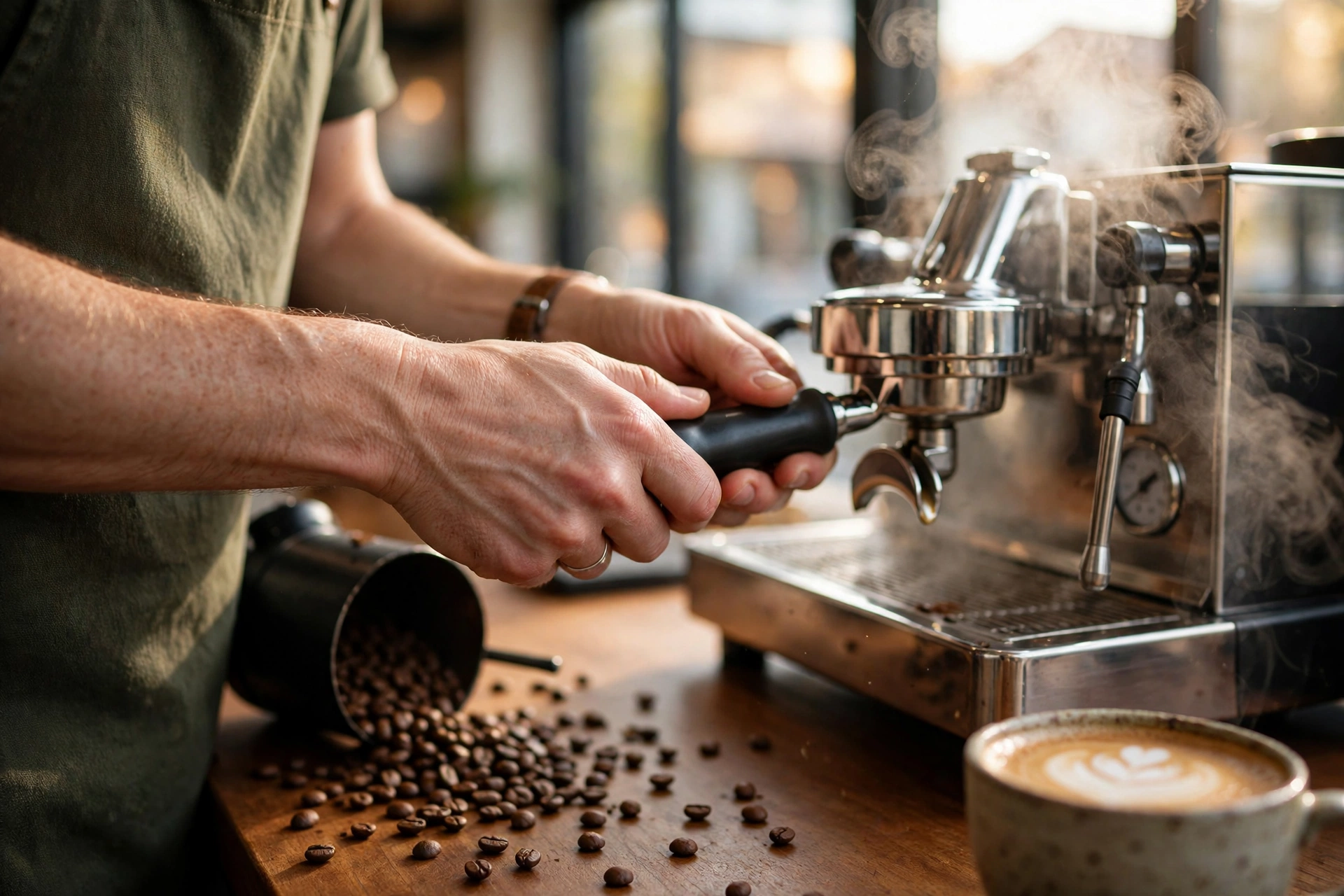
Most restaurant owners in Central Ohio treat coffee as an afterthought, only to realize it is one of their highest-margin items when managed correctly. A professional foodservice coffee program in Columbus OH is a fully integrated system that combines high-end brewing equipment, a consistent supply of specialty coffee, and a managed maintenance schedule to ensure zero downtime during the morning rush. For businesses in the Short North or near the Ohio State campus, this means moving away from inconsistent drip pots to a scalable, professional beverage solution that drives customer loyalty and increases average ticket prices.
In my experience working with hospitality businesses across the Midwest, the biggest mistake I see is the 'equipment-first' mentality. Owners buy an expensive machine but have no plan for calibration or technician support. This leads to burnt coffee and expensive downtime. When we design a program at Busy Bean Coffee, we focus on the operational flow—ensuring that your staff can produce a consistent cup of Coffea arabica without needing a master's degree in chemistry, while you enjoy a predictable monthly cost.
For those managing smaller corporate footprints, looking into the Best Office Espresso Machines for Small Teams in 2026 can provide a similar quality boost for internal staff and clients.
Why Columbus OH Businesses are Adopting Managed Coffee Programs
Columbus is currently experiencing a surge in the "specialty" movement, where consumers are no longer satisfied with generic, burnt coffee. Whether it is a bistro in German Village or a high-volume diner in the suburbs, the expectation for a high-quality coffee bean has shifted. This shift is backed by data; according to the National Coffee Association USA, there is a continuing trend toward specialty coffee consumption, with a significant percentage of American adults now preferring specialty brews over traditional blends.
In the Columbus market, the competition is fierce. When a customer chooses where to have brunch, the quality of the espresso machine and the skill of the barista are often deciding factors. Many local operators are moving toward managed programs because the capital expenditure (CapEx) of buying industrial equipment is too high, and the risk of equipment failure is too costly. A managed program converts that risk into a predictable operational expense (OpEx).
Furthermore, the Specialty Coffee Association (SCA) emphasizes that precision in temperature and dosing is what separates a mediocre cup from a world-class one. For a busy foodservice operation in Ohio, achieving this precision manually every single morning is nearly impossible without the right automated systems. By integrating a professional coffee service, businesses can ensure that every shot of espresso is pulled at the exact standard, regardless of who is behind the counter.

Key Benefits of a Professional Foodservice Coffee Program
Implementing a dedicated program isn't just about the taste; it is about the bottom line. When you stop treating coffee as a commodity and start treating it as a curated experience, your margins shift dramatically.
Predictable Monthly Costs and Zero CapEx
One of the most significant burdens for Columbus restaurateurs is the upfront cost of high-end equipment. A professional-grade espresso machine can easily cost thousands of dollars. Managed programs remove this barrier. Instead of a massive initial investment, businesses pay a flat monthly fee that covers the equipment, the installation, and the ongoing maintenance. This allows you to keep your cash flow liquid for other priorities, like marketing or staff training.
Elimination of Equipment Downtime
There is nothing more damaging to a morning rush than a broken brewer. In a traditional setup, you call a technician, wait three days for a part, and lose thousands in potential revenue. In a managed program, maintenance is proactive. We monitor the health of the equipment and provide rapid-response support. This level of reliability is similar to the high-touch support found in a White Glove Coffee Service in Los Angeles CA, tailored for the specific needs of the Ohio market.
Consistent Quality and Brand Reputation
Consistency is the hallmark of a successful foodservice brand. If your coffee tastes great on Tuesday but bitter on Thursday, you lose customer trust. By using standardized coffee roasting profiles and precision-calibrated equipment, you ensure that every customer receives the same premium experience. This is especially important when dealing with high-volume flows where human error is more likely to occur.
💡
Key Takeaway
The primary value of a managed coffee program is the transition from unpredictable equipment failure and high upfront costs to a stable, scalable operational model with guaranteed quality.
Comparison: Coffee Program Models
| Feature | Traditional Purchase | Generic/Cheap Lease | Busy Bean Managed Program |
|---|---|---|---|
| Upfront Cost | Very High (Thousands) | Moderate | Zero/Low |
| Maintenance | Pay-per-visit (Expensive) | Limited/Slow | All-Inclusive / Proactive |
| Coffee Quality | Varies by supplier | Low-grade commodity | Premium Specialty Grade |
| Technical Support | Third-party (Unreliable) | Basic | Dedicated Expert Support |
| Scalability | Difficult/Costly | Limited | Highly Flexible |
Real-World Examples from Columbus Operations
To illustrate the impact of a structured program, let's look at two distinct scenarios we've encountered in the region.
Case Study 1: The High-Volume Breakfast Cafe
A local Columbus cafe was using three separate, aging drip brewers and a consumer-grade espresso machine. They were experiencing significant waste due to coffee burning in the pots and frequent machine breakdowns during the 7 AM to 10 AM peak. After switching to a managed foodservice coffee program, they replaced their haphazard setup with high-efficiency automated brewers and a commercial espresso machine.
The Result: They saw a 22% increase in coffee-related revenue within the first 90 days. More importantly, their waste decreased by 15% because the new equipment maintained the coffee at the ideal temperature without scorching the beans. The staff's stress levels dropped because they no longer feared a machine failure during the rush.
Case Study 2: The Boutique Hotel Lobby
A boutique hotel in downtown Columbus wanted to elevate its guest experience but didn't have a full-time barista on staff. They were using a basic pod-based system that felt cheap and generated excessive plastic waste. We implemented a semi-automated specialty coffee program that provided the quality of a cafe with the ease of a push-button interface.
The Result: Guest satisfaction scores regarding the breakfast experience rose by 30%. The hotel was able to charge a premium for their "Signature Roast," turning a complimentary service into a subtle profit center while reducing their environmental footprint by eliminating pods. For those looking for similar high-end setups in other regions, our White Glove Coffee Service in Denver CO provides a blueprint for this luxury approach.
How to Get Started with Your Foodservice Coffee Program
Transitioning to a professional system doesn't have to be disruptive. The goal is to integrate the new program into your existing workflow without stopping service. Here is the professional path to implementation.
Step 1: Volume and Flow Analysis
Before choosing a machine, you must analyze your peak hours. Are you serving 50 lattes an hour or 500? We look at your footprint—how much counter space is available and where the water lines are located. In my experience, many businesses overbuy equipment they don't need or buy a machine that creates a bottleneck in the kitchen. A proper audit prevents these costly mistakes.
Step 2: Selecting the Roast Profile
Not all coffee fits every menu. A heavy, dark roast might pair well with a classic diner breakfast, while a bright, acidic Ethiopian roast is better for a modern bistro. We help you select a blend that complements your food offerings. This process involves tasting sessions to ensure the coffee bean aligns with your brand identity.
Step 3: Equipment Installation and Staff Training
Installation is only half the battle. The real magic happens during training. We don't just show your staff how to turn on the machine; we teach them about extraction, milk texturing, and cleaning protocols. If you want your team to master the art of the pour, you might also consider Where to Buy Latte Art Tools for Foodservice Pros to add that final visual touch to your drinks.
Step 4: Ongoing Calibration and Support
A coffee program is not a "set it and forget it" system. Variables like humidity and bean age affect the taste. A managed program includes regular check-ins to re-calibrate the grinders and machines. This ensures that the cup of coffee served in July tastes exactly like the one served in December.

Common Objections and Data-Backed Answers
Many operators hesitate to switch to a managed program because of misconceptions about cost and control. Let's address the most common ones with a contrarrion perspective.
Objection 1: "A monthly fee is more expensive than just buying the machine."
Most people assume that owning the equipment is cheaper. However, they forget to calculate the "Total Cost of Ownership" (TCO). When you factor in the cost of professional installation, annual descaling, pump replacements, and the lost revenue during downtime, the TCO of owned equipment is often 40% higher over a three-year period than a managed subscription. Data from the NSF International suggests that adherence to strict maintenance standards—which are built into managed programs—extends equipment life by years, further reducing long-term costs.
Objection 2: "I don't want to be locked into one coffee supplier."
There is a fear that managed programs limit choice. In reality, the opposite is true. When you aren't burdened by the technical maintenance of the machine, you can focus on the quality of the roast. Busy Bean Coffee provides premium, ethically sourced beans, but the program is designed to optimize the machine for the best possible output of whatever specialty grade you choose.
Objection 3: "My staff can't handle complex equipment."
This is the most common fear. The irony is that professional equipment is actually easier to use than consumer-grade machines. Commercial systems are designed for repeatability. Once the parameters are set by an expert, the staff simply presses a button. We've seen that automated systems reduce training time for new hires by nearly 50% compared to manual setups.
Frequently Asked Questions
What exactly is included in a managed foodservice coffee program in Columbus OH?
A comprehensive program includes the provision of professional-grade brewing and espresso equipment, professional installation, a consistent supply of premium roasted coffee, and full-service maintenance. Unlike a simple lease, a managed program is a partnership. We handle the technical side—including calibration, cleaning, and repairs—so the business owner can focus on hospitality. This means no surprise repair bills and no searching for technicians in the middle of a Saturday rush. It is essentially "Coffee-as-a-Service," ensuring your beverage program remains a profit center rather than a technical headache.
How does a professional program improve my profit margins?
Coffee has one of the highest margins in the entire foodservice industry, but only if waste is minimized and pricing is optimized. A professional program reduces waste through precision dosing and temperature control, meaning you aren't throwing away expensive grounds or pouring out burnt pots. Additionally, by elevating the quality to a "specialty" level, you can justify a higher price point per cup. When customers perceive the coffee as a premium experience rather than a commodity, they are willing to pay more, directly increasing your average ticket size and overall net profit.
How long does it take to set up a coffee program from scratch?
Depending on the complexity of the installation—such as whether new water lines need to be run or electrical upgrades are required—a full setup typically takes between two to four weeks. This timeline includes the initial site audit, equipment selection, delivery, installation, and staff training. We coordinate the process to ensure minimal disruption to your current operations. In many cases, we can run the new system in parallel with your old one for a few days to ensure a seamless transition before the official launch.
Do I need a full-time barista to run a professional coffee program?
Absolutely not. While having a certified barista is a great asset for high-end cafes, our managed programs are designed for the reality of the foodservice industry. We utilize semi-automated and automated technology that delivers barista-quality results through a simplified interface. By calibrating the machines precisely, your existing staff can produce consistent, high-quality beverages with minimal training. We provide the technical expertise and the equipment settings; your team simply executes the service, allowing you to maintain high quality without the high overhead of a specialist salary.
How do you ensure the coffee quality remains consistent throughout the year?
Consistency is achieved through a combination of high-quality sourcing and regular technical calibration. Coffee beans are organic products that change slightly based on the season and roast date. We perform regular "dialing-in" sessions where we adjust the grind size and water temperature to compensate for these changes. Furthermore, we provide a consistent roasting profile that ensures the flavor profile remains stable. This proactive approach prevents the common problem where coffee tastes great upon installation but slowly degrades over six months due to scale buildup or improper grinding.
Final Thoughts on a Foodservice Coffee Program in Columbus OH
Investing in a professional foodservice coffee program in Columbus OH is no longer a luxury reserved for high-end cafes; it is a strategic necessity for any business that wants to maximize its beverage revenue and customer satisfaction. By removing the financial risk of equipment ownership and the operational headache of maintenance, you can focus on what really matters: providing an exceptional experience for your guests.
Whether you are looking to upgrade a small breakfast nook or overhaul a high-volume restaurant, the path to success is the same—prioritize consistency, eliminate downtime, and use premium beans. If you are also managing satellite locations or corporate offices, exploring options like Automated Coffee Service in Wilmington NC or Automated Coffee Service in Fort Worth TX can help you standardize your brand's quality across different regions.
Stop letting your coffee program be an afterthought. Elevate your brand and your margins with a solution designed for the modern foodservice landscape. Ready to transform your beverage service? Visit Busy Bean Coffee to start your transition to a professional, managed coffee experience today.
Free Coffee Pairing Guide & Specialty Roast Cheat Sheet
Unlock the secrets of perfect brewing ratios, water temperatures, and specialty roast profiles. Download the guide.