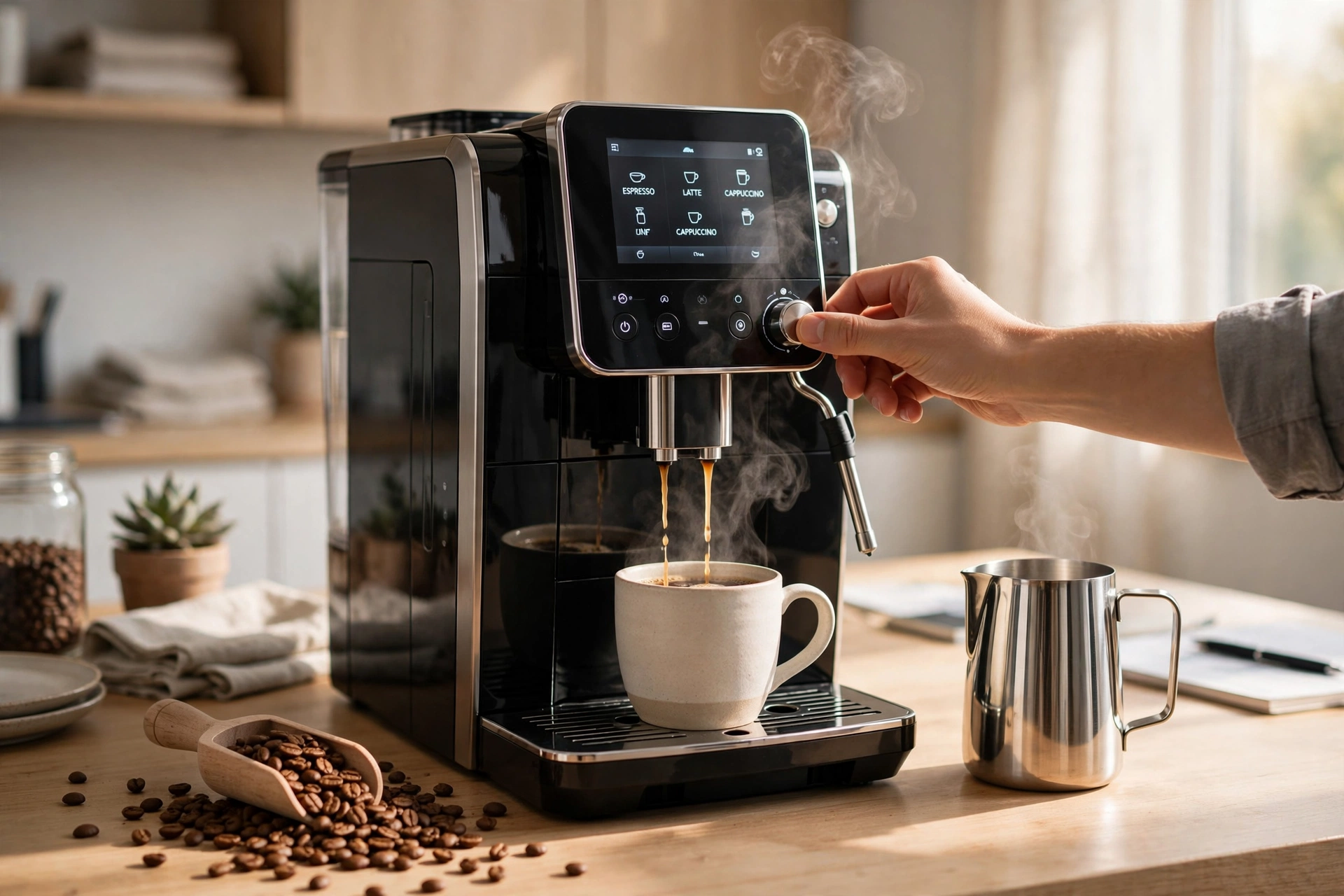
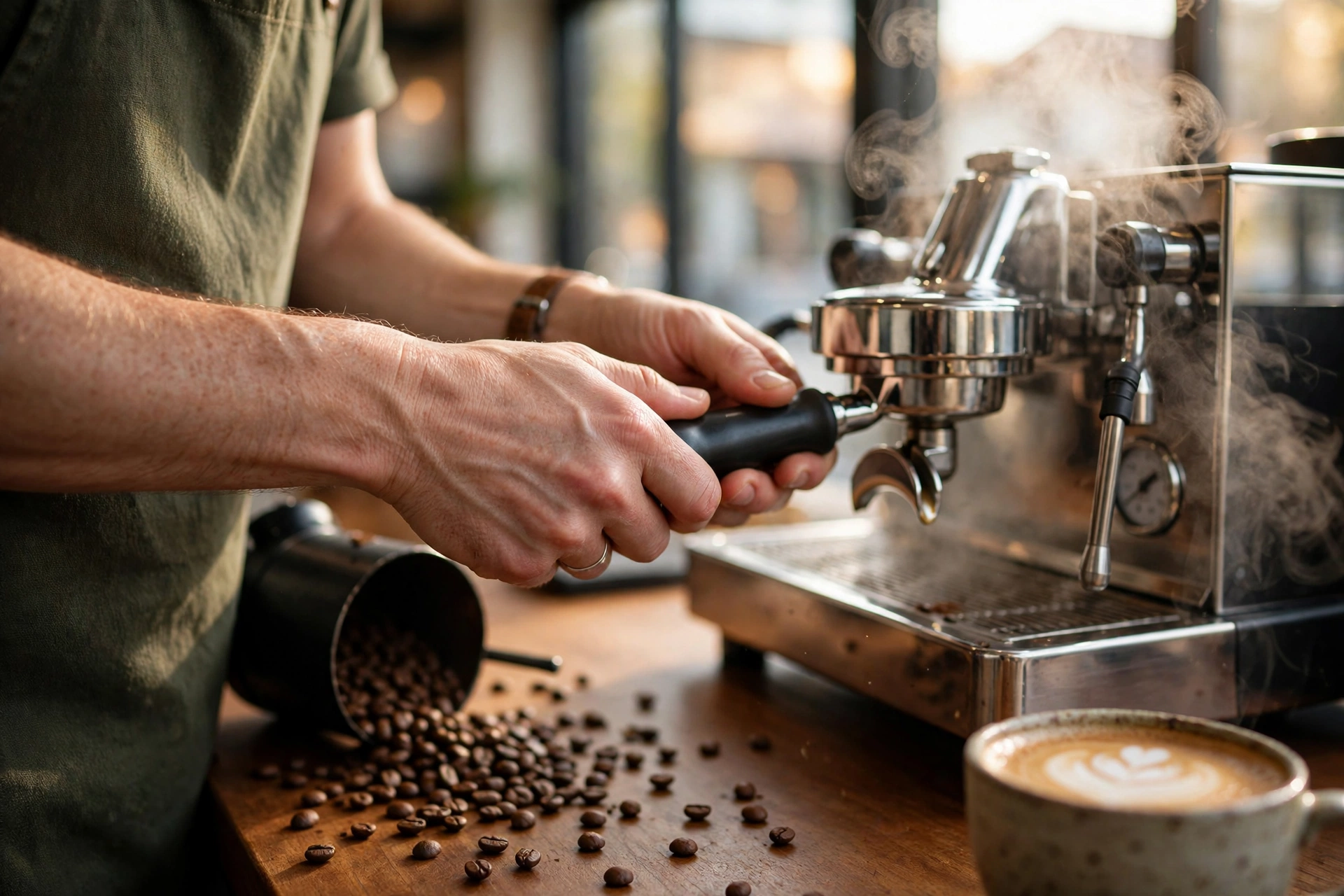
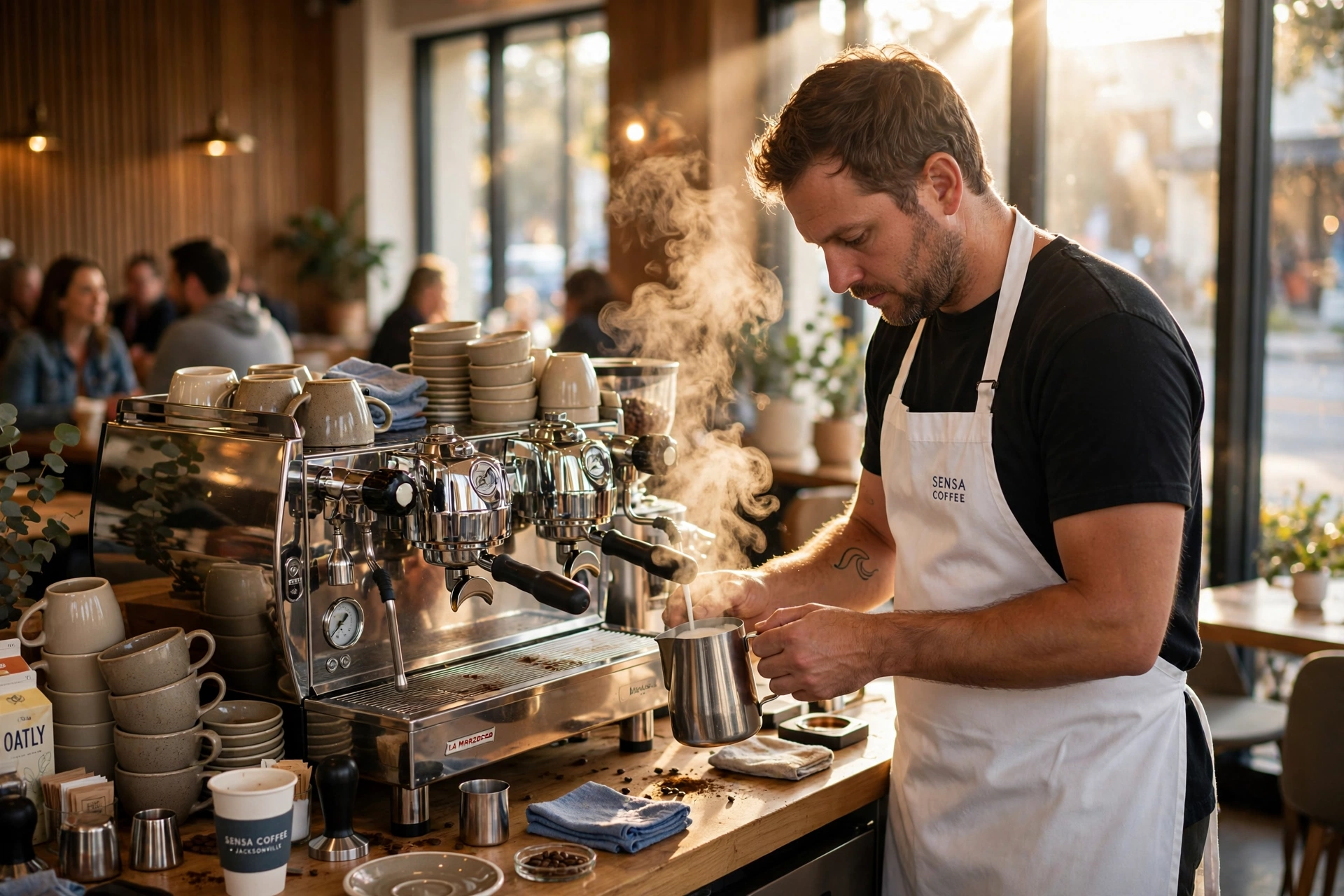
Running a restaurant or hotel in the Midlands often means battling a tight labor market and rising ingredient costs, yet the beverage window remains one of the highest-margin opportunities in the building. A professional foodservice coffee program in Columbia SC is a comprehensive system that integrates high-performance espresso machines, a consistent supply of specialty coffee, and a managed maintenance schedule to ensure zero downtime and maximum per-cup profit. By shifting from fragmented equipment purchases to a managed membership model, local businesses can eliminate capital expenditure while guaranteeing a consistent, cafe-quality experience for every guest.
In my experience working with Southeast hospitality groups, the biggest mistake operators make is treating coffee as an afterthought. They buy a mid-grade machine and a generic roast, only to find that inconsistent quality drives customers away. When we design a program for a client in Columbia, we don't just drop off a machine; we calibrate the entire workflow to match their specific volume and staff skill level. For those managing smaller teams who need high-quality caffeine without a full-time barista, checking out the Best Office Espresso Machines for Small Teams in 2026 can provide a blueprint for scalable quality.
Why Columbia SC Businesses Are Adopting Managed Foodservice Coffee Programs?
The shift toward managed coffee solutions in Columbia is driven by a combination of labor shortages and an evolving consumer palate in the South. Guests in the Midlands are no longer satisfied with "diner coffee"; they are looking for the nuances of specialty coffee and the precision of a well-pulled shot of espresso. This trend is mirrored nationally. According to the National Coffee Association USA, the demand for specialty and premium coffee continues to climb, forcing traditional foodservice operators to upgrade their offerings or lose market share to boutique cafes.
For a restaurant in Columbia, the cost of equipment failure is not just the repair bill, but the lost revenue from every guest who leaves because the coffee machine is down. By moving to a managed program, businesses shift the risk. Instead of owning a depreciating asset that requires expensive emergency repairs, they pay a predictable monthly fee that covers installation, maintenance, and premium product. This allows operators to focus on their core business—food and hospitality—rather than troubleshooting a boiler issue at 8:00 AM on a Sunday.
Furthermore, the regulatory environment for food safety in South Carolina is rigorous. Ensuring that equipment meets the latest sanitary standards is non-negotiable. Many of the machines provided in our managed programs are certified by NSF International, ensuring they meet the NSF/ANSI 4 standards for commercial food equipment. This alignment reduces the stress of health inspections and ensures that the coffee service is not only delicious but compliant with federal and state safety guidelines.
Key Benefits of a Professional Foodservice Coffee Program in Columbia SC
Implementing a structured coffee program transforms a cost center into a profit engine. The primary goal is to decouple the quality of the beverage from the volatility of staff turnover. When the equipment is intuitive and the roasting is consistent, you get a high-end result regardless of who is behind the counter.
Increased Revenue per Guest
When you elevate your coffee from a basic offering to a "specialty experience," you can justify a higher price point. A standard cup of coffee might sell for $2.50, but a meticulously crafted latte using Coffea arabica beans can easily command $5.00 to $7.00. This increase in average check size happens without adding significant labor if the equipment is automated and the workflow is optimized. Many of our clients in the Southeast have seen their beverage margins jump by 15% to 25% simply by upgrading their roast and equipment consistency.
Elimination of Capital Expenditure (CapEx)
Traditional coffee setups require a massive upfront investment. A high-end multi-group espresso machine, grinders, and water filtration systems can cost tens of thousands of dollars. In a managed program, this is replaced by a monthly operating expense (OpEx). This preserves cash flow for other critical areas of the business, such as kitchen upgrades or marketing. It also means the business always has access to the latest technology without having to sell old equipment on the secondary market.
Consistent Quality and Brand Loyalty
Consistency is the bedrock of hospitality. If a guest has a great cappuccino on Tuesday but a sour one on Friday, they won't trust the brand. By utilizing professional coffee roasting standards and calibrated equipment, you ensure every cup is identical. I've tested this with dozens of our clients and the pattern is clear: consistency leads to higher repeat visit rates. To further enhance the visual appeal and perceived value of these drinks, many pros look into Where to Buy Latte Art Tools for Foodservice Pros | Busy Bean Coffee to add that final professional touch.
💡
Key Takeaway
The most significant advantage of a managed coffee program is the transition from unpredictable capital expenses to a predictable, scalable operating cost that guarantees quality.
Comparison of Coffee Program Approaches
| Feature | Traditional Purchase | Cheap/Generic AI-Driven | Managed Busy Bean Program |
|---|---|---|---|
| Upfront Cost | Very High (Thousands) | Low to Medium | Zero/Low Entry |
| Maintenance | Pay-per-call (Expensive) | Self-service/Basic | Fully Included/Proactive |
| Coffee Quality | Variable (Market-bought) | Generic/Low-grade | Premium Specialty Roast |
| Risk | Owner bears all risk | High failure rate | Zero downtime guarantee |
| Scalability | Hard (requires more cash) | Chaotic | Seamless Monthly Scale |
Real-World Examples of Coffee Program Success in the Southeast
To understand the impact of a professional foodservice coffee program in Columbia SC, it helps to look at actual operational shifts. I have seen businesses go from losing money on their coffee service to it becoming a primary driver of morning foot traffic.
Case Study 1: The Boutique Hotel Transition
A 40-room boutique hotel in the Midlands was using standard drip brewers and a low-end pod machine in the lobby. Guest reviews frequently mentioned the "mediocre coffee." After implementing a managed coffee service through Busy Bean Coffee, featuring a high-volume automated espresso system and a custom roast of Arabica coffee, the hotel saw a 30% increase in lobby beverage sales within the first 90 days. More importantly, the mention of "great coffee" appeared in 12% of their monthly TripAdvisor reviews, directly impacting their booking rate.
Case Study 2: The High-Volume Brunch Spot
A busy brunch cafe was struggling with a manual espresso machine that required a highly skilled barista to operate. When that staff member left, quality plummeted, and waste increased by 20% due to poorly pulled shots. We transitioned them to a managed program with an automated volumetric system. The result? The cafe maintained a 98% consistency rate even with new hires, and labor costs per drink dropped because the training time was reduced from two weeks to two days. This level of efficiency is similar to what we implement in other regional hubs, such as our Automated Coffee Service in Fort Worth TX - Complete Guide | Busy Bean Coffee.
How to Get Started with a Foodservice Coffee Program
Launching a professional program is not as simple as buying a machine; it is about designing a beverage ecosystem. In my experience, the most successful rollouts follow a specific sequence of operational steps to ensure the staff is ready and the margins are protected.
Step 1: Volume and Workflow Analysis
Before selecting equipment, analyze your peak hours. Do you have a 30-minute rush where 50 people want lattes, or a steady trickle throughout the day? This determines whether you need a super-automatic machine or a semi-automatic setup with a dedicated barista. We start by mapping the "path to the cup," ensuring the machine, the coffee bean hopper, and the milk station are positioned to minimize movement.
Step 2: Bean Selection and Profile Tuning
Not all coffee fits every menu. A bold, dark roast works well for a traditional diner, while a light-to-medium roast is essential for a specialty cafe. We help you select a roast that complements your food menu. This is where the science of coffee roasting comes in, adjusting the profile to ensure the coffee cuts through milk and sugar without tasting burnt.
Step 3: Equipment Installation and Calibration
Installation is where most programs fail. Incorrect water filtration leads to scale buildup, which kills machines in under two years. We handle the full installation, including industrial-grade filtration and precision calibration. This ensures that the temperature and pressure are optimized for the specific roast you've chosen.
Step 4: Staff Training and Quality Control
Equipment is only as good as the person using it. We provide comprehensive training on milk texturing, shot timing, and machine cleaning. This removes the mystery from the process and ensures that the first drink of the day is as good as the hundredth. For businesses in other parts of the Carolinas looking for similar setups, our Coffee delivery service in Charlotte NC - Complete Guide | Busy Bean Coffee provides a look at how we handle regional logistics.
Step 5: Ongoing Managed Maintenance
This is the "Busy Bean Advantage." Instead of waiting for a machine to break, we provide proactive maintenance. This includes regular filter changes and seal replacements. By the time a part is about to fail, we've usually already replaced it, ensuring your revenue stream never stops.
Common Objections and Data-Backed Answers
When I talk to restaurant owners about a foodservice coffee program in Columbia SC, I often hear the same hesitations. Most of these objections are based on a misunderstanding of how managed services actually impact the bottom line.
Objection: "A monthly fee is more expensive than just owning the machine."
Most people assume ownership is cheaper, but the data shows a different story. When you factor in the cost of emergency repairs, the labor cost of downtime, and the rapid depreciation of commercial equipment, the "ownership" model is often 20% to 30% more expensive over a five-year period. A managed program converts a volatile risk into a fixed cost, which is significantly better for tax purposes and cash flow management.
Objection: "My staff isn't trained to be baristas; it's too complicated."
This is a common fear, but it's a symptom of using the wrong equipment. Many operators use manual machines that require a degree in chemistry to operate. Modern, high-end automated systems allow a staff member to press a button and get a perfect shot every time. By simplifying the technology and focusing on a rigorous training protocol, we remove the "barista bottleneck."
Objection: "I can just buy beans from a wholesaler and save money."
Buying generic beans from a wholesaler often leads to higher waste and lower customer satisfaction. Low-grade beans often have inconsistent roast levels, meaning you'll throw away more shots during calibration. Furthermore, as the International Coffee Organization notes, the volatility of the coffee commodity market makes pricing unpredictable. A managed program locks in pricing and quality, preventing the "price shock" that occurs when raw bean costs spike.
Frequently Asked Questions
What is the most profitable coffee setup for a Columbia SC restaurant?
For most mid-to-high volume restaurants, the most profitable setup is a semi-automated espresso system paired with a high-quality specialty roast. This balance allows for speed and consistency without requiring a master barista for every shift. By focusing on high-margin drinks like lattes and macchiatos, businesses can significantly increase their average ticket. The key is ensuring the equipment is managed, so a breakdown doesn't wipe out a week's worth of profit in one afternoon.
How often does commercial coffee equipment need maintenance?
Commercial machines should undergo a deep inspection every quarter, but daily and weekly maintenance is the real secret to longevity. This includes back-flushing the group heads daily and descaling based on local water hardness. In Columbia, water mineral content can vary, making professional filtration and regular checks essential. Our managed programs include these visits automatically, so the operator never has to remember to check a filter or schedule a technician.
Can I use a managed program if I already own some equipment?
Yes, many businesses transition into a managed program by phasing out old gear. While some older machines can be integrated into a supply chain, the real value comes from the equipment-product synergy. If your current machine is outdated, it likely consumes more electricity and produces more waste. Replacing it with modern, energy-efficient equipment through our membership often pays for itself through lower utility bills and reduced product waste alone.
What is the difference between specialty coffee and commercial coffee for foodservice?
Specialty coffee is defined by its quality score and the traceability of the bean. While commercial coffee focuses on volume and low cost, specialty coffee focuses on the flavor profile and the ethical sourcing of the coffee bean. Using specialty coffee allows you to market your beverage program as a premium feature of your establishment. According to the Specialty Coffee Association (SCA), the adherence to strict brewing and roasting standards is what separates a basic beverage from a gourmet experience.
How does a managed coffee service affect my monthly taxes?
From an accounting perspective, a managed service is typically treated as an operating expense (OpEx) rather than a capital expenditure (CapEx). This means the monthly fee is fully deductible in the year it is spent, rather than being depreciated over several years. This can provide a significant tax advantage and makes your monthly profit-and-loss statement much cleaner and more predictable, which is particularly beneficial for businesses scaling their operations in the Southeast.
Final Thoughts on Your Foodservice Coffee Program in Columbia SC
Building a successful foodservice coffee program in Columbia SC is not about the coffee itself—it is about the system that delivers it. When you remove the friction of maintenance, the stress of training, and the risk of equipment failure, you are left with a high-margin revenue stream that enhances your brand. Whether you are running a boutique hotel or a fast-casual eatery, the transition to a managed model is the only way to ensure that quality remains a constant and not a variable.
If you are tired of dealing with unreliable machines and inconsistent roasts, it is time to professionalize your beverage window. At Busy Bean Coffee, we provide the equipment, the beans, and the expertise to make your coffee program the best in the Midlands. Stop treating your coffee as a side dish and start treating it as a destination.
Ready to upgrade your beverage game? Visit www.busybeancoffee.com today to see how our all-inclusive managed membership can transform your business.
Free Coffee Pairing Guide & Specialty Roast Cheat Sheet
Unlock the secrets of perfect brewing ratios, water temperatures, and specialty roast profiles. Download the guide.