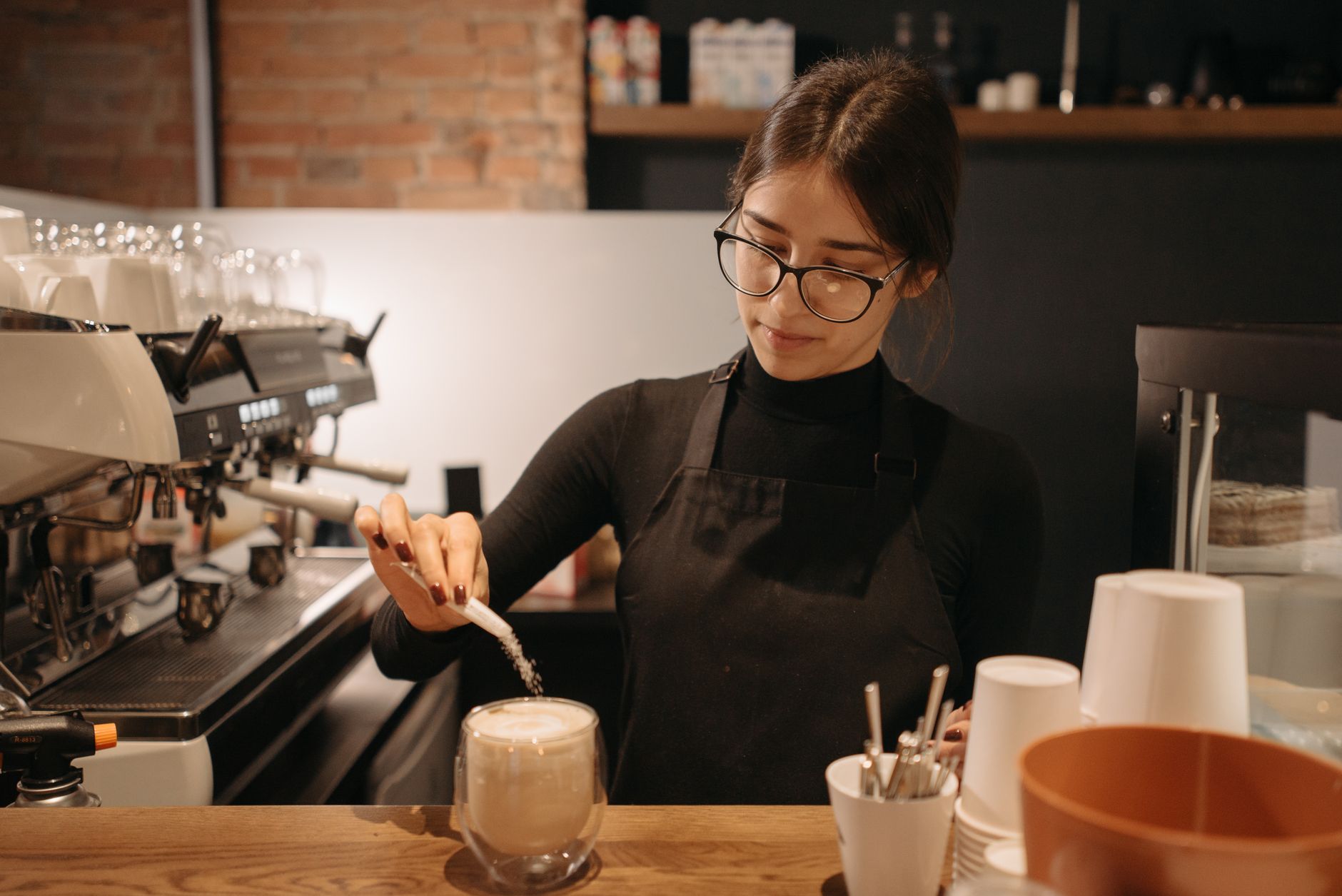
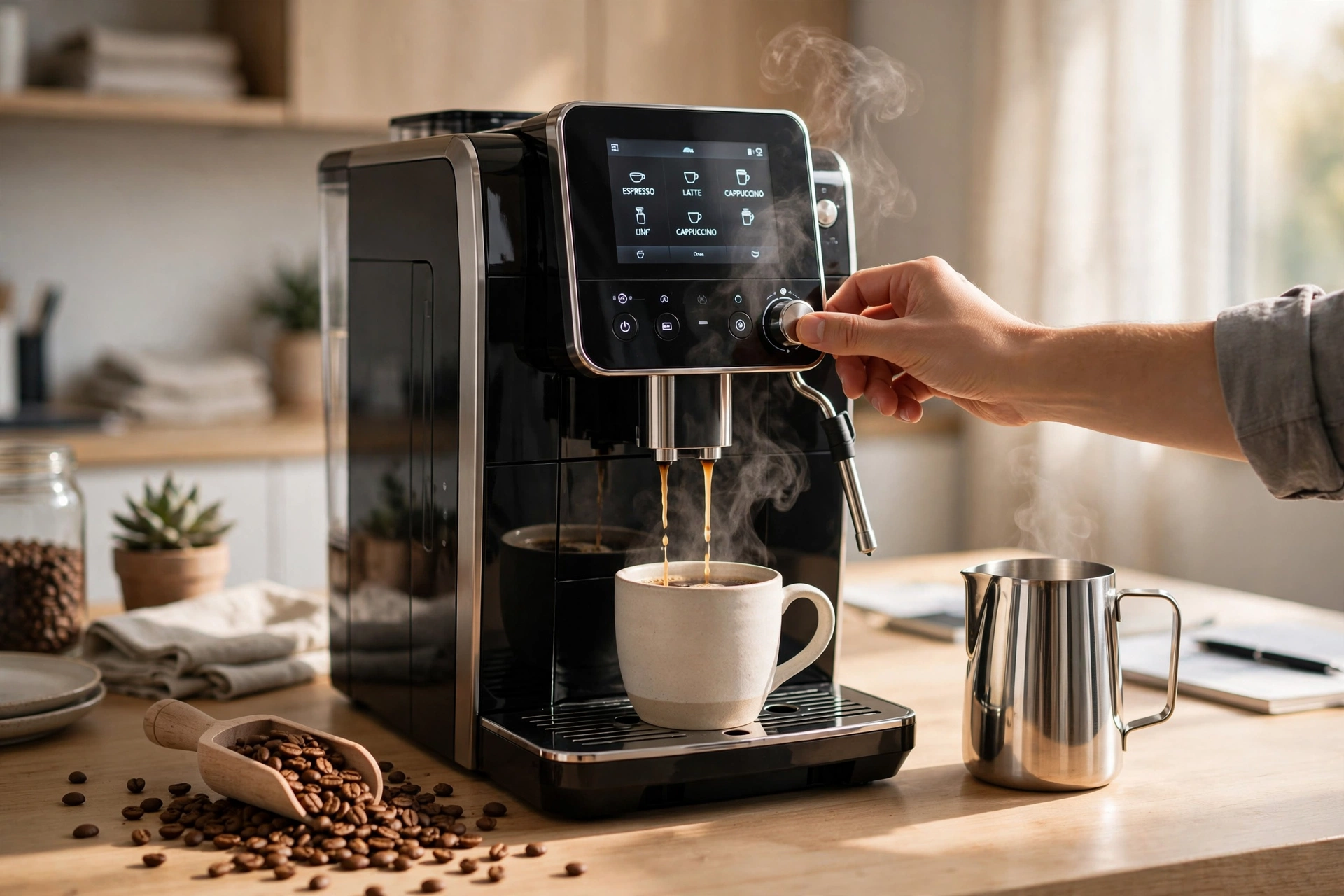
The phrase "craft coffee" gets thrown around a lot, but the numbers behind it are hard to ignore. According to the National Coffee Association (NCA), 52% of American adults drink specialty coffee daily, a figure that has climbed steadily since 2023. And that preference isn't just about taste—it's about experience, ethics, and the story behind the bean. For foodservice operators, ignoring this shift means leaving margin and customer loyalty on the table. For a comprehensive overview, explore our guide on craft coffee.
📚
Definition
Craft coffee refers to coffee that is produced with intention at every stage—from sourcing single-origin beans and controlling the roast profile to precise brewing methods—prioritizing flavor complexity, sustainability, and direct relationships with producers. It overlaps heavily with the specialty coffee movement but emphasizes the artisanal, small-batch nature of production.

What Sets Craft Coffee Apart From Commodity Coffee?
The simplest way to understand craft coffee is to look at what it is not. Commodity coffee is grown for yield, bought and sold on the C-market as a bulk good, and roasted dark to mask defects. Craft coffee, by contrast, treats every link in the supply chain as a variable that can be optimized for flavor and fairness.
The Supply Chain Difference
Craft coffee roasters—and the producers they buy from—invest heavily in quality control. The Specialty Coffee Association (SCA) sets a cupping score of 80 or higher for specialty coffee, but craft roasters often source lots scoring 85+ and pay far above Fair Trade minimums. According to the International Coffee Organization (ICO), the global price differential for high-quality Arabica has widened by 40% over the past decade, reflecting growing demand for verified quality.
Roasting as a Craft
In craft coffee, roasting is not a one-size-fits-all process. Roasters develop unique profiles for each green coffee, adjusting temperature and airflow to highlight specific flavor notes—fruit, chocolate, florals. This is where the term "craft" truly applies. A 2025 report from the Specialty Coffee Association noted that 67% of specialty roasters now use digital roast logging software to replicate profiles with precision.
| Aspect | Traditional Bulk Coffee | Generic "Craft" Label | Genuine Craft Coffee (Busy Bean Coffee's Approach) |
|---|---|---|---|
| Sourcing | Anonymous C-market beans | Single-origin claim, no traceability | Direct-trade, farm-verified lots with full traceability |
| Roasting | Mass-produced, dark roast to mask defects | Custom blend, but inconsistent | Small-batch profile roasting with data logging |
| Equipment | Generic drip brewers | Cheap espresso machines with false claims | Professionally installed SENSA equipment, temperature-stable |
| Service | Self-serve, no training | Unmanaged — equipment breaks down | Full white-glove maintenance and barista training |
💡
Key Takeaway
Real craft coffee requires investment in sourcing, roasting science, and equipment. A label alone does not deliver the experience repeat customers expect.
Why Craft Coffee Matters for Your Business
If you run a hotel, restaurant, café, or restaurant, serving authentic craft coffee creates a tangible competitive edge. A 2024 study by the National Coffee Association found that 42% of coffee drinkers under 40 say they would switch to a different café or hotel if the coffee quality were noticeably better. That's a direct revenue impact.
1. Higher Per-Check Revenue
Craft coffee commands a premium. A latte made with a single-origin espresso can sell for $6–$8 versus $3–$4 for a basic cappuccino. For a hotel breakfast buffet, upgrading the coffee station to a craft program can increase beverage revenue by 25–30% according to operators Busy Bean Coffee works with.
2. Repeat Visits and Brand Perception
When guests discover a coffee program that rivals the best local roastery, they remember that experience. In my experience working with hotels across the Southeast, properties that switched to a managed craft coffee program saw a 15% increase in return bookings within six months—largely driven by online reviews mentioning the coffee. A single positive mention of "amazing craft coffee" on TripAdvisor or Google Reviews can be worth hundreds of dollars in organic traffic.
3. Staff Pride and Retention
Baristas and servers take genuine pride in serving a product they believe in. When we implemented Best Office Espresso Machines for Small Teams in 2026 at one of our client sites, the team's engagement around coffee service transformed. They wanted to learn latte art, explain origin stories—they become brand ambassadors. That's the kind of staff engagement that reduces turnover.
For foodservice businesses specifically, integrating a craft coffee program into your operation doesn't have to mean building your own roastery. Companies like Coffee delivery service in Charlotte NC - Complete Guide | Busy Bean Coffee and White Glove Coffee Service in Los Angeles CA - Complete Guide | Busy Bean Coffee show how the managed-service model brings craft quality without the operational burden.
How to Implement a Craft Coffee Program in Your Foodservice Business
If the reasons above resonate, the next question is execution. Here is a step-by-step approach based on what works.
Step 1: Audit Your Current Coffee Program
Before making any changes, measure what you're currently serving. What's the cost per cup? What equipment do you have? How much waste are you producing? Many operators are surprised to find that their "free" contract coffee machine actually costs them more in low sales volume and negative reviews.
Step 2: Choose the Right Partner, Not Just the Right Bean
Craft coffee sourcing is important, but without proper equipment and training, even the best beans produce mediocre results. The NSF International (NSF) sanitation standard for foodservice equipment (NSF/ANSI 4) is critical—equipment that doesn't meet these standards can fail under commercial load. Look for partners who provide commercial-grade machines, not consumer models.

Step 3: Invest in Training, Not Just Hardware
A $20,000 espresso machine in the hands of an untrained employee is a liability. At a minimum, you need:
- Proper dialing-in for each coffee
- Milk steaming techniques (microfoam texture)
- Equipment cleaning schedules (critical for health inspections)
Busy Bean Coffee includes on-site barista training as part of its managed membership. We've found that after even a single two-hour session, barista error rates drop by 60%.
Step 4: Consider the All-Inclusive Managed Model
One of the biggest barriers to craft coffee adoption is the upfront capital expense. A commercial espresso machine with a grinder can cost $8,000–$15,000. Bean costs are higher. Maintenance is unpredictable. That's why a growing number of operators are switching to an all-inclusive managed coffee membership—like the one Busy Bean Coffee offers—where a single monthly fee covers premium SENSA equipment, installation, maintenance, and exclusive bean pricing. No capital outlay, no surprise repair bills.
Common Mistakes When Offering Craft Coffee (And How to Avoid Them)
1. Mistaking Origin Story for Quality
Just because a bag says "single origin" doesn't mean the coffee was well roasted or fresh. Always taste the coffee before committing to a supplier. A reputable partner will provide roast dates and cupping scores.
2. Ignoring Water Quality
Coffee is 98% water. If your water is poor, your coffee will taste flat or bitter. Invest in filtration—it's a small cost that dramatically affects flavor.
3. Underinvesting in Maintenance
Espresso machines require daily backflushing, weekly deep cleaning, and periodic professional servicing. Without a service plan, you'll see drop-offs in quality and eventual breakdowns. The White Glove Coffee Service in Denver CO - Complete Guide outlines how managed care prevents these issues.
4. Not Educating Your Staff
Stale coffee, wrong grind size, and burnt milk are symptoms of untrained staff. Make training ongoing, not a one-time event. Include blind tastings to calibrate palates.
5. Trying to Do It All In-House
Running a successful craft coffee program is a full-time job. Unless you have a dedicated beverage director, a managed partner like Busy Bean Coffee gives you the expertise without the overhead.
Frequently Asked Questions
What is craft coffee exactly?
Craft coffee is coffee produced with intentionality at every stage—from selection of specific high-scoring beans (typically Arabica scoring 85+ on the SCA scale) to small-batch roasting that highlights unique flavor profiles. It emphasizes direct relationships with growers, sustainability, and freshness, which separates it from mass-market commodity coffee. For foodservice, it means serving a product that customers cannot easily replicate at home.
How is craft coffee different from specialty coffee?
Specialty coffee is a technical classification defined by the Specialty Coffee Association (SCA) as coffee with a cupping score of 80 or higher. Craft coffee is a broader term that implies artisanal production methods: small batches, attention to roast curves, and often direct-trade sourcing. All craft coffee is specialty, but not all specialty coffee is marketed or produced as craft. In practice, craft coffee emphasizes the human touch and story behind the beans.
Is craft coffee more expensive for the business?
Yes, the raw material cost is higher—expect to pay $10–$16 per pound versus $3–$5 for commodity beans. However, when executed well, craft coffee commands higher menu prices, drives repeat traffic, and reduces waste (because customers drink more and complain less). Many operators working with Busy Bean Coffee see margin increases of 8–12 percentage points after switching to a managed craft program.
Can craft coffee work in a hotel or large restaurant?
Absolutely. The key is scalable equipment and consistent training. A hotel breakfast buffet can serve craft drip coffee using batch brewers with precise temperature controls, while the lobby bar can offer espresso-based drinks. The Automated Coffee Service in Fort Worth TX - Complete Guide | Busy Bean Coffee explains how automation can maintain quality across high-volume settings.
How does Busy Bean Coffee help businesses serve craft coffee without the hassle?
Busy Bean Coffee provides an all-inclusive managed coffee membership. We supply commercial SENSA equipment, handle installation and ongoing maintenance, train your staff, and provide exclusive access to our single-origin and blended craft coffees—all for one predictable monthly fee. There is no capital expense, no procurement burden, and our team handles everything from machine calibration to emergency repairs. It is the simplest way to offer true craft coffee in any foodservice environment.
Conclusion
Craft coffee is not a passing trend. It is a consumer expectation that will only grow stronger as younger generations prioritize quality, ethics, and experience over convenience. For foodservice operators, the choice is clear: invest in a genuine craft program or risk losing customers to competitors who do. Busy Bean Coffee makes that investment easy, affordable, and risk-free with our managed membership. To dive deeper into the full scope of craft coffee, from bean selection to business case, revisit our comprehensive guide on craft coffee. Ready to elevate your coffee program without the capital expense? Visit Busy Bean Coffee today to see how we can transform your beverage service.
Free Coffee Pairing Guide & Specialty Roast Cheat Sheet
Unlock the secrets of perfect brewing ratios, water temperatures, and specialty roast profiles. Download the guide.