
📖This article is part of the complete guide to Ultimate Guide to Commercial Coffee Suppliers for Businesses.
Need a Commercial Coffee Supplier in South Carolina? Here’s Where to Look
If you’re searching for a commercial coffee supplier in South Carolina, you’re not just looking for a place to buy beans. You’re looking for a partner who understands the unique demands of hospitality, workplace cafes, and growing foodservice operations across the state. Whether you run a hotel in Charleston, a restaurant in Greenville, or a corporate office in Columbia, the supplier you choose determines everything from equipment reliability to customer satisfaction. Here’s exactly where to find the right fit and what to look for.
For comprehensive context, see our main guide on how managed coffee services work.
What Is a Commercial Coffee Supplier (and What Should You Expect)?
📚
Definition
A commercial coffee supplier is a business that provides roasted coffee, brewing equipment, and often ongoing service and support to cafés, restaurants, hotels, offices, and other non-residential environments. Unlike retail roasters, commercial suppliers focus on bulk volume, durability, and consistency at scale.
When I say “commercial coffee supplier,” I don’t mean the local roaster that sells bags at a farmers market (though some do that, too). I mean a company that can handle 50 cups an hour during breakfast rush, maintain a fleet of espresso machines across multiple locations, and deliver beans on a schedule that keeps your inventory lean but never empty. In South Carolina, the market has grown rapidly over the past decade with the rise of specialty coffee culture and the explosion of workplace café programs.
According to the National Coffee Association’s 2023 National Coffee Data Trends report, 67% of Americans drink coffee daily—and about 40% of those cups are consumed outside the home. That means your business is serving coffee to a highly engaged audience. A commercial supplier is your backbone for meeting that demand.
The landscape in South Carolina includes regional roasters, national distributors like Sysco or Aramark, and specialty managed service providers like Busy Bean Coffee. The choice depends on your volume, your quality expectations, and how much hands-on support you want.
Why the Right Commercial Coffee Supplier Matters for Your Business
Here’s the thing: choosing a supplier isn’t a side decision. It directly impacts your bottom line. A 2024 study by the Specialty Coffee Association found that coffee quality is the second biggest driver of customer satisfaction in foodservice venues—behind only cleanliness. For offices, a McKinsey report on workplace experience showed that well-stocked, high-quality beverage programs improve employee retention by 12% among knowledge workers.
In South Carolina, where hospitality and tourism are major economic drivers, serving mediocre coffee can cost you repeat business. Conversely, investing in a reliable commercial coffee supplier can increase check averages by 8–15% in restaurants, according to industry benchmarks.
What happens when you get it wrong? Equipment breakdowns during peak hours. Inconsistent roast profiles. Inventory shortages. I’ve seen hotels switch suppliers three times in a year because the first didn’t deliver on time, the second couldn’t service machines, and the third didn’t offer fresh beans. That kind of churn wastes money and frustrates staff.
Getting it right means consistent quality, fewer service calls, and predictable pricing. And in a state with a growing food-and-beverage sector—Charleston alone added over 50 new restaurants last year—having a trusted partner is a competitive advantage.
Practical Application: How to Find and Vet a Commercial Coffee Supplier in South Carolina
When I work with businesses in South Carolina, I recommend a five-step process to evaluate suppliers:
-
Map your volume and environment.
Are you a high-volume restaurant? A quiet office with 30 employees? A hotel serving continental breakfast? Your needs dictate the equipment (super-automatic espresso machine vs. batch brewer vs. pod system). For example, a busy café might need two-group espresso machines, while a corporate office might do fine with a high-capacity drip brewer. For help deciding, check our guide on when to implement corporate cafe solutions. -
Assess equipment support.
The best supplier doesn’t just drop off beans. They install, maintain, and repair equipment. In South Carolina, especially in the Upstate region, finding a technician who can respond within 24 hours is critical. Ask: “Do you have local service techs, or do you subcontract?” -
Request a cupping and training session.
A serious commercial coffee supplier will offer to brew samples with your team and provide barista training. If they seem reluctant, that’s a red flag. -
Compare pricing models.
Some suppliers sell equipment and beans separately. Others use an all-inclusive managed service model (like Busy Bean Coffee) where you pay one monthly fee covering premium equipment, installation, maintenance, and beans at wholesale. The latter eliminates capital expense and budget surprises. -
Check references.
Ask for three local clients in similar industries. Call them. I’ve seen too many businesses skip this step and regret it later.
💡
Key Takeaway
The best commercial coffee supplier in South Carolina is one that combines quality roasts, reliable equipment, and proactive service—ideally under one predictable monthly fee.
Comparison: Types of Commercial Coffee Suppliers
| Option | Pros | Cons | Best For |
|---|---|---|---|
| National Distributors (Sysco, US Foods) | Wide product selection; established logistics; often lower per-pound cost on commodity coffee. | Limited specialty offerings; equipment support is often self-service or add-on; impersonal account management. | High-volume operations that prioritize cost over quality and have in-house maintenance. |
| Local/Regional Roasters | Fresh, small-batch roasts; personal relationships; unique flavor profiles. | Can lack equipment service; higher per-unit cost; may not handle scale or multi-location accounts. | Cafés and boutiques that value artisanal quality and have existing equipment. |
| Managed Service Providers (Busy Bean Coffee, Aramark) | All-inclusive pricing; full equipment lifecycle support; predictable costs; often includes training and menu development. | Higher monthly commitment; fewer bean varietals than a rotating roaster. | Offices, hotels, and restaurants that want hassle-free, premium coffee without capital investment. |
For many South Carolina businesses—especially those that don’t want to manage equipment repairs or worry about bean freshness—a managed coffee service is the clear winner. In my experience, the time saved on vendor management alone pays for the difference in cost.
Common Questions & Misconceptions
“I need to buy my own espresso machine first.”
Most guides get this wrong because they assume you’re starting from scratch. A full-service commercial coffee supplier can provide equipment as part of the package. In fact, many offer zero-down, all-inclusive memberships that include a high-end machine. You never pay for repairs or replacements. Check how much does craft coffee cost to see how the numbers compare.
“Local roasters always have better quality.”
Not necessarily. While local roasters can offer freshness, consistency at scale is a different challenge. A managed service often works with regional roasters to ensure batch-to-batch consistency, plus they have the infrastructure to store beans properly and calibrate grinders regularly.
“I can just use a consumer-grade Keurig for the office.”
Keurigs are convenient, but the per-cup cost is high and the waste is significant. A commercial coffee supplier will install a bean-to-cup machine that costs less per drink, produces better coffee, and reduces plastic waste. In South Carolina businesses that switched, I’ve seen a 30% drop in beverage supply costs.
Frequently Asked Questions
What is the typical contract length for a commercial coffee supplier in South Carolina?
Most suppliers require a 12- to 36-month commitment, but terms vary. With managed service providers like Busy Bean Coffee, there’s often a minimum term of 12 months covering equipment placement, after which month-to-month options may be available. Always read the fine print about early termination fees and equipment return policies. I recommend asking for a 90-day trial clause.
How do I know if I need a managed coffee service vs. buying equipment outright?
The decision hinges on your capital budget and maintenance appetite. If you have $5,000–$15,000 to spend on an espresso machine and you have an in-house maintenance team, buying may work. If you prefer predictable monthly expenses and zero responsibility for repairs, a managed service is better. For offices and hotels in South Carolina, managed services are increasingly popular because they include regular cleaning and descaling—tasks that are often neglected.
Can I get specialty single-origin beans from a commercial supplier?
Yes, many commercial suppliers now offer rotating single-origin options as part of their lineup. However, for large-volume accounts, they will typically use a signature blend for consistency. If your business wants to feature seasonal origins, consider a provider that offers a “roaster’s choice” program. Busy Bean Coffee, for example, works with South American and African growers to provide limited-edition lots.
Does the supplier handle machine repairs in my location?
This is one of the most critical factors. In South Carolina, coverage can be sparse in rural areas. Always ask: “Do you have in-house technicians based in the state?” Some national distributors contract with third-party repair services that take days to respond. Local managed services often have same-day response times in major metro areas like Charleston, Greenville, and Columbia.
What’s the average monthly cost for commercial coffee service in South Carolina?
Costs vary widely by volume and equipment. A basic office setup with a drip coffee maker might run $200–$400 per month. A full café program with a dual-group espresso machine could be $800–$1,500 per month. For a complete breakdown, our article on cafe equipment supply prices provides detailed budget ranges.
Summary + Next Steps
Choosing a commercial coffee supplier in South Carolina doesn’t have to be overwhelming. Start by clarifying your environment (restaurant, office, hotel), your volume, and your need for equipment support. Compare local roasters, national distributors, and managed service providers. And don’t underestimate the value of a single, all-inclusive partnership—it simplifies your vendor stack and gives you one number to call when something goes wrong.
At Busy Bean Coffee, we’ve been serving South Carolina businesses since 2014 with premium SENSA equipment, full installation and maintenance, and exclusive wholesale pricing—all for one predictable monthly fee. No capital expense, no surprises. Just great coffee.
➡️ Ready to find the right commercial coffee supplier for your business? Visit Busy Bean Coffee to explore our managed coffee membership.
For deeper dives into related topics, check out:
- Office espresso machines south carolina
- Busy Bean Coffee vs Aramark: Which Coffee Service Wins in 2026?
- When to schedule coffee equipment maintenance
About the Author
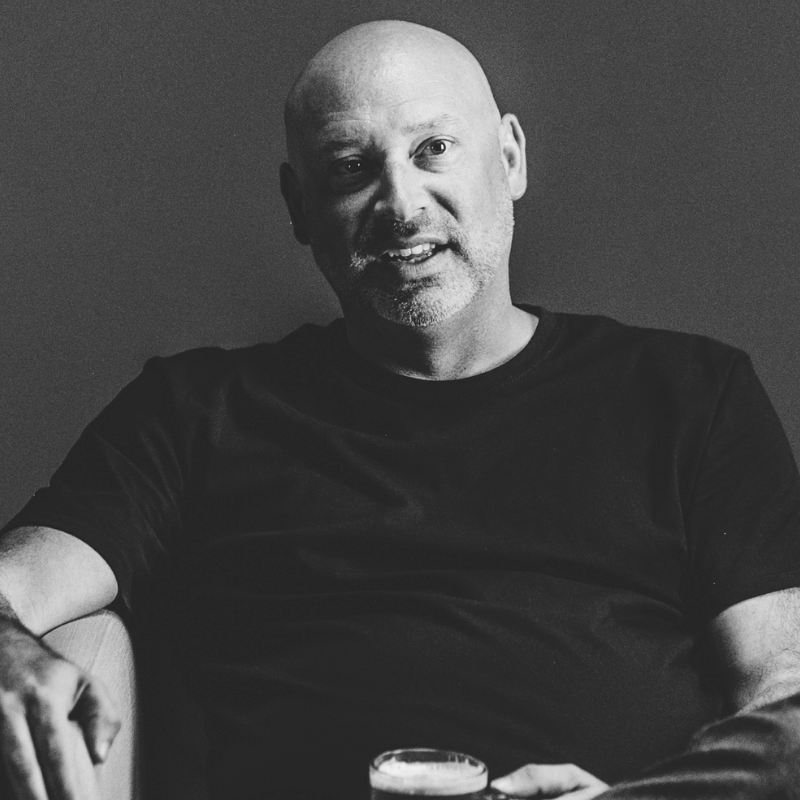
Travis Estes is the founder of Busy Bean Coffee, a South Carolina-based specialty coffee provider serving hotels, restaurants, and corporate cafés. With over a decade of experience in foodservice coffee operations, Travis has helped hundreds of businesses upgrade their beverage programs and eliminate equipment headaches.
Free Coffee Pairing Guide & Specialty Roast Cheat Sheet
Unlock the secrets of perfect brewing ratios, water temperatures, and specialty roast profiles. Download the guide.