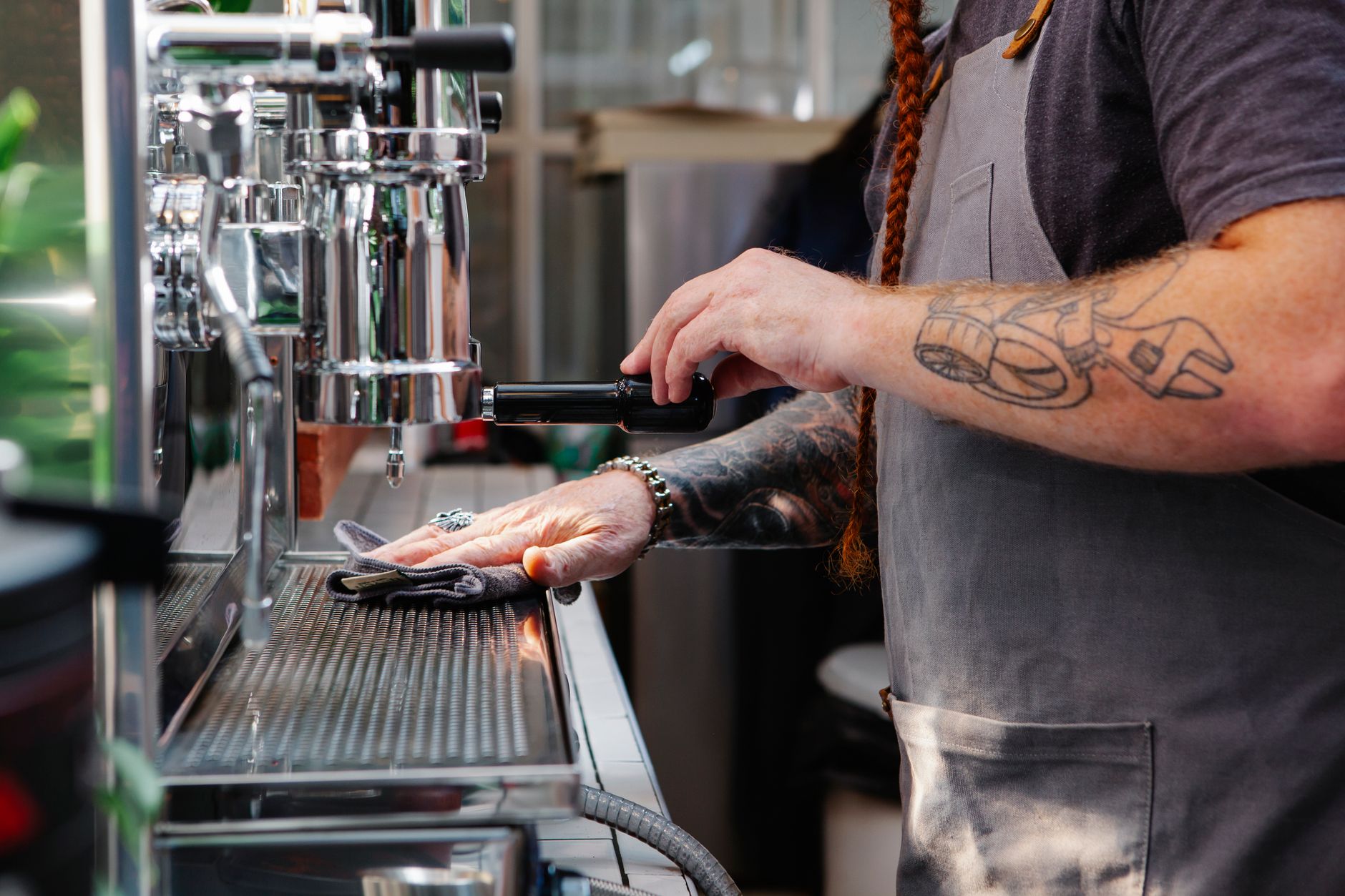
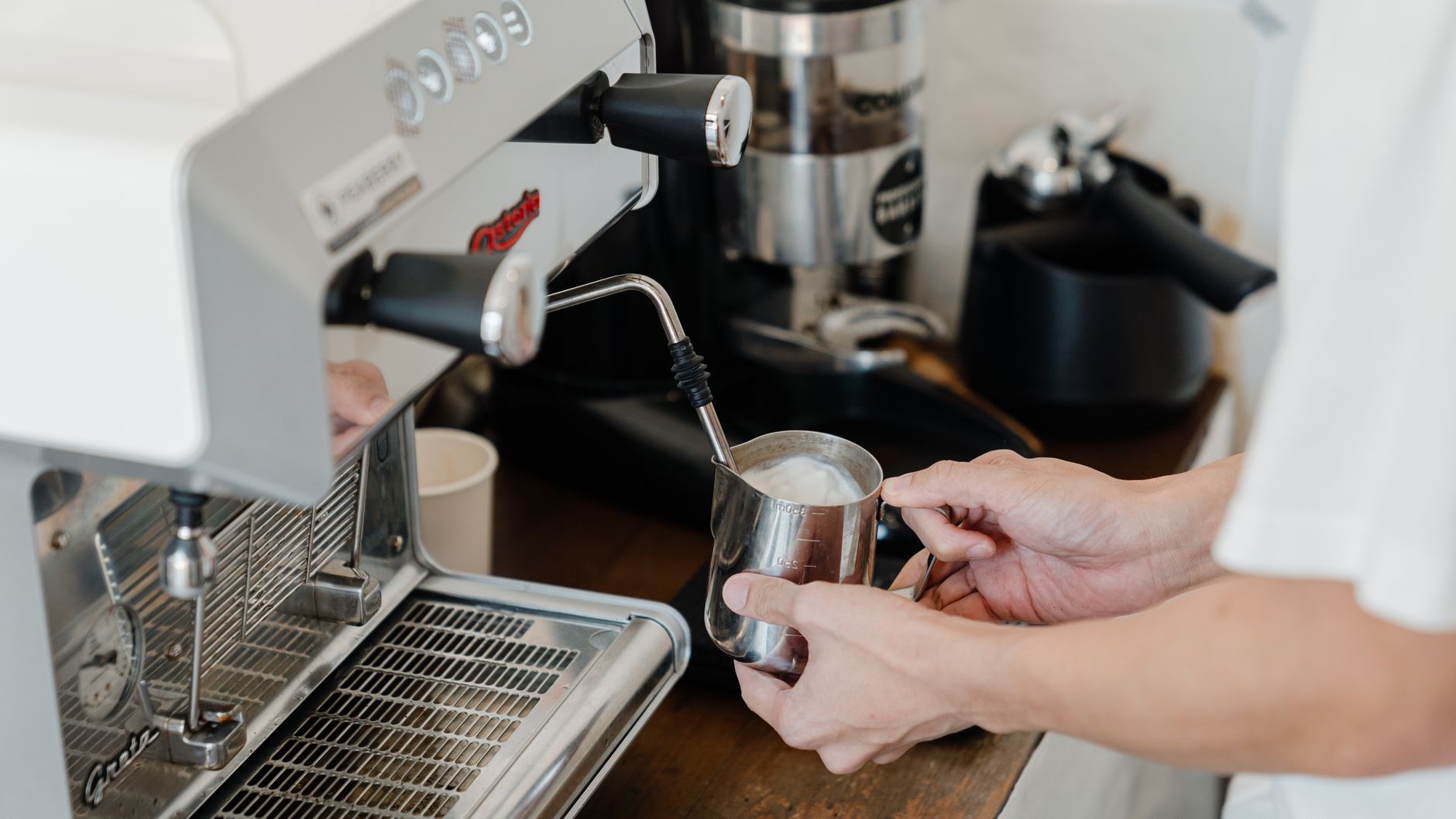
Your espresso machine sputtered, then fell silent. The morning rush is in 15 minutes, and a line of caffeine-craving customers is forming. For any coffee business—whether a bustling cafe in Mount Pleasant, SC, or a corporate break room in Charlotte, NC—a broken machine isn't just an inconvenience; it's a direct hit to revenue and team morale. I've seen this exact panic dozens of times. After building Busy Bean Coffee from the ground up, I've learned that understanding the nuances of coffee machine repair is just as important as knowing your roast profile. This guide cuts through the noise to give you a practical, no-nonsense plan for diagnosing issues, weighing costs, and making the right call—whether that's a simple fix or a complete equipment overhaul.
For a comprehensive overview of all your options, explore our guide on coffee machine repair.
What Is Coffee Machine Repair and Why Does It Need a Pro?
📚
Definition
Coffee machine repair is the process of diagnosing and fixing mechanical, electrical, or hydraulic failures in commercial espresso machines, drip brewers, and bean-to-cup systems to restore them to peak operating condition.
When we talk about coffee machine repair, we're not discussing a simple appliance fix. A commercial espresso machine is a complex piece of equipment integrating high-pressure hydraulics (typically 9 bars of pressure for proper espresso extraction), precise temperature control via heat exchangers or dual boilers, and sophisticated electronics for volumetric dosing and steam production. According to the Specialty Coffee Association (SCA), maintaining consistent water temperature within 1–2°F is critical for achieving the proper extraction of Coffea arabica beans. A failure in any one of these systems can ruin a shot, slow down service, and lead to significant product waste.
Attempting a DIY repair without specific training—like a barista trying to rebuild a rotary vane pump—often leads to more damage. The modern coffee machine is a precision tool. A professional repair technician understands the interplay between the machine's boiler, group head, and pump, and can diagnose issues that aren't immediately visible, like a failing expansion valve or a scale-clogged three-way valve.
Why Does Coffee Machine Repair Matter for Your Business?
In the world of specialty coffee and office coffee service, your equipment is your identity. A broken machine means you are not serving your core product. Here’s why proactive repair and maintenance are non-negotiable:
1. Revenue Protection
Every hour your machine is down is lost revenue. For a busy cafe that sells 100 espresso-based drinks a day at $4 each, a full day of downtime is a $400 direct loss—not counting the loss of future customers who find a new spot. For an office, it erodes employee satisfaction and productivity, making your coffee delivery service in Charlotte NC less valuable.
2. Consistent Product Quality
A machine that is not calibrated or has a leaky group head gasket will produce inconsistent shots. The National Coffee Association USA (NCA) reports that 62% of coffee drinkers say they would be disappointed if their favorite coffee shop took their espresso machine out of service. Inconsistent quality drives customers to competitors.
3. Extending Equipment Lifespan
Commercial espresso machines are built to last 10–15 years with proper maintenance. Regular professional repair and descaling, as detailed in our Best Office Espresso Machines for Small Teams in 2026 article, prevent minor issues from becoming catastrophic failures that require a full replacement.
How to Troubleshoot Common Coffee Machine Problems (Before Calling a Pro)
Before you panic, you can handle a few common issues yourself. Always start with these steps:
Step 1: Check the Power and Water Supply. This sounds elementary, but it's the most common culprit. Ensure the machine is plugged in, the circuit breaker hasn't tripped, and the water line is open. If you have an automated system, check for error codes on the display.
Step 2: Assess the Brew Temperature. If your espresso is sour (under-extracted) or bitter (over-extracted), the temperature may be off. Use a thermometer to check the group head temperature. Many machines have a simple thermostat adjustment, but a consistent issue points to a failing heating element or a scale-clogged heat exchanger.
Step 3: Look for Leaks. Leaks most often occur at the group head gasket, the steam wand, or the drain valve. A slow leak can indicate a worn gasket (a cheap, easy fix) or a cracked boiler (a professional repair).
Step 4: Listen to the Pump. A loud, groaning pump or a pump that runs but delivers no water usually indicates a failing rotary vane pump or a clogged inlet filter. This is a common repair that a qualified technician can handle in under an hour.
Step 5: Reset the Machine. Turn the machine off, unplug it, wait 5 minutes, and plug it back in. This can reset a control board glitch. If the issue persists after a full power cycle, it's time for professional diagnosis.
Common Mistakes to Avoid
Even experienced operators make these errors. Here's what not to do:
1. Ignoring the Water Filter. The most common cause of repeated breakdowns is hard water scale. Without a properly maintained water softener or reverse osmosis filter, your machine will scale up internally, leading to failed heating elements, clogged valves, and premature pump failure. The U.S. Food and Drug Administration (FDA) guidelines for commercial food equipment emphasize that water quality directly impacts equipment longevity. Replace your filter on schedule.
2. Using Cheap Detergents. Not all cleaning chemicals are created equal. Using a generic descaler can damage the internal seals and brass components of your espresso machine. Always use a cleaner specifically designed for commercial espresso equipment, which is NSF-certified for safety.
3. Delaying Repairs. A small drip from the steam wand seems harmless, but it can eventually cause a vacuum break, leading to a full boiler failure. Address leaks immediately.
4. Attempting DIY on a High-Voltage System. Never open the electrical panel of an espresso machine unless you are a certified technician. The internal capacitors can hold a lethal charge even after the machine is unplugged.
5. Not Having a Backup Plan. Every business should have a contingency, whether it's a spare machine, a relationship with a local service provider, or an all-inclusive service contract like what we offer at Busy Bean Coffee. Waiting for a repair without a backup guarantees lost revenue.
💡
Key Takeaway
The vast majority of coffee machine issues are either user-serviceable (like replacing a gasket) or require a certified technician. Never attempt a repair that involves opening the pressure system or electrical panel without proper training.
Coffee Machine Repair vs. Replacement: When to Upgrade
This is the million-dollar question. When is it time to stop fixing and start replacing? I've laid out a clear comparison below.
| Aspect | Traditional Repair (Fix-and-Hope) | Generic Maintenance | Busy Bean Coffee's Managed Approach |
|---|---|---|---|
| Cost Model | Pay per incident ($150–$500+ per visit) | Monthly contract with unpredictable overages | All-inclusive monthly fee (no surprise bills) |
| Equipment | Your aging, owned machine, depreciating daily | Standard, often outdated models | Premium SENSA equipment (latest tech included) |
| Installation | None (old machine stays) | Basic setup | Professional installation, training, and ongoing support |
| Maintenance | Reactive (you call when it breaks) | Scheduled but basic | Proactive, full coverage (all parts + labor) |
| Long-Term Value | High cumulative cost; you own a liability | Medium cost; you own the liability | Predictable cost; zero capital expenditure; always up-to-date equipment |
If your machine is more than 10 years old and you've faced two major repairs in the past year, it's often more economical to upgrade. A new machine typically costs $3,000–$12,000, but with an inclusive managed service, you bypass that capital expense entirely. Our Automated Coffee Service in Fort Worth TX shows how businesses are saving thousands per year by switching to this model.
Frequently Asked Questions
1. What is the average cost to repair a commercial espresso machine?
The average cost for a professional coffee machine repair ranges from $150 to $400 for a standard service visit, which includes diagnostics and basic parts like a gasket or pump. More complex repairs, like replacing a boiler or a control board, can range from $400 to $1,200. The total cost depends on the machine type, the part's availability, and the technician's labor rate (typically $100–$150 per hour).
2. Can I repair my coffee machine myself, or do I need a professional?
You can perform basic maintenance like cleaning the group head, backflushing, and replacing a worn gasket yourself. However, for any repair involving the machine's internal pressure system, electrical components, or boiler, you must hire a certified technician. Attempting DIY repairs on these systems is dangerous and can void the manufacturer's warranty or cause further damage.
3. What are the big signs my espresso machine needs immediate repair?
Key signs include a sudden drop in water pressure, inconsistent brew temperature, unusual noises from the pump, visible leaks (especially from the boiler), or error codes on the display. Another major sign is if the machine's steam wand produces weak steam or no steam at all. Do not ignore these symptoms—immediate diagnosis can prevent a more expensive failure.
4. How long does a typical coffee machine repair take?
Simple repairs, like replacing a group head gasket or a solenoid valve, can be completed by a skilled technician in 30–60 minutes. More complex repairs, such as rebuilding a pump or replacing a boiler, may take 2–4 hours. If parts need to be ordered (often 1–3 business days), the total downtime can be longer. This is a major reason why many businesses switch to a managed service, as they often have a loaner machine available.
5. How can I prevent needing frequent coffee machine repairs?
Prevention is far cheaper than repair. The most effective steps are: 1) Use a high-quality water filtration system and replace it on schedule. 2) Perform daily backflushing and weekly cleaning with an espresso machine detergent. 3) Have your machine professionally serviced and descaled at least twice a year by a certified technician. 4) Consider a managed service contract where proactive maintenance is included.
Conclusion
Your coffee machine is the heart of your operation, and a breakdown doesn't have to spell disaster. Understanding the basics of troubleshooting, knowing when to call a pro, and weighing the long-term cost of repairs versus upgrades puts you in control. If you're tired of surprise repair bills and want to eliminate the risk of downtime entirely, a managed coffee service might be the answer. At Busy Bean Coffee, we handle everything from premium equipment and installation to full maintenance and repair coverage for one predictable monthly fee. You focus on serving great coffee, not fixing the machine.
For a complete guide on all aspects of coffee machine ownership and care, revisit our coffee machine repair article.
Ready to ditch the repair bills? Visit Busy Bean Coffee today to learn about our all-inclusive managed coffee solutions.
Free Coffee Pairing Guide & Specialty Roast Cheat Sheet
Unlock the secrets of perfect brewing ratios, water temperatures, and specialty roast profiles. Download the guide.