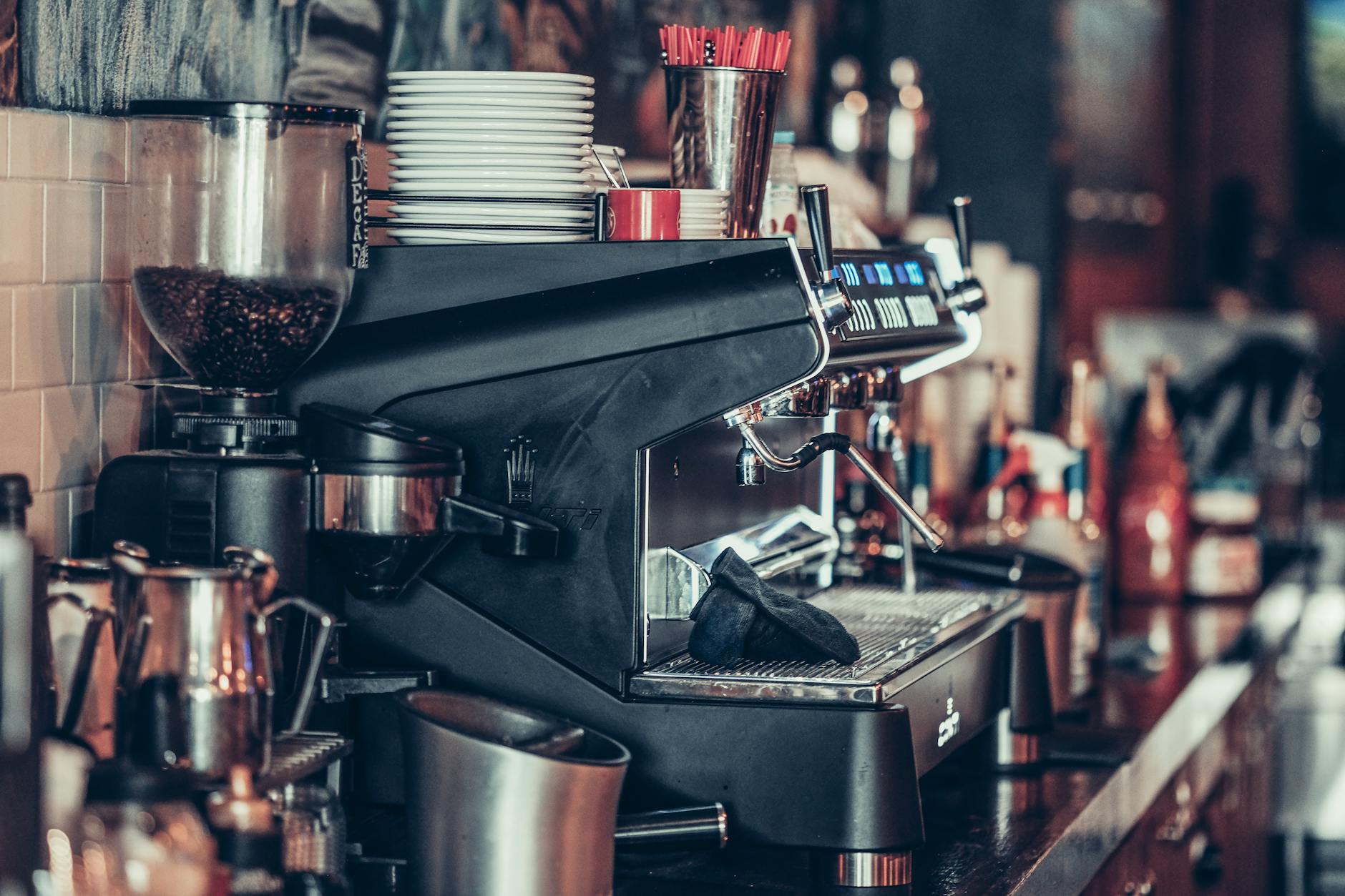
What is Coffee Machine Maintenance?
Coffee machine maintenance is the systematic, scheduled process of cleaning, descaling, inspecting, and replacing components on commercial coffee equipment to ensure optimal performance, beverage quality, equipment longevity, and compliance with health standards.
- Preventive Actions: Daily backflushing, weekly chemical cleaning, monthly descaling.
- Predictive Monitoring: Tracking shot times, water pressure, and grind consistency to catch issues before failure.
- Corrective Procedures: Replacing worn gaskets, calibrating grinders, and addressing leaks.
Why Professional Coffee Machine Maintenance Matters
View maintenance not as a cost, but as a revenue-protection and quality-assurance strategy. The minor, scheduled investment prevents major, unscheduled losses.
The Complete Coffee Machine Maintenance Checklist (2026)
Daily Maintenance Tasks
- Backflush Espresso Groups (If applicable): Use a blind filter and cleaning detergent after the last shot. Run 3-5 cycles until water runs clear.
- Purge & Wipe Steam Wands: Immediately after each use, purge steam wands to clear milk residue, then wipe with a damp cloth. Soak wands in warm water at end of day.
- Clean Drip Trays & Grind Hoppers: Empty, wash, and sanitize drip trays. Wipe out grind hoppers to remove stale grounds and oils.
- Wipe Down Entire Machine: Use a designated, non-abrasive cloth and approved cleaner for the exterior and group heads.
- Empty and Clean the Knock Box: Prevent mold and odors.
- Check Water Reservoir: Ensure it's filled with filtered water for the next day.
Weekly Maintenance Tasks
- Chemical Backflush/Group Head Soak: Perform a more intensive backflush with a commercial espresso machine cleaner. Soak shower screens and dispersion blocks.
- Deep Clean Steam Wand: Remove and soak steam wand tips in a specialized detergent to dissolve solidified milk proteins.
- Clean Grinder Burrs: Unplug and disassemble the grinder. Brush out all old grounds and use grinder tablets or specialized brushes to clean burrs. This is critical for flavor consistency.
- Sanitize All Portafilters & Baskets: Soak in a cafiza solution to remove baked-on coffee oils.
- Inspect for Leaks: Check under the machine, around water line connections, and at the steam boiler.
Monthly / Quarterly Maintenance Tasks
- Descaling: The most crucial preventative task. Follow manufacturer guidelines EXACTLY for your specific water hardness. Using the wrong solution or procedure can void warranties and damage internal components.
- Replace Water Filters: If your machine or water line has a filter, replace it on schedule. A spent filter is worse than no filter.
- Lubricate Moving Parts: Apply food-grade lubricant to group head seals, portafilter ears, and other moving parts as per the manual.
- Check & Calibrate Grinder: Measure grind output and adjust for consistency. Burrs may need replacement annually.
- Inspect & Replace Gaskets/Seals: Group head gaskets, steam wand o-rings, and water valve seals wear out. Proactive replacement prevents leaks.
Common Coffee Machine Maintenance Mistakes (And How to Avoid Them)
- The Risk: Acetic acid in vinegar is corrosive to brass, copper, and rubber seals inside commercial machines. It can cause pitting and premature failure.
- The Fix: Always use a manufacturer-approved, food-safe descaling solution formulated for commercial coffee equipment.
- The Risk: Oils from coffee beans oxidize and go rancid on burrs, creating bitter, off-flavors. Worn burrs produce inconsistent particle size, ruining extraction.
- The Fix: Implement a mandatory weekly burr cleaning and track grind output. Budget for burr replacement every 500-1000 lbs of coffee.
- The Risk: Hard water causes rapid scale buildup, especially in boilers and thermoblocks, leading to overheating and failure. It's the #1 cause of repair calls.
- The Fix: Install a proper commercial water filtration system and replace cartridges on a strict schedule. Test your water hardness quarterly.
- The Risk: Tasks are forgotten, responsibility is blurred, and you have no record for warranty claims or diagnosing recurring issues.
- The Fix: Use a physical logbook or digital checklist (like in your POS) where staff initials completed tasks. This is a game-changer for accountability.
- The Risk: A small drip from a $5 seal can lead to water damage on your counter or, worse, into the machine's electronics, causing a $500+ repair.
- The Fix: Address every leak and irregularity immediately. Have a kit of common spare parts (gaskets, group seals) on hand.
The Busy Bean Advantage: Maintenance-Free Managed Coffee Service
- Professional Installation & Training: Our certified technicians, like our lead tech Leslie Cook, set up your machine and train your staff on proper daily use.
- Scheduled Proactive Maintenance: We don't wait for you to call. Our team schedules and performs all weekly, monthly, and quarterly maintenance tasks, using the correct tools and parts.
- Priority Repair Service: If an issue arises, it's covered. No extra charge for labor or parts. We guarantee rapid response to minimize your downtime.
- All-Inclusive Monthly Fee: One predictable cost covers the equipment, maintenance, support, and even our exclusive coffee. No capital expenditure, no surprise repair bills.
For most foodservice businesses, outsourcing maintenance through a managed service like Busy Bean's provides higher reliability, better quality, and lower total cost than attempting a complex in-house program. You run the business; we handle the coffee.
Frequently Asked Questions
How often should I descale my commercial coffee machine?
Can my baristas handle all maintenance, or do I need a technician?
What's the cost of NOT maintaining my coffee equipment?
Are there different maintenance needs for super-automatic vs. traditional machines?
How does a water filtration system impact maintenance?
Final Thoughts on Coffee Machine Maintenance
Recommended Readings
- The Ultimate Guide to Managed Coffee Services
- Office Coffee Service Solutions to Replace Starbucks
- Hotel Coffee Service to Elevate Guest Experience
- Ultimate Guide to Restaurant Coffee Equipment
Free Coffee Pairing Guide & Specialty Roast Cheat Sheet
Unlock the secrets of perfect brewing ratios, water temperatures, and specialty roast profiles. Download the guide.