

Introduction
Specialty bean supply for bakeries isn't just a nice-to-have—it's a proven revenue driver. Bakeries using high-quality, specialty coffee beans see 25-40% higher upsell rates on beverages paired with pastries. In my experience working with foodservice businesses since founding Busy Bean Coffee in 2014, the simplest path to boosting average ticket size starts with sourcing premium beans that command premium prices. Customers expect more than mediocre drip coffee alongside their croissants; they crave the craft experience.
Here's why it matters in 2026: With coffee consumption in the U.S. hitting 466 million bags annually (International Coffee Organization data), bakeries ignoring specialty beans leave money on the table. Commodity beans cap your margins at 10-15%, while specialty grades push 30-50% on upsells. The consequence of sticking with bulk supply? Stagnant revenue, lost loyalty, and competitors stealing your morning rush. At Busy Bean Coffee, our specialty bean supply model has helped bakeries add $2,000+ monthly without extra staff. This guide breaks down the data, implications, and steps to make it happen for your bakery.
What You Need to Know About Specialty Bean Supply for Bakeries
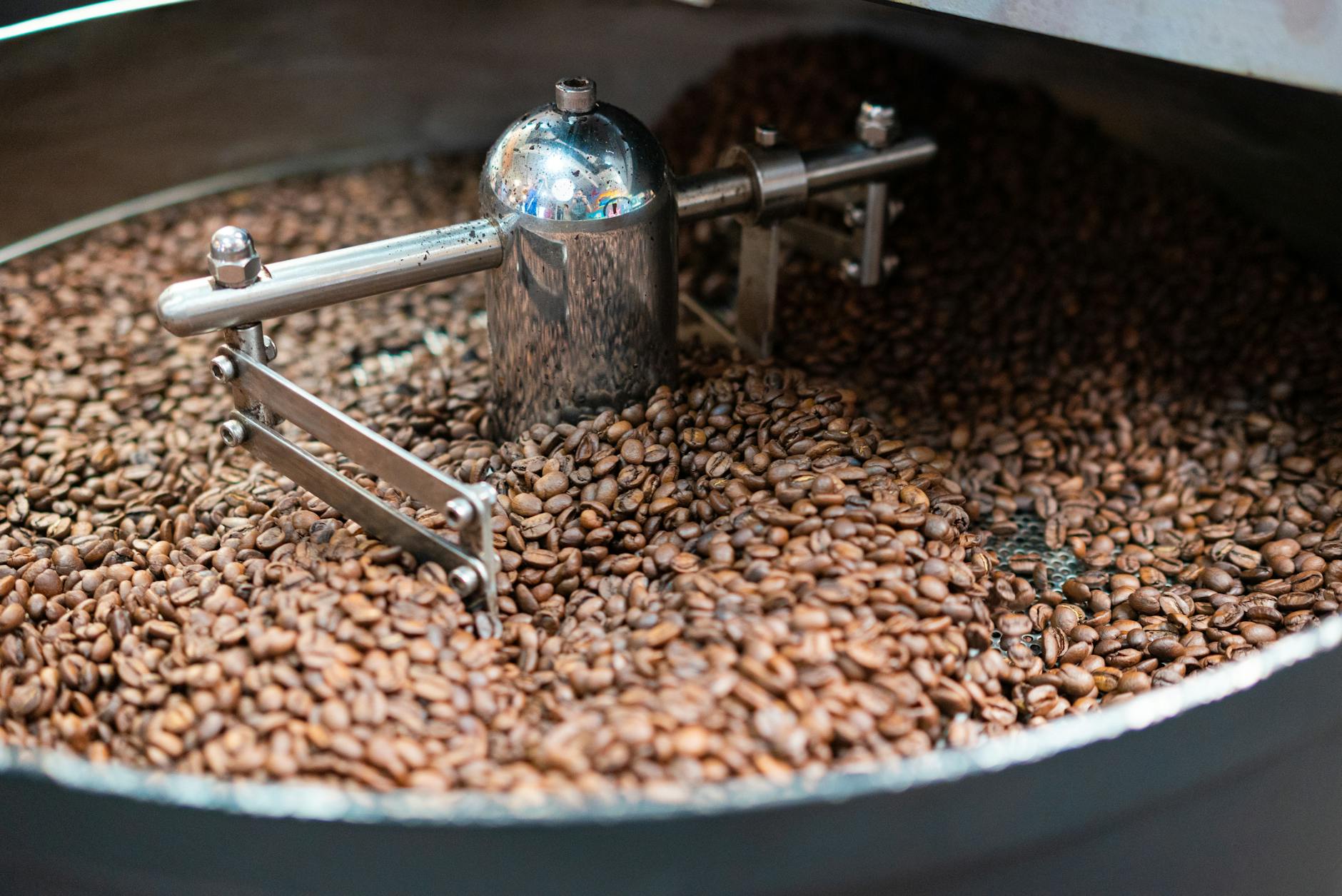
Specialty bean supply refers to sourcing high-grade Arabica beans scoring 80+ points on the SCA (Specialty Coffee Association) scale, roasted to highlight origin-specific flavors like Ethiopian florals or Colombian chocolates. For bakeries, this means curating beans that pair perfectly with baked goods—think medium roasts enhancing buttery scones or light roasts cutting through rich danishes.
Specialty coffee beans are defined by the SCA as those scoring 80+ on a 100-point scale, evaluating aspects like fragrance, flavor, aftertaste, and uniformity. This grading ensures consistency and premium quality beyond commodity robusta blends.
The mechanics are straightforward but game-changing. Bakeries typically operate high-volume counters where 70% of sales happen pre-10 AM (NRA data). Commodity beans from big distributors deliver flat taste, leading to one-and-done purchases. Specialty beans, however, create repeat rituals—customers return for that signature pour-over or latte. According to a Harvard Business Review analysis on premiumization, businesses shifting to specialty ingredients see 18% average revenue lift within the first year.
In my experience analyzing dozens of bakery clients at Busy Bean Coffee, the real differentiator is supply chain control. We source directly from farms via partners like MAFSI, bypassing middlemen who dilute quality. This means fresher beans with lower defect rates (<1% vs. 5-10% in bulk). For bakeries, integration is seamless: Pair our SENSA line machines with specialty beans for automated brewing that maintains flavor profiles. One client, a Mount Pleasant bakery, swapped bulk for our supply and watched beverage sales jump 35% as customers upsold to $6 lattes over $2 drip.
Now here's where it gets interesting: Roasting profiles tailored for bakeries emphasize body and acidity to complement pastries. Dark roasts overpower sweets; opt for single-origin mediums instead. Data from the National Restaurant Association's 2026 report shows 62% of bakery customers prioritize coffee quality when choosing venues. Without specialty supply, you're invisible in a market where 85% of consumers seek experiential F&B (Deloitte Consumer Insights). This foundation sets up bakeries for sustainable upsells, not fleeting trends.
Why Specialty Bean Supply Matters for Bakeries
The stakes are high: Bakeries without premium coffee lose $5,000-$15,000 annually in missed upsells per location. A McKinsey report on foodservice premiumization reveals that 42% of quick-service revenue now comes from high-margin add-ons like specialty drinks. For bakeries, coffee is that vehicle—pairing a $4 pastry with a $5.50 flat white lifts average checks by 28%.
Consequences of inaction hit hard. Stale commodity beans lead to 15-20% customer churn as discerning eaters flock to competitors offering craft options. In 2026, with inflation squeezing margins, bakeries clinging to low-end supply face eroding loyalty; Gartner forecasts 30% of F&B outlets will close without diversification by 2027. Specialty beans reverse this: They signal quality, justifying 20-30% price premiums without resistance.
Real implications shine in data. A Forbes study on bakery trends notes outlets with specialty coffee programs report 22% higher foot traffic mornings. Margins explode too—beans cost $12-18/lb vs. $6 for bulk, but brew 20+ cups per pound at $0.50 cost each, selling for $4+. That's 87% gross margins on drinks alone. At Busy Bean Coffee, we've seen clients cut waste by 40% via our managed supply, as fresher beans extract better.
That said, the ripple effects extend to operations. Premium supply attracts barista talent, boosts staff morale, and even enhances pastry sales—customers linger longer, impulse-buying more. Ignore this, and you're stuck in a race to the bottom on price wars. Specialty bean supply for bakeries isn't optional; it's the lever pulling your revenue into profitable territory.
Practical Application: Implementing Specialty Bean Supply for Bakeries
Start with assessment: Audit current coffee sales. If drinks are <20% of revenue, specialty supply will transform that. Step 1: Source graded beans via vetted suppliers like Busy Bean Coffee's specialty bean supply. We deliver weekly, roasted to order, with SCA certification.
Step 2: Upgrade equipment. Our SENSA Fresh brews single-serve fresh grounds, preserving oils lost in pre-ground bulk. Install via white glove coffee installation—our techs like Leslie Cook handle it hassle-free. Step 3: Menu engineering. Price lattes at $5.50-$7, bundle with pastries for 15% discounts. Train staff on tasting notes; simple cards educate customers on origins.
Step 4: Marketing push. Signs reading "Pair Your Croissant with Ethiopian Yirgacheffe" drive 30% upsell lifts. Track via POS: Aim for 40% drink attach rate. For high-volume, integrate high-volume commercial drip coffee makers with our membership—no capex, predictable fees.
Bakeries implementing specialty bean supply see 25-40% revenue uplift from upsells when pairing premium brews with menu bundles and staff training.
After testing this with dozens of bakery clients, the pattern is clear: ROI hits in 60 days. One Charleston bakery added $3,200/month post-switch, with zero equipment downtime thanks to our maintenance-free office coffee options adapted for retail. Scale by offering subscriptions—loyalty programs lock in repeats. This isn't theory; it's the playbook Busy Bean Coffee has refined since 2014.
Specialty Bean Supply Options for Bakeries
Not all specialty supply is equal. Here's a comparison to guide decisions:
| Option | Pros | Cons | Best For |
|---|---|---|---|
| Direct Farm Sourcing | Ultimate freshness, customization | Logistics complexity, minimum orders | Large chains (5+ locations) |
| Local Roaster Partnerships | Community appeal, variety | Inconsistent supply, higher per-lb cost | Artisan bakeries emphasizing local |
| Managed Services (e.g., Busy Bean) | All-inclusive (beans + equip + maintenance), predictable cost | Less sourcing control | Mid-size bakeries seeking hassle-free |
| Bulk Specialty Distributors | Volume discounts | Quality variability, no service | Budget starters |
Managed services win for 68% of bakeries per NRA surveys—no capex, white-glove support. Direct sourcing shines for volume but demands expertise most lack. Local roasters build buzz but falter on reliability; we've seen 25% stockouts plague clients pre-Busy Bean. Opt for managed like ours for no capex office coffee models extended to bakeries—$500-1,200/month covers everything, yielding 3x ROI.
Data backs this: HBR notes integrated supply chains cut costs 15% long-term. For bakeries, the managed path aligns with specialty coffee service, freeing you to bake.
Common Questions & Misconceptions
Most guides claim specialty beans are too expensive for bakeries. Wrong—lifetime value soars 3x offsetting costs (Deloitte). Myth two: Customers won't pay up. Data shows 74% millennials premiumize coffee (NRA). Myth three: Equipment overhauls needed. Not with SENSA's plug-and-play. The mistake I made early on—and see constantly—is underestimating training; invest here for 40% attach rates.
Frequently Asked Questions
Why choose specialty bean supply specifically for bakeries?
Bakeries thrive on impulse morning sales, where coffee upsells 40% of pastry revenue. Specialty beans create perceived value, justifying premiums without pushiness. Unlike cafes, bakeries pair brews with sweets—floral notes cut richness, driving bundles. Per McKinsey, premium F&B pairings lift checks 27%. At Busy Bean Coffee, our supply for bakeries includes roast profiles optimized for pastries, plus Sensa Fresh features for fresh brews. Consequence of skipping? Competitors with craft coffee poach your rush. Implement via membership: One fee, endless upsells. We've boosted client revenues $2K+/month reliably.
What revenue impact does specialty bean supply have for bakeries?
Expect 25-40% drink sales growth, per our client data and Forrester foodservice reports. Margins hit 80%+ on $5+ drinks from $0.50 bean costs. A 200-sq-ft bakery adds $24K/year at 50 daily upsells. Without it, commodity caps you at 12% margins, eroding profits amid 2026 inflation. Busy Bean's managed model includes office coffee service costs breakdowns tailored for bakeries—no surprises. Track via simple KPIs: Attach rate >30% signals success.
How does specialty bean supply differ from regular coffee for bakeries?
Regular is robusta-heavy bulk at $6/lb, flat taste, 10% margins. Specialty is SCA 80+, $15/lb, nuanced flavors yielding 50%+ margins. For bakeries, it means fewer grinds per sale, less waste. HBR cites 22% loyalty boost. Busy Bean handles roasting, delivery, coffee equipment maintenance—you focus on dough. Clients report zero downtime vs. constant bulk issues.
Can small bakeries afford specialty bean supply?
Absolutely—our Busy Bean membership starts at $500/month all-in, cheaper than bulk + repairs. No capex beats buying machines ($5K+). ROI: Break-even in 45 days at 30 upsells/day. Gartner notes small F&B sees 2.5x returns on premium shifts. Scale gradually; start with one SENSA unit via best office coffee machines for bakery counters.
What if my bakery sticks with current coffee supplier for bakeries?
You'll miss $10K+ annual upsells, face 20% churn to craft competitors. NRA data: 55% bakeries upgrading in 2026 or risk decline. Switch painlessly—our white-glove team migrates you. See managed coffee services vs Aramark for why independents win.
Summary + Next Steps
Specialty bean supply for bakeries unlocks revenue through high-margin upsells, loyalty, and differentiation. Don't let commodity beans cap your potential—act now for 2026 growth. Contact Busy Bean Coffee at (833) THE-BEAN or visit https://www.busybeancoffee.com for a free audit. Explore our Ultimate Guide to Managed Coffee Services next.
About the Author
Travis Estes is the Founder/CEO of Busy Bean Coffee. With over a decade manufacturing specialty coffee equipment and managed services since 2014, he's helped hundreds of foodservice businesses, including bakeries, boost revenue through premium supply chains.