📖This article is part of the complete guide to Ultimate Guide to Automated Coffee Machines for Businesses.
I remember a specific morning with a client in Mount Pleasant, SC, who was struggling with a high-volume breakfast rush. They had a traditional espresso setup, but the inconsistency was killing their speed of service; one drink was perfect, the next was sour, and their staff was stressed. When we swapped their workflow for high-end bean to cup commercial coffee machines, the tension vanished. Not only did the consistency stabilize, but the waste from poorly pulled shots dropped by nearly 20% in the first month. For a comprehensive overview of the landscape, explore our Ultimate Guide to Automated Coffee Machines for Businesses.
What are Bean to Cup Commercial Coffee Machines?
📚
Definition
Bean to cup commercial coffee machines are fully automated systems that handle the entire brewing process—grinding the coffee bean, tamping, extracting the espresso, and often frothing the milk—all within a single operational cycle triggered by one button.
Bean to cup commercial coffee machines represent the intersection of precision engineering and convenience. Unlike traditional semi-automatic machines that require a skilled barista to grind the beans and manually tamp the puck, these systems integrate a professional-grade burr grinder directly into the chassis. The machine calculates the exact dosage of coffee, compresses it with mechanical precision, and forces hot water through the grounds at a controlled pressure and temperature to produce a genuine espresso.
In my experience working with foodservice operators, the primary appeal is the elimination of the 'human variable.' Whether it is a Tuesday morning or a Saturday afternoon, the machine delivers the same extraction profile every time. This is especially vital when utilizing high-grade Coffea arabica, where precise temperature control is necessary to avoid burning the delicate volatile oils that give specialty coffee its distinct flavor profile. Most commercial-grade units in 2026 now feature programmable profiles, allowing owners to adjust the grind size and water volume digitally without needing to physically adjust a dial every few hours.
Why Does This Technology Matter for Your Business?
Implementing bean to cup commercial coffee machines matters because it decouples the quality of your beverage program from the availability of specialized labor. The current labor market in the hospitality sector is volatile; finding and retaining a certified barista is an expensive and time-consuming endeavor. By automating the technical execution, any staff member can produce a cafe-quality latte or cappuccino without years of training.
Beyond labor, there is the critical issue of waste and consistency. According to the Specialty Coffee Association (SCA), precision in dosing and temperature is the foundation of coffee quality. Traditional manual setups often lead to 'dialing in' waste, where a barista may throw away several kilograms of coffee per week just to find the right grind setting. Automated systems minimize this variance. When we analyze the data from businesses switching to these systems, we see a marked increase in throughput during peak hours because the 'per-cup' time is slashed by nearly 40%.
Furthermore, from a health and safety perspective, these machines are designed for high-frequency use. Most professional units adhere to NSF International standards, specifically regarding food equipment safety and sanitation. This ensures that the internal brewing units, which can be breeding grounds for mold if not cleaned, have automated rinsing cycles that maintain hygiene without requiring the staff to dismantle the machine every single shift.
If you are weighing the financial impact of this switch, we recommend reviewing our detailed Commercial Automated Coffee Machines Cost Breakdown to see how the initial investment balances against long-term labor savings.
How to Implement Bean to Cup Systems in Different Use Cases
Integrating these machines requires more than just plugging them into a wall; it requires a strategic look at your workflow and volume. The implementation differs wildly depending on whether you are in a hotel lobby or a fast-casual restaurant.
High-Volume Restaurants and Cafes
In a restaurant setting, the goal is speed and reliability. I always suggest placing the machine in a 'beverage station' separate from the main food plating area to avoid cross-contamination and congestion. For these environments, you need a machine with a large bean hopper and a high-capacity milk system. If you are managing a busy kitchen, you might find that Automated Coffee Machines for Restaurants offer the specific durability needed for 200+ cups per day.
Luxury Hotels and Guest Lounges
For hotels, the focus shifts toward the guest experience and aesthetic. Guests in 2026 expect an elevated coffee experience even in the lounge. A bean to cup machine allows you to offer a variety of drinks—from flat whites to macchiatos—without needing a 24/7 barista on staff in the lobby. This enhances the perceived value of the stay. You can read more about this in our specific guide on Automated Coffee Machines for Hotels.
Corporate Offices and Executive Suites
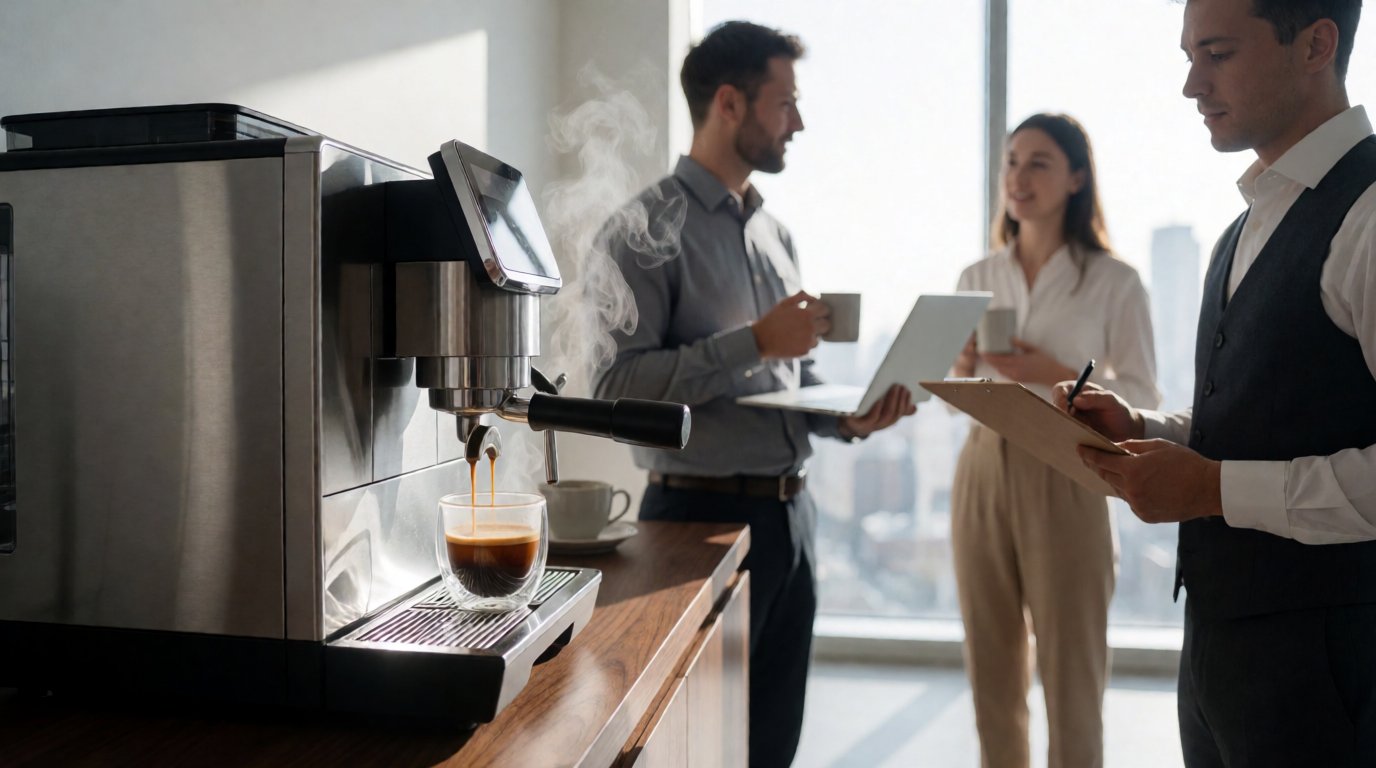
In corporate environments, the 'coffee break' is a social pillar. Here, the focus is on user interface. You want a machine with a touch-screen display that allows employees to customize their drink strength. In these settings, the machine often acts as a perk that increases employee satisfaction. If you are looking to upgrade your office setup, consider looking into the Best Office Espresso Machines for Small Teams in 2026.
Bean to Cup vs. Traditional Semi-Automatic vs. Pod Systems
Choosing the right system depends on your priority: Is it the absolute peak of artisan craft, or is it scalable, consistent profit?
| Feature | Traditional Semi-Automatic | Pod/Capsule Systems | Bean to Cup Commercial |
|---|---|---|---|
| Skill Required | High (Professional Barista) | None | Minimal (Basic Training) |
| Cost per Cup | Low (Bulk Beans) | High (Pre-packaged Pods) | Low (Bulk Beans) |
| Consistency | Variable (Human Dependent) | High | High (Machine Controlled) |
| Waste | High (Dialing in/Puck waste) | Very High (Plastic Waste) | Low (Precise Dosing) |
| Speed | Slow to Medium | Fast | Very Fast |
As the table illustrates, pod systems offer speed but are an environmental and financial disaster for high-volume businesses. Traditional machines offer the 'soul' of coffee but create a massive dependency on skilled labor. Bean to cup commercial coffee machines provide the middle ground: the quality of fresh-ground specialty coffee with the efficiency of a vending machine.
Common Mistakes to Avoid When Buying Automated Machines
One of the biggest mistakes I see business owners make is buying a 'prosumer' machine for a commercial environment. A machine designed for a home kitchen may look like a commercial unit, but it lacks the thermal stability and pump durability to handle 50 cups in an hour. When a prosumer machine hits its limit, the temperature drops, and your espresso turns into lukewarm brown water.
Another frequent error is neglecting the water quality. Coffee is 98% water. If you plug a high-end bean to cup machine into a hard-water line without a professional filtration system, scale will build up in the boiler within months. This not only ruins the taste but can lead to catastrophic pump failure. I always insist that clients use a multi-stage filtration system to protect their investment.
Lastly, many operators forget about the 'bean quality' trap. Because the machine is automated, some owners think they can use cheap, oily commercial beans. However, oily beans can clog the internal grinders of automated machines, leading to frequent jams and service calls. To maintain a high standard and a healthy machine, you should stick to a medium-roast specialty coffee. If you are unsure where to source the best beans for your region, our coffee delivery service in Charlotte NC provides a great benchmark for quality and freshness.
Deep Dive: The Technical Mechanics of Extraction
To truly understand why these machines are superior for business, we have to look at the physics of the extraction. A professional bean to cup machine uses a process called 'forced extraction.' The machine grinds the beans directly into a brewing chamber, where a mechanical piston compresses the grounds to a specific pressure—typically around 9 bars. This mimics the manual tamping a barista does with a metal tamper.
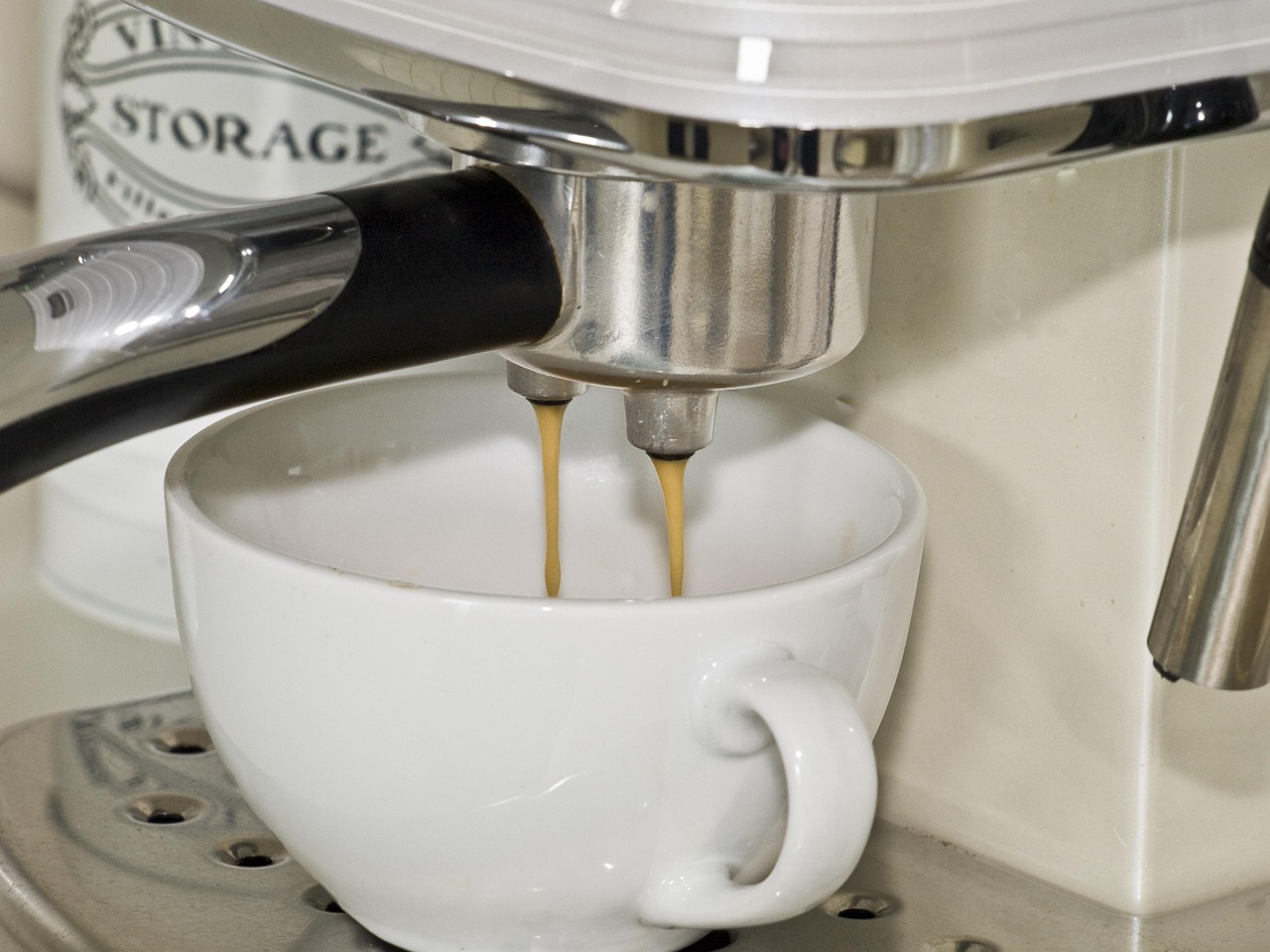
Water is then heated via a thermoblock or a boiler system to a precise temperature, usually between 195°F and 205°F. According to the National Coffee Association USA (NCA), maintaining this specific temperature range is what prevents the extraction of overly bitter compounds from the bean. The water is forced through the compressed puck at high pressure, emulsifying the oils and creating the 'crema'—that golden-brown foam on top that characterizes a true espresso.
In the most advanced 2026 models, we see the implementation of 'adaptive grinding.' These machines use sensors to detect the resistance of the coffee puck and adjust the grind size in real-time for the next cup. This ensures that even as the ambient humidity in your restaurant changes, the coffee remains perfectly balanced. This level of automation is what drives the Key Benefits of Automated Coffee Machines for Foodservice, allowing owners to focus on hospitality rather than troubleshooting equipment.
Implementation Guide: Setting Up Your Beverage Station
Setting up your bean to cup system requires a focus on ergonomics and utility. Based on my years of installing these systems, here is the optimal workflow:
-
Power and Water Placement: Ensure you have a dedicated 20-amp circuit. These machines have powerful heaters and grinders that can trip a shared circuit. If the machine has a direct water line, place it within 5 feet of the source to minimize plumbing complexity. If using a tank, ensure there is easy access for staff to refill it without blocking the service area.
-
The 'Milk Zone' Configuration: If your machine has an integrated milk frother, place a sanitized milk fridge directly beneath or beside the machine. This minimizes the distance the staff has to move, shaving seconds off every drink. For those wanting a more premium experience, we often suggest supplementing the setup with latte art tools to add a handcrafted touch to the automated output.
-
Waste Management: Every espresso shot produces a 'puck' of spent grounds. Ensure your machine is positioned so the waste bin is easy to empty. I recommend a pull-out drawer under the machine for the grounds bin to keep the counter clean and professional.
-
Staff Training: Even though it is 'one-touch,' your staff needs to know how to perform the daily cleaning cycle. A machine that isn't cleaned is a machine that produces bad coffee. Create a simple checklist: morning rinse, midday milk purge, and evening deep clean.
-
Menu Integration: Don't just offer 'coffee.' Use the machine's capabilities to create a signature menu. For example, a 'Morning Energizer' (double shot espresso with a dash of cinnamon) can be programmed as a preset, increasing the average transaction value without increasing the workload.
Frequently Asked Questions
Do bean to cup machines produce real espresso?
Yes, they do. Unlike drip coffee or pod machines, bean to cup commercial machines use high-pressure pumps to force water through finely-ground coffee under pressure, which is the technical definition of espresso. While a world-champion barista using a manual machine can push the boundaries of flavor, a high-end automated machine produces an espresso that is indistinguishable to 95% of customers, with the added benefit of total consistency.
How often do these machines need maintenance?
Daily maintenance is simple—mostly automated rinsing and wiping down milk wands. However, a professional deep-service is required every 3 to 6 months depending on volume. This includes replacing gaskets, cleaning the brew group with specialized detergents, and calibrating the grinder. At Busy Bean Coffee, we provide managed services that handle this automatically so you never have to worry about unexpected downtime during a rush.
Can I use any type of coffee bean?
You can, but you shouldn't. I strongly recommend avoiding 'dark roasted' beans that have a greasy, oily sheen on the surface. These oils can gum up the grinder burrs and the internal valves, leading to clogs. Stick to a high-quality medium roast Coffea arabica. This ensures the longevity of the machine and provides a balanced flavor profile that appeals to the widest range of customers.
How does the milk system work in automated machines?
Most professional bean to cup machines use a steam-injection system. The machine draws milk from a chilled container and injects high-pressure steam to create a micro-foam. Some systems allow you to choose between 'hot milk' and 'frothy foam.' The most important part of this system is the hygiene; ensure your staff follows the automated cleaning cycle to prevent milk protein buildup in the lines.
Are these machines expensive to run?
When you look at the cost per cup, they are incredibly efficient. You are buying bulk beans, which is the cheapest way to source high-quality coffee. The main costs are electricity and water filtration. When compared to the cost of hiring a full-time barista or the high per-unit cost of pods, bean to cup machines usually offer a positive ROI within the first 12 to 18 months for mid-to-high volume businesses.
Conclusion
Transitioning to bean to cup commercial coffee machines is one of the most effective ways to professionalize your beverage program while reducing operational stress. By removing the reliance on highly specialized labor and eliminating the waste associated with manual dialing, you create a scalable system that delivers consistent, high-quality specialty coffee to every customer.
Whether you are scaling up a restaurant, enhancing a hotel lobby, or upgrading a corporate office, the goal remains the same: a great cup of coffee delivered with zero friction. The technology available in 2026 has finally closed the gap between 'automated' and 'artisan,' making it a strategic win for any foodservice operator.
If you want to see where these machines fit into a broader business strategy, we invite you to read our Ultimate Guide to Automated Coffee Machines for Businesses. For those who want a completely hands-off experience, Busy Bean Coffee offers all-inclusive managed memberships that provide the equipment, the beans, and the maintenance for one predictable fee.
Visit www.busybeancoffee.com to discover how we can streamline your coffee service today.
Free Coffee Pairing Guide & Specialty Roast Cheat Sheet
Unlock the secrets of perfect brewing ratios, water temperatures, and specialty roast profiles. Download the guide.