📖This article is part of the complete guide to Ultimate Guide to Automated Coffee Machines for Businesses.
I once visited a senior living facility in South Carolina where the staff spent nearly three hours every morning just managing a series of old percolators and thermal carafes. The coffee was often burnt, the pots were leaking, and the staff were exhausted before the lunch rush even started. In the high-stakes environment of retirement communities, where resident satisfaction is the primary metric of success, the beverage program is often an overlooked pain point. When you scale coffee service to hundreds of residents, the friction of manual brewing becomes a liability for both the staff and the quality of the experience.
For a comprehensive overview of how these systems work across different industries, explore our Ultimate Guide to Automated Coffee Machines for Businesses.
What is High-Volume Automated Coffee for Retirement Communities?
📚
Definition
High-volume automated coffee for retirement communities refers to the implementation of commercial-grade, bean-to-cup systems designed to produce hundreds of consistent, specialty-grade beverages daily with minimal human intervention.
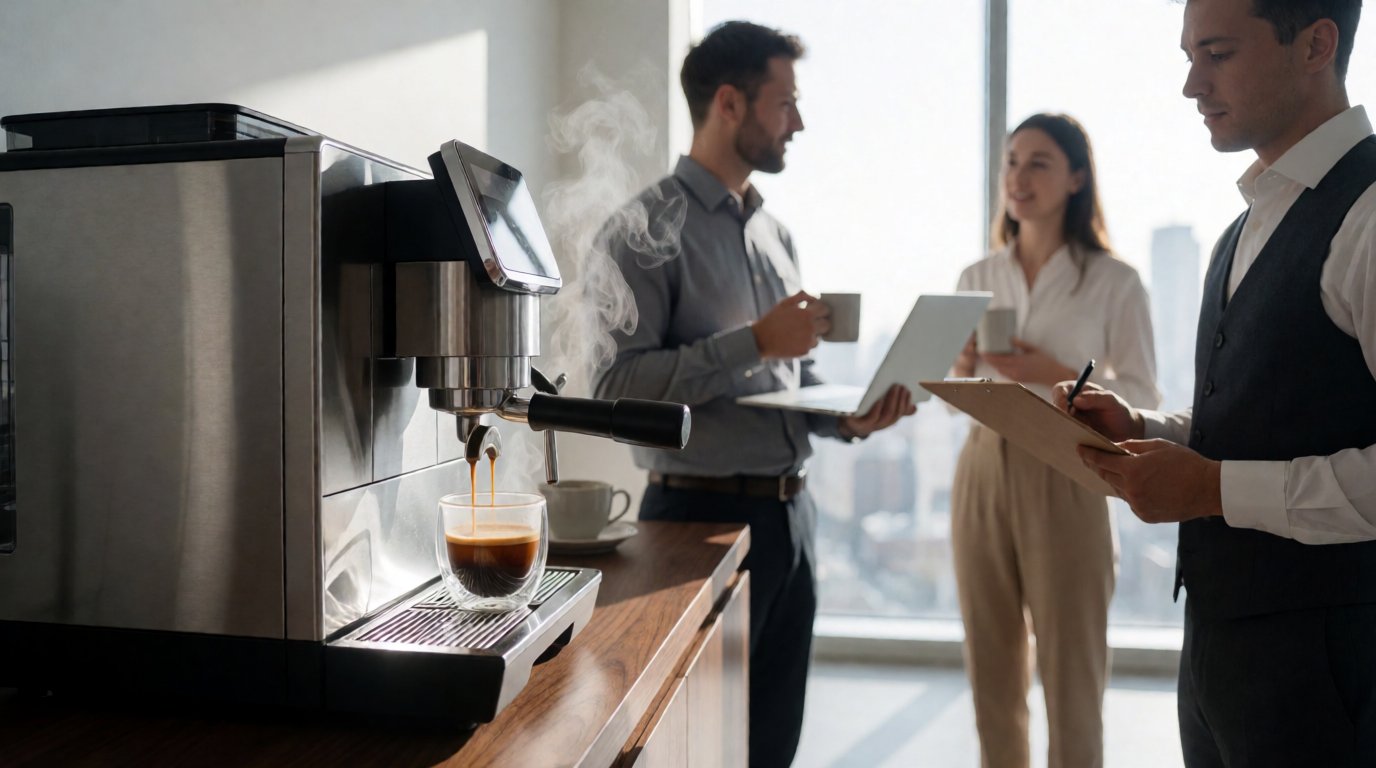
High-volume automated coffee in a senior living context is not just about a machine that makes a pot of coffee; it is about a systemic approach to beverage management. These systems integrate precision grinding, exact water temperature control, and automated milk frothing to ensure that every cup of Coffea arabica delivered to a resident's room or served in the dining hall meets a professional standard. In my experience working with managed services, the shift from manual brewing to automation isn't just a technical upgrade; it is a labor strategy. By removing the need for a trained barista to stand over a machine for six hours a day, facilities can reallocate their staff to more critical resident care tasks while still providing a premium cafe experience.
In 2026, these machines have evolved to handle the specific demands of senior living, such as intuitive touchscreens for staff with varying technical skills and rapid-cycle brewing that prevents queues during the morning breakfast rush. When we deploy these solutions at Busy Bean Coffee, we focus on the "bean-to-cup" architecture, which eliminates the waste associated with pre-ground coffee and ensures the freshness of the roast. For those interested in the technical specifics, our guide on Bean to Cup Commercial Coffee Machines Explained provides a deeper dive into the internal mechanics of these systems.
Why Does Automated Coffee Matter for Senior Living Facilities?
In a retirement community, coffee is more than a beverage; it is a social anchor. The morning coffee hour is often the most important social event of the day for residents, and the quality of that experience directly impacts their perceived quality of life. When a facility switches to an automated system, they are solving three primary problems: consistency, labor costs, and sanitation.
First, consistency is a massive challenge in high-volume settings. A manual brew made at 6:00 AM by one staff member often tastes completely different from a brew made at 9:00 AM by another. According to the Specialty Coffee Association (SCA), precise water temperature and grind uniformity are the pillars of a quality cup. Automated machines lock in these variables, ensuring that a latte tastes the same on Tuesday as it does on Saturday. This predictability is comforting for residents and reduces complaints to management.
Second, the labor burden in senior living is currently at a critical high. By utilizing benefits automated coffee machines business, facilities can reduce the man-hours dedicated to beverage prep. A machine that can steam milk and pull an espresso shot simultaneously at the touch of a button saves minutes per drink, which adds up to hours of reclaimed productivity per week. This is especially vital in facilities that operate 24/7, where staffing gaps are common.
Third, sanitation and safety are non-negotiable. Old-school coffee burners are fire hazards and breeding grounds for bacteria if not cleaned meticulously. High-volume automated systems are designed with rigorous hygiene standards. For instance, the NSF International provides certifications for food equipment that ensure machines are easy to sanitize and prevent cross-contamination, a critical factor when serving a population with potentially compromised immune systems.
| Feature | Traditional Percolators | Cheap Home-Grade Automation | Busy Bean Managed Solution |
|---|---|---|---|
| Consistency | Highly Variable | Moderate (often burnt) | Precision Controlled |
| Labor Need | High (Constant Monitoring) | Moderate (Frequent Refills) | Low (One-Touch Operation) |
| Sanitation | Difficult / Manual | Basic / Prone to Clogs | Professional Maintenance Plan |
| Quality | Basic Brew | Generic Taste | Specialty Grade Arabica |
How to Implement Automated Coffee in a Retirement Community
Implementing a high-volume system requires more than just plugging in a machine; it requires a workflow analysis of the facility's daily rhythm. The goal is to place the technology where it reduces the most friction for the staff while maximizing accessibility for the residents.
-
Audit the Peak Demand Windows: Start by tracking exactly how many cups are served between 7:00 AM and 10:00 AM. If you are serving 200 cups in a three-hour window, you need a machine with a high-capacity boiler and a large bean hopper to avoid constant refills that disrupt the flow.
-
Strategic Placement: I always recommend a dual-zone approach. Place a high-capacity automated machine in the main dining hall for the breakfast rush, and a smaller, high-quality unit in the common lounge or library. This prevents "bottlenecking" and allows residents to enjoy a coffee without traveling across the entire campus. If you are managing multiple sites, you might consider a coffee delivery service in Charlotte NC or similar regional logistics to keep bean stocks fresh across all locations.
-
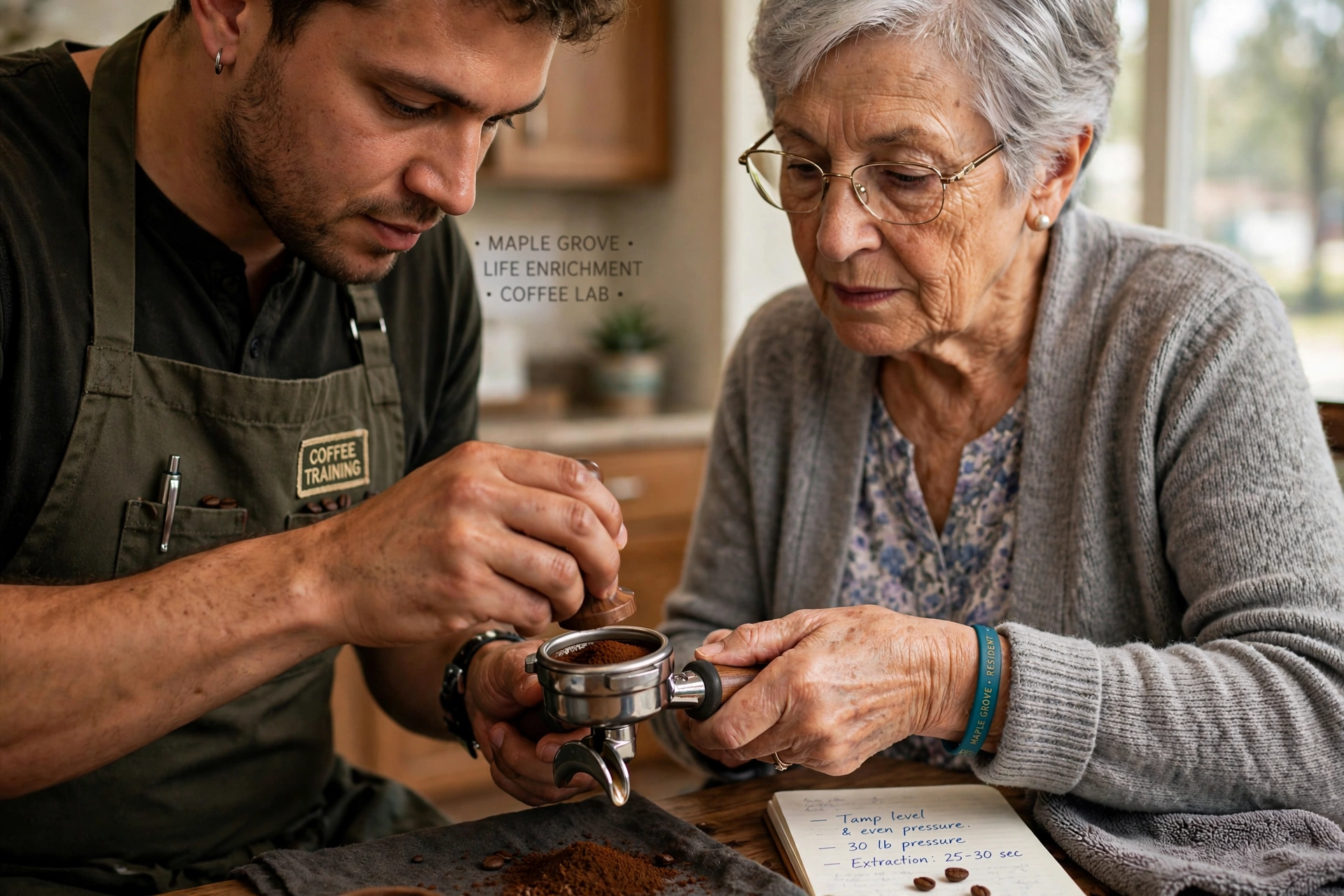
Staff Training and Interface Simplification: The biggest barrier to automation is often staff intimidation. Use machines with programmable "one-touch" buttons. Instead of asking a staff member to "make a medium latte," the button should simply say "Medium Latte." This removes the need for extensive barista training and ensures the drink is made correctly every time.
-
Water Filtration Integration: This is the step most facilities skip. Hard water ruins espresso machines and makes coffee taste metallic. A professional installation must include a high-grade filtration system to protect the equipment and enhance the flavor of the coffee bean. This is a standard part of how we how to choose an automated coffee machine for business specifically for healthcare and senior living environments.
-
Establish a Maintenance Cycle: Automated machines are marvels of engineering, but they require cleaning. Set up a daily and weekly checklist for milk line flushing and hopper cleaning. In a managed membership model like the one offered by Busy Bean Coffee, this maintenance is handled for you, removing the burden from your nursing and hospitality staff.
Common Mistakes to Avoid in Senior Living Coffee Services
One of the most frequent mistakes I see is the "Consumer-Grade Trap." Facilities often buy a high-end home machine thinking it can handle 100 cups a day. These machines are not built for the thermal load of continuous brewing. Within six months, the pumps fail, and the facility is left with an expensive paperweight. You must use equipment rated for commercial duty cycles.
Another error is ignoring the quality of the input. You cannot put low-grade, commodity-grade coffee into a $10,000 machine and expect it to taste like a cafe. The chemistry of specialty coffee, specifically high-altitude Arabica beans, is what creates the rich crema and flavor profile that residents love. If you are operating in a high-end community, the coffee should reflect that luxury. This is why we emphasize the importance of professional coffee roasting and sourcing.
Lastly, avoid the "Set it and Forget it" mentality. Even the best automated systems need calibration. The humidity in the room or the age of the beans can affect the grind size. If the coffee starts tasting sour or overly bitter, it is a sign that the machine needs a quick adjustment. This is where a managed service becomes invaluable; we monitor the performance so you don't have to.
Frequently Asked Questions
Will an automated machine be too complicated for my staff to use?
Not if the system is configured correctly. Modern commercial machines are designed for "one-touch" operation. We program the specific recipes—such as a 12oz Cappuccino or an 8oz Americano—directly into the interface. The staff member simply presses the image of the drink they want, and the machine handles the grinding, tamping, and frothing. Because the process is standardized, there is no guesswork involved, and training typically takes less than thirty minutes for the entire team.
How do automated machines handle hygiene and health regulations?
Commercial automated machines are built to meet stringent health codes. Most high-end systems include automated cleaning cycles that flush the milk lines with hot water and detergent to prevent biofilm buildup. Furthermore, our equipment adheres to standards set by the FDA regarding food-contact surfaces. By using sealed systems, we reduce the risk of contamination that occurs with open coffee pots and manual stirring spoons used in traditional brewing methods.
Is it more expensive to run an automated system than a traditional pot?
While the initial technology is a higher investment, the operational cost is often lower due to reduced waste and labor. In a traditional setup, large pots of coffee are often brewed and then thrown away at the end of the shift. Automated machines brew on demand, meaning zero wasted coffee. When you factor in the labor hours saved—moving a staff member from "coffee duty" to "resident care"—the ROI is typically realized within the first year of implementation.
Can these machines make decaf or specialty drinks for residents with dietary needs?
Yes. Most high-volume systems allow for dual-bean hoppers, meaning you can have a full-caffeine roast and a Swiss-water process decaf running simultaneously. Additionally, since the machines control the milk frothing, it is very easy to swap bovine milk for almond or oat milk alternatives. This flexibility allows retirement communities to cater to the diverse health needs of their residents without requiring a dedicated barista to manage multiple pitchers and pots.
What happens if the machine breaks down during the morning rush?
This is the primary fear for any facility manager. If you purchase a machine outright, you are responsible for finding a technician, which can take days. However, with a managed coffee service from Busy Bean Coffee, we provide full maintenance coverage. We use remote monitoring to identify potential failures before they happen, and if a machine does go down, we have a rapid-response protocol to ensure your residents aren't left without their morning coffee.
Conclusion
Transitioning to high-volume automated coffee in a retirement community is a strategic move that enhances both the resident experience and the operational efficiency of the staff. By removing the volatility of manual brewing and replacing it with precision technology, you transform a daily chore into a luxury amenity. The key is to avoid the temptation of under-powered equipment and instead invest in a professional, managed system that grows with your facility.
Whether you are managing a boutique assisted living home or a sprawling retirement campus, the goal remains the same: providing a moment of comfort and quality in your residents' day. For those ready to upgrade their beverage program, we invite you to explore our Ultimate Guide to Automated Coffee Machines for Businesses to learn more about the best equipment for your specific scale.
If you're tired of the morning coffee chaos and want a predictable, premium solution for your facility, let's talk. Visit us at www.busybeancoffee.com to see how our all-inclusive managed coffee membership can eliminate your capital expenses and bring world-class coffee to your residents.
Free Coffee Pairing Guide & Specialty Roast Cheat Sheet
Unlock the secrets of perfect brewing ratios, water temperatures, and specialty roast profiles. Download the guide.