📖This article is part of the complete guide to Ultimate Guide to Automatic Coffee Machines for Business.
In my experience working with medical directors and facility managers, the coffee station is often the only place where a stressed surgical nurse and a worried family member find common ground. In high-pressure healthcare environments, a broken coffee pot isn't just an inconvenience; it is a failure in a critical support system for people working 12-hour shifts. When we deploy our managed services at clinics, we see a direct correlation between high-quality, accessible caffeine and staff retention in high-stress zones.
For a comprehensive overview of the technology driving these improvements, explore our Ultimate Guide to Automatic Coffee Machines for Business.
What are Automated Coffee Machines for Healthcare?
📚
Definition
Automated coffee machines for healthcare are industrial-grade, bean-to-cup beverage systems designed to provide consistent, high-quality coffee with minimal human intervention, adhering to strict sanitary standards required in medical environments.
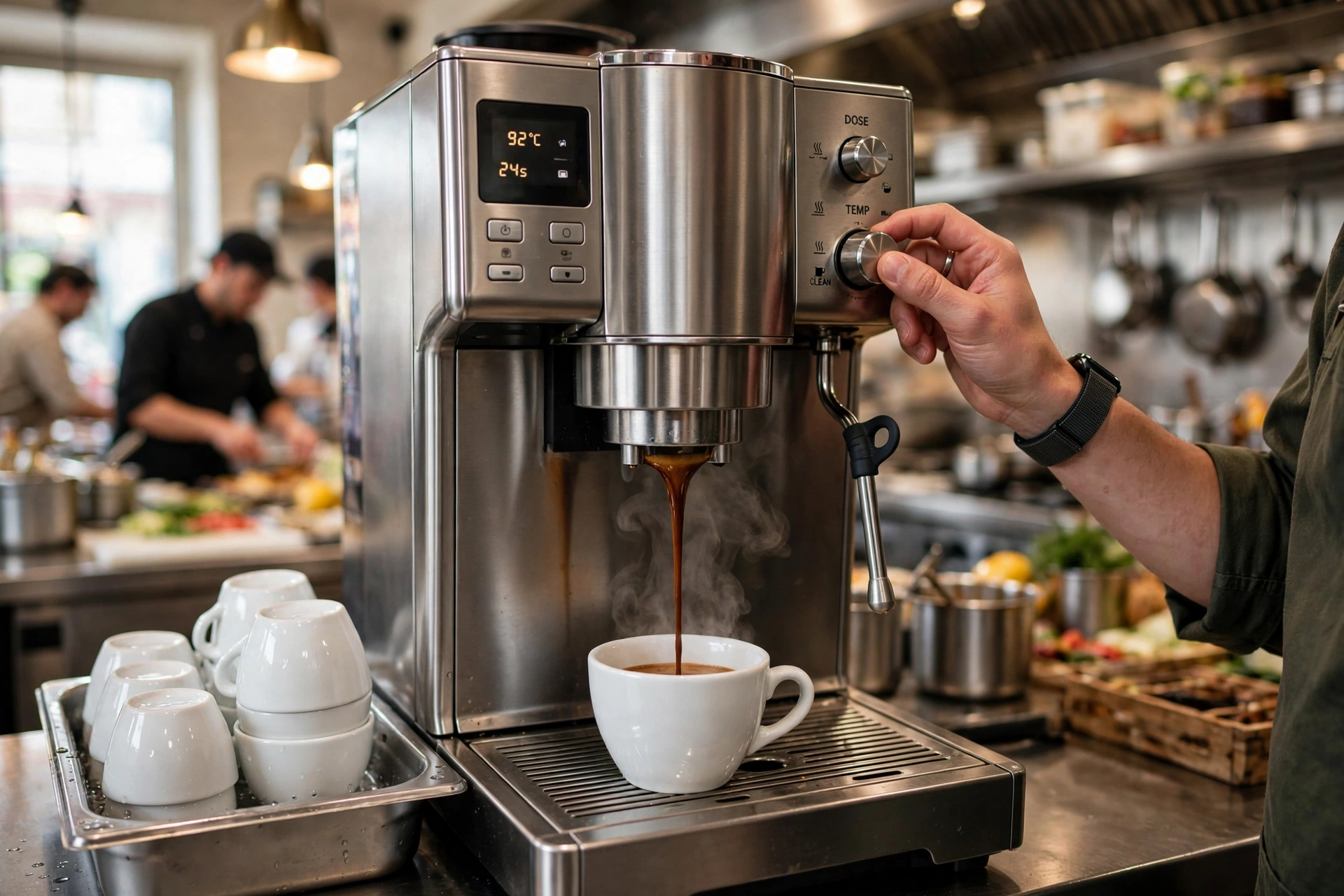
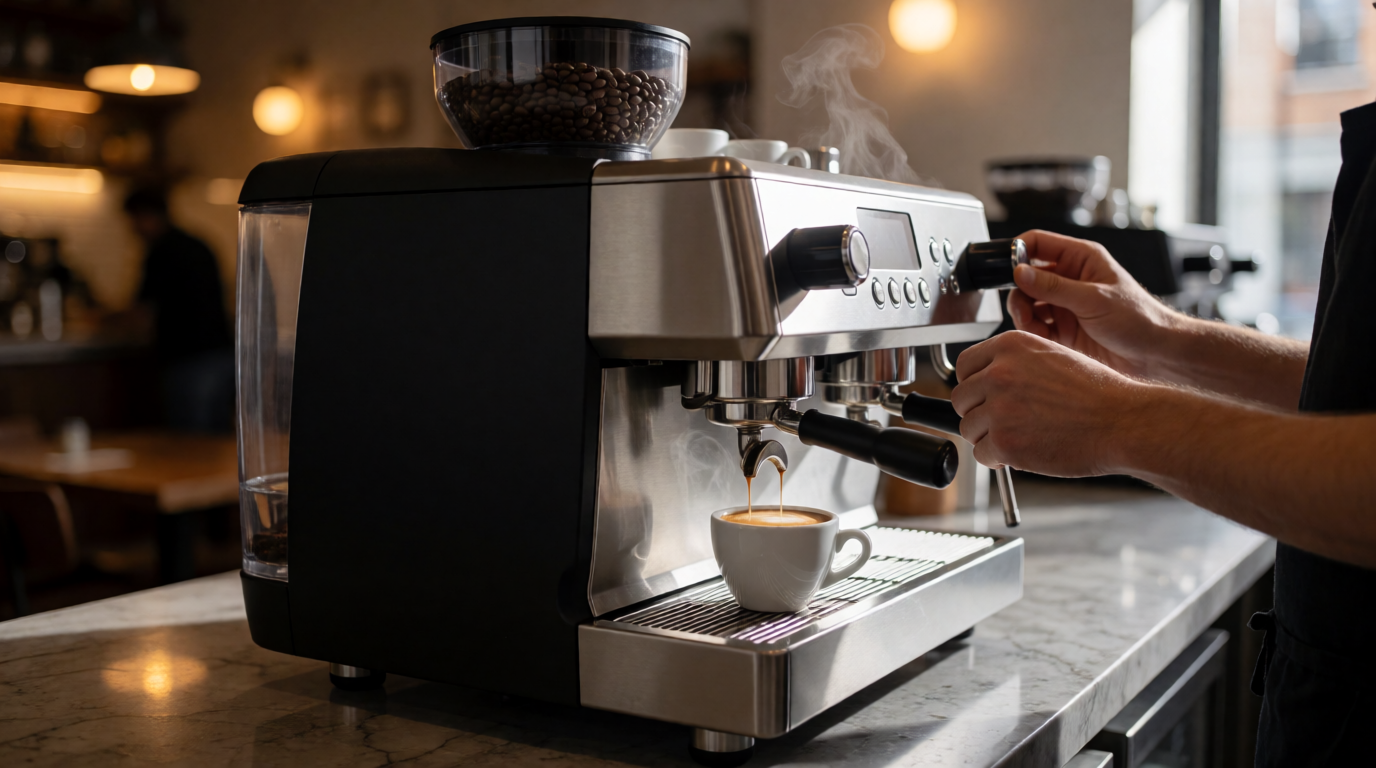
Automated coffee machines in healthcare settings are not the typical pod machines found in a breakroom. They are integrated systems that handle everything from grinding the coffee bean to frothing milk and dispensing the final beverage at the touch of a button. In a 2026 healthcare landscape, these machines prioritize hygiene, speed, and consistency. The goal is to remove the "barista variable," ensuring that whether it is 3:00 AM in the ER or 10:00 AM in a private clinic, the quality of the espresso remains identical.
These systems typically utilize a "bean-to-cup" architecture. This means the machine stores whole Coffea arabica beans in a sealed hopper, grinds them precisely for each cup, and uses a high-pressure pump to extract a rich espresso. For healthcare facilities, this automation is essential because it eliminates the mess associated with manual brewing, such as stray coffee grounds or leaking carafes, which could compromise the cleanliness of a clinical area.

Moreover, modern healthcare solutions emphasize touchless interfaces and automated cleaning cycles. Because cross-contamination is a primary concern in any medical facility, the best systems now incorporate internal HACCP-compliant cleaning protocols that sanitize the milk lines and brew group without requiring manual scrubbing by staff who are already overextended.
Why Does Automated Coffee Matter for Healthcare Facilities?
Automated coffee solutions serve three distinct populations: the medical staff, the patients, and the visitors. For staff, coffee is more than a beverage; it is a cognitive tool. A study by the National Coffee Association USA (NCA) indicates that coffee consumption is deeply tied to alertness and mental acuity, both of which are non-negotiable in a surgical or diagnostic environment. When a nurse can get a premium latte in 30 seconds rather than waiting for a slow drip pot, they return to their patients faster and more refreshed.
From a patient and visitor perspective, the psychology of "comfort care" is paramount. A hospital stay is often the most stressful event in a person's life. Providing a high-quality specialty coffee experience in the waiting room transforms the environment from a sterile institution to a supportive space. It signals that the facility cares about the small details of the human experience.
Furthermore, the operational efficiency gained from automation is significant. Traditional coffee service requires constant monitoring, manual refills, and frequent cleaning of pots and burners. Automated systems reduce this labor burden. When you switch to an automated coffee service, you move from a reactive maintenance model to a proactive one. This is especially important in Mount Pleasant, SC, where high-end private practices are increasingly competing on the quality of their patient amenities to attract affluent clientele.
Another critical factor is safety. Traditional coffee urns are notorious for causing burns due to overheating or spills. Automated machines use enclosed heating elements and precision dispensing, drastically reducing the risk of workplace accidents. According to NSF International, equipment that meets NSF/ANSI 4 standards ensures that the materials used in food and beverage equipment are safe and easy to sanitize, which is a mandatory requirement for any device placed near patient-care areas.
How to Implement Automated Coffee in a Medical Setting
Implementing an automated system requires more than just plugging in a machine. You must analyze the flow of traffic and the specific needs of each department. In my experience, the needs of the ICU are vastly different from the needs of the administrative wing. The ICU requires high-speed, high-volume machines with extreme reliability, while the admin wing might prefer a variety of beverage options, such as cappuccinos and americanos, to facilitate meetings.
Step 1: Traffic Analysis and Placement
Identify "high-stress hubs." These are usually the nursing stations and the main waiting areas. Place machines where they are accessible but do not obstruct the flow of emergency gurneys or medical equipment. Ensure there is a dedicated water line and a drainage system to avoid the manual filling and emptying of tanks, which is a frequent point of failure in busy hospitals.
Step 2: Selecting the Right Beverage Menu
In a healthcare setting, simplicity wins. Offer 4-6 high-quality options. A standard menu should include a strong Espresso, a creamy Latte, an Americano, and a decaf option. Integrating bean to cup coffee machines allows you to maintain a high standard of specialty coffee without needing a trained barista on site. This ensures that the flavor profile is consistent regardless of who is operating the machine.
Step 3: Establishing a Maintenance Schedule
Healthcare facilities cannot afford downtime. A broken machine in a 24/7 ER is a disaster. Implement a "White Glove" maintenance plan. This includes weekly deep cleans, monthly calibration of the grinder to account for humidity changes (which affect the coffee bean), and immediate replacement of worn seals. Using a managed service, like what we provide at Busy Bean Coffee, removes this burden from the facility manager and places it on the experts.
Step 4: Sanitary Validation
Ensure the machine is placed in a way that allows for easy cleaning of the surrounding area. The drip tray should be oversized to prevent overflows, and the machine should be positioned to avoid splashes on clinical surfaces. Regular audits of the milk system are essential to prevent bacterial growth, utilizing the automated flush cycles built into the machine.

Automated Coffee vs. Traditional Methods
When choosing a system, it is helpful to visualize the difference in operational impact. Many hospitals still rely on "burners" or large drip urns, but the gap in quality and efficiency is wide.
| Feature | Traditional Drip/Urns | Cheap Pod/Consumer AI | Professional Automated Solutions |
|---|---|---|---|
| Beverage Quality | Bitter, burnt, inconsistent | Average, plastic taste | Premium, barista-grade specialty coffee |
| Labor Effort | High (brewing, cleaning pots) | Medium (pod disposal, tank fills) | Low (automated cleaning, bean refills) |
| Sanitation | Low (open pots, biofilm risk) | Medium (plastic waste) | High (closed systems, auto-flush) |
| Speed | Slow (must wait for pot) | Fast but limited | Instant, high-volume delivery |
| Consistency | Poor (varies by brew time) | Good but flavorless | Excellent (digitally calibrated) |
As the table shows, while pod machines are fast, they fail the sustainability and quality test. Professional automated solutions provide the best of both worlds: the speed of a pod machine and the quality of a high-end cafe. For those looking to scale this across multiple departments, exploring the best commercial drip coffee makers for foodservice can be a good way to supplement the espresso machines with high-volume black coffee for large staff meetings.
Common Mistakes to Avoid in Healthcare Coffee Service
One of the most frequent mistakes I see is the "Breakroom Trap." This is when a facility buys a high-end machine but places it in a secluded breakroom. While this is great for staff, it ignores the visitor experience. The waiting room is where your brand is perceived by the community. If a visitor is waiting for news about a loved one and is met with a stale pot of coffee, their perception of the facility's care quality drops.
Another mistake is neglecting the water quality. In many medical facilities, the water is heavily chlorinated or filtered through systems that strip away essential minerals. This not only makes the coffee taste flat but leads to rapid limescale buildup inside the machine. Always install a dedicated water filtration system tailored to the specific mineral content of your local water. If you are operating in the Southeast, for instance, the water hardness can vary wildly, and without filtration, your espresso machine will require service every few weeks instead of every few months.
Thirdly, avoid "over-complicating" the menu. While it is tempting to offer 20 different drink variations, this leads to longer decision times and more errors. In a healthcare setting, speed is the primary KPI. A streamlined menu of 5-6 a-la-carte options is far more effective than a complex interface that confuses users.
Lastly, avoid the "set it and forget it" mentality. Even the best automated machines need calibration. Coffee beans are organic products; they change based on the season and the roast date. If you don't adjust the grind size and temperature, the coffee will eventually taste sour or bitter. This is why we recommend a managed membership over a simple purchase; having a pro ensure the coffee roasting profile matches the machine's settings is the only way to maintain true quality.
Frequently Asked Questions
Are automated coffee machines hygienic enough for hospitals?
Yes, provided they are industrial-grade and NSF certified. Professional machines use closed-loop milk systems and automated steam-cleaning cycles that exceed the hygiene levels of manual brewing. By removing the open pot and the manual stirring process, you eliminate common points of contamination. Regular adherence to the manufacturer's cleaning schedule and the use of food-grade detergents ensure the system remains compliant with health codes.
How much time do staff actually save with automation?
In a typical 12-hour shift, a nurse might spend 15-20 minutes managing coffee—brewing a new pot, cleaning the urn, or walking to a distant cafeteria. With a bean-to-cup machine located at the station, that time is reduced to less than 60 seconds per cup. Across a staff of 50, this represents a massive recovery of clinical hours and a significant reduction in employee burnout and frustration.
Can these machines handle the volume of a busy waiting room?
High-capacity automated machines are designed for exactly this purpose. Many can produce 100-200 cups per day without needing a bean refill or water tank top-off (if plumbed). Because they brew each cup individually, there is no "dead time" waiting for a pot to brew, meaning the line moves faster and guests are served more efficiently during peak morning hours.
What is the cost difference between pods and automated beans?
While pod machines have a lower upfront cost, the cost per cup is significantly higher. Premium pods can cost 50 to 80 cents each. Freshly roasted coffee beans used in automated machines typically cost 15 to 30 cents per cup. For a facility serving 1,000 cups a month, the switch to a bean-to-cup system can save thousands of dollars annually while providing a vastly superior beverage.
Do automated machines require a trained barista to operate?
No, that is the primary advantage. The internal computer handles the grind, dose, and extraction. The user simply selects their drink on a screen. This democratization of high-quality coffee means that anyone—from a visiting doctor to a patient's spouse—can produce a cafe-quality beverage without any technical training or specialized knowledge of espresso extraction.
Conclusion
Integrating automated coffee solutions into healthcare facilities is no longer a luxury; it is a strategic move to improve staff wellness and patient satisfaction. By removing the friction of manual brewing and the mediocrity of pod coffee, medical facilities can create a more supportive, human-centric environment. Whether you are managing a small clinic in Mount Pleasant or a large hospital network, the shift toward managed, high-quality beverage services is a clear win for both the balance sheet and the breakroom.
If you are ready to upgrade your facility's beverage experience, we invite you to explore our Ultimate Guide to Automatic Coffee Machines for Business to see how the right technology can transform your operations. At Busy Bean Coffee, we specialize in end-to-end managed solutions that ensure your staff stays caffeinated and your patients feel cared for, with zero hassle for your management team.
For a customized consultation on the best equipment for your specific healthcare layout, visit us at www.busybeancoffee.com.
Free Coffee Pairing Guide & Specialty Roast Cheat Sheet
Unlock the secrets of perfect brewing ratios, water temperatures, and specialty roast profiles. Download the guide.