Which Managed Coffee Service Is Best for Your Business?
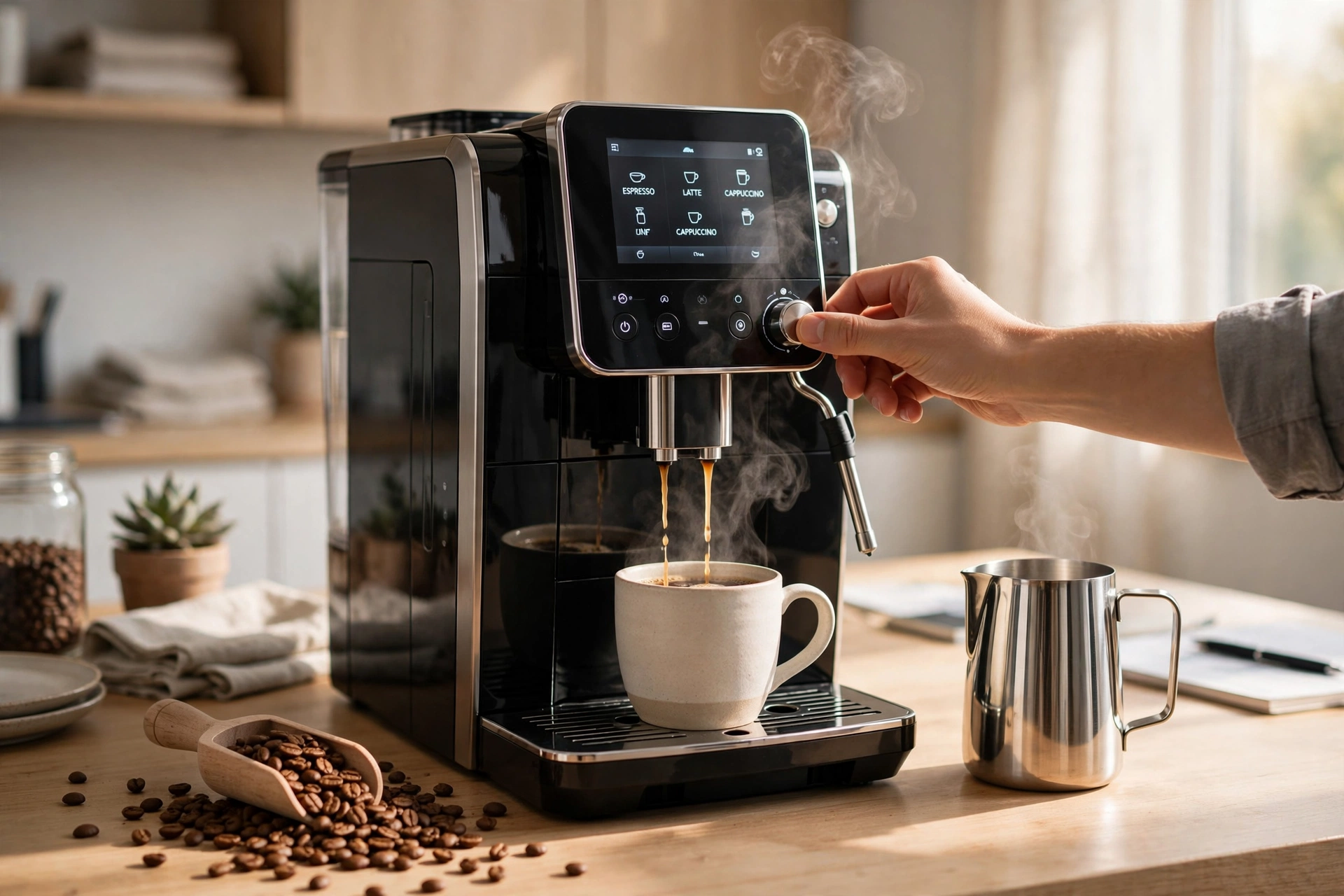
Most business owners start their coffee journey by buying a high-end machine and a bulk bag of beans, only to realize three months later that they are now part-time technicians and inventory managers. The "best" choice depends entirely on whether you value total control over your capital or the peace of mind that comes with a predictable monthly cost. For most high-volume foodservice and corporate environments, the most efficient managed coffee services are those that bundle premium equipment, professional maintenance, and high-grade specialty coffee into a single subscription.
When you move away from the "buy and maintain" model, you stop worrying about scale buildup in your boiler or the sudden failure of a pump during the morning rush. Instead, you shift to a utility-style model where the focus is on the quality of the cup and the experience of the guest. If you are operating a boutique hotel, a busy restaurant, or a corporate headquarters, the best service is one that eliminates capital expenditure (CapEx) and replaces it with a manageable operating expense (OpEx).
For those operating in specific regions, the decision often comes down to local reliability. For instance, if you are looking for a White Glove Coffee Service in Los Angeles CA - Complete Guide | Busy Bean Coffee, the proximity of the technician becomes the deciding factor in your uptime.
What Exactly Are Managed Coffee Services?
To make an informed decision, we first need to strip away the marketing jargon. At its core, a managed service is a partnership where a provider takes over the entire lifecycle of your beverage program. This isn't just a delivery service for beans; it is a comprehensive infrastructure play.
📚
Definition
Managed coffee services are all-inclusive subscription models that provide commercial-grade brewing equipment, ongoing technical maintenance, consistent coffee bean supply, and professional barista training for a fixed monthly fee.
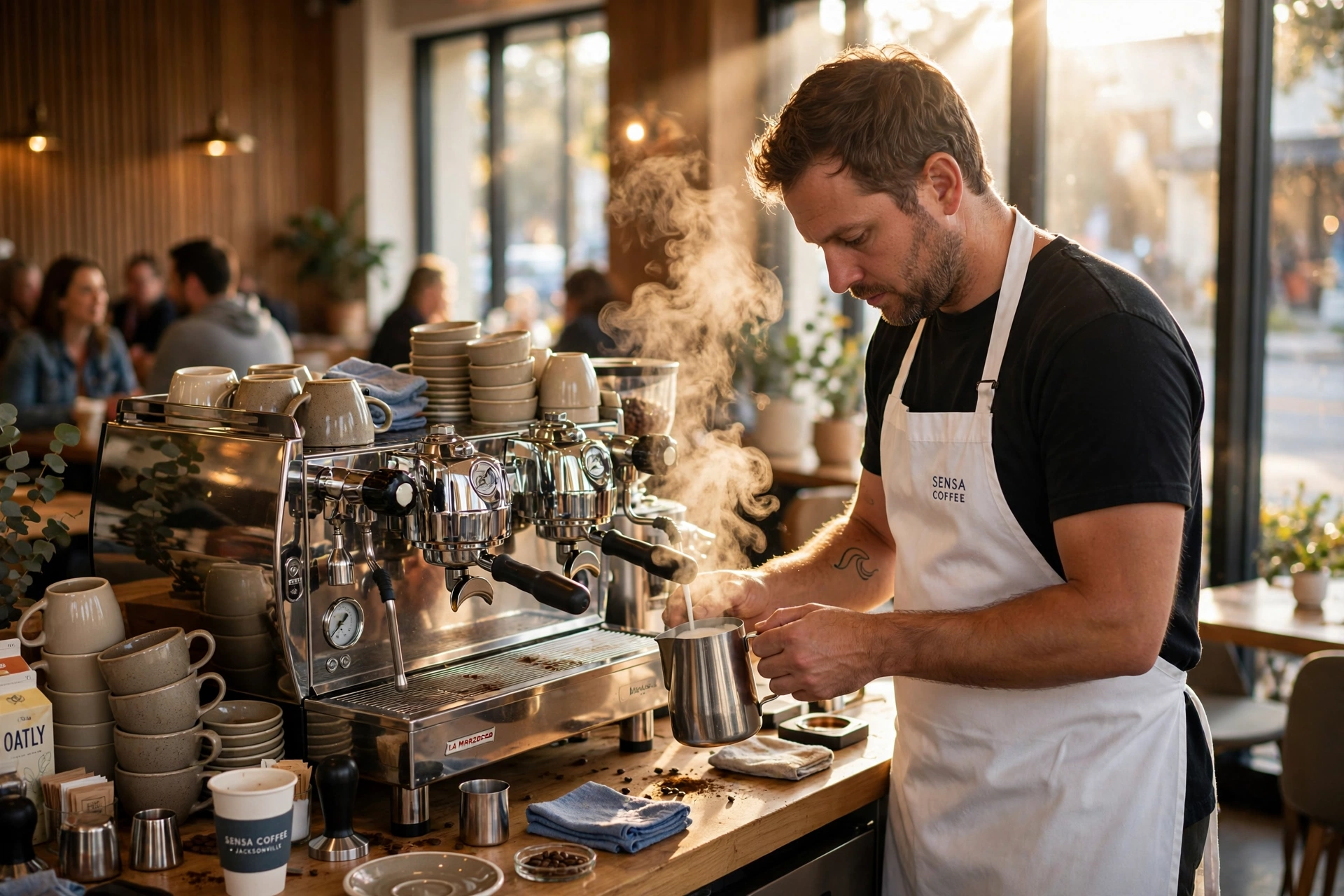
In my experience working with hospitality groups, the biggest misconception is that "managed" means "automated." While automation is a part of it, true management involves the human element: the calibration of the espresso machine to account for humidity changes and the preventative maintenance that stops a breakdown before it happens. When we developed our approach at Busy Bean Coffee, we found that the biggest pain point for owners wasn't the cost of the coffee, but the "hidden" cost of downtime.
The technical side of this is governed by strict safety and quality standards. According to NSF International, commercial food equipment must meet specific sanitary and safety standards (such as NSF/ANSI 4) to ensure public health. A truly managed service ensures that every piece of equipment in your facility remains compliant with these certifications through regular audits and professional servicing.
Now, here is where it gets interesting: there are three distinct tiers of these services. The first is "Equipment Only" (leasing), the second is "Supply-Driven" (get a free machine if you buy X amount of coffee), and the third is "Fully Managed" (all-inclusive). The latter is almost always the best for businesses that cannot afford a single hour of downtime.
Why the Choice of Coffee Service Impacts Your Bottom Line
Choosing the wrong service doesn't just result in bad coffee; it creates a massive leak in your operational budget. Many businesses opt for "cheap" managed services that provide low-grade machines with a perceived "free" incentive. This is a classic trap. Low-quality equipment leads to inconsistent extraction, which means wasted coffee beans and dissatisfied customers.
The financial impact is measurable. When you factor in the cost of a technician's emergency visit, the loss of revenue during a machine outage, and the labor cost of a staff member spending hours cleaning a machine they weren't trained to handle, the "cheap" option becomes the most expensive. Research from the Specialty Coffee Association (SCA) emphasizes that precision in brewing—specifically temperature stability and grind consistency—is what separates a profitable specialty coffee program from a generic one. If your managed service doesn't guarantee these variables through regular calibration, you are leaving money on the table.
Furthermore, the move toward "experience-driven" dining means that the quality of your coffee is often the final impression a guest has of your business. A poor espresso can overshadow a five-star meal. From a data perspective, the National Coffee Association USA (NCA) has consistently shown a rise in consumer demand for "specialty" and "premium" coffee experiences. If your managed service provides commodity-grade beans in a fancy machine, you aren't meeting the market demand.
The real implication here is risk mitigation. A fully managed service transfers the risk of equipment failure from the business owner to the provider. In a traditional model, a broken boiler on a Tuesday morning is your problem. In a managed model, it is the provider's problem to solve within a guaranteed service-level agreement (SLA).
How to Implement a Managed Beverage Program
Switching to a managed service should not be a disruptive process. If a provider tells you that you need to shut down for a week to "overhaul" your system, they aren't managing the transition correctly. The goal is a seamless migration from your current setup to a professional, managed environment.
The first step is a comprehensive audit of your volume. How many cups are you pouring per hour during peak times? This determines whether you need a super-automatic machine for speed or a semi-automatic for artisanal quality. For those in smaller corporate settings, exploring the Best Office Espresso Machines for Small Teams in 2026 can help determine the right scale before committing to a full contract.
Once the volume is established, the implementation follows this path:
- Infrastructure Assessment: Checking power and water lines. Most commercial espresso machines require dedicated circuits and high-quality water filtration to prevent lime scale.
- Equipment Selection: Matching the machine to the skill level of your staff. If you don't have a trained barista, a high-end automated system is better than a manual one that will be used incorrectly.
- Installation and Calibration: This is where Busy Bean Coffee excels. We don't just "plug it in." We calibrate the grind and temperature to the specific profile of the coffee bean being used.
- Staff Onboarding: Training your team on the "Golden Ratio" of coffee to water and the importance of purging the steam wand.

💡
Key Takeaway
The best managed coffee service is not the one with the cheapest monthly fee, but the one that provides the highest "uptime" and most consistent cup quality through a combination of premium equipment and proactive maintenance.
If you are located in the Southeast, you might consider how localized support works. For example, a Coffee delivery service in Charlotte NC - Complete Guide | Busy Bean Coffee ensures that your bean freshness is maximized because the logistics chain is shorter, reducing the time from roasting to brewing.
Comparing Your Managed Coffee Options
Not all managed services are created equal. To help you decide which is best for your specific scenario, I have broken down the three most common market approaches.
| Service Model | Pros | Cons | Best For |
|---|---|---|---|
| The "Free Machine" Deal | Zero upfront cost for equipment. | Low-quality beans, restrictive contracts, poor maintenance. | Low-volume offices with minimal coffee standards. |
| Equipment Lease + Supply | Better equipment quality, some control over beans. | You still pay for repairs; bean quality can fluctuate. | Mid-sized cafes with a dedicated internal manager. |
| Fully Managed (All-Inclusive) | Predictable OpEx, guaranteed uptime, premium specialty beans. | Higher monthly subscription than a simple lease. | High-end hotels, restaurants, and corporate HQ. |
When analyzing this table, the "hidden" variable is the quality of the coffee bean. Many services will give you a great machine but fill it with low-grade Arabica blended with Robusta to save costs. This ruins the taste profile and can even cause more frequent clogging in the machine due to oily, low-quality beans. A professional service focuses on Coffea arabica sourced from sustainable origins, ensuring a flavor profile that justifies a premium price point.
If you are scaling a business across multiple locations, the "Fully Managed" model is the only one that allows for consistency. You cannot expect a manager in one city and a manager in another to maintain equipment to the same standard. Centralizing the management ensures that the coffee in your Denver location tastes exactly like the coffee in your Los Angeles branch. For this reason, we often recommend our White Glove Coffee Service in Denver CO - Complete Guide for multi-site operators.
Common Misconceptions About Managed Coffee
Most guides on coffee services get this wrong: they tell you to focus on the machine. The machine is just a tool; the service is the actual product. Here are the most common myths I encounter in the industry.
Myth 1: "Automatic machines produce lower-quality coffee."
This was true ten years ago. In 2026, high-end automated machines can mimic a human barista's precision in temperature and pressure. The mistake I see constantly is owners insisting on manual machines for staff who aren't trained baristas. The result is a lot of wasted milk and bitter coffee. A managed service with the right automated equipment often produces a better cup because the human error is removed.
Myth 2: "I can save money by doing the maintenance myself."
Cleaning the drip tray is easy. Descaling a commercial boiler and replacing worn-out gaskets is not. If you attempt "DIY" maintenance on a commercial machine, you risk blowing a seal or causing a thermal runaway. A managed service includes these technical tasks in the fee, which is far cheaper than replacing a $10,000 machine because of a calcium buildup.
Myth 3: "All specialty coffee tastes the same."
This is a dangerous assumption. The difference between a commercial roast and a specialty roast is the difference between a generic hotel room and a luxury suite. True specialty coffee is graded by the International Coffee Organization (ICO), ensuring the beans meet specific quality and sustainability markers. If your provider cannot tell you the origin and roast date of your beans, they aren't providing a specialty service.
Frequently Asked Questions
How do I calculate the ROI of a managed coffee service?
To calculate the return on investment, you must look beyond the monthly subscription fee. Add up the cost of the initial equipment purchase, the average annual cost of repairs, the labor hours spent on cleaning and troubleshooting, and the cost of wasted product due to poor calibration. Compare this "Total Cost of Ownership" to the fixed monthly fee of a managed service. In most cases, the managed service reduces variance in your budget and increases revenue by ensuring your coffee station is never "out of order" during peak hours.
What happens if the machine breaks down under a managed plan?
Under a professional managed service, the provider is responsible for the uptime. Most high-tier plans include a guaranteed response time, often within 24 to 48 hours. Depending on the agreement, the provider may even provide a loaner machine to ensure your business continues to generate revenue. This eliminates the panic and the expensive "emergency" call-out fees associated with independent technicians.
Can I choose my own coffee beans with a managed service?
This depends on the provider. Some "closed-loop" systems require you to use their proprietary beans to maintain the warranty. However, a quality partner like Busy Bean Coffee focuses on a curated selection of premium roasts that are specifically calibrated for the equipment provided. This ensures that the grind size and roast profile are perfectly matched to the machine's pressure settings for maximum flavor extraction.
Is a managed service better than buying the equipment outright?
For businesses that view coffee as a core part of their customer experience, yes. Buying equipment outright creates a "depreciating asset" problem. Technology in the coffee world evolves rapidly, and machines wear out. A managed service allows you to upgrade your equipment as technology improves without having to sell off old, depreciated hardware. It shifts the financial burden from a heavy upfront cost to a predictable monthly operating expense.
How does water filtration impact a managed coffee contract?
Water is the most overlooked component of coffee. Since a cup of coffee is 98% water, any impurities or mineral imbalances will not only ruin the taste but will destroy your machine through scale buildup. A comprehensive managed service includes the installation and regular replacement of high-grade filtration systems. This is a fundamental part of the maintenance agreement, as it protects the equipment's longevity and ensures the flavor profile of the specialty coffee is preserved.
Final Thoughts on Managed Coffee Services
Determining which managed coffee services are best for your business requires a shift in perspective. You are not just buying a machine or a bag of beans; you are buying a guarantee of quality and a recovery of your own time. When you outsource the technical headaches of equipment maintenance and the logistics of bean sourcing, you can focus on what actually matters: your guests and your growth.
Whether you need an Automated Coffee Service in Fort Worth TX - Complete Guide | Busy Bean Coffee or a specialized setup in another city, the goal remains the same: consistency. In the hospitality world, consistency is the only way to build loyalty.
If you're tired of playing technician and want a beverage program that actually works for you, it's time to move to a professional model. Visit Busy Bean Coffee to explore how our all-inclusive memberships can transform your coffee station from a liability into a luxury asset.
Free Coffee Pairing Guide & Specialty Roast Cheat Sheet
Unlock the secrets of perfect brewing ratios, water temperatures, and specialty roast profiles. Download the guide.